
Roof Damage Repair
Roof damage seldom announces itself. A lifted edge after a spring storm, a soft seam that opened in July heat, a puncture where a technician dropped a tool. Gastonia, NC gets all of it: 90.7 F July afternoons, steady rain and wind strong enough to strip part of a warehouse roof in East Gastonia on May 8, 2024. The repair is only as good as the diagnosis, so we find the cause before the first patch goes down.
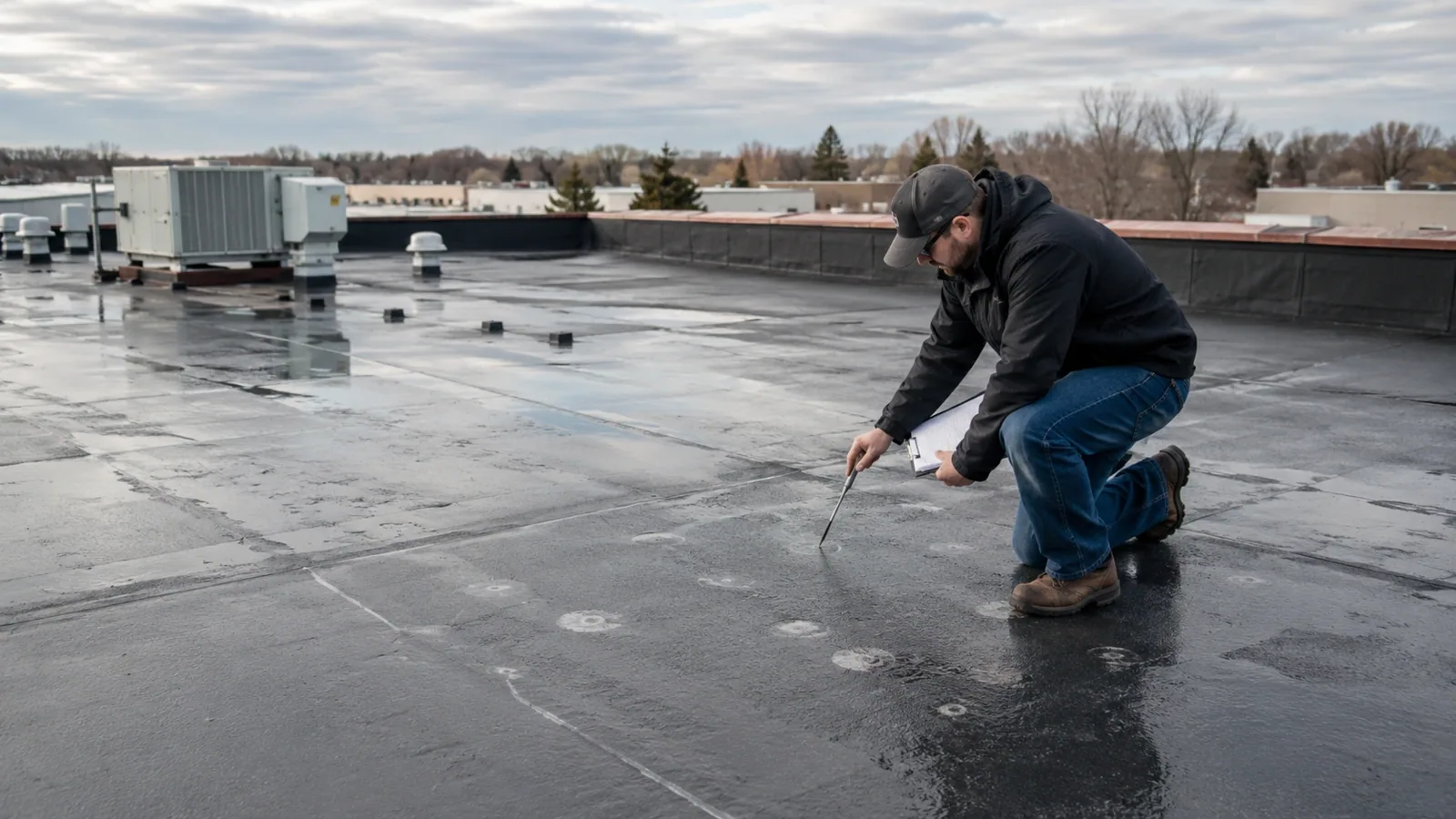
Wind Damage Roof Repair
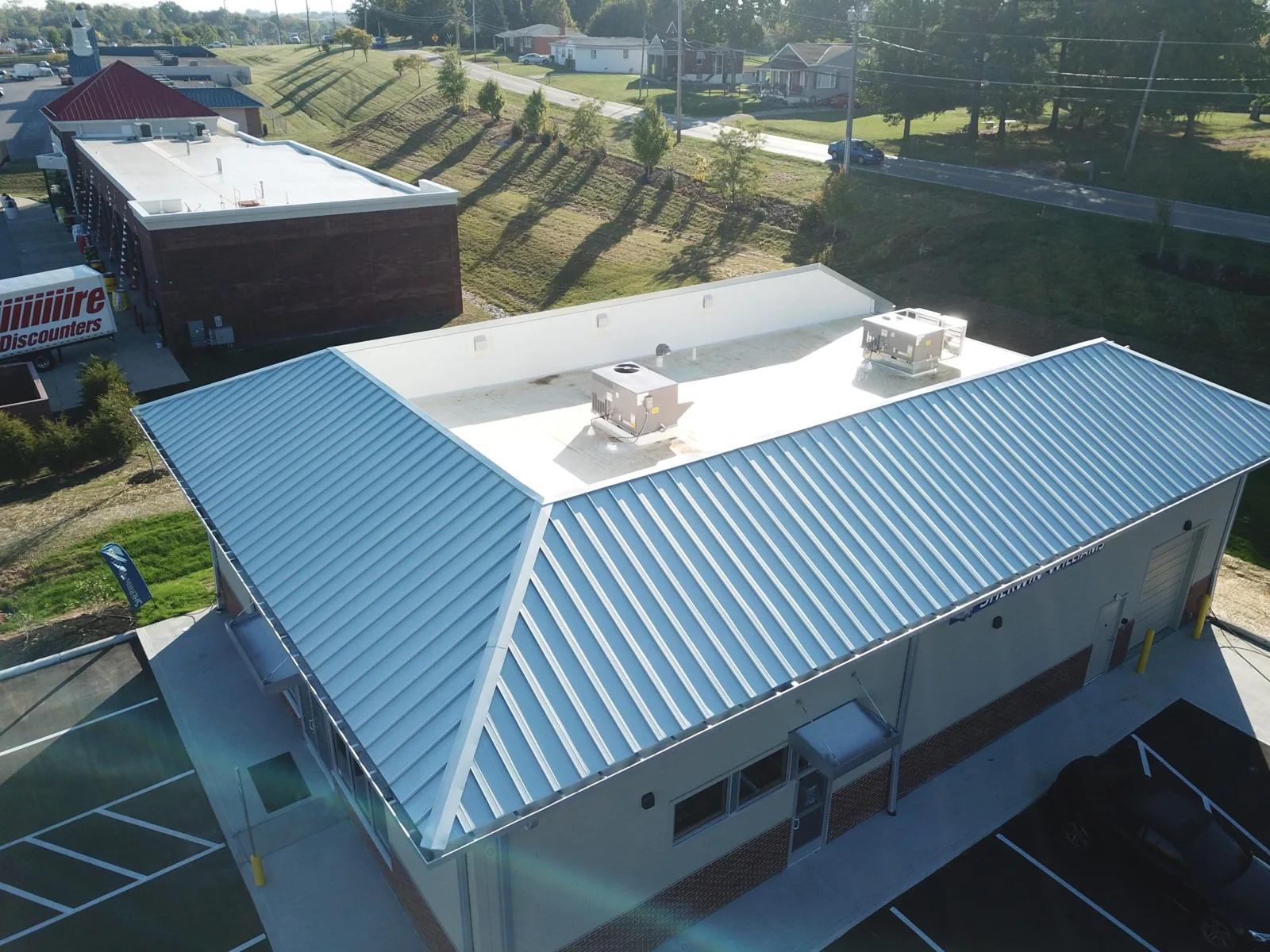
Ponding Water Roof Repair
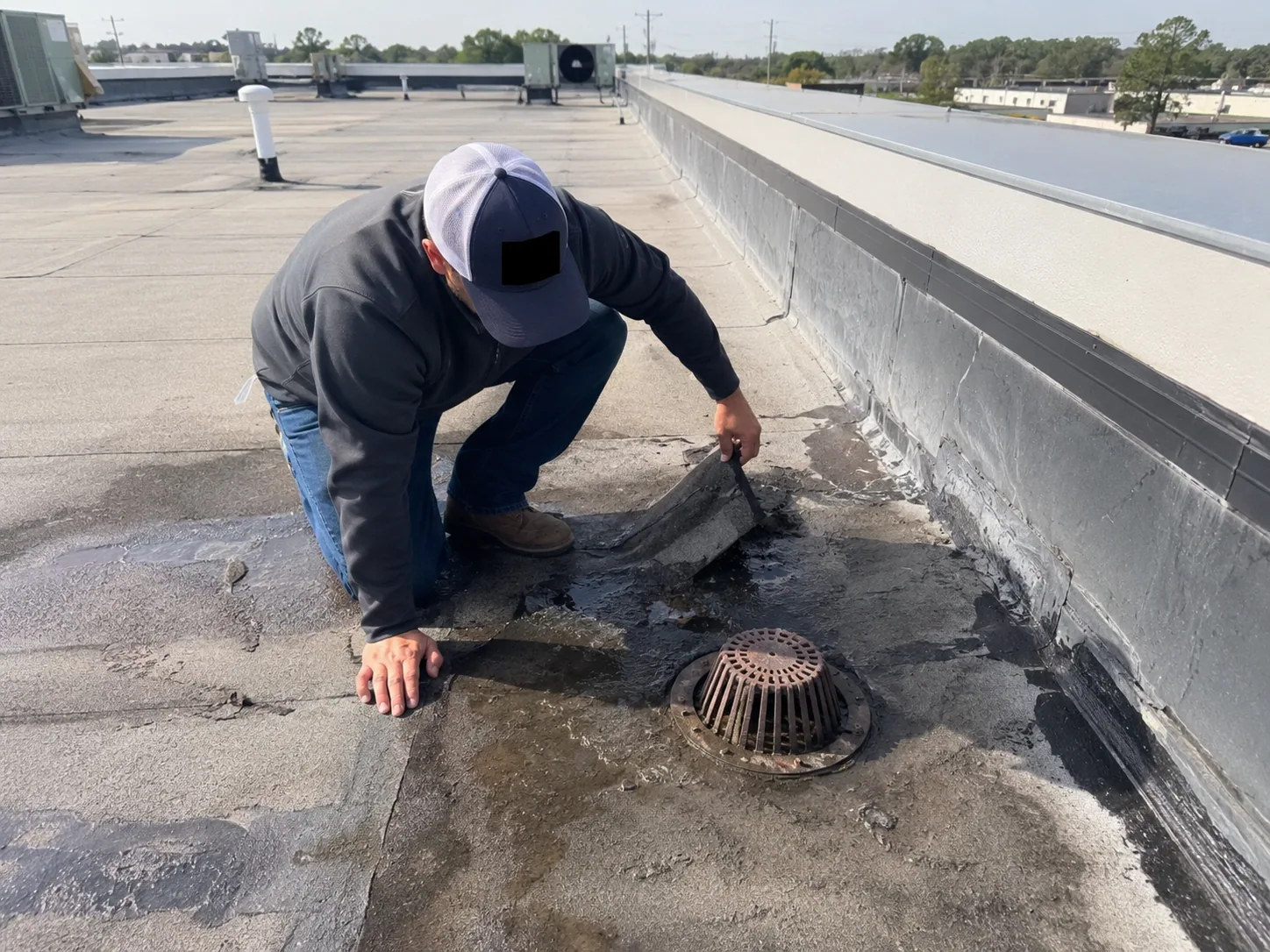
Failed Flashing Repair
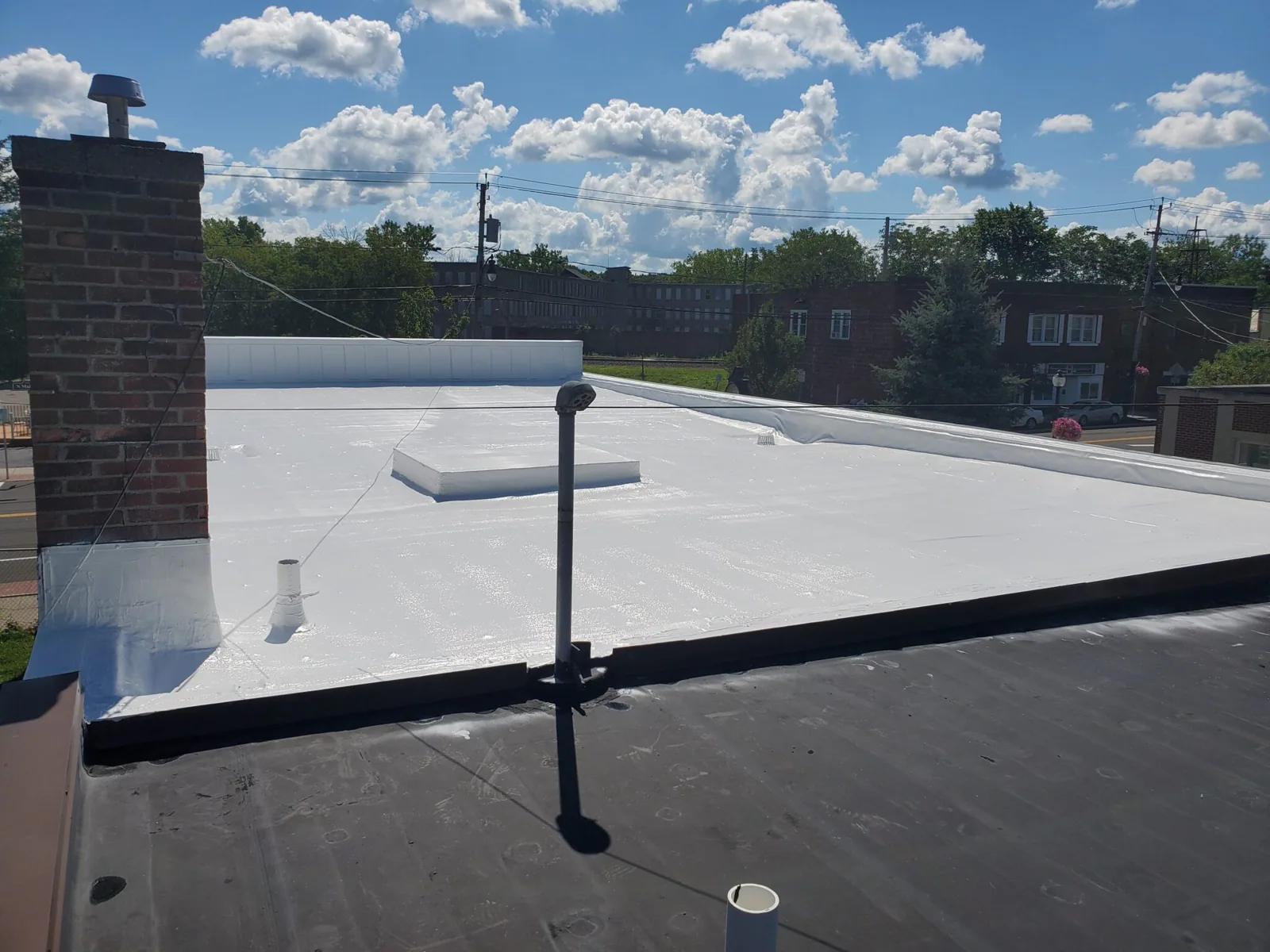
Split and Open Seam Repair
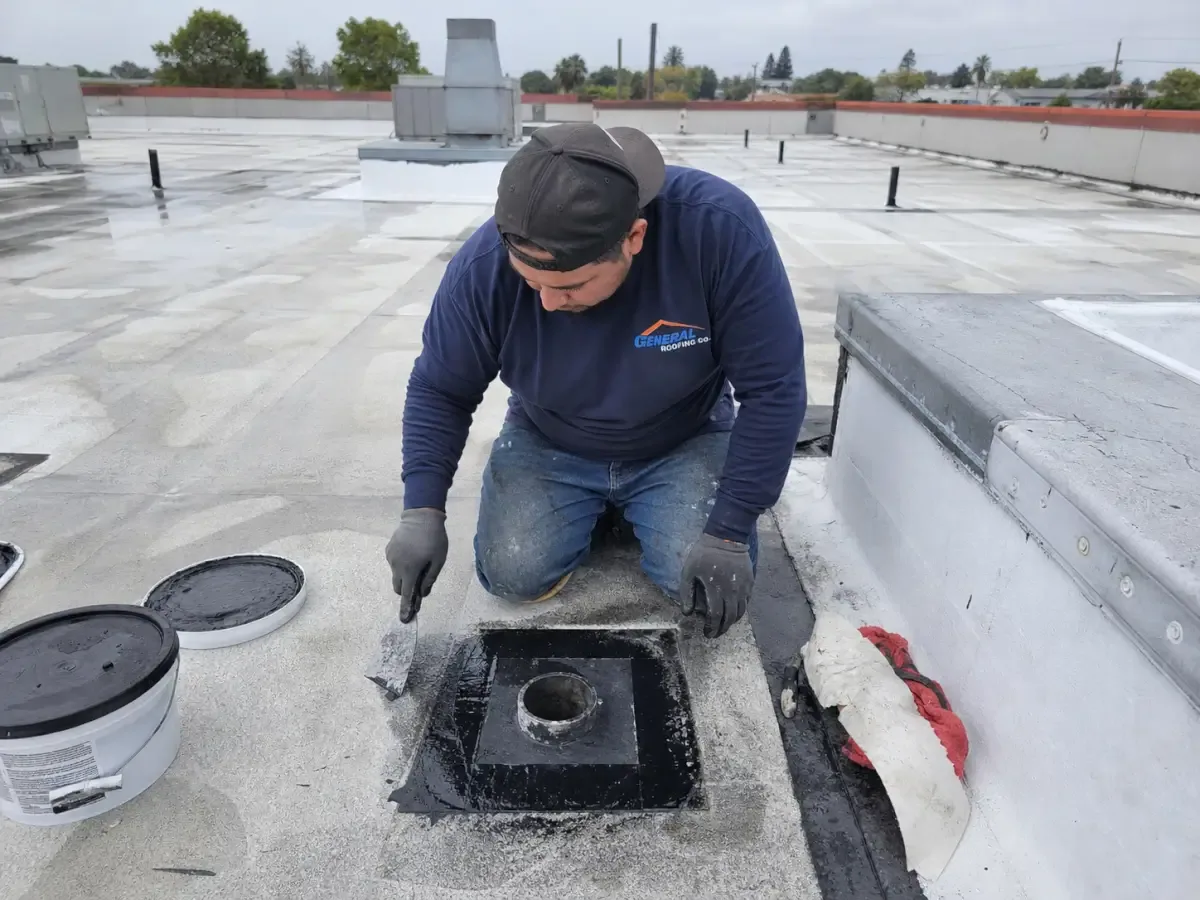
Membrane Puncture and Foot-Traffic Damage Repair
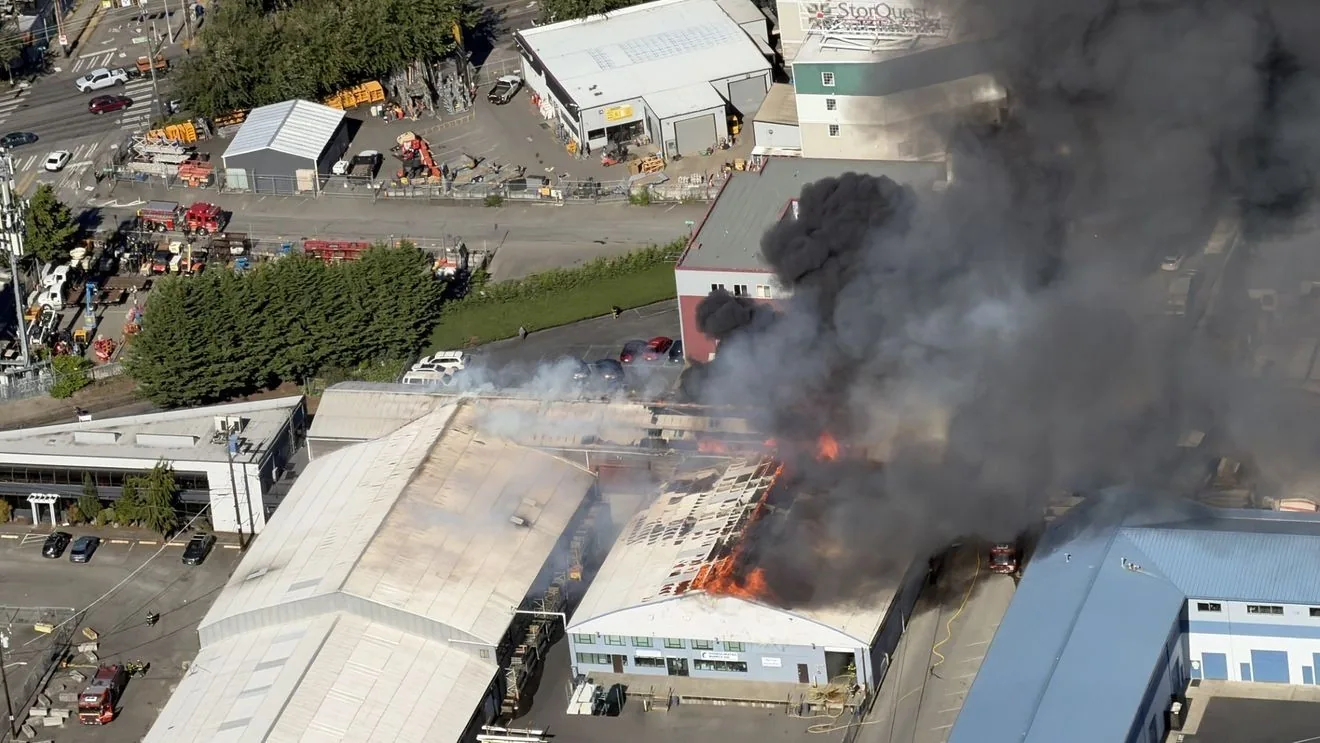
Fire and Smoke Damage Roof Repair
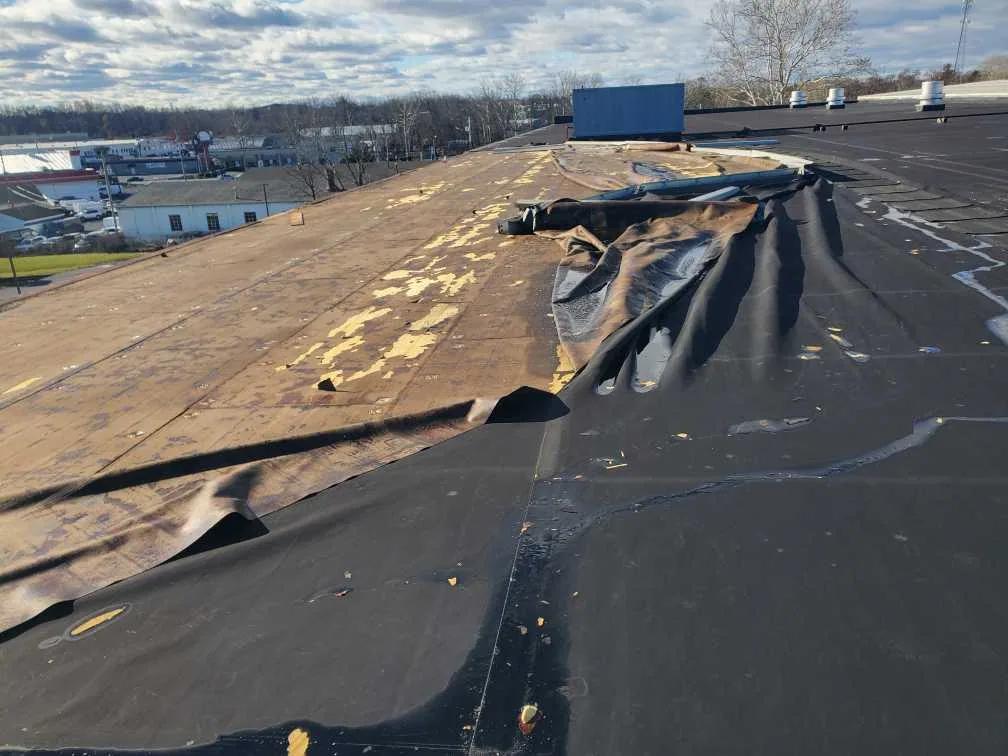
Tornado Damage Roof Repair
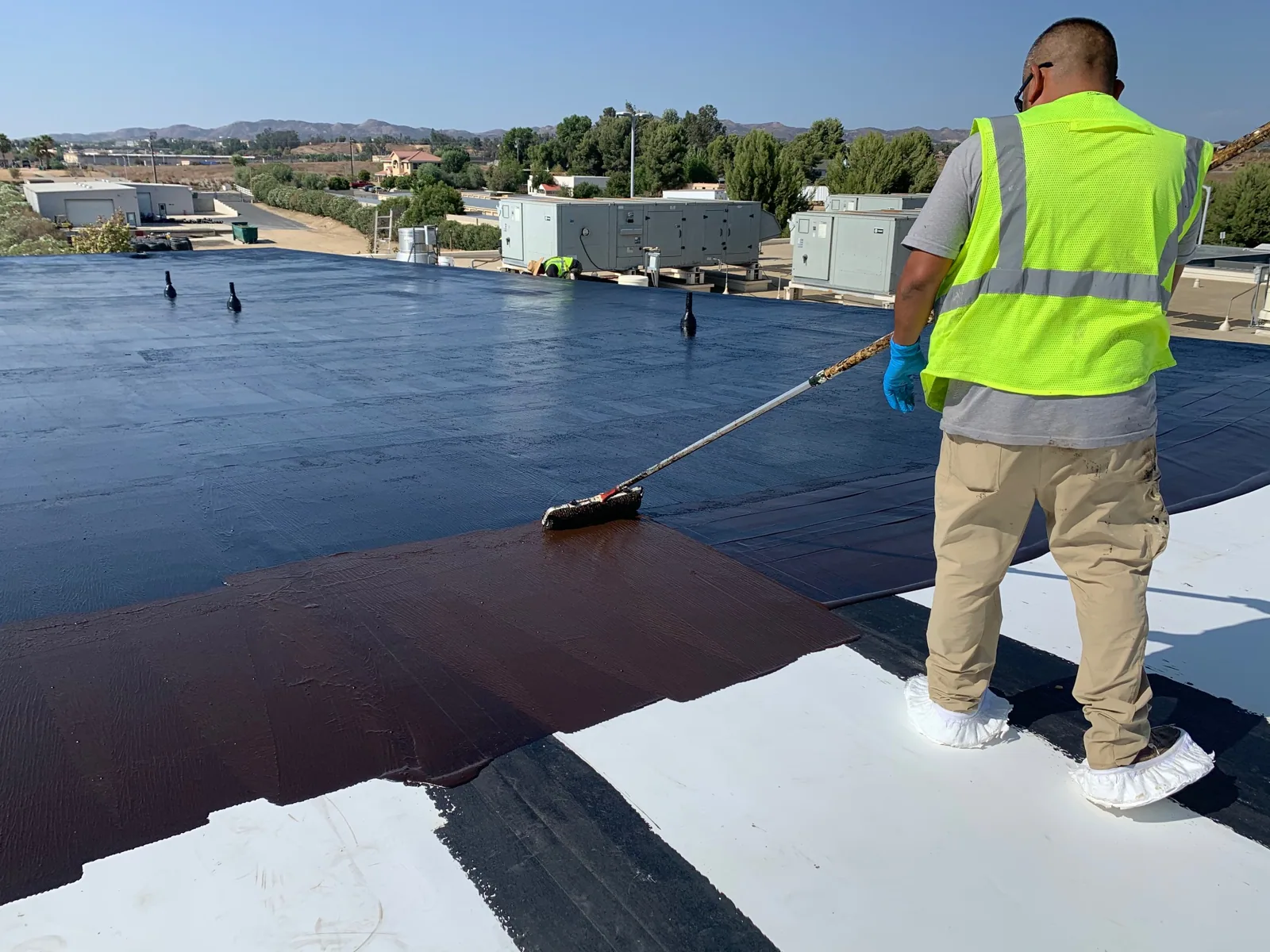
Heat and UV Roof Damage Repair
Start With the Wind and the Tornado Damage
An EF-1 tornado rated near 110 mph tore through Gaston County on May 8, 2024, and a lighter storm in May 2020 ran roughly 8.7 miles, from Crowders Creek Road to a stop near the Gastonia airport. Wind pulls on a roof from the edges inward, so wind damage repair begins with perimeter metal and fastening. A tornado-damaged roof adds debris impact and sudden pressure change.
Read Heat and Water Wear Early
Summer sun degrades surfaces and softens adhesives, and heat and UV damage shows up as cracking, chalking and shrinkage. Standing water leads to ponding water repair, where drain fixes and slope corrections come first.
Chase Seams, Flashing and Punctures
Open seams, loose flashing and membrane punctures are the small failures that cost the least on the day they are caught. Each repair is documented with a photo and a note on the cause. A seam that has opened a quarter inch will open further with the next heat cycle, and flashing that has pulled from a curb lets water run behind the membrane, so these repairs are quick when caught and slow and costly when ignored. Punctures often trace to foot traffic around rooftop units, which is why we check walk paths and add protection pads where trades keep stepping.
Treat Fire Damage as a Structural Question
Fire damage reaches past the burned area into insulation, deck and drains, and the repair starts with a safe assessment and a dry-in plan. Insurance paperwork follows from the same record. Smoke and water from firefighting both reach insulation, so we probe for moisture well beyond the visible burn and size the repair to what the readings show, not what the eye sees from the ground.
Match the Repair to the Building
A repair at Gateway85 differs from one on an older building near downtown Gastonia. At Gateway85 the repair follows whatever drainage runs and penetrations the roof carries, while the Loray Mill Historic District and other downtown buildings bring older construction that has to be read on the roof itself. We write each scope for the roof in front of us, and we give the owner the choice between the quick fix and the lasting one.
Commercial Roofing Questions
What comes first after a storm?
Dry the building in. Then document the damage with photos and measurements, and schedule the permanent repair.
Is every leak a repair job?
No. If moisture has spread through the insulation, a full replacement or a sectional replacement may cost less than repeated patches.
Can damage be separated from age?
Often yes. Fracture patterns, fastener pull-through and debris marks point to storm, while chalking and shrinkage point to age.
How long can a temporary repair last?
A temporary dry-in is meant to carry the building through to the permanent fix, so we set the permanent date when we install it.