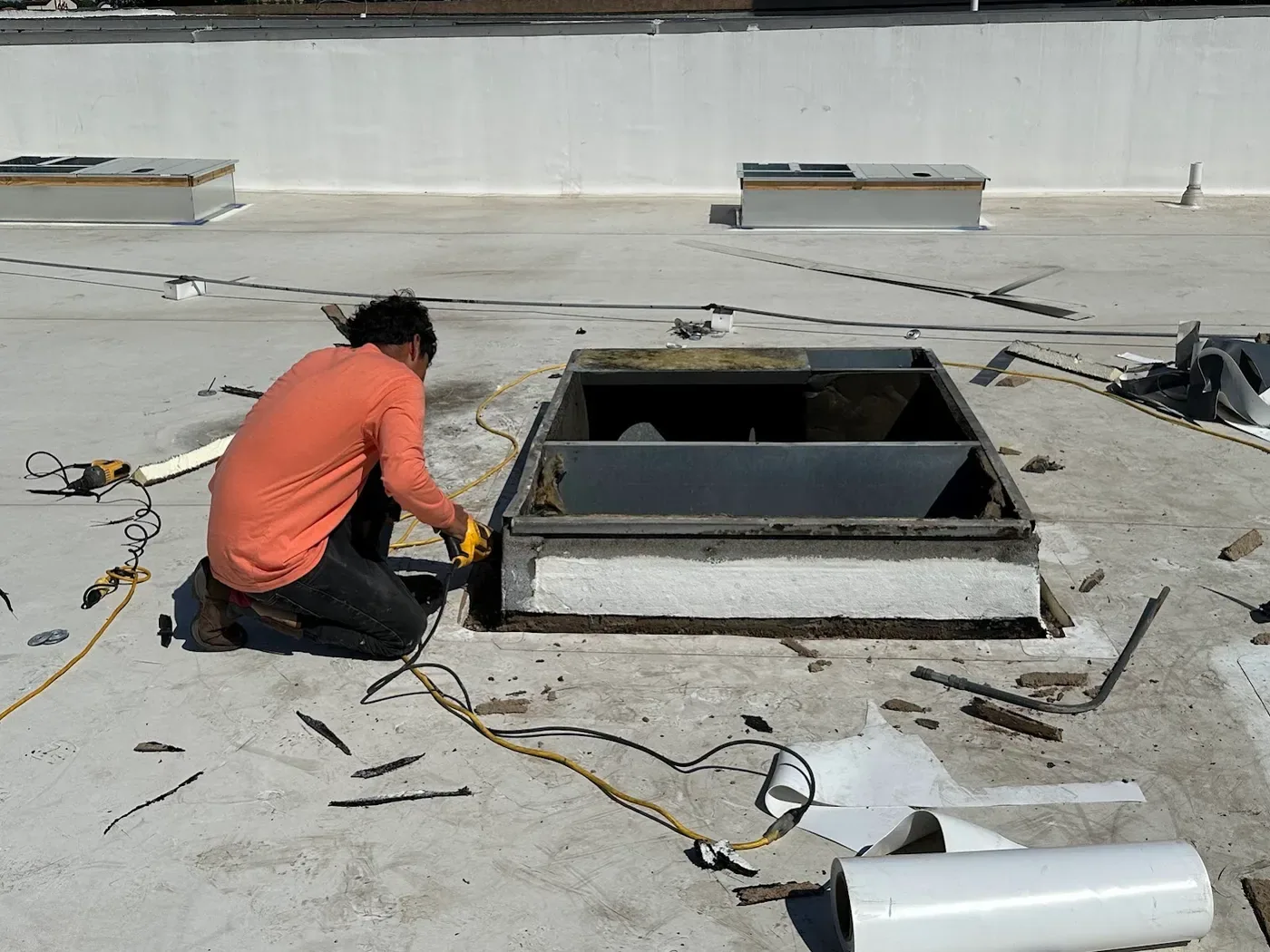
Commercial Roofing in Clover, SC
A downspout that empties straight onto the sidewalk of a Clover, SC storefront is a small finding with a long tail. It means the gutter above is overflowing or the leader has cracked, and the water that is not reaching the street is going into the wall. Clover had 6,671 residents in 2020 and is growing in the Charlotte metro area. US 321 is Main Street and meets SC 55 at the town square, the Clover Downtown Historic District is on the National Register, and cotton mills operated here until after World War II.
That history puts old storefront roofs and newer buildings in one small town. We walk each roof, mark what we found on a plan and write a price beside acting now and a price beside waiting. The owner reads the numbers and sets the decision date.
Plan the Lift Before the Repair
Around a town square there is little room for error in staging. A lift, a dumpster and a delivery truck all want the same curb that shoppers want, and a lane closure on Main Street may need the town's sign-off. We settle the pick location, the delivery hour and the barrier layout with the owner before anyone writes a number, because on a small roof those logistics can cost more than the membrane. They go into the scope of work, so the figure holds on the morning the crew arrives.
Shared walls add a second question. Water that enters one storefront roof can run along a party wall into the next building, so the walk starts at the coping and the wall flashing and works toward the drains. Every joint is photographed with a tape in the frame, and we shoot from the same standing points on each return visit so movement shows when two sets of pictures lie side by side.
Gutters and downspouts get their own line on a narrow frontage. A downspout that dumps onto a public sidewalk is a claim waiting for a rainy day. We check brackets, joints, pitch and outlets, then price the fix as a separate item so the owner can fund it first.
Time of day matters as much as location. Morning deliveries on a square tend to collide with shop openings, so the crane pick or the lift set-up is booked for the quiet window the owner names. If a tenant keeps stock in an upper room, that room is covered before the first cut is made, and a short note goes to the neighbors with the dates and a phone number.
Respect the Historic District
Exterior changes inside a National Register district can draw review, so the town gets a phone call before design starts and not after materials arrive. Drains, flashings, seams and insulation sit out of sight and can be repaired without touching the street view. When a visible change cannot be avoided, the scope carries photographs of the current condition so the reviewer has something to compare against.
A building from the mill years may carry an older roof than its neighbors or a much newer one, and the surface does not tell which. We cut a core and run a moisture scan, so the first decision rests on what is under the membrane. Where the deck is sound and the boards are dry, a repair or a recover can keep the building tight for years. Where water has been moving through the insulation, the owner hears that on the first visit, with the replacement line already priced beside the repair line.
Treat Newer Metro-Edge Roofs as Warranty Files
Growth in the Charlotte metro can bring newer commercial buildings to the edge of a town like Clover, and a newer roof is a different file from an old one. A manufacturer warranty may still be in force, and a patch made with the wrong material, or without notice, can cost the owner coverage. The first task is to read the document, list its duties and note who installed the roof and when.
Early trouble on a young roof tends to sit at details finished between other trades: a curb flashed in a hurry, a drain set a little high, a penetration closed with caulk. A walk in the first years catches those items while the installer can still be called back. The photo log records the finding, the date and what the paperwork says, and a lender or a buyer values that record more than a quick patch.
Count What a Wet Spring Costs
Rock Hill, in the same York County, records a 91 F July average, a 106 F record high and about 42.6 inches of rain a year. A roof in Clover works through summers of that kind. A cap joint resealed in April costs a mason's afternoon. The same joint left open through June storms can soak the insulation beneath it, and the stain reaches a ceiling by autumn.
Deferred items rarely stay alone. A cap joint, a clogged downspout and a patch nobody recorded each look minor in March, and the first heavy storm can join them into one wet section. Listed together with a combined price, they show the owner the capital line the small items have been building toward. That is the number a partner or lender wants to see before agreeing to a repair-now, replace-later plan.
Keep a File the Next Owner Can Read
A small-town building changes hands, changes tenants and changes use, and the roof record has to stay with it. At closeout the owner holds the photo log, the core and moisture results, a ranked list and a short narrative, with warranty papers and repair invoices filed in the same folder. A buyer or lender can read that folder in an afternoon, and the next walk begins from the last one.
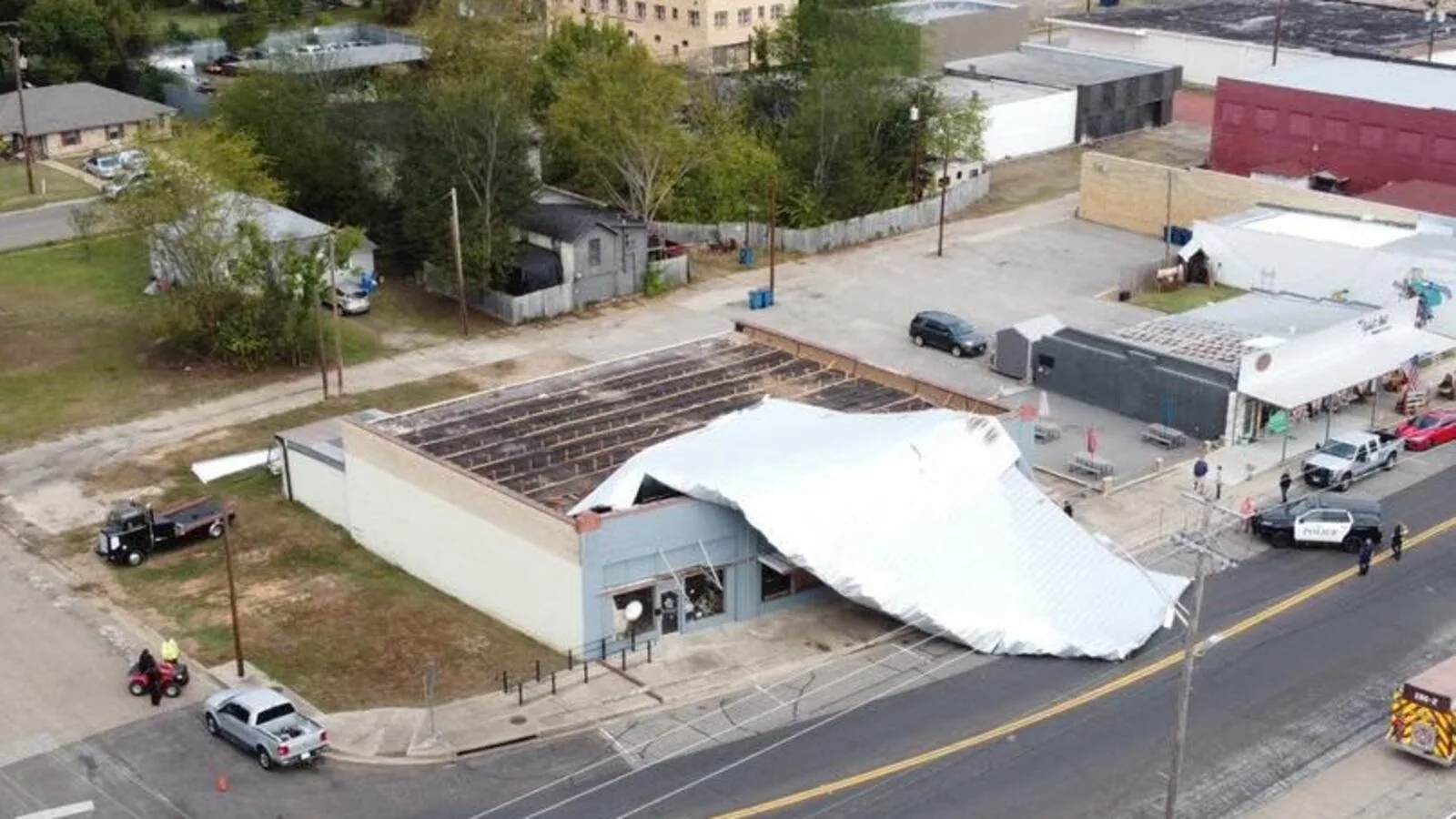
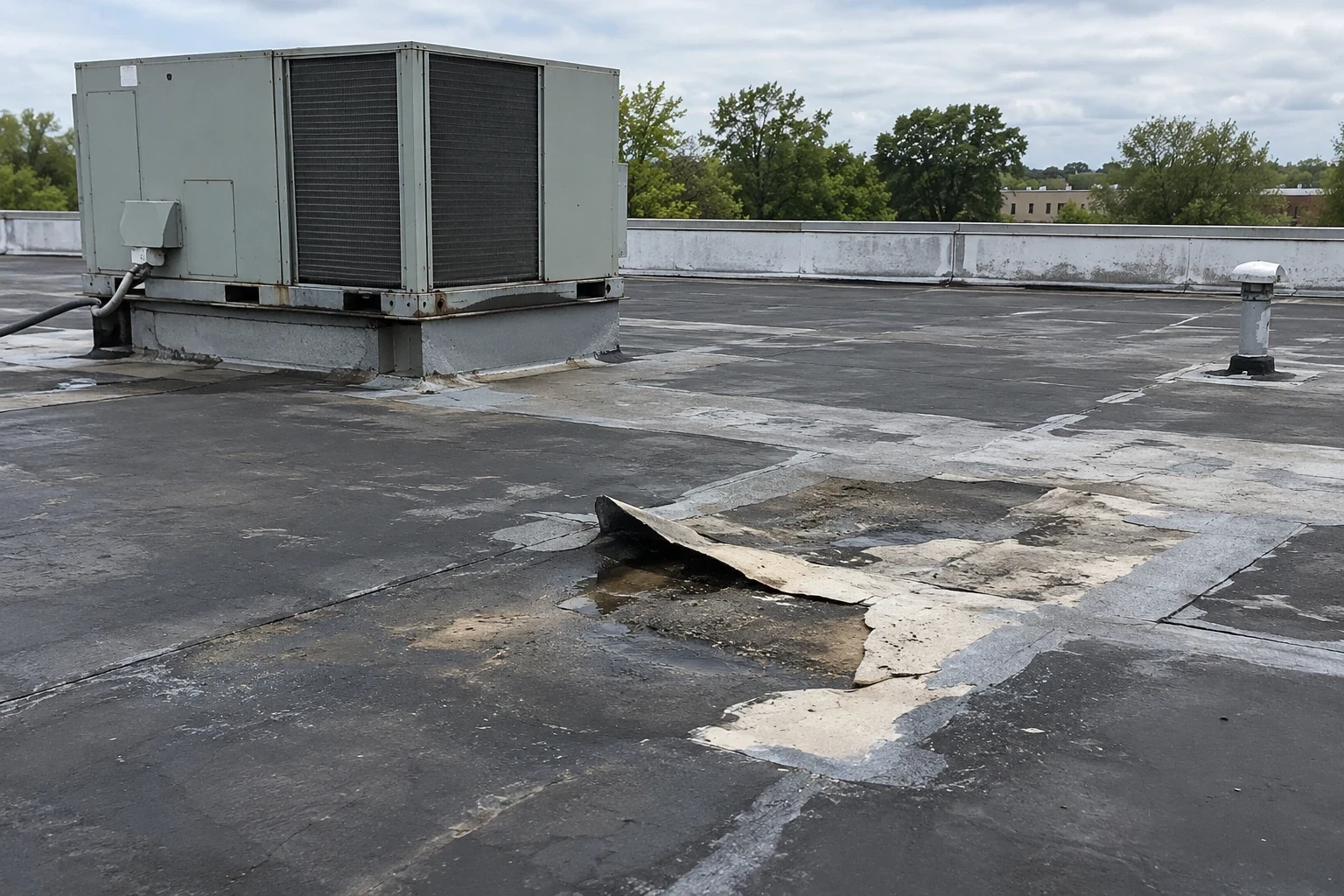
After a leak or a storm the order of work is a temporary seal, then a trace to the cause, then a permanent repair scoped from the evidence. Emergency roof repair answers at any hour, and the pictures taken that day separate wind damage from older wear. Coping, drip edge and corner metal are photographed each spring and again after a hard storm, and a dated set is what an insurer asks for first when claim documentation begins.
Choose Between Repair, Recover and Replacement
A local failure on a dry roof calls for a commercial roof repair. A wide wet area, or a patch history that has begun to cost nearly as much as a new roof, calls for replacement. Each option is written with its cost drivers: roof area, access, wet insulation, flashing count and season. The local building office is asked which code edition governs before the scope is final.
An owner with buildings in Clover may hold roofs in York or Rock Hill as well. One photo log format across them lets a capital plan rank every roof and send the first dollar to the worst one.
Commercial Roofing Questions
Can a small downtown roof be repaired in a day?
Often. Access and staging set the limit, so we plan them before the crew comes.
Does the historic district rule out roof work?
No. Work out of the street view goes ahead normally, and the town gets a call about anything visible.
Where does water enter an old storefront roof?
Start at the wall and the cap, then the seams and drains. A moisture scan marks the wet insulation.
What does the written summary hold?
Dated photographs, a plan with each finding marked, a priced list and the call on repair or replace.
Which code edition applies in South Carolina?
Whatever the local building office has adopted. We confirm it in writing before the scope is final.
Topic
Clover
Roof Types
Low-slope and metal

Related Roofing Work
Emergency Commercial Roof Repair
Roof Insurance Claim Documentation