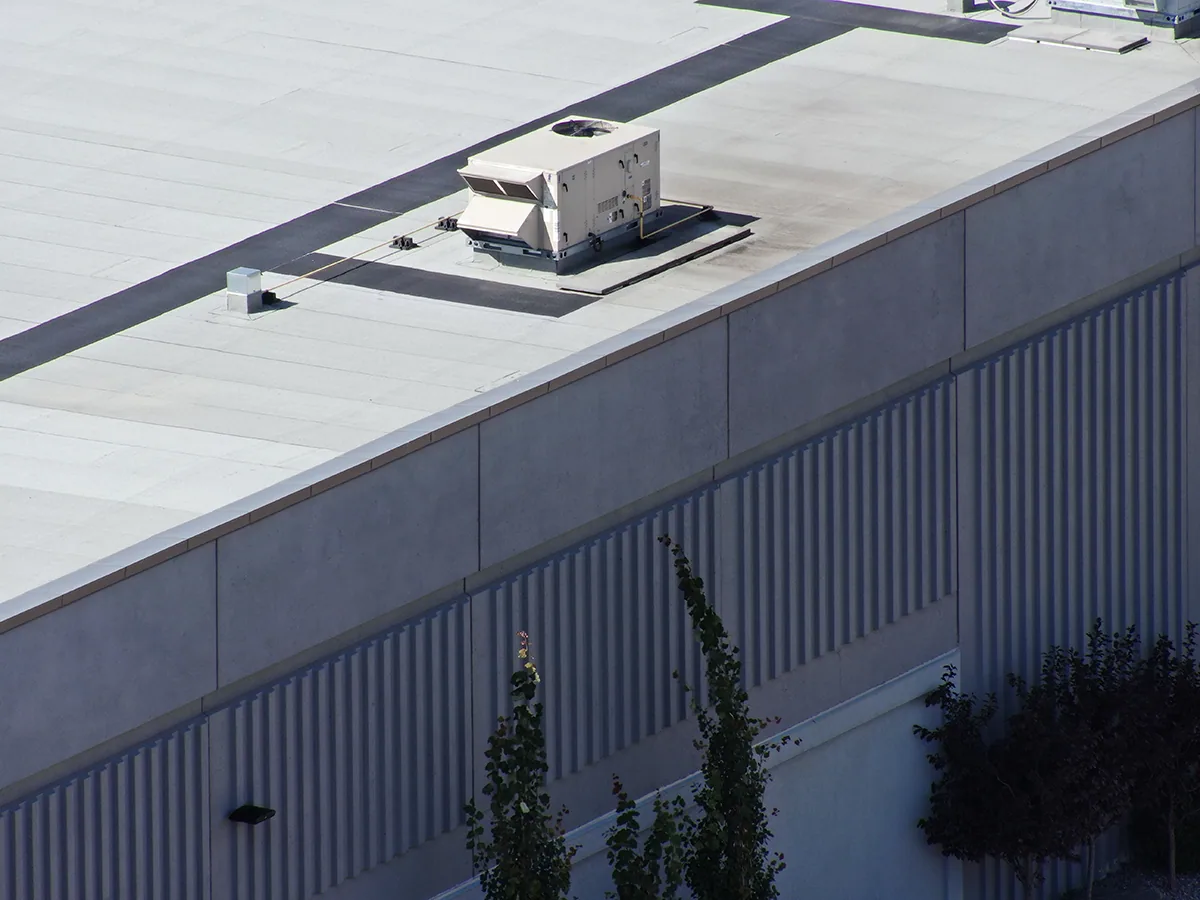
Commercial Roofing in West Charlotte, NC
A long warehouse roof with ponded water at the low drain is the kind of finding that decides a budget year, and West Charlotte, NC is a district where such roofs sit near a major airport. Charlotte Douglas International Airport lies about six miles west of the central business district on roughly 5,558 acres, and 2025 cargo totaled about 224,905 tons. A fourth runway of 10,000 feet is under construction there, with completion expected in 2027. Charlotte is also headquarters to Bank of America, Honeywell and Truist, and the metro area has about 2.88 million residents. Commercial roofs in West Charlotte serve that economy. Each gets a walk, a set of photographs and two prices on paper. Findings open the conversation and a date closes it, and the owner receives a short summary within days of the walk.
Plan Access Near the Airport
Roof work near an airport has extra steps. Lift and crane heights can need clearance. Drone flights over a building in controlled airspace need authorization. Construction traffic on nearby roads can slow deliveries.
We raise these early. Before bidding, we ask about height limits, flight rules and site access. Where a drone inspection is not allowed, we walk the roof with a ladder or a lift instead. We write the access plan into the scope of work so it does not surprise the schedule. Construction on a large airport project also brings crews, trucks and temporary road closures into the area. A delivery that normally takes an hour can take longer. We schedule materials with a margin, stage them where trucks can reach them and confirm the route with the site contact the day before. If the building sits under a flight path, noise and dust rules may apply. Tell us what the tenants need, and we plan the loudest work for the hours that cause the least trouble. Safety plans on a site this busy include fall protection, lockout at units and a clear exit from the roof. We write them down and walk them with the contact.
Read Logistics Roofs for Ponded Water
Air cargo and ground freight can keep distribution buildings busy around airports. We do not assume what any one West Charlotte building carries. We check. Long, flat roofs collect water, and a drain that holds water after a storm is the first thing to log.
On the walk we find the ponding line, test the drains and count the penetrations. We note seams along parapets, patches from earlier owners and equipment added later. Each item gets a photo and a price now and a price later. Wet stock under a leaking bay costs more than any patch, so those bays rank first. Rooftop solar mounts and conveyor supports sometimes land on logistics roofs. Each adds penetrations and load. We check the supports, the flashing and the deck below, and we flag any mount that sits on a section with a short remaining life. Moving a mount later costs more than moving it before a replacement. Drainage is the first line in the report. Count the drains, clear the strainers, and see where water leaves the roof. A scupper that dumps beside a wall or a downspout that ends on the slab shows up as a stain on a wall long before it shows up on a roof.
Handle Office and Corporate Roofs With Care
Bank headquarters and corporate offices make Charlotte a banking center, and offices in the metro have roofs of their own. Office roofs carry rooftop units, exhaust fans and sometimes terraces or pavers. A leak over a records room or a server closet costs more than the repair.
We rank roof areas by what lies below. We plan work for off-hours when the tenant requires it. Fresh-air intakes get a protection plan, and noise limits go into the schedule. The owner sees the plan on one page. Ask the property manager about tenant improvements. A suite renovation can add ductwork and vents through the roof. Each new penetration needs flashing done right. We coordinate with the mechanical contractor so the work is done once, and the photo log shows the final condition. Roof terraces and pavers need their own plan. Water gets under pavers and sits on the membrane. We lift sample pavers to check, and we note any pedestal that has settled. A terrace leak is a slow one, and it hides.
Price Heat, Wind and Ice
The Charlotte area's weather record ranges from 104 F summer highs to the December 2002 ice storm that left over 1.3 million people without power. Hurricane Hugo struck the city on September 22, 1989 with 87 mph gusts, which shows how far inland remnant tropical systems can still carry damaging wind.
In May 2024 Gaston County saw an EF-1 tornado, with winds estimated at 110 mph, cross its territory. In Gastonia the July high averages 90.7 F, and a year brings about 44 inches of precipitation. Heat, rain and wind are the roof's yearly exam, and a log of what each season did is the best answer to it. After any storm the walk runs edges, penetrations, drains, then the ceiling inside, with photographs taken while the roof is still wet, since a carrier looks for dated photos first. The metro's 2.88 million residents share much of the same weather, and a good file shows what the last storm did to your roof in particular.
Weigh Repair and Replacement by Line Item
Repair or replace is answered with evidence. Scanning locates soaked insulation, cores verify it, and a walk totals the patches and tests the deck. Each path then gets its own price, line by line, for tear-off, insulation, membrane, flashing, edge metal and drains.
North Carolina still enforces its 2018 State Building Code until an effective date is set for the 2024 code, and owners may ask for the 2024 code as an alternative. The edition can shift insulation and wind provisions, so the local authority confirms it before the scope is final. Waiting carries a number: a small leak that runs through a wet season can soak the insulation and convert a repair into a tear-off, and that number sits beside the repair price with a decision date at the bottom of each section. Cost drivers are named on the page: roof size, access, layers to remove, saturated insulation, deck repair, penetrations and edge metal. A bid that omits one will change later, so compare bids line by line.
Coordinate Records Across the Metro
A distribution center roof near the airport and an office building roof across the metro can sit in one file, with a drone roof inspection filling in sections that cannot be walked. A multi-year capital plan lets owners with several buildings spread the spending. Owners with roofs in Paw Creek or Huntersville get the same fields in every photo log, so a lender can compare buildings side by side.
Commercial Roofing Questions
Can you use a drone near the airport?
Only with the required authorization. If it is not available, we walk the roof or use a lift.
How do you plan lifts and cranes near airport airspace?
We ask about height limits before bidding and write the clearance steps into the scope.
Which roofs come first on a mixed portfolio?
Those over stock or occupied space with active leaks, then recurring defects, then stable roofs.
Can you review another bid?
Yes. The roof gets walked and scope and price get compared line by line.
What does waiting cost?
Wet insulation, damaged stock and a larger bill. We put it beside the repair price.
What do owners with several buildings receive?
One cover sheet per building with the same fields: address, date, area, finding, cost now and cost later. That makes the buildings comparable.
Topic
West Charlotte
Roof Types
Low-slope and metal

Related Roofing Work
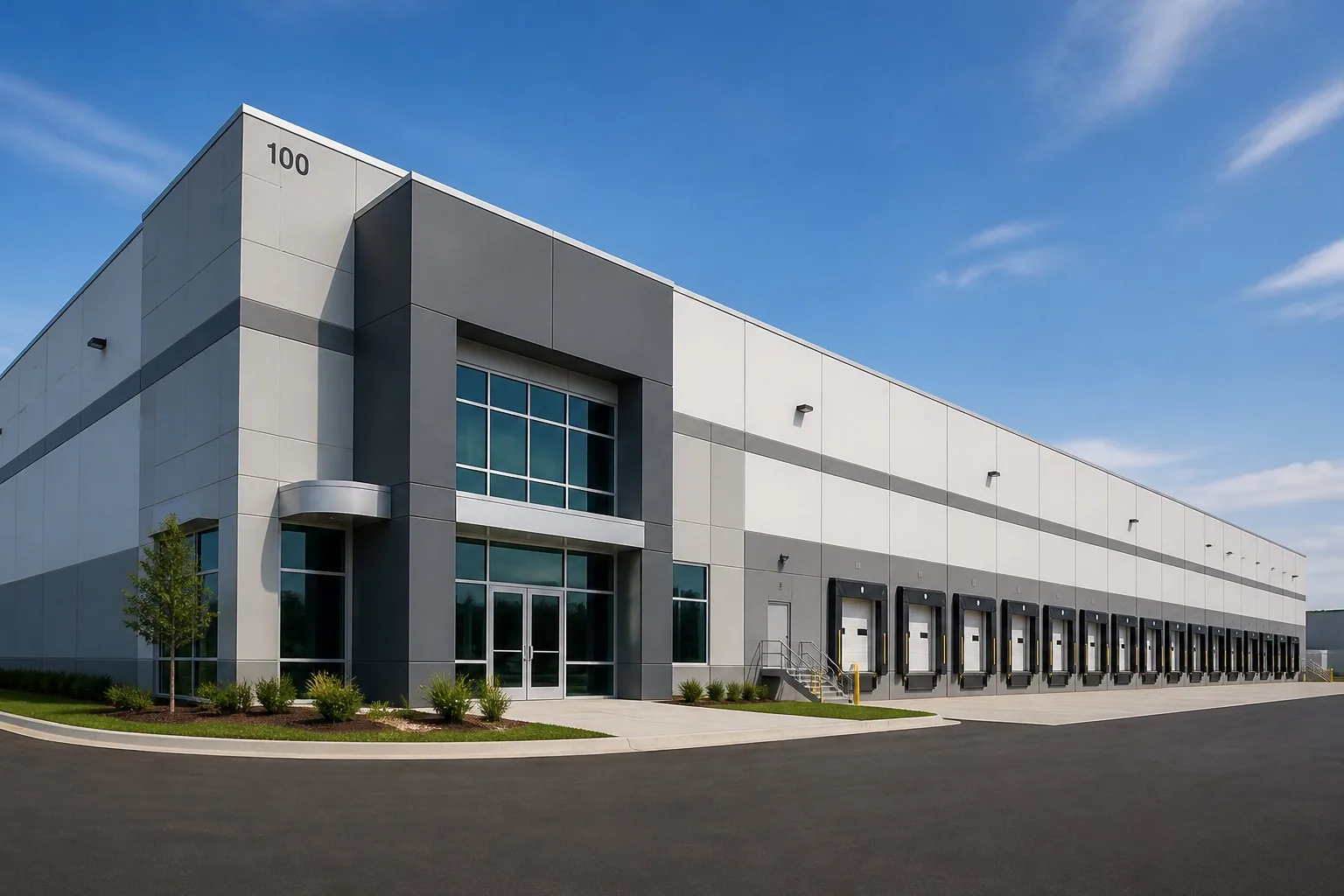
Distribution and Fulfillment Center Roofing
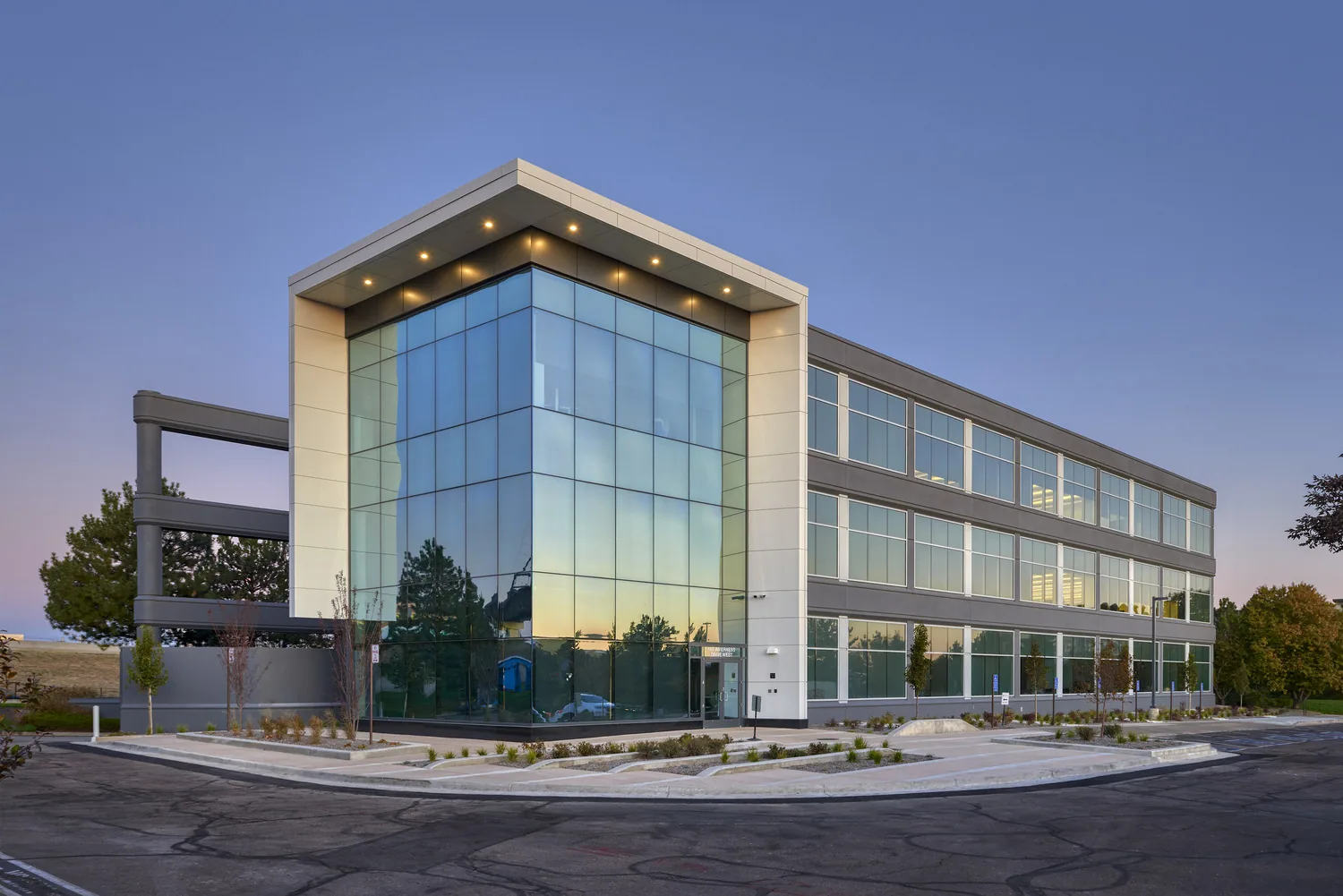
Office Building Roofing