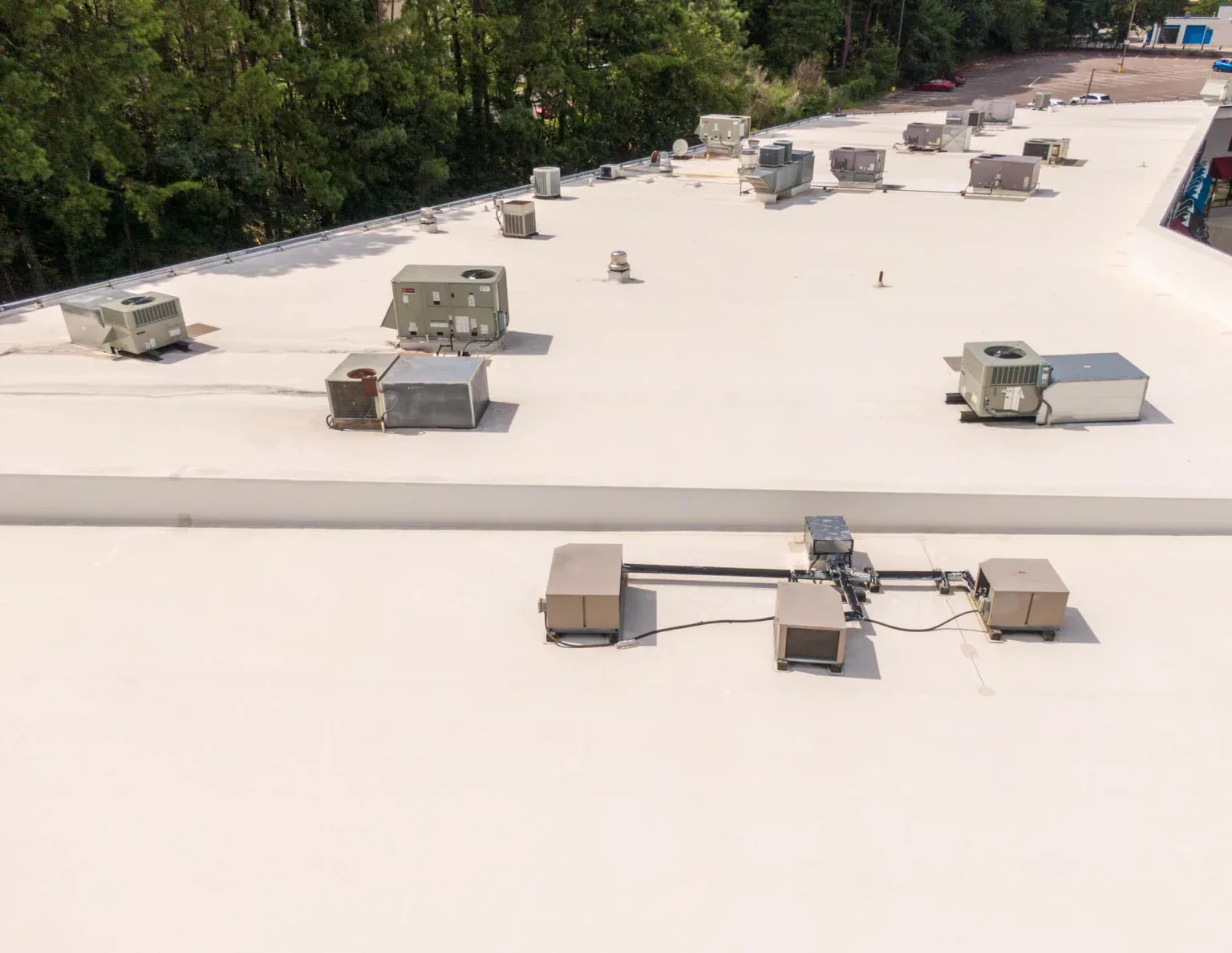
Silicone Roof Coatings in Gastonia, NC
Ponded water that stays on a flat roof two days after a rain, with a ring of dirt around it, is the finding that makes a roofer think of silicone. Most coatings do poorly under standing water. Silicone is built to take it. What that means for the owner is a possible alternative to replacement on a roof that is wet on top but dry underneath, if the roof passes a moisture test first.
Silicone work in Gastonia, NC comes after a test, never before it. We walk the roof, test the insulation, log the findings with photos and say in writing whether to coat or replace. After-hours leaks reach a crew too.
Know what silicone coating is
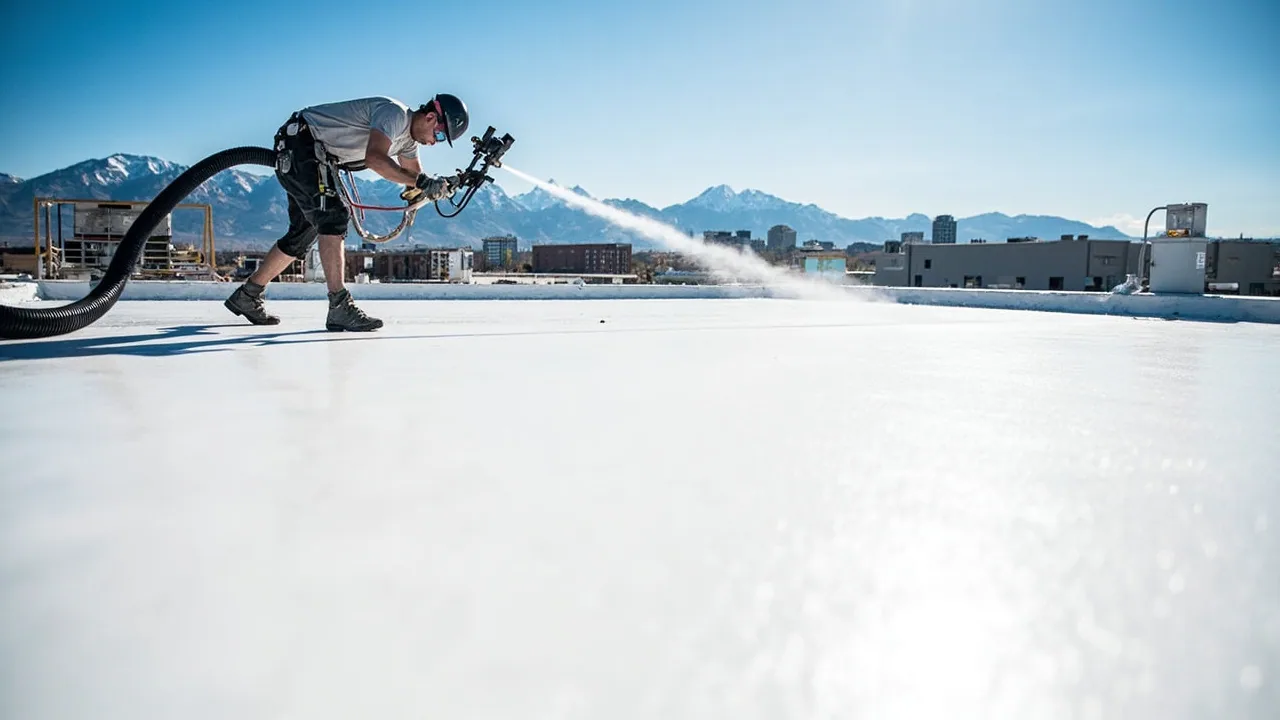
Silicone coating is a liquid-applied system that cures into a flexible, waterproof membrane on top of an existing roof. It sticks to many surfaces with the right primer, tolerates ponded water, resists ultraviolet light and stays flexible through temperature swings. It is usually white or light, so it reflects heat.
It is a restoration tool, not a repair for a failed roof. The roof underneath must be dry and sound enough to carry it. On a walk we probe the existing membrane, check seams and flashings, cut cores to look at the insulation and test adhesion on a small patch. If the roof passes, a coating can add years. If it does not, we say so.
Thickness is a specification, not a guess. A coating applied too thin wears early, and one applied too thick wastes money. The coating is applied in coats to a measured thickness, and we check it with gauges during the job and record the readings. That record shows the owner exactly what went onto the roof, the evidence a warranty claim or a lender might request later.
Count the cost of waiting
A modest line item compared with a tear-off is what a coating over a sound roof costs. Delay changes the arithmetic in two ways. First, a roof that is allowed to leak long enough wets its insulation, and then the coating option is gone. Second, a coating applied to a roof with failed seams hides the problem for a season and the leak returns.
Gastonia's summer highs average 90.7 degrees in July, yearly precipitation is about 44 inches and snow is rare at roughly 1.2 inches. Heat ages roofs and rain tests them. Next to each other go the options of repair and coat, recover or replace, each with its own decision date. The price moves with area, surface preparation, repairs made before coating, primer, coating thickness and access.
A coated roof carries its remaining service life on the capital line too. The coating is only a skin and skins pick up scuffs, so the roof is walked yearly and small damage is patched with the same material while it is small. That yearly walk produces a clear decision date for the next recoat, and the photo log makes that date visible.
Prepare the surface or skip the coating
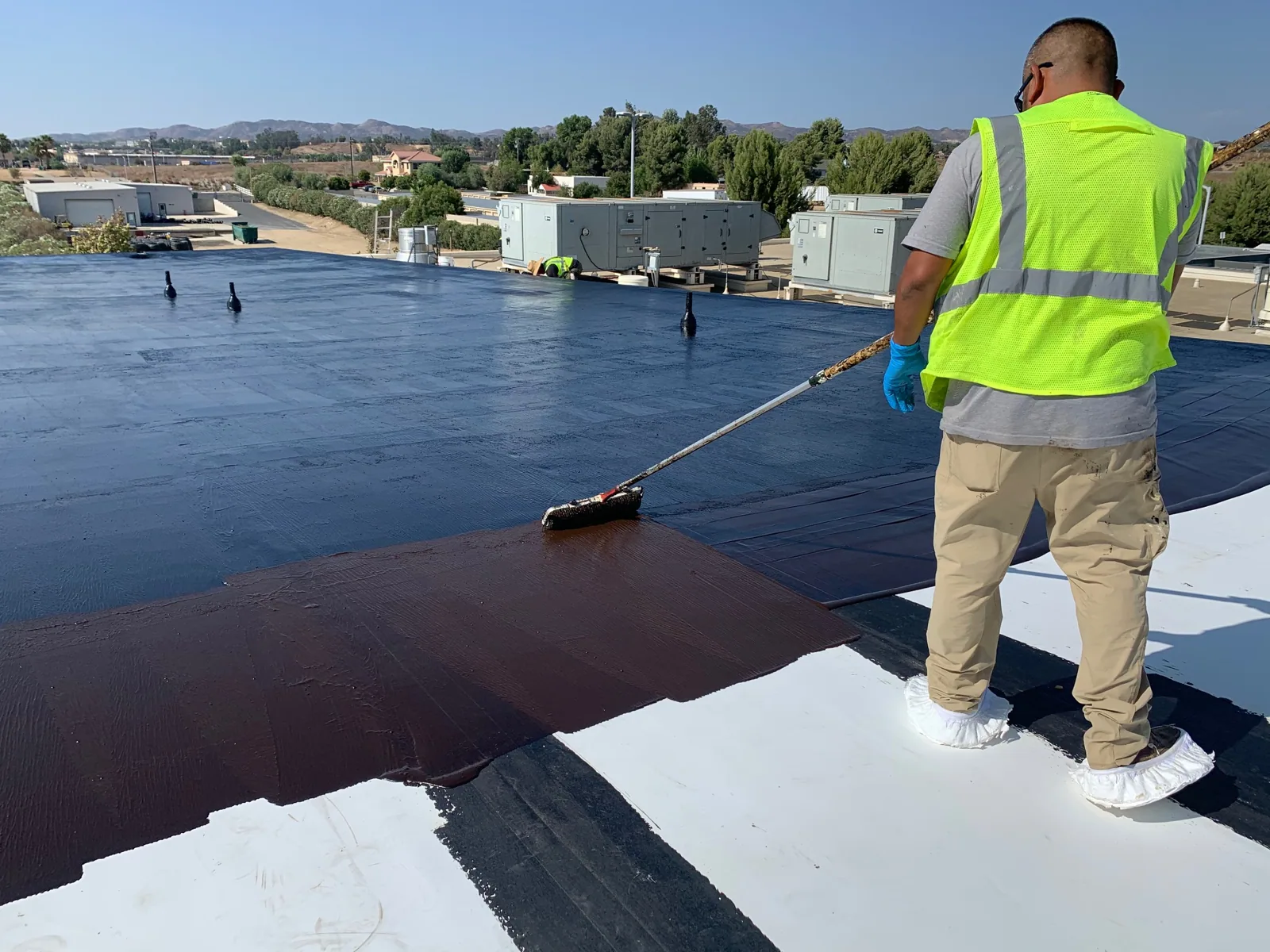
Preparation decides the outcome. Cleaning comes first, then removal of loose material, repair of seams and flashings, resetting of fasteners and treatment of rust. Adhesion is tested on a small area before the whole roof is coated. Any wet insulation is cut out and replaced first, because a coating over wet insulation traps the water.
Some surfaces need primer, and some do not. Some existing coatings are not compatible with silicone, so we test. If a roof has been coated before, we find out with what, since recoating is easier with a known base. A good coating job is mostly preparation, and the photo log records each step.
Fasteners and metal edges get their own prep. Rusted fasteners are reset or replaced and sealed, and metal edges are cleaned, treated and primed. A coating bridges small defects but not loose parts, and a loose edge under a new coating will lift in the first strong wind. We check edge metal and coping before the coating goes on.
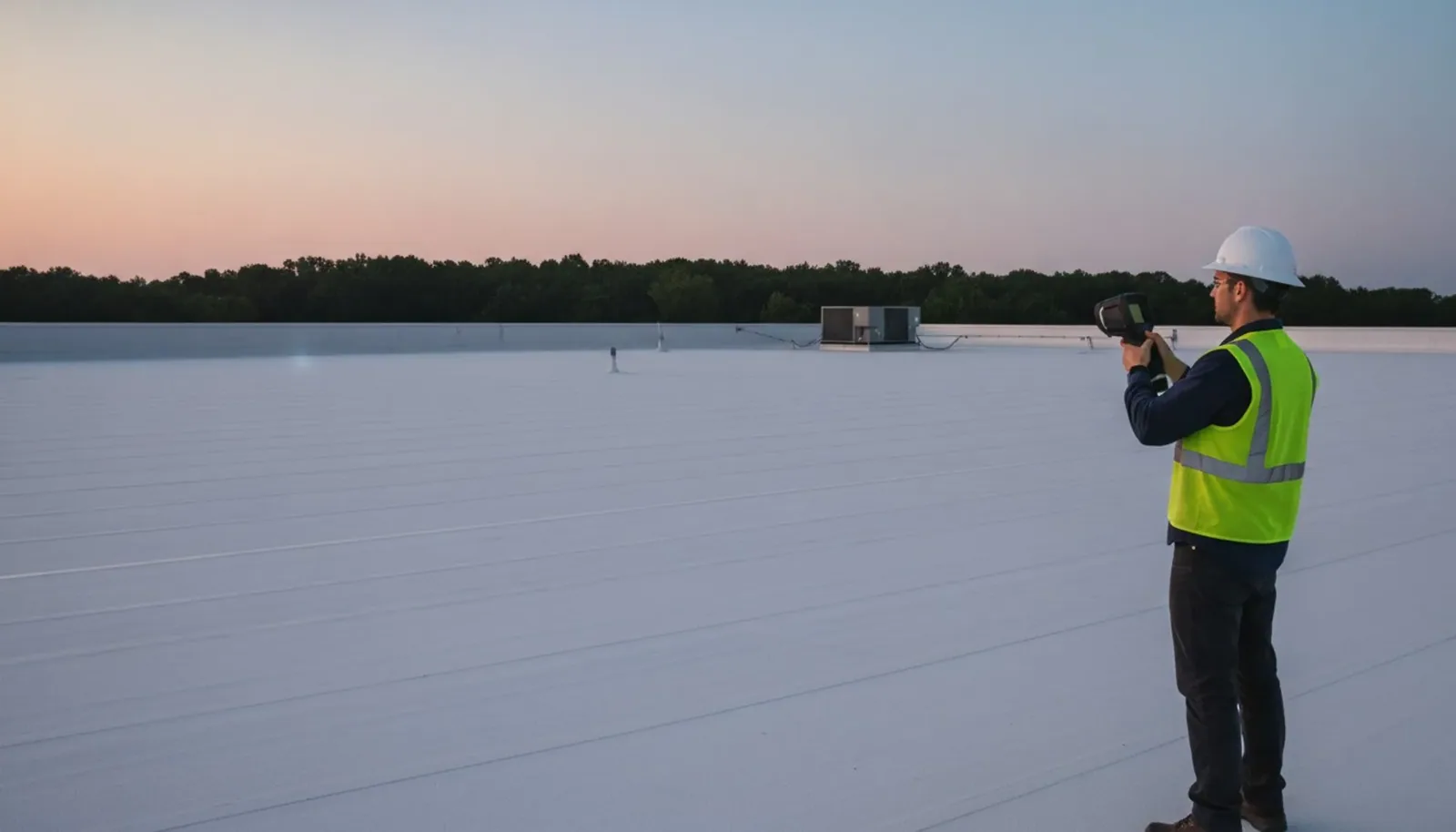
An infrared moisture survey before coating is the least costly protection the job has. It maps wet insulation across the roof, and cores confirm the map. Wet areas come out and are replaced, dry areas stay, and the coating goes over a roof that can actually hold it. The survey and cores go into the photo log with the adhesion test results.
Decide coat or replace
Coat only when the roof is dry, sound and mostly worn. Roof coating restoration done over a roof that has been cleaned and repaired can lengthen its service life, cool the surface and slow leaks at seams. Replacement comes into play once moisture has spread through the insulation, the sheet has split or the roof can no longer take a patch.
Compare silicone with acrylic coating, which costs less and does not tolerate ponding as well. Silicone can be applied over metal, modified bitumen, spray foam and some single-ply membranes. The choice rests on cores and a moisture survey, and the finding is put in writing.
Weather decides the calendar. Silicone needs a dry surface and workable temperatures, and Piedmont spring storm season can interrupt a job. The forecast sets the plan: a rain day is held in reserve, and work stops before dew or rain can reach an uncured coat. The decision date goes on the budget calendar so the roof is coated in a dry window, not squeezed in.
Safety on a coated roof deserves a line. A fresh silicone surface can be slick when wet, so walk paths with texture or granules are specified where crews and technicians will step. Edges and skylights get extra marking. The plan names the paths on the roof drawing, and the maintenance contractor receives a copy.
Place silicone on the right Gaston County roof
Between Gastonia and Lowell, Gateway85 covers roughly 365 acres and 2.4 million square feet of delivered buildings, while Gaston County built the 422-acre Class A campus of Gastonia Technology Park. Any low-slope roof can hold water at its low spots, and where a sound roof ponds, silicone is a candidate.
Older roofs need a plain look first. Mill roofs in the Loray area can carry several layers. A building at Gateway85 and a downtown mill roof are different jobs. An EF-1 tornado crossed Gaston County on May 8, 2024, so a coated roof gets its edges checked after storms.
Commercial Roofing Questions
Can silicone coating go over a roof that ponds?
Yes. Silicone tolerates standing water better than most coatings. We still log the ponds, and where a drain fix or tapered insulation is practical, we recommend it as well.
Will a coating stop a leak?
Minor seam leaks on a sound, dry roof, yes. Wet insulation or failed seams, no. We repair first, test moisture, then coat.
How is silicone different from acrylic?
Silicone tolerates ponding and stays flexible. Acrylic costs less but suits roofs that drain well. The choice depends on the roof, the budget and the exposure.
Does silicone pick up dirt?
Dirt tends to cling, because the surface stays slightly tacky in heat, and it reduces reflectivity over time. We discuss cleaning and expected appearance before the job.
What do you need before testing a roof for coating?
Send the roof age, any coating history, leak history and repair invoices. The written findings give a plain coat-or-replace answer.
Topic
Silicone Roof Coatings
Roof Types
Low-slope and metal
Related Roofing Work
Infrared Roof Moisture Surveys
Roof Coating and Restoration