Roof Systems
Standing on a Gastonia, NC warehouse roof in August, the membrane is too hot to touch with a bare hand. July highs average about 90.7 F here, and the sun works on the same white sheet every afternoon. That heat is the first thing we weigh when an owner asks which system should go on a building, because a membrane that handles Gaston County summers well is not always the one that handles foot traffic from a rooftop unit or ponding at a low drain.
TPO Roofing
PVC Roofing
EPDM Roofing
KEE Roofing
Modified Bitumen Roofing
Built-Up Roofing
Standing Seam Metal Roofing
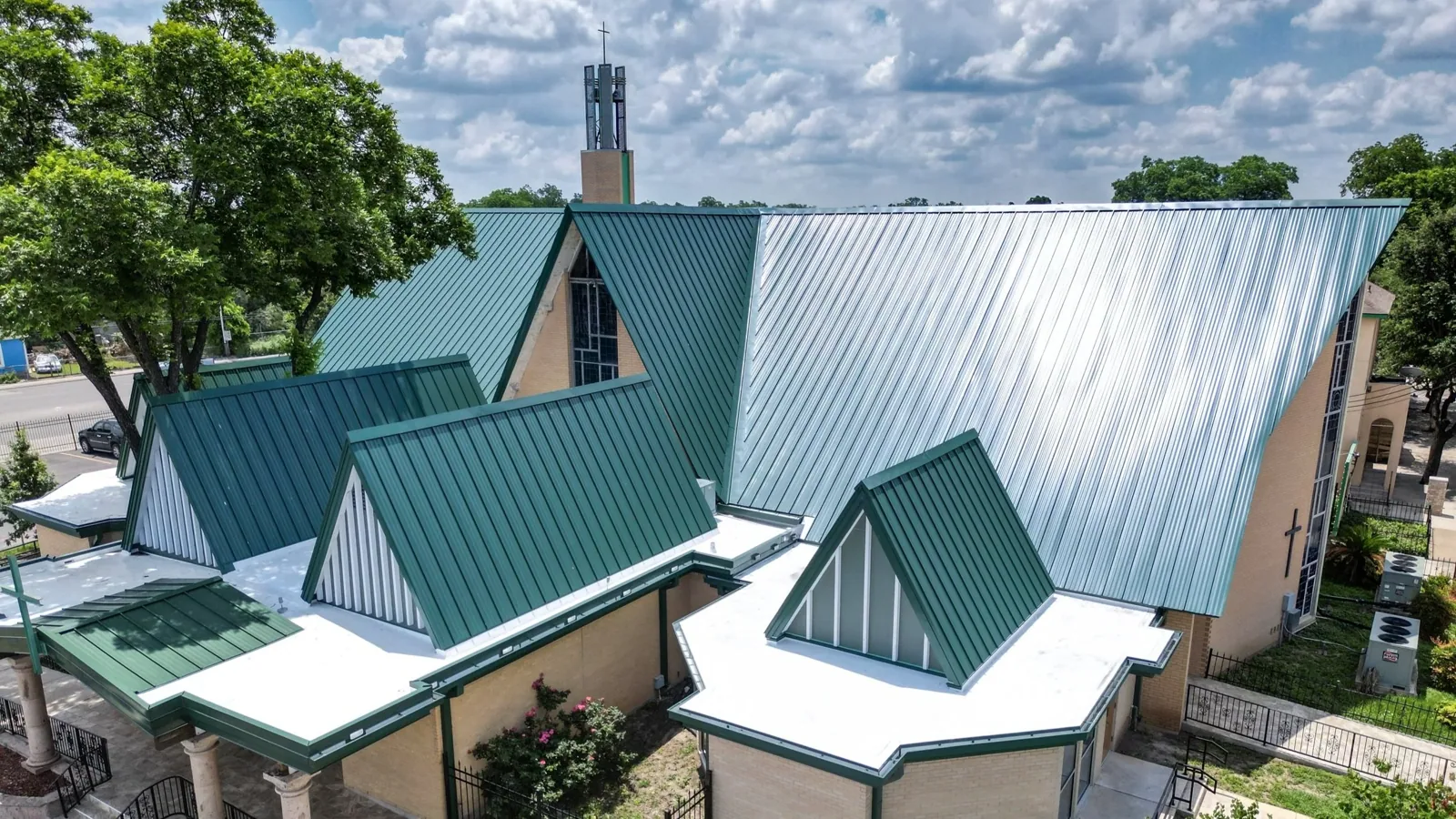
Metal Roof Retrofit and Restoration
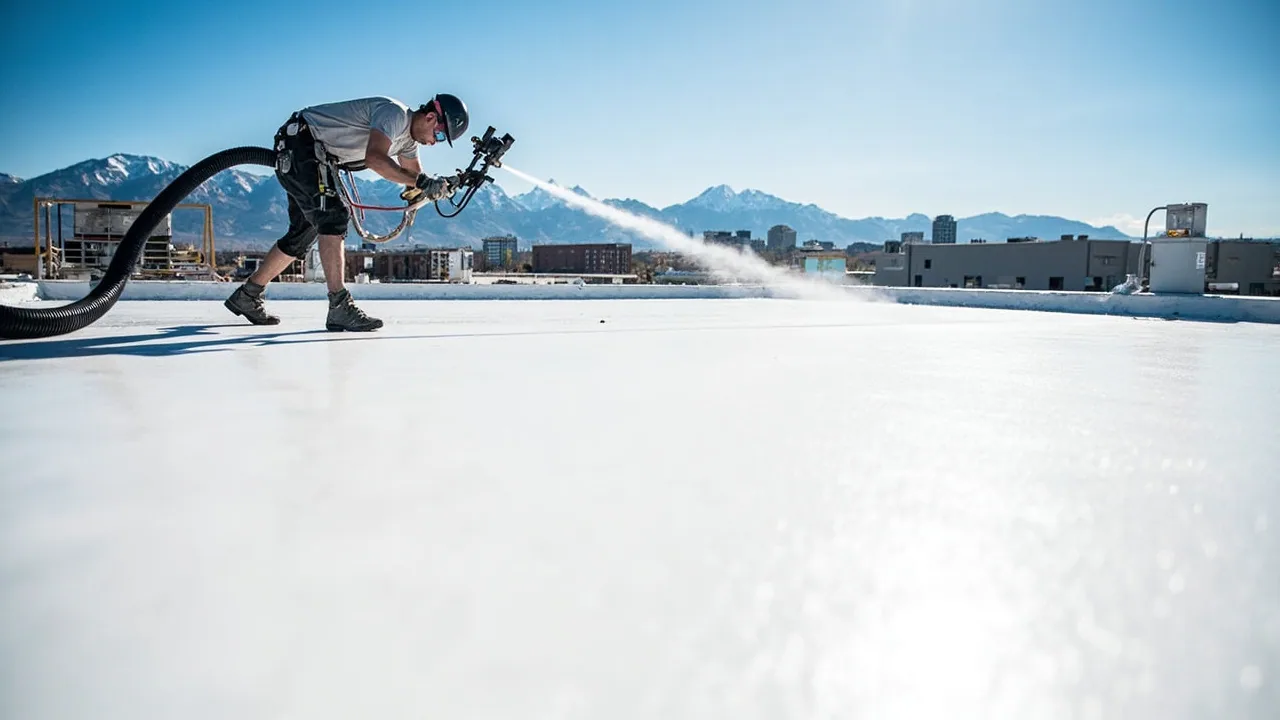
Spray Polyurethane Foam Roofing
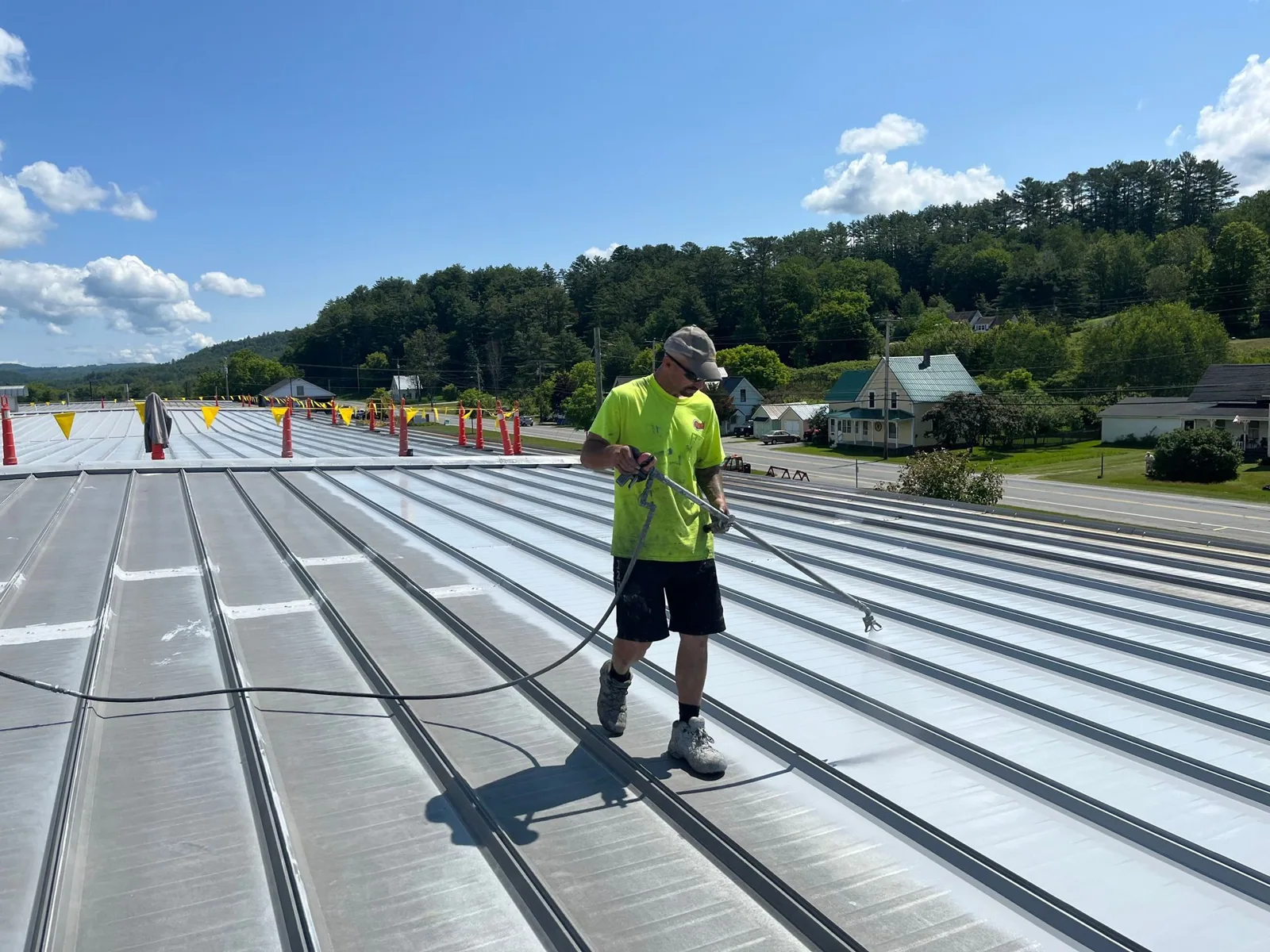
Silicone Roof Coatings
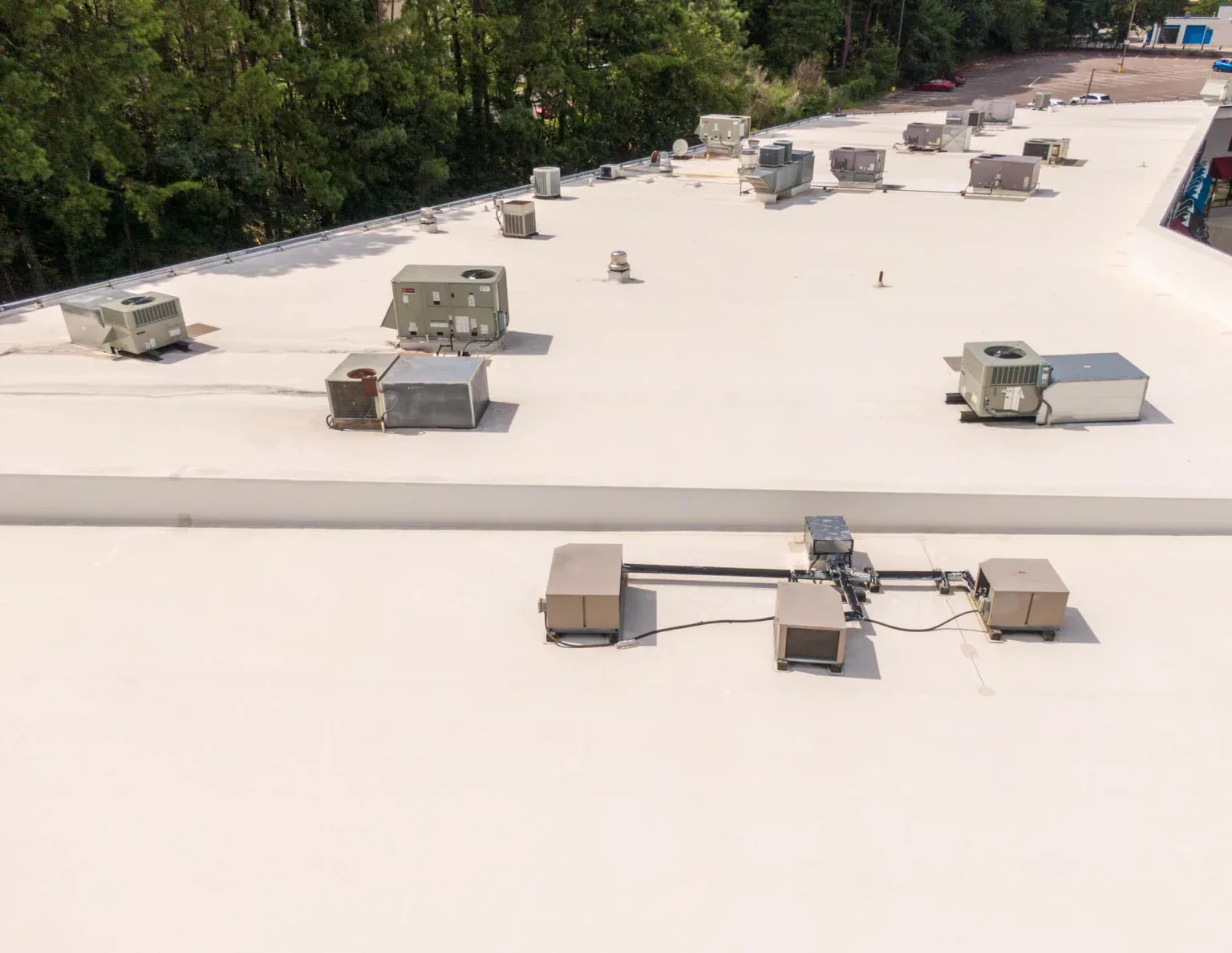
Acrylic Roof Coatings
Choose a Single-Ply for the Long Flat Roofs
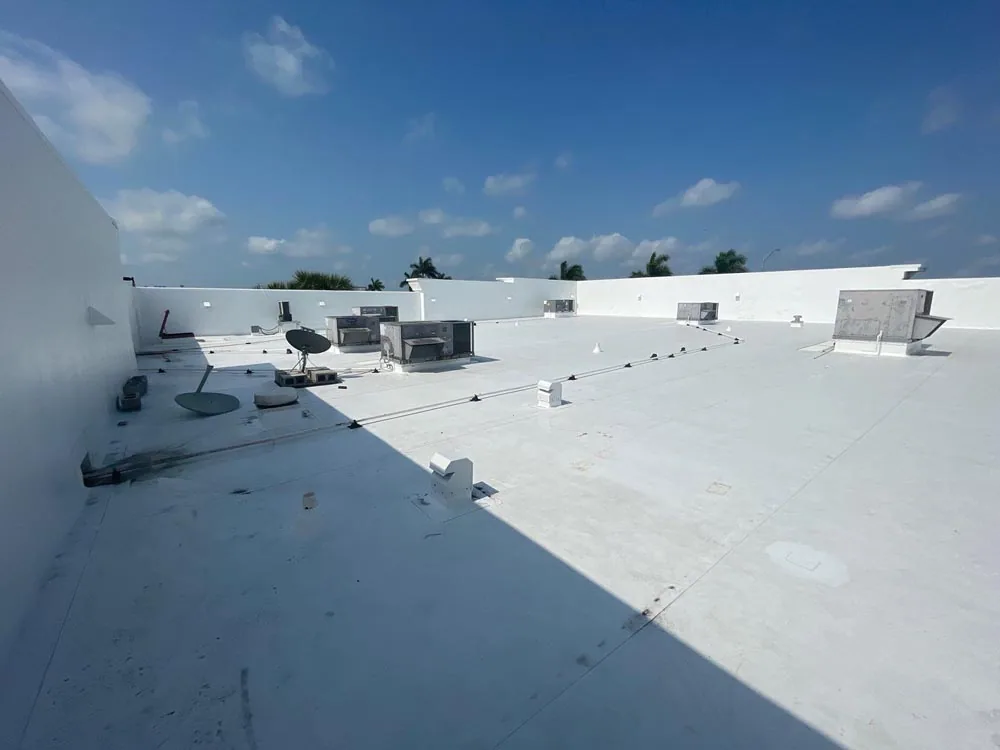
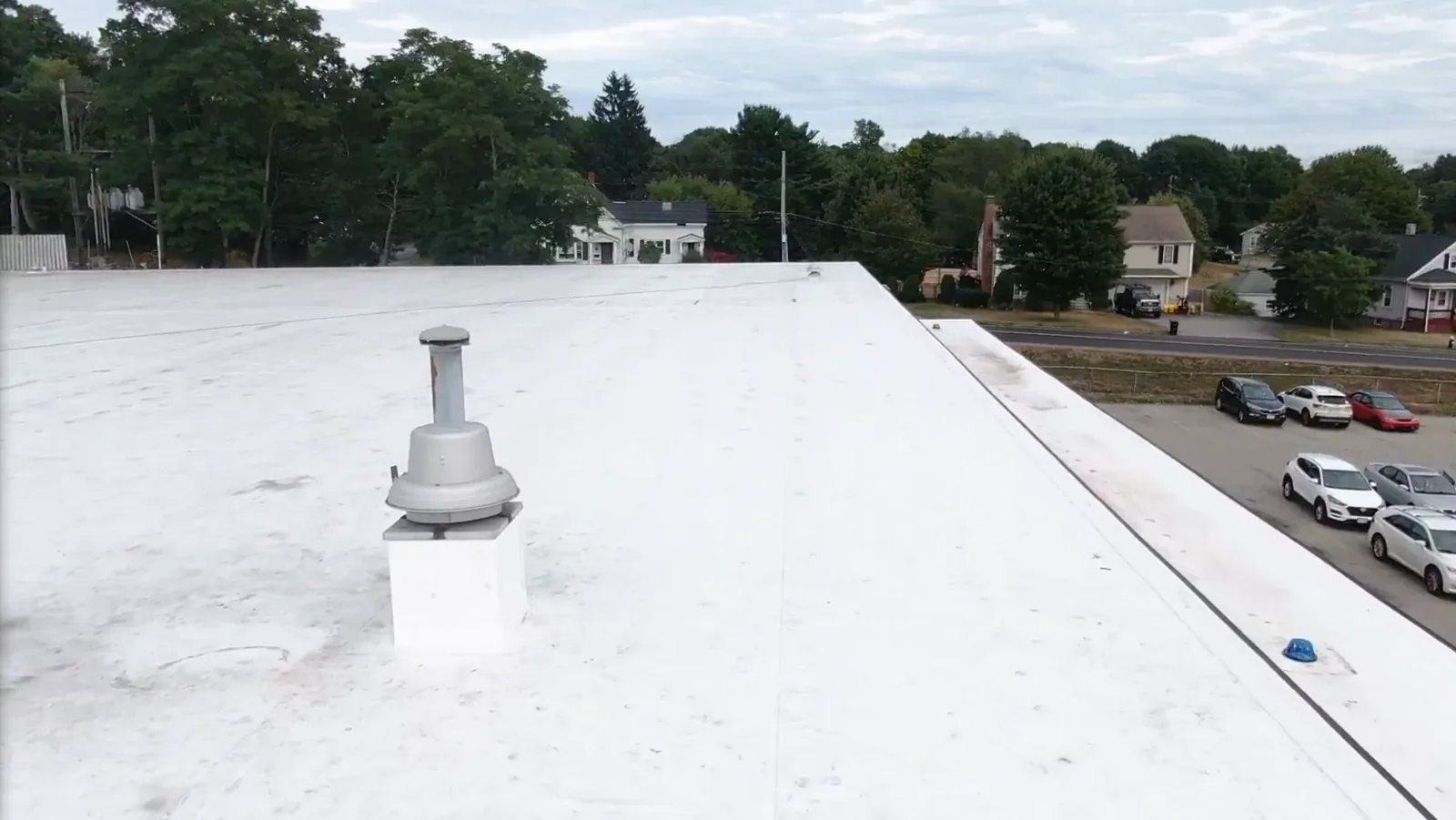
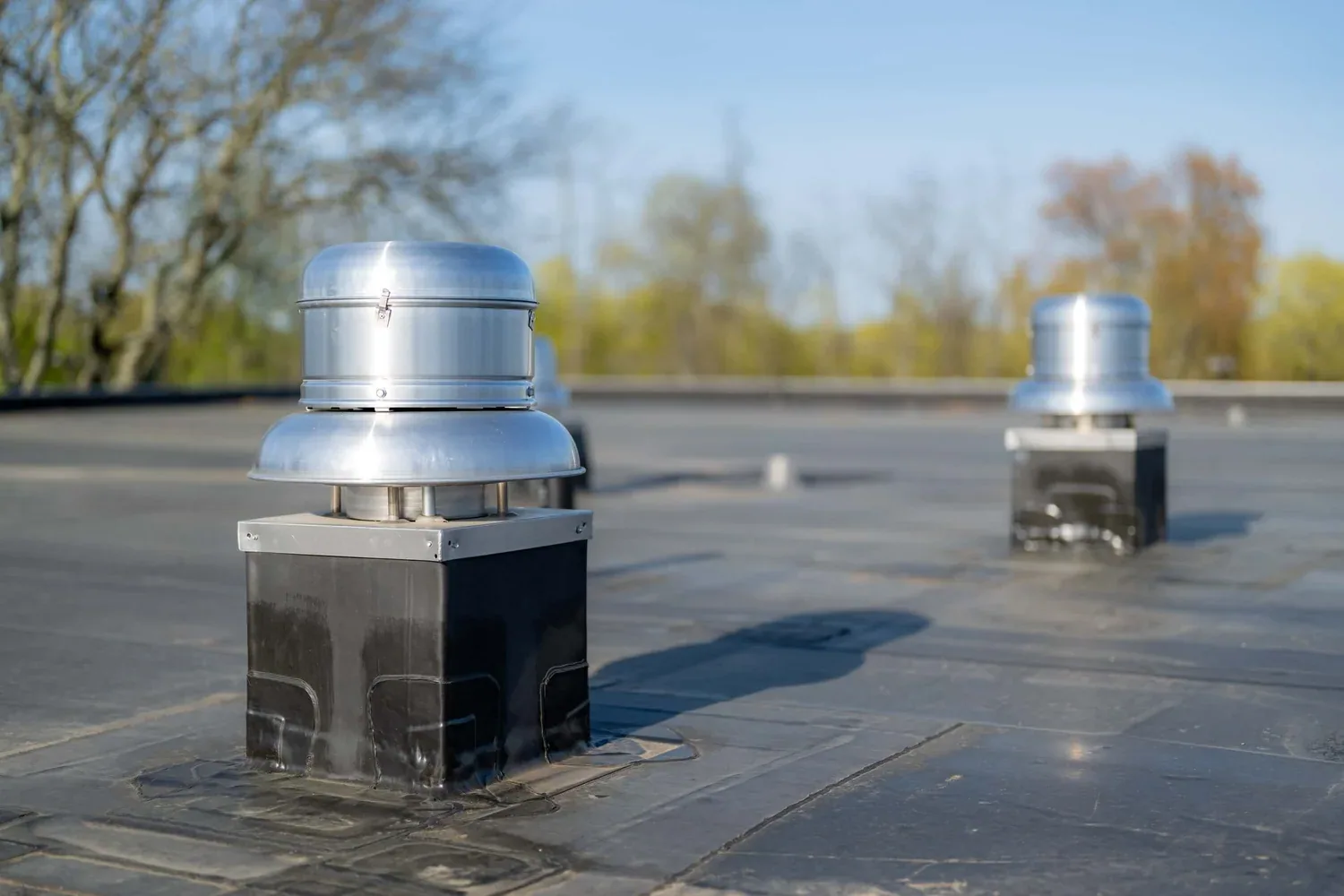
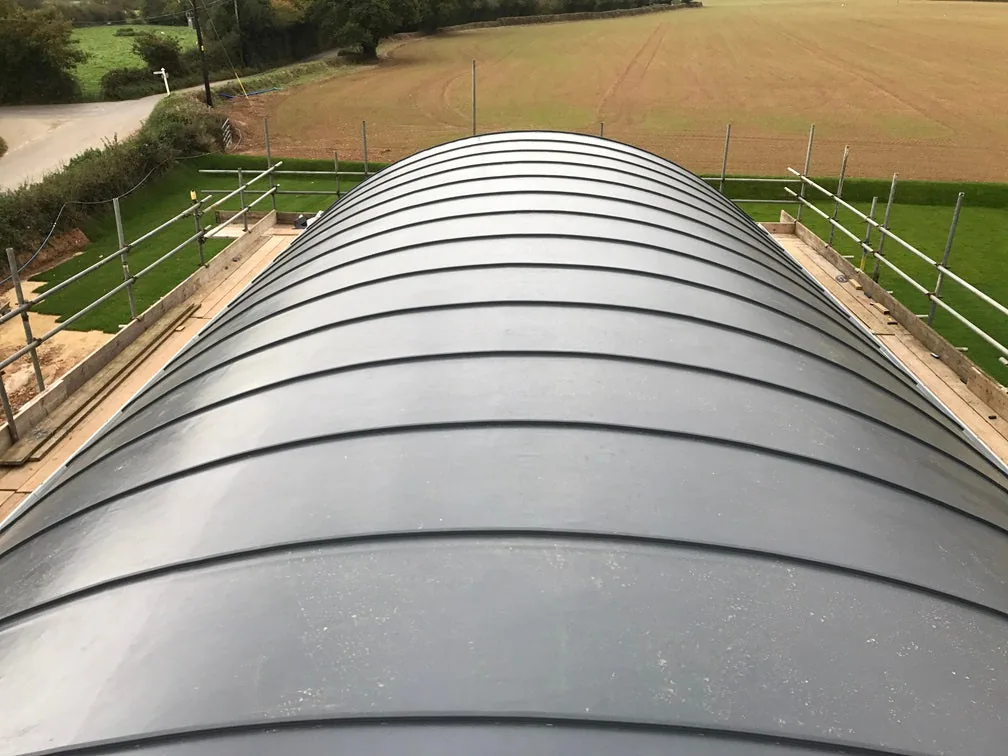
Long, mostly flat distribution and manufacturing roofs are where single-ply sheets earn their keep. TPO is a heat-welded white membrane that reflects summer sun and keeps cooling loads down. PVC resists grease, oils and chemical exhaust, which matters near restaurants and process plants. EPDM is a rubber sheet with a long record on large, simple roofs, and KEE-based membranes add plasticizer resistance where the surface sees harsher chemistry.
Weigh the Layered Roofs Against the Old Mill Stock
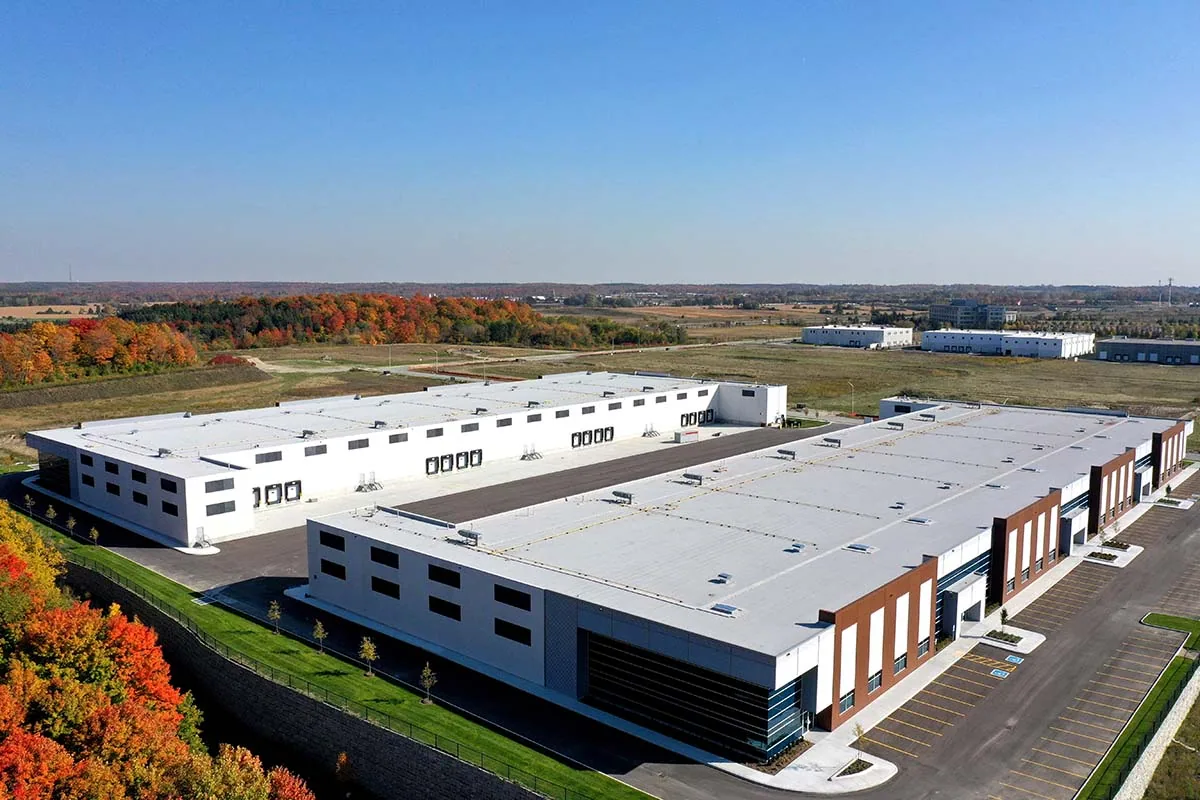
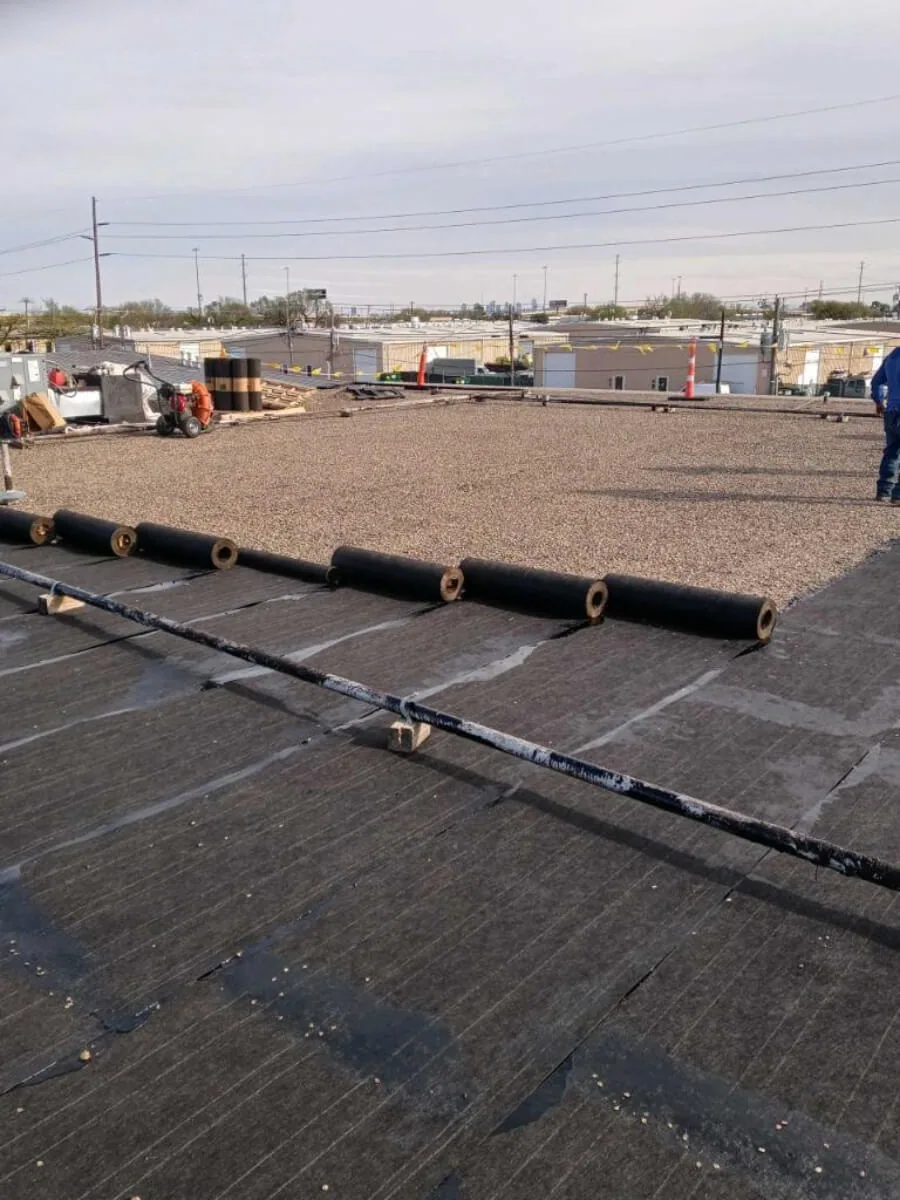
Gaston County led the country in cotton spindles, and the five-story Loray Mill and others like it are being converted to apartments and mixed use. Where a mill roof is layered, built-up roofing and modified bitumen are the repair families that tie into it, with multiple plies, torch or cold-applied seams and a surface that stands up to foot traffic. A conversion still has to work with the parapets and penetrations already in place, and a layered system is one option we price beside the single-ply alternatives.
Look at Metal When the Roof Must Shed Water Fast
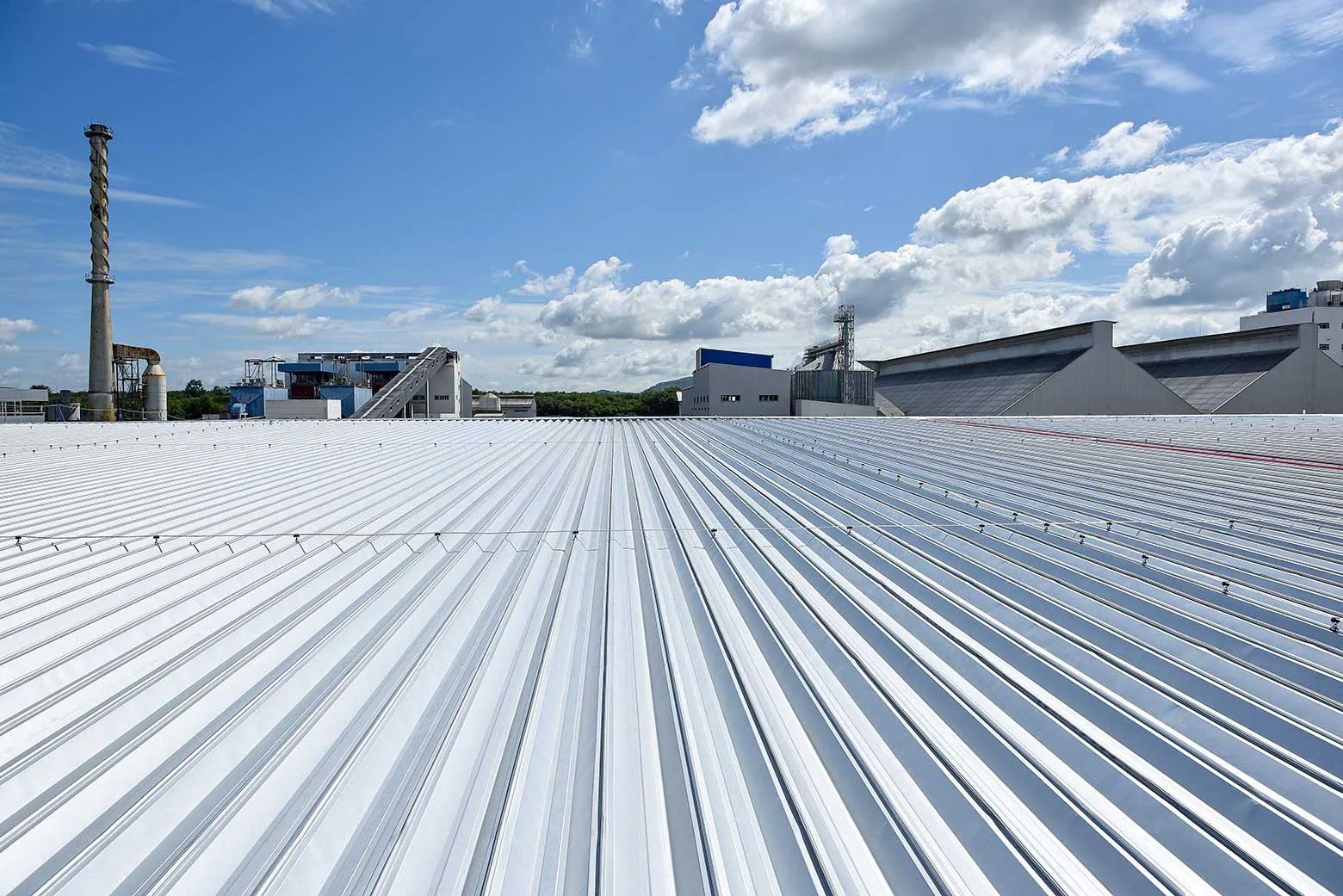
A standing seam metal roof sheds rain quickly and handles wind well when the clips and fasteners are set correctly. A metal retrofit goes over an existing sloped or low-slope roof when the structure can carry it, avoiding a tear-off. With 44 inches of rain a year and an EF-1 tornado on the May 2024 record, edge details and fastener spacing deserve more attention than the panel color.
Use Foam and Coatings to Stretch a Roof That Still Has Life
When the membrane has aged but the insulation is dry, spray polyurethane foam adds insulation and a continuous surface, and silicone or acrylic coatings restore reflectivity and seal minor seam wear. Silicone tolerates standing water better than acrylic, which is why ponding at a drain changes the coating choice. A moisture survey comes first, because coating over wet insulation only hides the problem.
Match the System to the Building
The industrial buildings at Gateway85 and the Gastonia Technology Park make seam strength and drainage the first questions on any plant or distribution roof we price there. For a warehouse roof, insulation value and the cost of downtime weigh heavily. We put the options on paper with remaining service life and cost, and you pick.
Commercial Roofing Questions
Which system lasts longest in Gastonia heat?
No sheet wins on its own. Seam quality, drainage and how often the roof is maintained decide how long any of them lasts in 91 F summers.
When does a coating beat a replacement?
A coating works when the insulation is dry and the membrane is sound enough to bond. A survey proves that before any material is ordered.
What does a silicone coating do that acrylic does not?
Silicone keeps its bond under standing water, which helps where a drain leaves a shallow pond after storms. Acrylic costs less and suits roofs that drain cleanly.
Can a new system go over the old one?
Sometimes. A recover saves the tear-off when the deck and insulation are dry, and a metal retrofit can cover a tired roof when the framing can carry it.