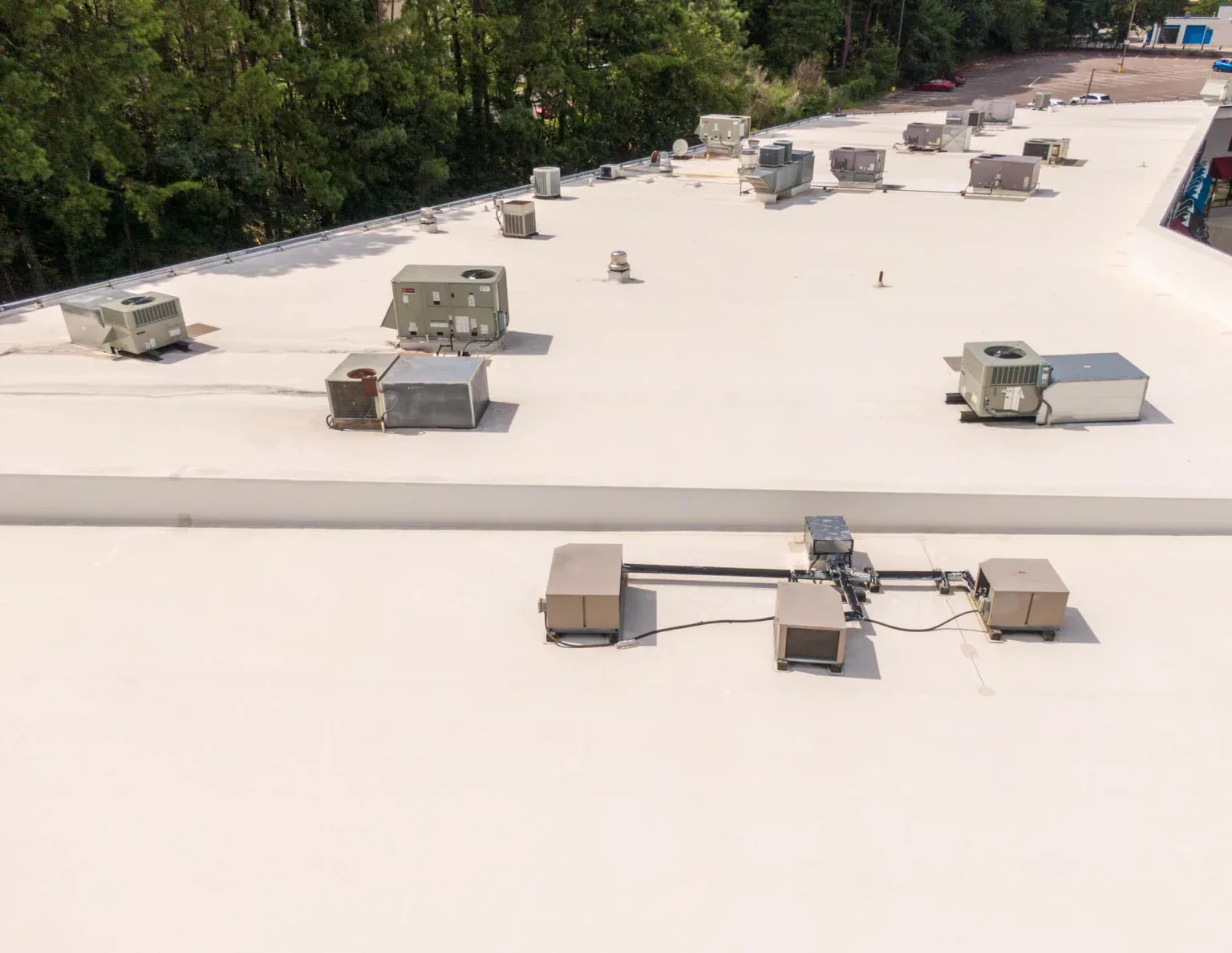

Spray Polyurethane Foam Roofing in Gastonia, NC
A patch of yellowed, chalky foam showing through a worn-out coating is the finding a roofer sees on a spray foam roof that has missed a recoat. The foam is the insulation and the waterproofing in one layer, and the coating is the only thing keeping sun off it. What that means for the owner is a date: recoat while the foam is sound and the job is small, or wait and pay for foam repair first.
Spray foam roofs in Gastonia, NC get a hands-on test: we press the foam, log each finding with photos and write back whether to repair, recoat or replace. A leak at any hour gets an answer.
Understand what SPF is
Spray polyurethane foam is a two-part liquid that expands on the roof into a rigid, joint-free layer of closed-cell foam, then gets a protective coating, usually silicone or acrylic, often with granules. The foam insulates and sheds water in a single joint-free layer. The coating shields it from sun and wear. Without the coating, ultraviolet light breaks the foam down.
On a walk we look at the coating first. Worn spots, blisters, cracks, thin areas and pinholes are the usual findings. We press suspect spots to feel for soft or wet foam, probe at flashings and drains and check for punctures from foot traffic and hail. A moisture survey and a few cores show whether water has entered the foam.
Pests and traffic leave their own marks. Birds peck soft foam, foot traffic crushes it at paths to equipment and dropped tools puncture the coating. Each is a small finding with a cheap fix if it is caught early, and a leak path if it is not. We photograph each, mark it on the plan and recommend walk pads where traffic is regular, since a protected path costs far less than a repaired one.
Drains and edges get a close look. Foam is sprayed to slope in some places, and a ponded area can hold water on a coating that was not meant for it. Silicone tolerates ponding better than acrylic, which matters for the recoat choice. We log every pond, measure depth where it counts and note whether the cause is a drain, a low area or a coating failure.
Count the cost of waiting
A recoat over sound foam is a modest line item and restarts the clock on the coating. Foam that has been exposed too long loses surface and then thickness, and the repair adds material before the coating can go on. Foam that has absorbed water has to come out.
Bare foam has a hard life where July highs average 90.7 degrees and about 44 inches of rain fall in a year: sun breaks down the surface, and rain finds the openings. The options sit together: repair, recoat, recover or replace, each carrying its own decision date. Price depends on area, foam depth, wet material, access, penetrations and the coating system.
Foam holds its remaining service life in the coating, so the capital line watches the coating first. Sound foam under a worn coating gets recoated. Wet foam means replacement pricing, started while there is time to compare bids. Foam in the middle gets a limited repair, and the next walk shows whether replacement moves up. A maintenance program keeps the coating check on a calendar.
Insulation value is part of the budget story. Foam adds insulation as it is sprayed, and a roof with thin or damaged foam loses that value. We note foam thickness at each core and compare it with the original, so the owner sees whether a repair restores the insulating value or only the waterproofing.
Decide recoat or replace
Recoat when the foam is dry and sound and the coating is worn. Clean the surface, repair blisters and thin areas, then apply a new coating system. Silicone coatings and acrylic coatings are the usual choices, and the better pick depends on ponding, exposure and budget. On a dry foam roof, a recoat is often the best use of a budget line.
Repair when damage is local: cut out wet or damaged foam, respray and recoat. Replace when moisture has spread through the foam or the foam has deteriorated across the roof. A new roof may be foam again or another system such as TPO, depending on traffic, exposure and budget. Core cuts and a moisture survey back the choice.
Timing matters more for foam than for most systems. Spraying needs dry surfaces, moderate wind and workable temperatures, so we plan dates around the Piedmont weather and keep a rain day in reserve. Overspray is controlled with screens and masking so cars, glass and neighbors are protected. A roof is never sprayed in wind that would carry mist beyond the work area.
A coating warranty, where one is in force, has opinions about who may recoat and how. We read it first, write its limits into the scope and tell the owner before work starts if a planned recoat falls outside the terms. The photographs and product names from each recoat go into the same file, so the next owner inherits a record and not a guess.
Use foam where the building suits it
Foam conforms to odd shapes, which is why it appears on roofs with many curbs, pipes and level changes. Gaston County's legacy mill buildings can have complex roofs, and the five-story Loray Mill is among those being converted to apartments and mixed use. Whether foam is on any one of them is settled by coring the roof.
Wind and flying debris are the field risks. An EF-1 tornado brought estimated 110 mph winds across Gaston County on May 8, 2024, and Hurricane Hugo's remnants put 87 mph gusts over Charlotte in 1989, so a foam roof gets walked for punctures and lifted coatings after a hard storm. A walk in the downtown Gastonia mill district starts with a core, whatever the roof is thought to be.
A foam roof also sits well beside an infrared moisture survey, since the foam is a single layer and wet areas stand out. The survey is done after a storm or yearly, and the result goes into the photo log with the coating notes. The log lets an owner see wear rates and plan the next recoat without guessing.
Commercial Roofing Questions
Why does a spray foam roof need a coating?
Ultraviolet light breaks down bare foam. The coating shields it, and it wears over time. We inspect it each year and recoat before the foam is exposed.
How often should a foam roof be recoated?
That depends on the coating, the exposure and wear. We check the coating each walk, photograph thin areas and set a recoat date based on what we find.
Can wet foam be dried?
Rarely. Closed-cell foam that has absorbed water usually has to be cut out and replaced. A moisture survey and cores show the wet area so only that part comes out.
Is foam good for old mill roofs?
It conforms to complex shapes, so it can suit them. We core the existing roof first and check the structure, moisture and tear-off needs before recommending foam.
What should I send for a foam roof?
The roof age, coating history, leak history and repair invoices. Written findings come back with a plain answer on recoat, repair or replace.
Topic
Spray Polyurethane Foam Roofing
Roof Types
Low-slope and metal

Related Roofing Work
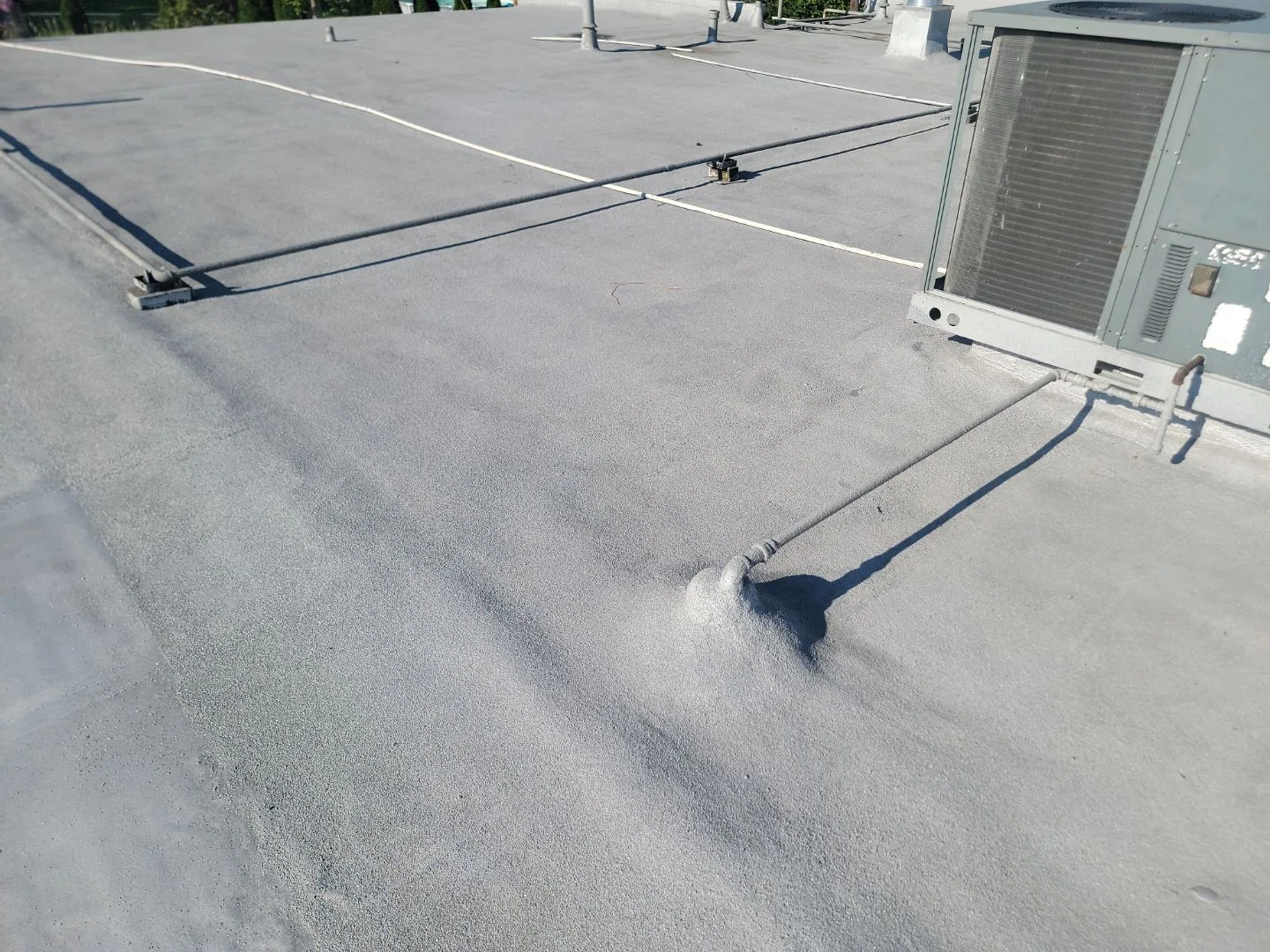
Preventive Roof Maintenance
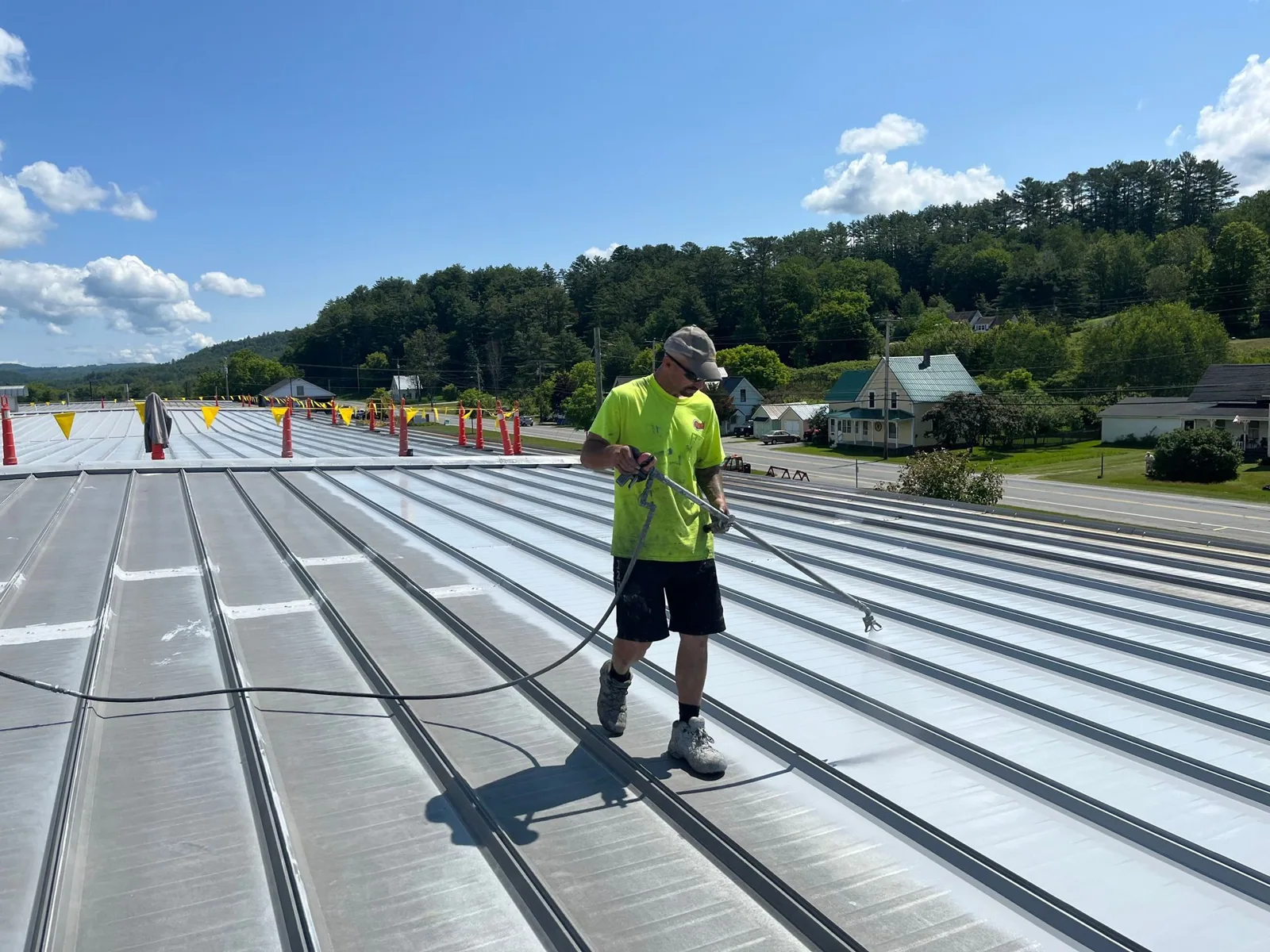
Silicone Roof Coatings