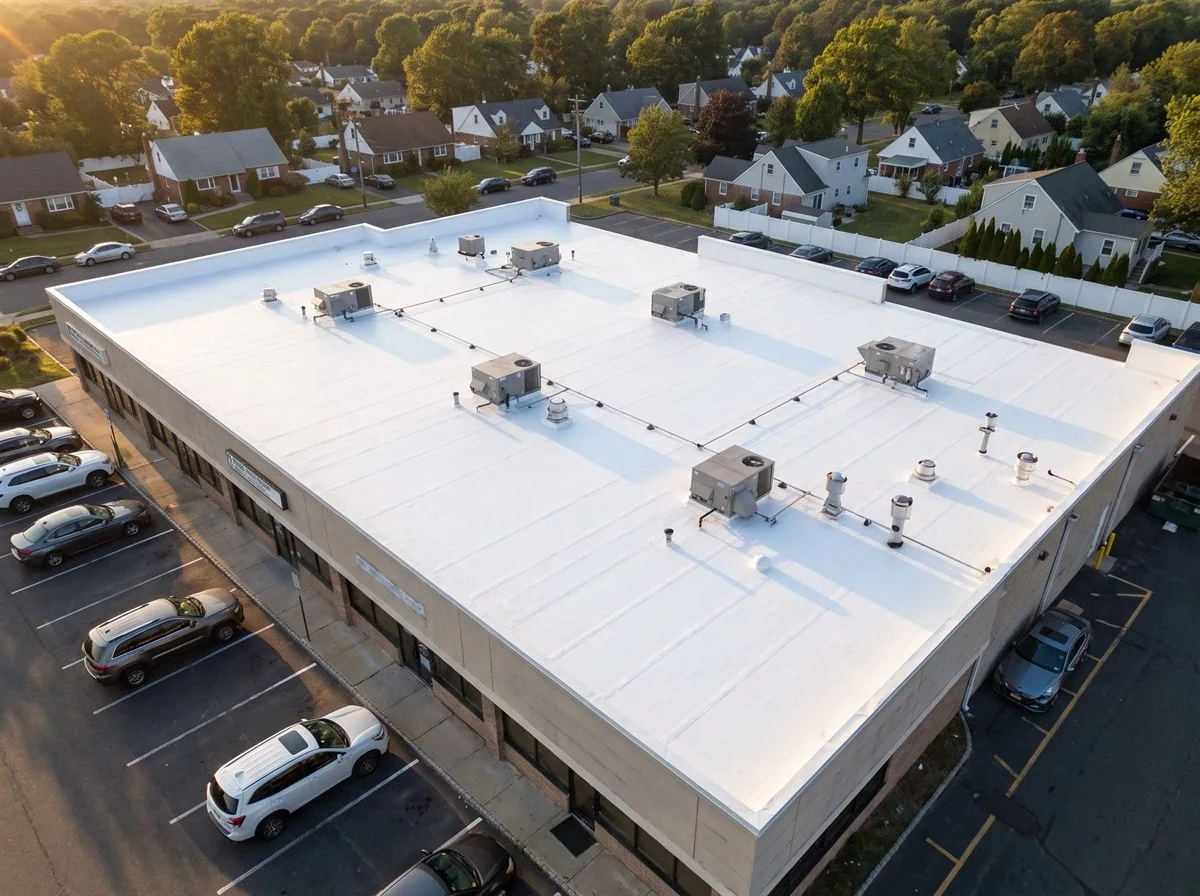
Distribution and Fulfillment Center Roofing in Gastonia, NC
A stain on a pallet of boxes just inside a dock door, three days after a storm, is one way a distribution center roof problem first reaches the operations manager. The roof did not fail at the door. It failed somewhere upstream, and the water walked along the deck to the first place it could drop. What that means for the owner is a question with a price on both sides: find the entry now for a small repair, or keep losing product to a leak nobody can locate.
Distribution and fulfillment centers in Gastonia, NC get a grid walk of the roof, a photo log of every finding and a written answer on repair or replace. Storm damage over a loading floor brings a crew at any hour.
Respect the scale of the roof
Distribution buildings are among the biggest in any market. Gateway85 covers about 365 acres between Gastonia and Lowell and was developed by NorthPoint Development; among the 2.4 million square feet already delivered is a distribution center of 1.5 million square feet opened in April 2023, and other buildings house Amazon and the US Postal Service. At least 1 million more square feet are planned.
Size changes how we work. A large roof has long runs of seam and many drains, and a small finding repeated across a big area adds up. We walk it in a grid, mark each finding on a plan and count them by area. The count shows whether a problem is local or building-wide, which decides whether the answer is a repair or a replacement.
Penetrations vary widely. Rooftop units for offices, smoke vents, skylights, exhaust fans and conduit runs each carry their own flashing. A smoke vent that does not seat tightly lets water in around its hinge, and a vent that sticks may not open in a fire, which makes the check a safety item as well as a roofing one. We open each vent, inspect the gasket and photograph the curb.
Walk the docks and the drains
Docks and drains are where distribution roofs show trouble. Dock canopies, wall terminations and door frames sit where trucks, forklifts and weather meet. On a big roof a clogged strainer or a failed drain bowl puts a lot of water on the membrane. The ponded water leaves a ring that shows how long it sat.
We test each drain and scupper, clear strainers, photograph the water line after rain and measure low spots. If a pond returns to the same place, we check the deck for sag and the drain for height. A drain and scupper check is the cheapest line in the plan, and the photo log shows when a pond stops being cosmetic.
Interior drainage can masquerade as a roof problem. A cracked pipe or a loose clamp inside the ceiling space drips onto product just as a roof leak does. Before blaming the membrane, we ask the maintenance team to check the piping, and we test the roof side if needed. The repair then goes to the right trade, and the roof is not patched for a problem it did not cause.
Weigh the wind and heat
One East Gastonia warehouse lost part of its roof when the May 8, 2024 EF-1 tornado, with estimated 110 mph winds, moved across Gaston County from west of Gastonia toward McAdenville and Belmont. That event is why edge metal, perimeter fasteners and corners get checked first on every distribution roof we walk.
Heat is the daily test: July highs in Gastonia average 90.7 degrees, and about 44 inches of precipitation fall in a year. A large dark or aging roof absorbs the heat, and seams and flashings move. A reflective surface helps, and a cool roof can lower surface temperature, but it does not fix open seams.
Price the cost of waiting
A seam repair is a small line item. The same seam left open through a wet spring lets water into the insulation, and the damage spreads across the insulation. The wet insulation must be removed, and the fix grows into a section of roof. A loss of product or a delayed shipment can cost more than the repair.
The owner sees four numbers for each roof section: a repair today, a limited repair that buys a season, a recover over dry insulation and a replacement. Wet insulation, access, drain count, rooftop units and the system chosen move each figure, and the decision date sits at the bottom of the page for a partner or lender.
A section with sound insulation and a worn membrane earns upkeep until a core says otherwise. A section nearing the end of its run goes onto the capital calendar with lead time to order material and book a start that leaves the docks working. Sections between those poles get a limited repair, and the following walk shows whether the replacement date moves closer.
Choose repair or replace
Repair fits a roof whose insulation is dry and whose failures are few. Commercial roof repair on a dry distribution roof is often the best use of a line item. A recover fits when the old roof can still bond and its insulation is dry; a recover avoids tear-off and keeps the building in use.
Replace when moisture has spread or the membrane has aged past holding a repair. Systems such as TPO and metal retrofit are common. Work is phased by bay so docks stay open, racking and sprinklers are protected and each section is closed in daily. The written answer includes a plain statement of remaining service life.
Moisture mapping settles the scope. An infrared moisture survey shows wet insulation without cutting the roof, and cores confirm it. With the map, a repair is cut to the wet area, and the owner pays for the roof that is actually bad. On a roof this large, the difference between replacing everything and replacing the wet bays is substantial.
Keep the log current
A distribution roof lasts longer on a schedule. Two walks a year, before spring storm season and after leaf fall, clear drains, check seams and edges and add to the photo log. A warehouse roof on a smaller site follows the same routine, as does a manufacturing plant beside it. When two or three small items stack up, the log shows it, and the owner can act before a leak lands on stock.
Commercial Roofing Questions
Why does a dock door leak when the roof is far above?
Water enters upstream, runs along the deck and drops at the first gap. We trace the wet path with a moisture survey and cores to the real entry point.
Can a distribution center stay open during a roof replacement?
Yes, in most layouts. We work in sections by bay, keep dock lanes clear, protect racking and sprinklers and close in each section daily.
What does a storm like May 2024 change about my inspection plan?
It moves the edges to the front of the list. Perimeter metal, corner fasteners and termination bars get checked first after any hard storm, and the photographs are compared with the last set.
How do you inspect a roof this large?
In a grid, perimeter first, then drains, then seams and curbs. Each finding is photographed and counted by area, so we know whether a problem is local or building-wide.
What helps before a distribution roof walk?
The roof age, building layout, dock count, leak history and repair invoices. A written findings summary follows, answering repair or replace plainly.
Topic
Distribution and Fulfillment Center Roofing
Roof Types
Low-slope and metal
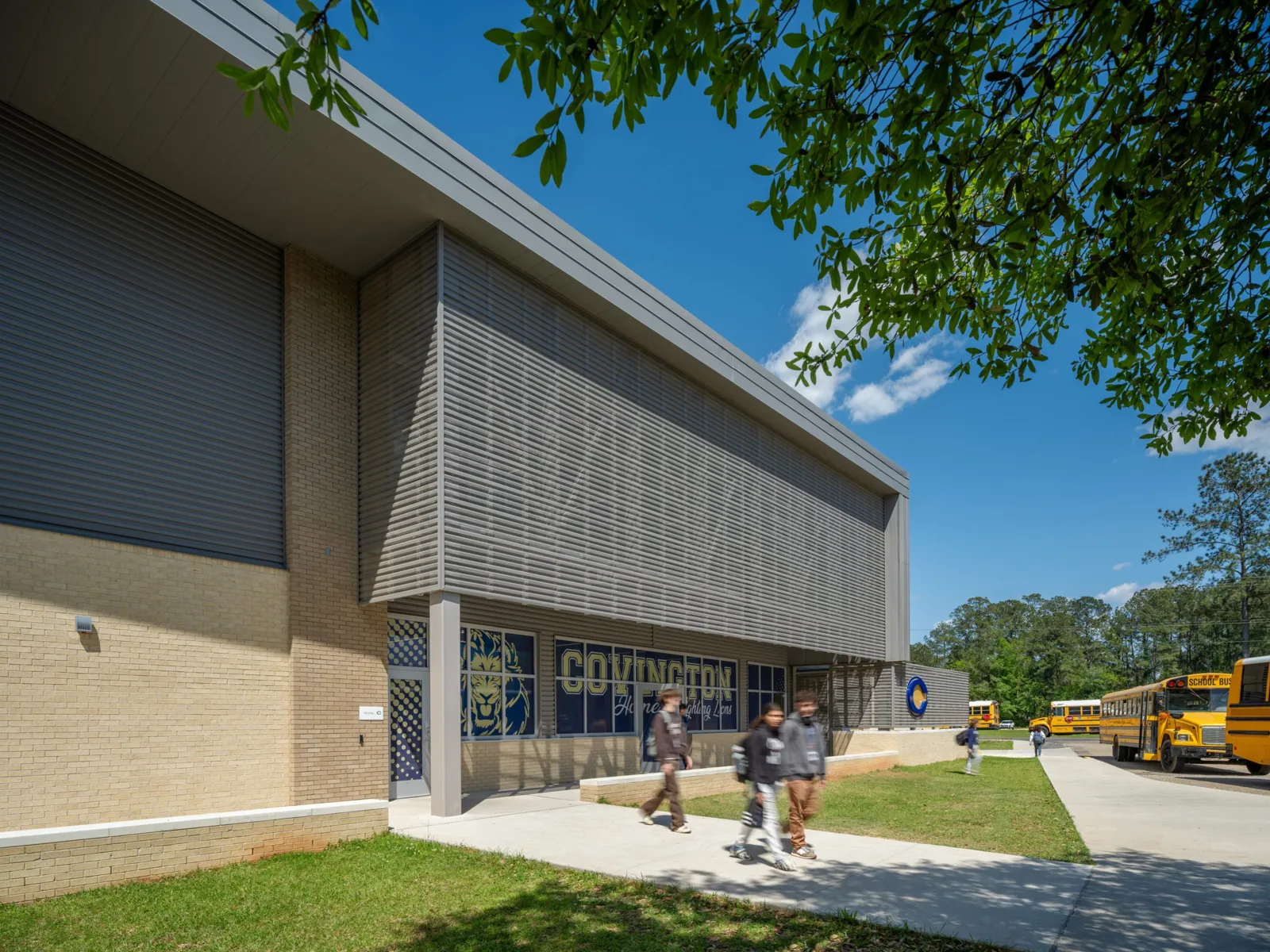
Related Roofing Work
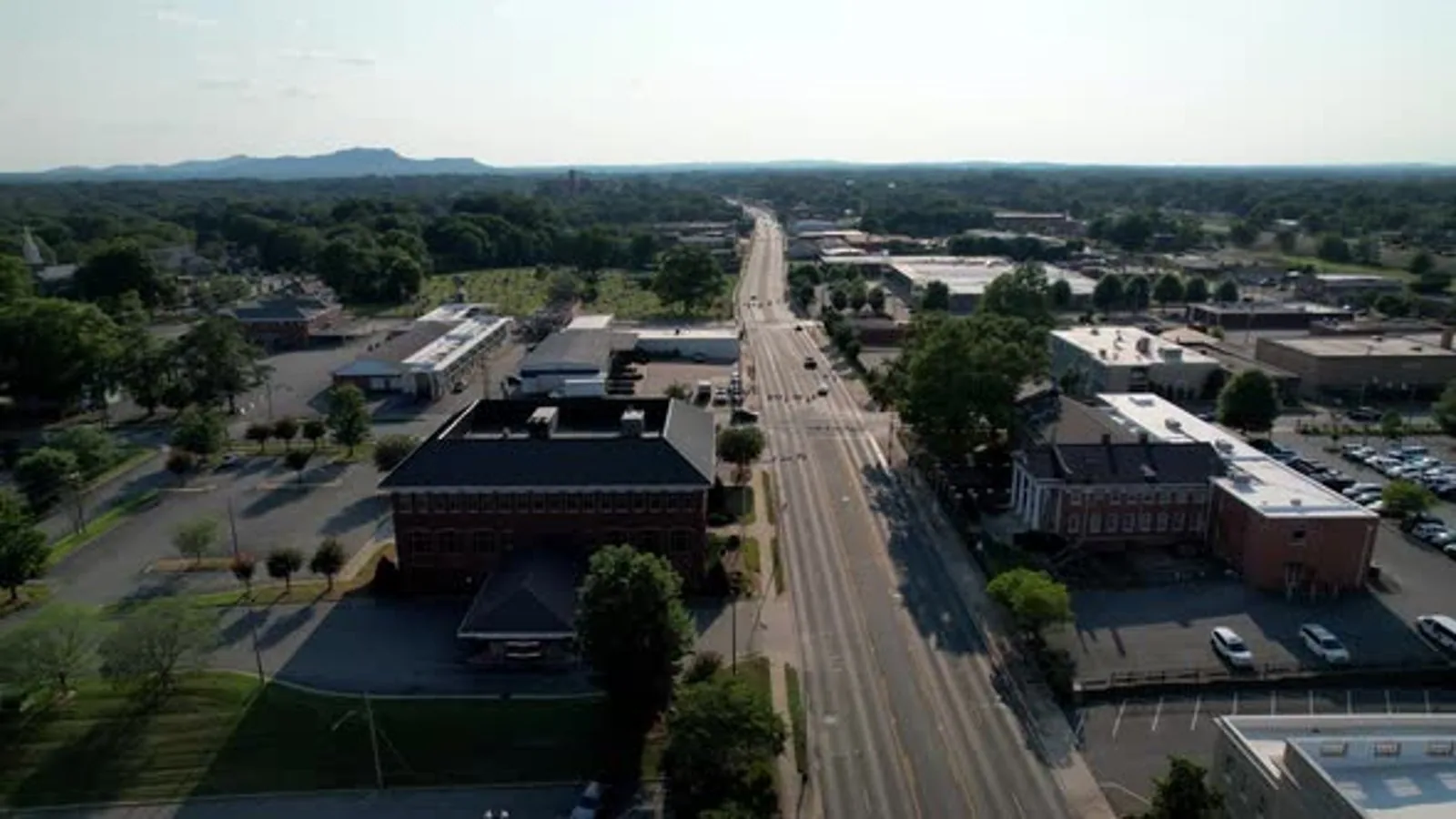
Gateway85 Industrial Corridor
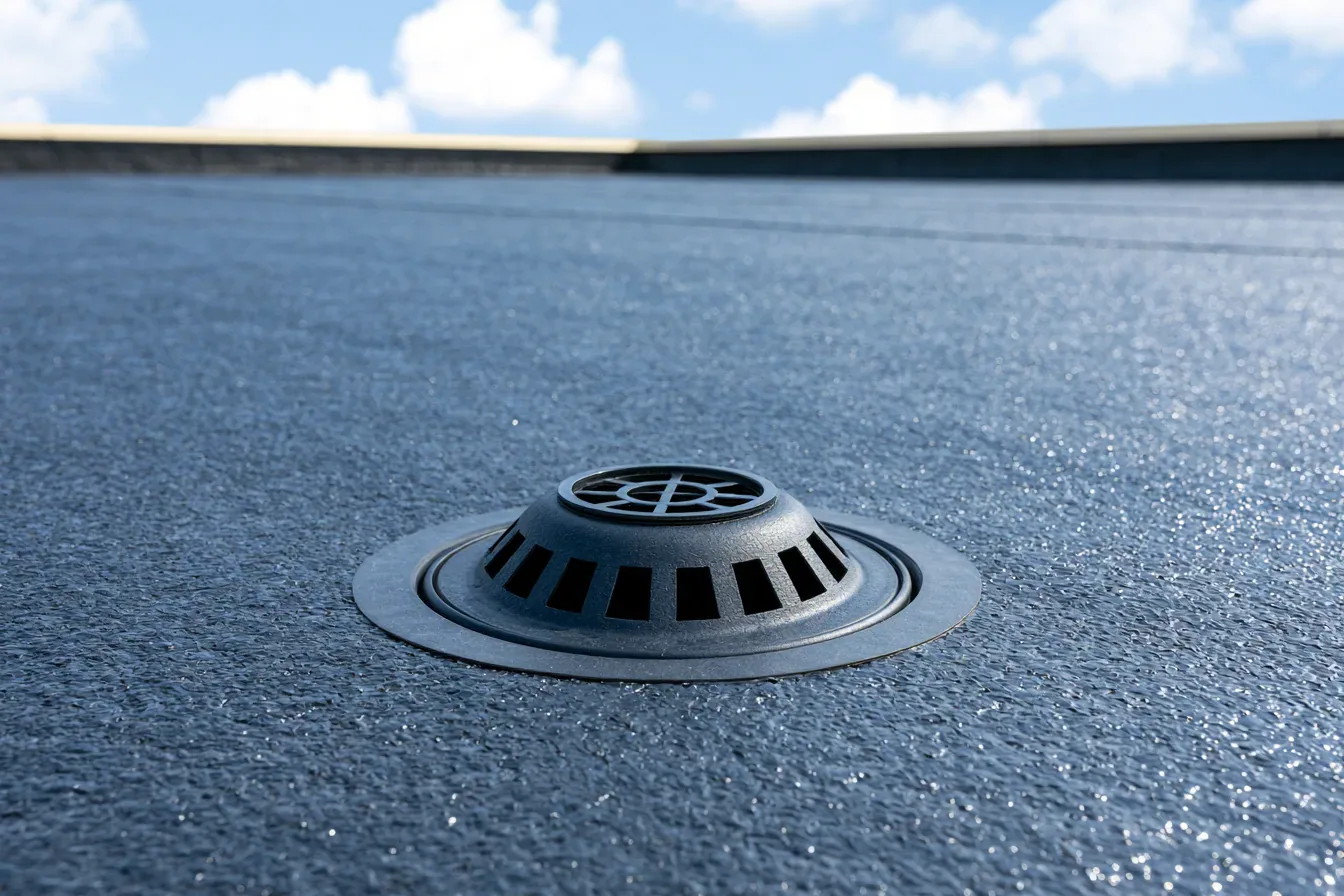
Roof Drains and Scuppers