Commercial Roofing in Belmont, NC
Seams that have gone tired along a mill-era parapet are the first finding we expect in Belmont, NC, and they point an owner to the next question: how much of this roof is still dry? Belmont sits on a peninsula between the Catawba and South Fork Catawba rivers, about 9 miles east of Gastonia and 12 miles west of Charlotte, and its textile history shows in the buildings. Nearly twenty mills were built through 1930, and many have been torn down or converted.
The town had 15,010 residents in 2020. Parkdale Mills operates Plants 15 and 61 and a Fiber Research Center here, R.L. Stowe Mills is headquartered in town, and Gaston College's Kimbrell campus and Belmont Abbey College add institutional roofs. I-85, US 29/74 and NC 273 serve the area. The result is a mix of mill, historic downtown, campus and highway commercial roofs, each with a different story.
Read Mill Roofs for Deferred Repair
Old mill roofs are large, often flat, and layered with past repairs. The usual finds are ponded water at low drains, tired seams along parapets, flashings patched more than once and equipment added long after the building went up. Those are deferred items, and each has a price now and a larger price later.
A converted mill is a different case from a working one. Residential or mixed-use conversion puts people under the roof, so a leak has a higher cost than it did when the floor held machines. We check the deck and insulation with cores and a moisture scan, then write the options as repair, restoration or replacement, with the cost drivers beside each. The owner sees a decision date, not a surprise. A roof recover is worth testing on a sound, dry roof, since it saves tear-off.
Fire and electrical risk matter on converted mills as well. Penetrations for new utilities, dryer vents and rooftop units are common in conversions, and each needs proper flashing. We inspect every one and flag those that were cut without a curb.
Handle Historic Downtown Buildings With Care
The Downtown Belmont Historic District holds 264 buildings from 1850 to 1949. Older commercial buildings bring parapets, shared walls, brick coping and small roof areas with tight access. Water tends to get in at a wall, run behind the membrane and show up two bays away, so the walk begins at wall flashings and coping.
What a historic building's roof is made of is a question for a core, not a guess. Work on these buildings also needs care at the edges, since historic review may apply to visible changes, and we confirm requirements with the town before design. Small roof areas make crane access and lay-down space the main cost drivers, and we plan them early.
Parapet repair is often the heart of the job. Loose coping, open mortar joints and failed wall flashings are fixed together so water has no path behind the new membrane, and the mason and the roofer agree on the sequence before either starts.
Plan Around Campus Calendars
Gaston College's Kimbrell campus and Belmont Abbey College are in town, and institutional roofs run on a school calendar. Summer is the working window, and so are breaks between terms. We schedule tear-off and noisy work outside class time, protect entrances and walkways, and set the dry-in plan so each day's opening is sealed before evening.
Budget cycles matter on campuses too. A findings report written in time for the capital request, with a ranked list and cost drivers, gives a facilities office what it needs. The same method applies to college and university roofs and to school roofs, with summer as the main working window.
Price the Wind and Storm Risk
The May 2024 tornado's path ran from west of Gastonia to near McAdenville and Belmont, leaving minor damage on roofs of several buildings along the way. The nearest climate record is Gastonia's: a July mean high of 90.7 F, roughly 44 inches of annual rain and about an inch of snow a year, which leaves heat and rain as the main wear on a roof.
The routine is the same in town: check edges, coping and rooftop equipment before spring storm season, and walk the roof after any event. A repair done before a storm costs less than the same repair after one.
After a storm, a temporary seal goes on first, with photographs taken before and after. The permanent repair is scoped from those photographs, with the repair boundary marked against a seam, curb or wall.
Check Roofs Along the Highway Routes
I-85, US 29/74 and NC 273 serve Belmont, and commercial buildings along routes like these tend to share roof questions: rooftop units, penetrations from signage and tenant changes, and long parapets. On the walk we count the penetrations, check each curb and boot, and note where tenants have added equipment without a flashing update.
Owners of strip or flex space often carry a mix of tenants with different hours, which affects when the work can happen. The scope spells out the access windows, the staging area and the temporary protection, so tenants know what to expect. A leak into a tenant space is the quickest way to lose a lease, and the written plan helps prevent it.
Freight rail through the Wilkinson Boulevard corridor in the area adds vibration and noise, and we consider both when planning rooftop work near the tracks.
Signage mounts and tenant antennas get a pass as well, since each one is a hole.
Document the Roof for Lenders and Partners
Owners in a town like Belmont can answer to a partner, a lender or a family trust. Those readers want a roof file with photographs, core and moisture results and a ranked list, which settles repair versus replacement on evidence and puts a date on the decision.
The same record helps when a mill conversion or a historic building changes hands. A buyer's team can read the file in an afternoon, and a due diligence roof survey can fill any gaps before closing. We keep the file simple: dated photos, a roof plan, test results and a short narrative.
Coordinate With Nearby Towns
A Belmont job can be scheduled alongside work in Mount Holly, McAdenville and larger roofs back in Gastonia, with one crew leader and one photo log format across all of them.
Commercial Roofing Questions
Can an old mill roof be saved?
Often yes, if the deck is sound and the insulation is dry. Cores and a moisture scan decide. We price repair, recover and replacement side by side, so the owner sees the cost of each path.
Do you work in historic districts?
Yes. Town requirements come first, and access and tie-ins are planned to protect walls and coping. Visible changes may need review, which we flag early.
How do you schedule around a college calendar?
Heavy work goes in summer and between terms. Entrances and walkways are protected, and the schedule is agreed with facilities in writing before the crew mobilizes.
What does a deferred repair cost?
It depends on how far it has spread. We price the fix now and the likely cost if it waits a year, with the reasons written down so the owner can set a decision date.
Can you give a second opinion on another bid?
Yes. Send the bid and the roof plan, and we will go up, test each line of it against the roof and say where we agree or differ, with photographs.
Topic
Belmont
Roof Types
Low-slope and metal
Related Roofing Work
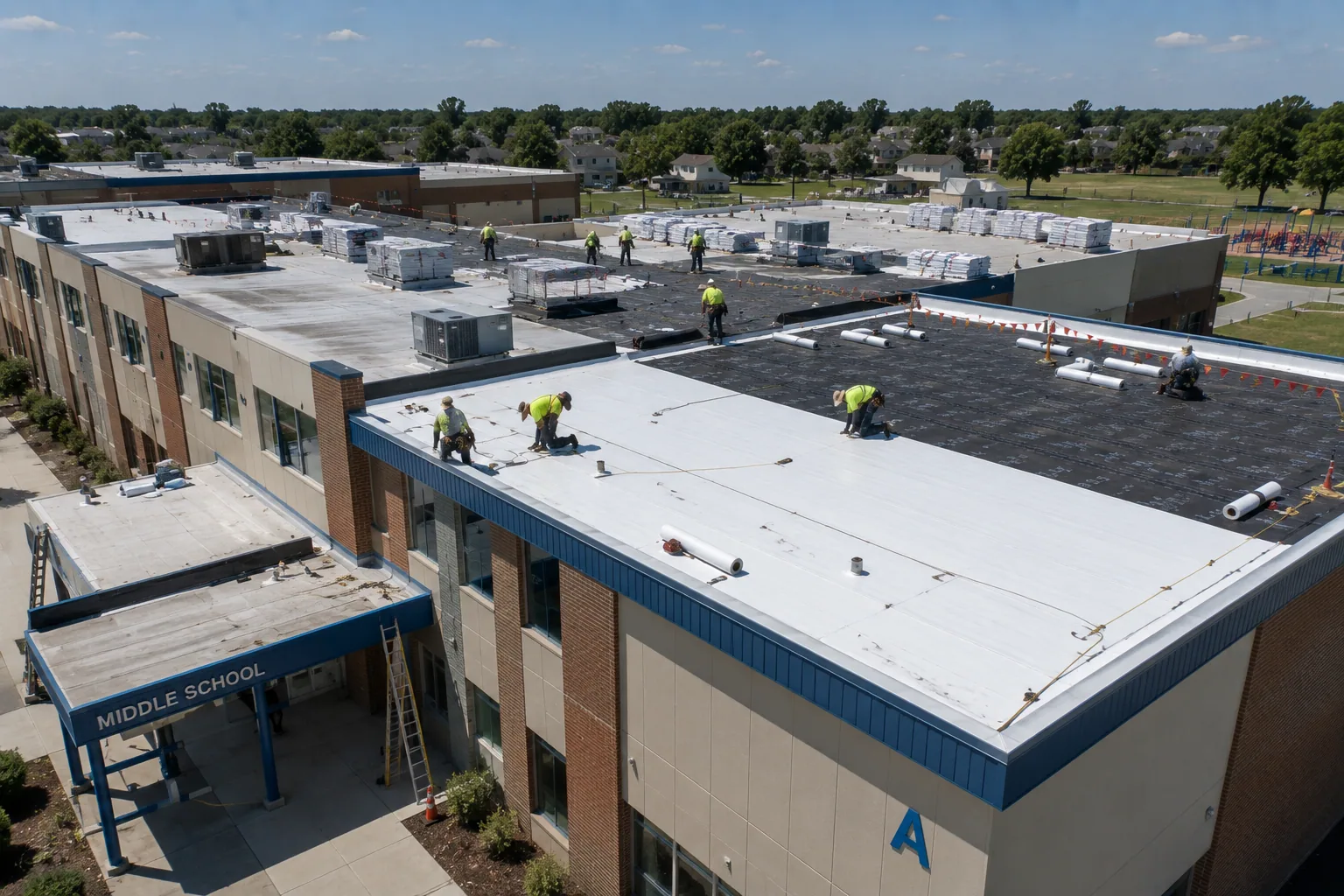
Roof Recover and Overlay Systems
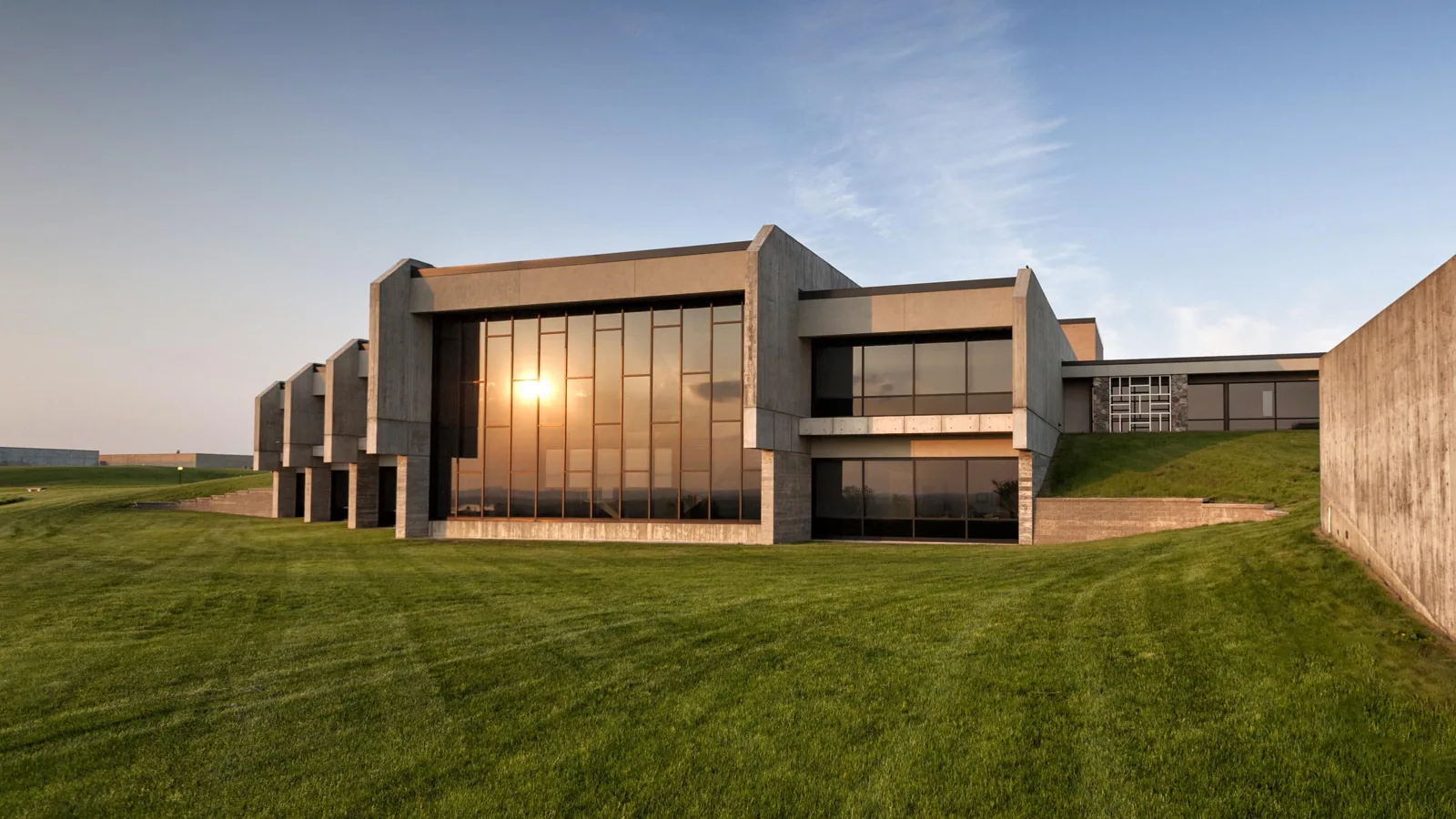
College and University Roofing