Commercial Roofing in McAdenville, NC
A roof on a small historic building where every detail is visible from the street is the McAdenville, NC job, and the finding to look for first is how the walls and the roof meet. McAdenville had 890 residents in 2020 and sits on the South Fork Catawba River with I-85 exit 23 and US 29/74 nearby. The McAdenville Historic District was added to the National Register in 2009, and the town's Christmas display draws more than 600,000 vehicles a year.
Pharr Yarns, a yarn maker founded in town in 1939, was a major employer until its 2019 sale. For a roofer, the town combines a small footprint, historic buildings, former textile space and a heavy seasonal crowd, and a 2024 tornado ended its track about a mile away. Each of those facts changes how a roof job is planned.
Start Where the Roof Meets the Wall
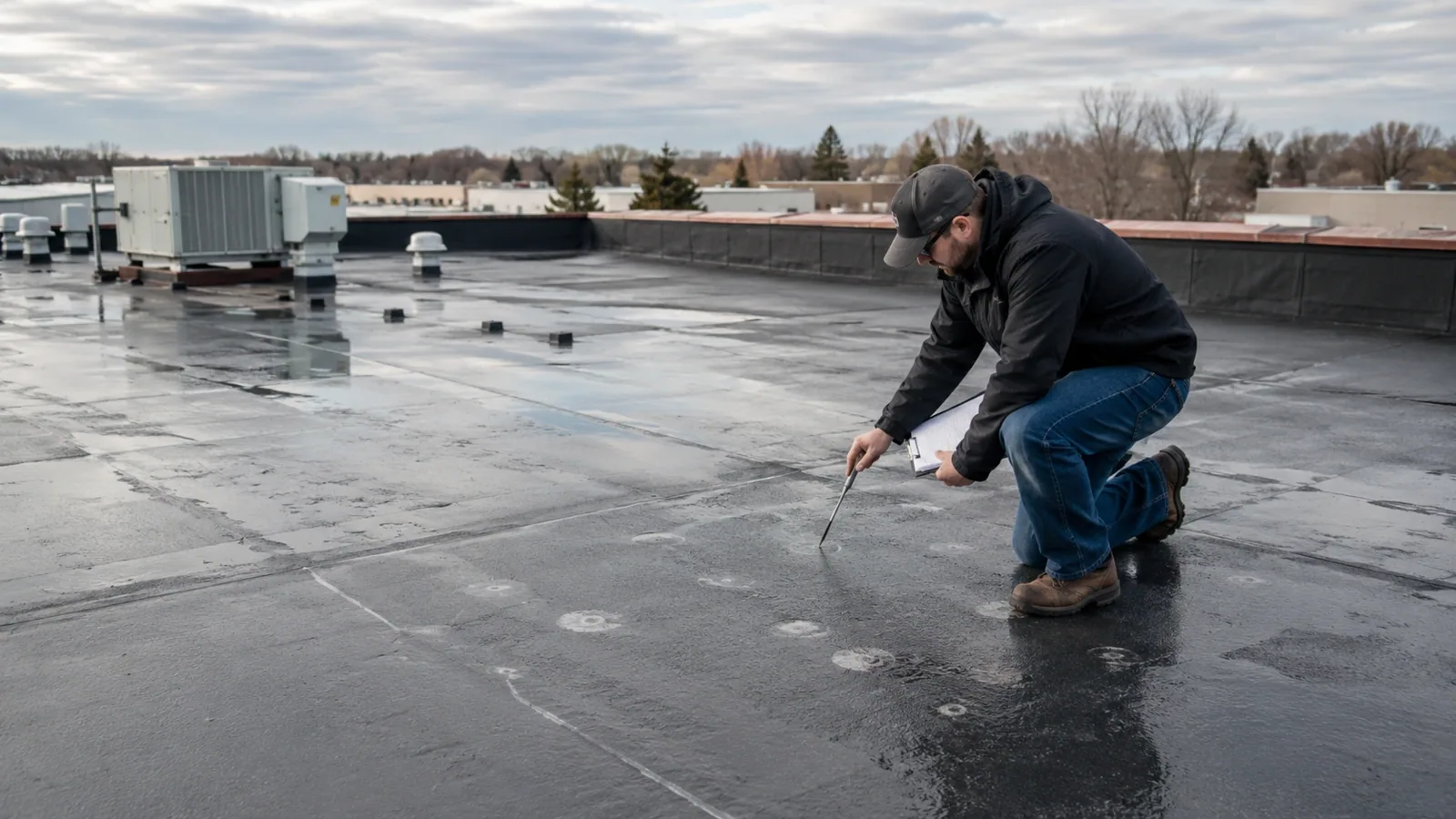
On small historic and older commercial buildings, leaks can start at the wall. Parapet caps, wall flashings, chimney bases and mortar joints take the weather, and water gets behind the membrane at those points. We probe the membrane at the base of each wall, press on the flashing and look at the coping and the masonry.
A core shows what the layers are, and a moisture scan shows where water sits. The result is a photo log with each wall detail marked, and a list of what to repair, what to watch and what to replace. Because the buildings are small, a thorough walk takes little time, and it produces the evidence for a precise scope.
Chimneys, vents and small rooftop additions deserve their own look. Each has a base, and each base is flashed. On older buildings the flashing may be mortar or sealant alone, which dries and cracks. We replace those with proper metal or membrane flashing and a counterflashing.
Respect the Historic District
A building inside a National Register district may need review before visible exterior changes. Roof work that changes what can be seen from the street, such as a new edge profile, a different color or relocated equipment, may come under that review. We confirm the requirements with the town and the owner before design, and we plan changes to keep the street view consistent.
Much roof work is not visible, and it is where the money should go first. Drains, flashings, seams and insulation can be repaired without changing the appearance of the building. When a visible change is needed, the scope says so, with photographs of the current condition, so the review has what it needs.
Schedule Around the December Crowds
The town's Christmas display draws more than 600,000 vehicles a year, concentrated in a short season. Lay-down space, lane closures and crane picks all compete with that traffic. We plan roof work for the months before and after, so that deliveries, staging and noise do not collide with the busiest weeks.
For a project that must run into late autumn, we set a firm schedule with the owner and the town, keep staging compact and finish dry-in before the crowds arrive. A roof left open in a crowded week is a risk to the building and to the people below, so we do not leave one. Temporary protection is staged ahead of any forecast rain, and the crew leader checks the interior at the end of each day.
Neighbors get notice. A letter a week ahead, with dates, noise hours and a phone number, answers most questions before they become complaints, and the town hears from us before the first truck arrives.
Choose Materials That Suit a Small Roof
Small roofs have small areas and many details. Per-square-foot economics favor simple systems, but the details drive the work: parapet walls, curbs, drains and the tie-ins to neighboring buildings. A heat-welded single-ply membrane or a coated existing roof can fit a small area well, and the choice comes from the moisture scan and the existing layers.
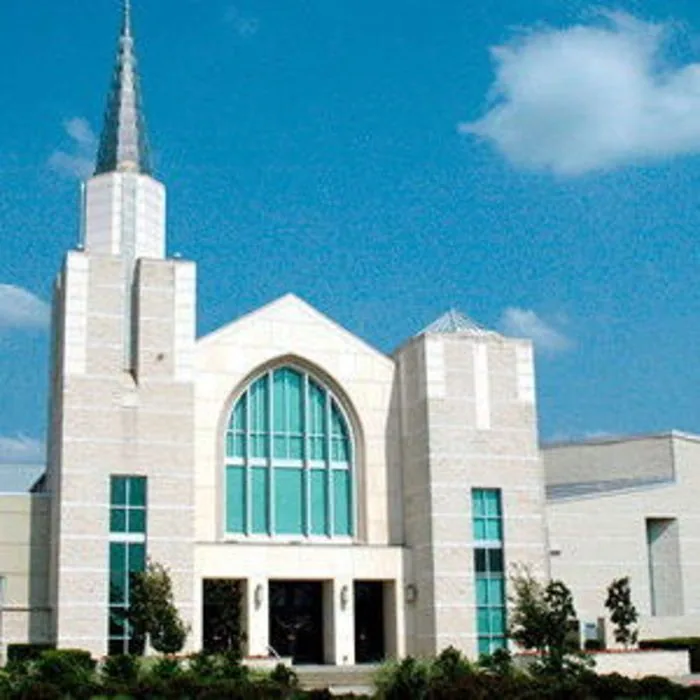
Where a building is part of a historic streetscape, color, edge profile and the look of coping matter as well as performance. We bring samples and photographs so the owner and the town see the same thing. A church roof, if the owner has one, follows the same method, with extra attention to high steep sections and access.
Fasteners, sealants and metals are chosen to last. Cut ends and exposed fasteners are where corrosion starts, so we seal them and specify compatible metals at flashing and edges.
Read the Weather and the Tornado Track
Gastonia, the nearest long record, averages 44 inches of annual rain, a 90.7 F July high and about 1.2 inches of snow, so heat and rain do more damage than snow load in this part of the county.
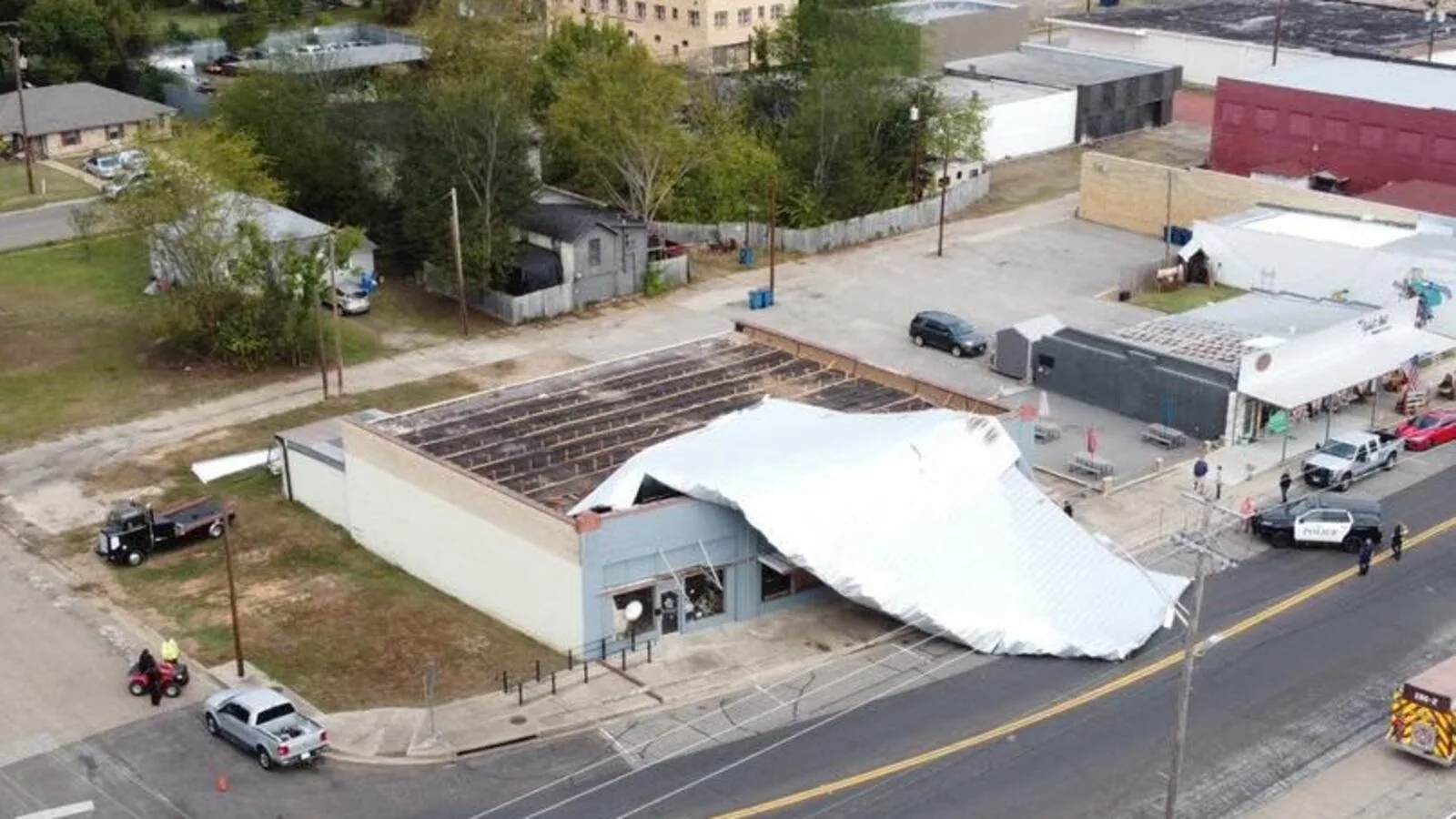
The 2024 tornado, with estimated 110 mph winds, ended its track about a mile east-northeast of McAdenville, and several buildings in the county had minor roof damage. A roof near that path deserves a walk. We check edges, coping and loose equipment, and document damage with dated photographs. A roof that took wind gets the checks of any wind-damaged roof.
Keep the Roof Records With the Building
A small town building may change hands, change tenants or change use. The roof record should stay with it. We hand back a photo log, core results, a moisture map, a ranked list and a short narrative; warranty papers and repair invoices share one folder, and the next walk starts from the last.
After a leak or a storm, a temporary seal is the first call, and emergency roof repair is available at any hour, including holidays. A commercial roof inspection follows to trace the cause, and the permanent repair is scoped from the evidence.
Plan Repair, Recover or Replacement
Small buildings still face the same decision: repair, recover or replace. Dry insulation and sound seams point toward repair or restoration. Wet insulation or a soft deck points toward replacement. The findings summary lists the options with cost drivers, such as roof area, access, parapet length and the amount of wet material, and it gives a decision date.
A McAdenville visit can be paired with work in Belmont and Mount Holly, and the records follow one format across towns.
Because the town is small, a single walk can cover several of an owner's buildings, and the findings can be written as one plan with a priority order and a calendar.
Commercial Roofing Questions
Do historic district rules affect a flat roof?
Only if the work changes what is visible from the street. We confirm with the town before design and plan edges and equipment to keep the street view consistent.
Can you work during the holiday season?
We avoid the busiest weeks for planned work. Repairs and emergencies are handled any time, and larger projects are scheduled around the crowds with a firm start and finish.
What if a former mill building is vacant?
We inspect it, stop leaks and plan the roof around its next use or sale. Spending is matched to the plan, so an idle building is not over-repaired.
How small a job do you take?
Small repairs and full replacements alike. The method is the same, and the scope fits the building and the budget, with phasing when the owner needs it.
Can I get a written summary for a lender?
Yes, with photographs, findings, cost drivers and a repair-or-replace answer. It is written so the owner can hand it over without rewriting it.
Topic
McAdenville
Roof Types
Low-slope and metal
Related Roofing Work
Church and House of Worship Roofing
Wind Damage Roof Repair