Commercial Roofing in Rock Hill, SC
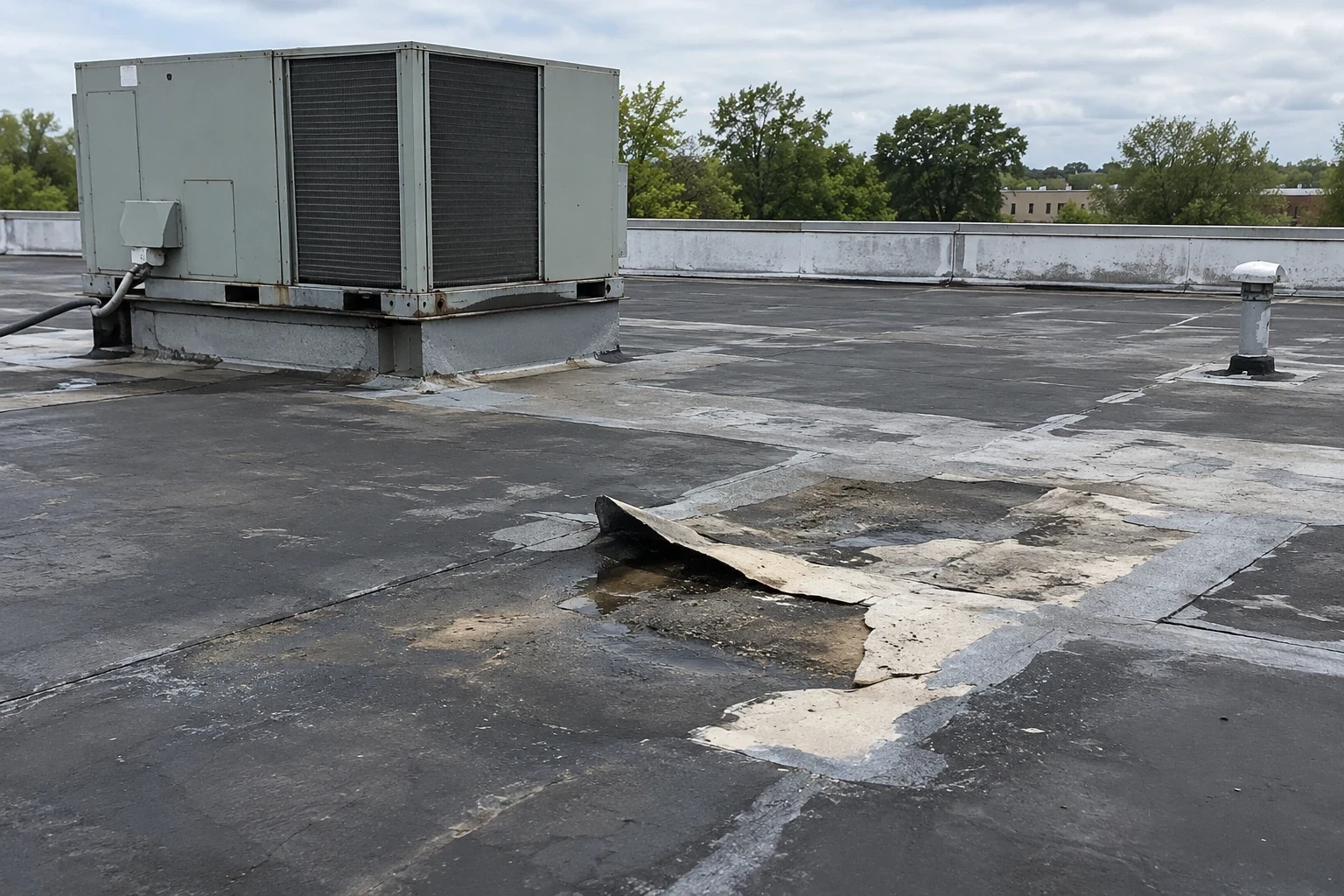
Seams that have opened a quarter inch along a parapet on a manufacturing roof come first on a Rock Hill, SC walk, because they show how much dry roof an owner still has to protect. Rock Hill is the most populous city in York County, with 74,372 residents in 2020, and its economy has shifted from textiles toward manufacturing and retail. Top employers include 3D Systems, Hyosung, Comporium, Winthrop University and Rock Hill Schools, and Piedmont Medical Center is a Level III trauma center.
Production floors, stores, clinics and classrooms all sit under flat roofs in a city this size, and each needs a different plan. The first visit is short and the findings come back in writing: access confirmed, the whole roof walked, suspect spots probed and every item photographed.
Walk Each Roof for What Its Building Does
A production roof carries exhaust, make-up air and process equipment, so the walk starts at the units and their curbs. A retail roof carries rooftop units, vents and signage supports, and it starts at the same details. A school or clinic roof has fixed hours and sensitive space below, so the walk starts with access and interior protection. All of them then get a pass over the seams, drains and edges.
Findings go into a photo log with positions. A ponded area gets a depth. An old patch gets a photograph and, where possible, a date. The log becomes the basis for the scope of work and for the next visit, and one format across every building type keeps a portfolio readable.
Drains matter on every type. A strainer packed with leaves or windblown trash holds water for a day or more, and standing water finds any seam that has stiffened in the heat. We lift the strainers, flush the lines and photograph the water line after the next rain, so the log shows how fast each drain loads up.
Rooftop equipment sets the order of work on every type. A production roof may hold exhaust fans and make-up air units, a clinic may hold air handlers that cannot be shut down without notice, and a store may hold a unit for every tenant. We list each one, rate its curb and flashing and record who owns it, so a repair call goes to the right party and a unit swap is never cut into the roof without the roofer seeing the plan.
Price the Mix of Plants, Stores and Public Roofs
I-77 exits 73 to 82 and I-85 exit 102 serve the city, and the range of buildings brings a range of roofing problems: heat and residue near plant exhaust, ponding on large retail roofs, ceiling damage over clinics and classrooms. We keep the cost drivers visible for each one, which are roof area, access, insulation, curb count, season and the work needed to keep the building running. A scope for a school looks different from a scope for a plant, and both fit on two pages.
The price of the small items matters as much as the big one. A clogged strainer in one corner, a lap that has lifted and a patch no one dated can each pass for a minor item. Together they are a replacement. Listed together with one combined price, they show how much capital line is hiding in the small items.
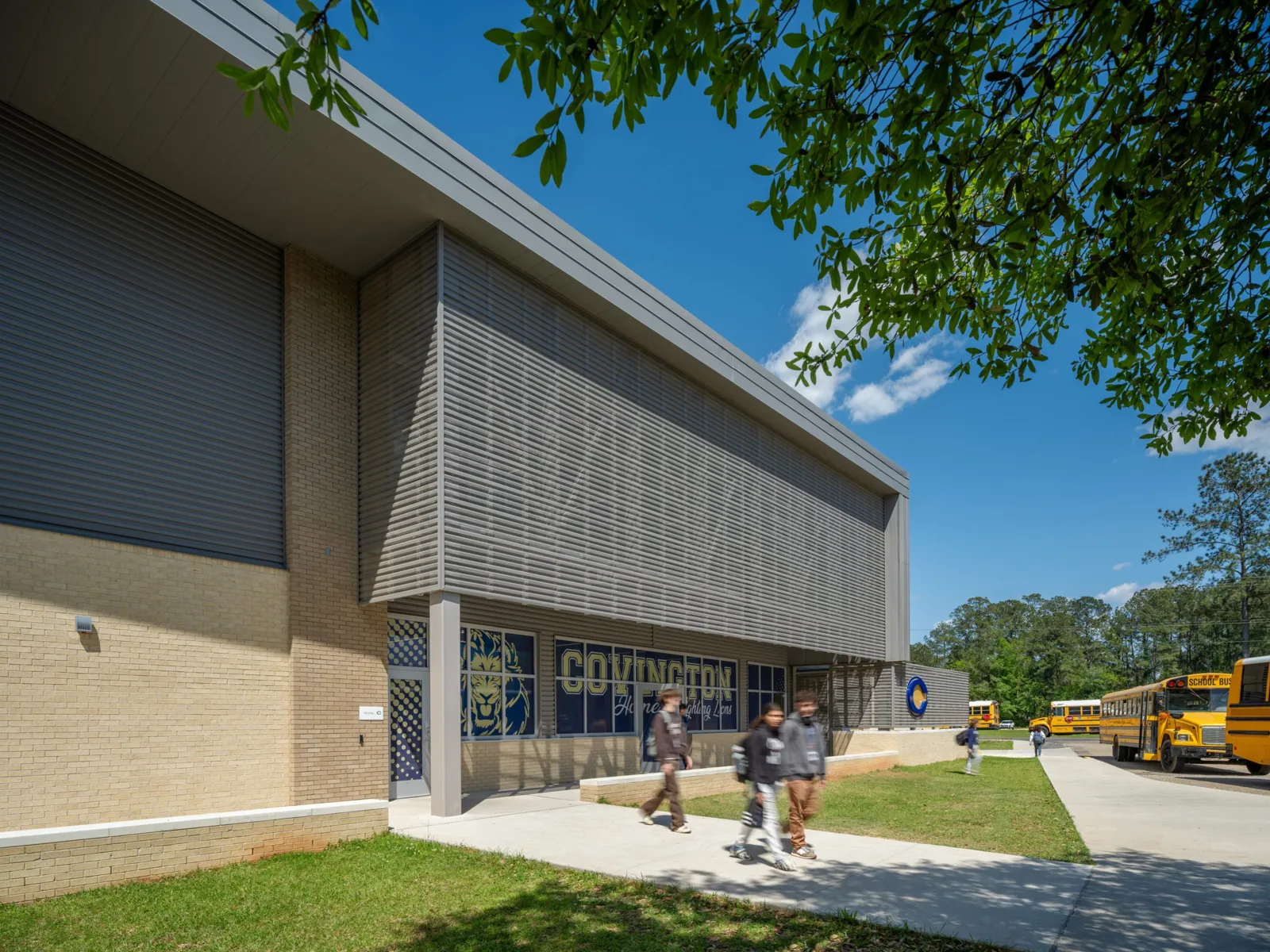
Winthrop University and Rock Hill Schools put campus-style roofs on the list as well. Those roofs follow a school calendar, with summer and term breaks as the working windows, and the scope names the staging area, the crane day and the dry-in method before bids go out. A findings summary written ahead of the capital request gives a facilities office a ranked list and a price for each line, which is what a budget committee needs in front of it.
Count Rock Hill's Own Heat and Rain
In Rock Hill the July high averages 91 F, the record is 106 F and annual precipitation runs near 42.6 inches. Gastonia's July mean high is 90.7 F with roughly 44 inches of precipitation, and Charlotte has recorded 104 F. Across the Piedmont, heat and rain drive roof wear more than snow does.
Sealants harden through the summer, seams stiffen and a heavy storm finds the gap. A flashing resealed in spring costs an afternoon, and the same flashing left open can cost wet insulation by autumn. We price both and set a decision date. Moisture sorts the rest. A scan across the whole roof marks wet insulation, cores confirm it, and the owner replaces only the wet part.
Wet springs hide their damage. Insulation that took on water in April may not show a stain inside until the heat of July pulls the moisture through, and by then the repair boundary has doubled. A scan in spring is cheaper than a tear-off in fall, and the map it produces goes into the file as a baseline for every later comparison.
Protect Clinics, Classrooms and Production Floors
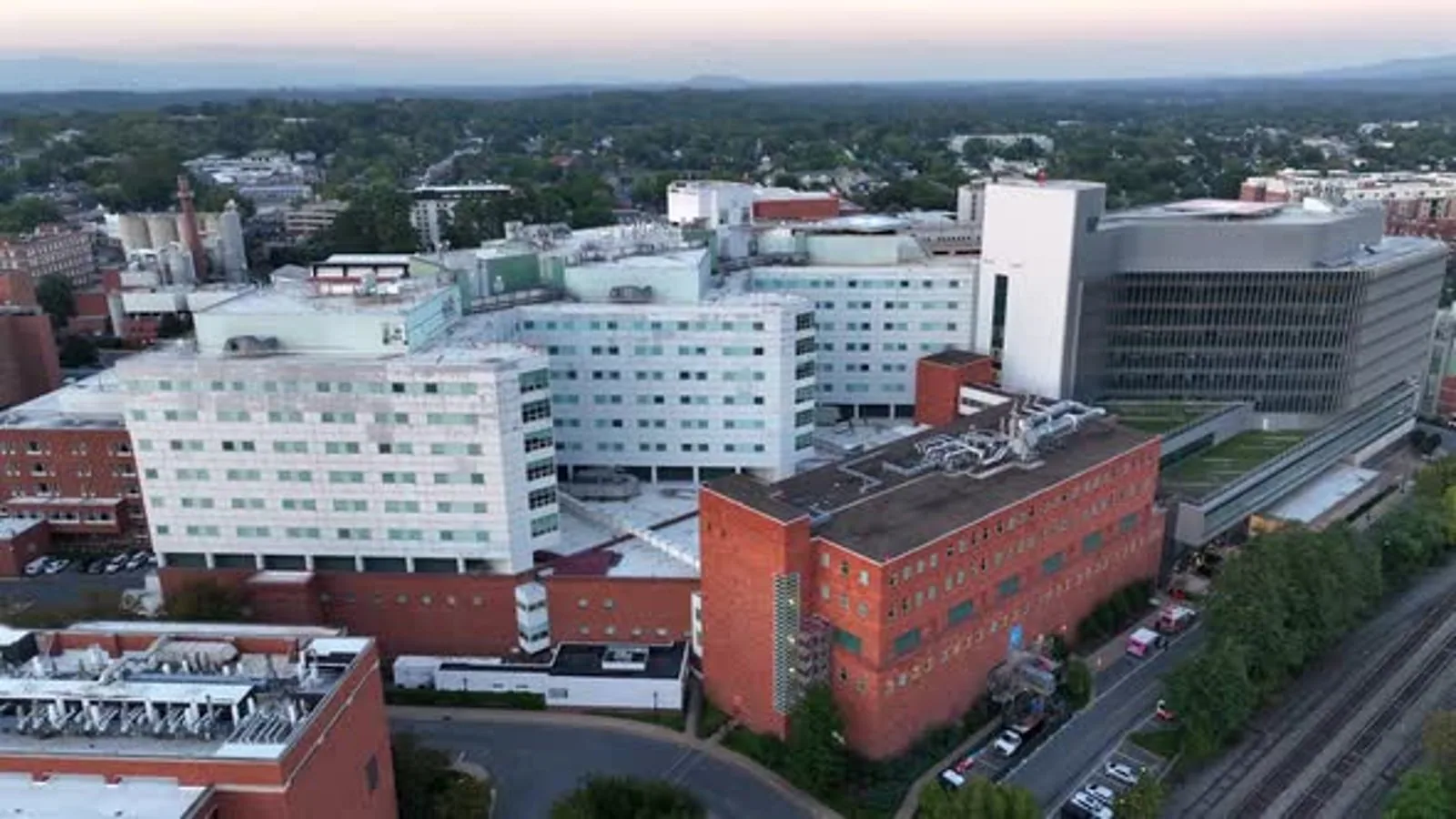
Medical and school roofs carry special rules. Hospital and clinic jobs run on infection control, protected air intakes and a schedule agreed with clinical staff. School work belongs in breaks, with quiet hours and barriers near students. Production floors need protection for equipment and inventory, and phasing that fits the shifts. A hospital roof and a school roof share the discipline but not the schedule.
Every constraint goes into the work order after the walk. Interior protection goes under every open area, and a named contact approves changes if hidden damage turns up. Retail roofs add seasonal peaks: a store cannot lose a holiday weekend to a leak, so big work stays away from peak weeks while emergency repair stays on call.
Check Edges Ahead of Regional Wind
In May 2024 a tornado estimated at 110 mph crossed Gaston County, and in 1989 Hurricane Hugo reached Charlotte with 87 mph gusts. Neither hit York County, yet both are reasons to check coping, edge metal and equipment covers each spring. Long runs of edge take the wind first, and a loose stretch can peel a membrane in the next gust.
We photograph each run in the spring and log fastener spacing and joint condition, so a weak run is fixed before the storm. A severe storm brings a second walk and a dated summary for insurance claim documentation.
Decide Between Repair and Replacement on Evidence
A failure that stays local on a dry roof is a commercial roof repair. When the wet area spreads, or fixes keep appearing in fresh places, replacement moves up the list. A scan and cores decide the case, and the scope prices each path. The local building office names the code edition before the scope is final.
An owner with roofs in Rock Hill may hold others in Fort Mill or York, and rating them together puts the first dollar where the need is greatest. A big roof can be staged over two budget cycles. Warranty status comes first in the plan: a roof under warranty gets repairs that follow its terms, and the file records the materials used.
Commercial Roofing Questions
Do you work on school and hospital roofs?
Yes. We plan around breaks, hours and infection control, and the constraints are written into the work order.
How do we compare very different buildings?
Rate each roof on one scale and shoot the photos from the same positions each visit. The list then sorts by condition.
Can a plant roof be repaired while the line runs?
Often. Equipment below is protected, and the work moves in sections that are closed before the crew leaves. Noisy lifts move to low-production hours.
What is in the written findings summary?
A dated photo log, area ratings, a priced punch list and a repair-or-replace verdict. Anything we could not reach is named.
Which building code applies on a Rock Hill roof?
The edition the local building office has adopted. We confirm it, then file it with the date.
Topic
Rock Hill
Roof Types
Low-slope and metal
Related Roofing Work
Hospital and Healthcare Campus Roofing
School Roofing