Roof Insurance Claim Documentation in Gastonia, NC
Forty photographs, none of them dated, none of them tied to a place on the roof. That is a weak claim file. An adjuster cannot tell which damage is from the storm, which is from age and which was there when the policy renewed. The owner then spends weeks arguing about facts that a clean photo log would have settled in an afternoon. Claim help starts with a record that answers the adjuster's first questions before they are asked.
We document the roof, describe the repair and put numbers on paper. The owner decides what to file and how to proceed.
Think of the file as a story with three parts: what the roof looked like, what happened to it and what the repair will restore. If each part has a date, a photograph and a number, the claim reads as a sequence and not as an argument.
Build the Photo Log the Adjuster Needs
A good log has a pattern. A wide shot of each roof area, then close photographs of each finding with a scale, then the same finding from a second angle. Every photograph carries a date and a number that matches a marked roof plan. Findings are grouped by cause: wind, impact, water entry, equipment damage. Pre-existing conditions are recorded as such, because a clean separation protects the owner's credibility.
Where earlier inspections exist, we put the before and after side by side. A spring maintenance record that shows a sound edge, followed by a storm record that shows it lifted, is the strongest evidence an owner can hold. If the owner has no earlier record, we use weathering, debris and damage direction to explain what changed. The report says plainly what we saw and what we infer from it.
The log also records the temporary work: tarps, patches, reset edge metal. Each piece of temporary work is photographed before, during and after, with the date and the material used. Those entries support reimbursement for protection costs, and they show the carrier that the owner acted to limit the loss.
Act Before the Evidence Changes
Evidence ages quickly on a roof. Rain washes away debris patterns, repairs cover damage, and a second storm blurs which event caused what. After the May 2024 tornado took part of a roof off a warehouse in East Gastonia, an owner along the damage track had a short window: document first, then repair.
Policies often set time limits for reporting and require reasonable steps to protect the property. Temporary protection should be done and photographed, with receipts kept. Waiting weeks for the adjuster while water enters the building turns a covered loss into a larger one, and may complicate coverage. The cost of waiting is rarely the premium. It is the argument over what was damaged and when.
Keep a simple folder: the policy, the photographs, the invoices, the correspondence and the dates of each call. A property manager with several buildings should keep one folder per building. The folder is the second thing an adjuster asks for, after the roof itself.
Support the Repair-or-Replace Question With Cores
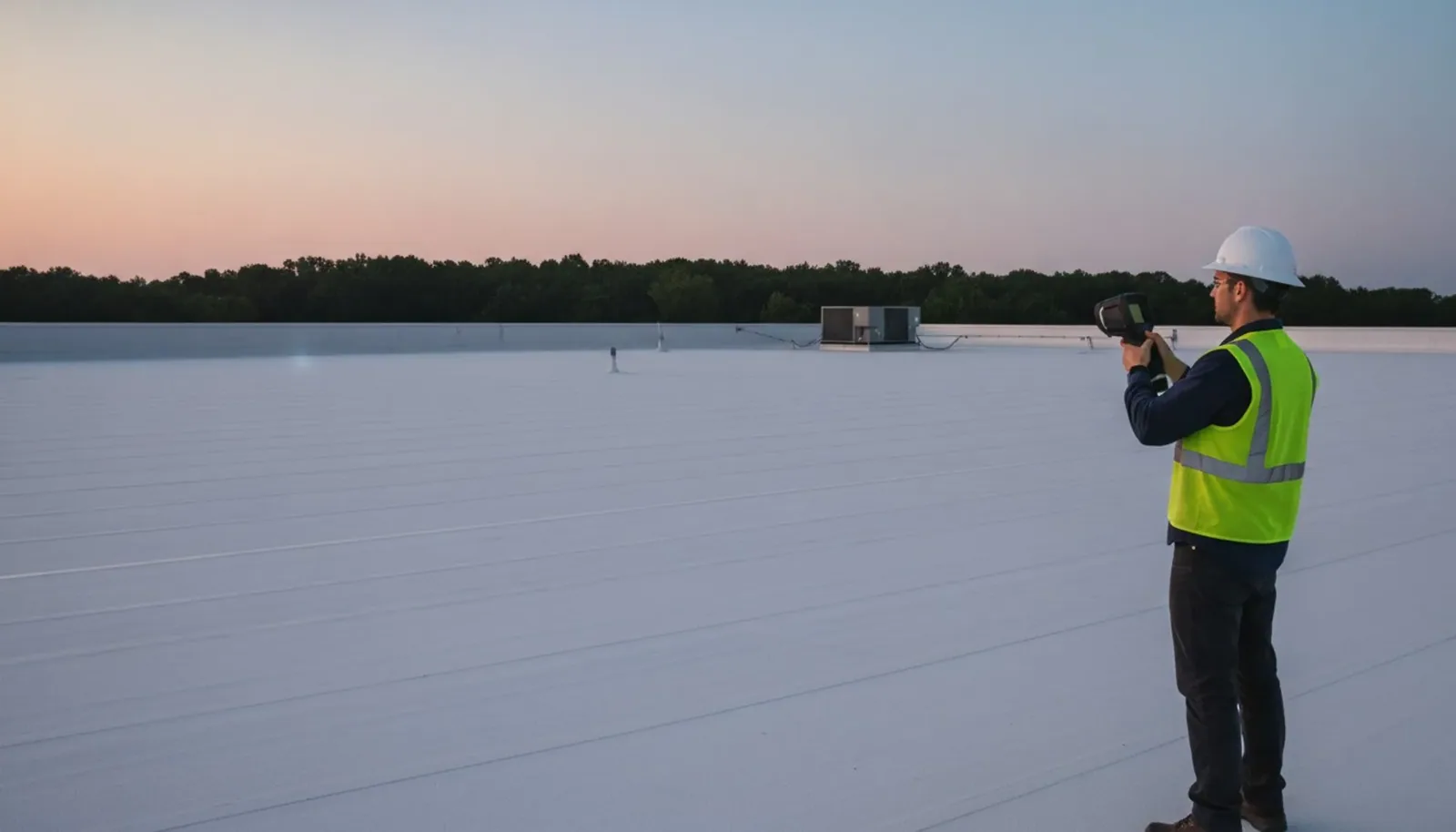
The hardest claim question is whether the roof should be repaired or replaced. The answer depends on how much of the roof is damaged, how much insulation is wet, and how old the roof was. An infrared moisture survey maps wet insulation after the event, and core cuts confirm what the scan shows. The cores are photographed and logged.
With that evidence, the discussion with the adjuster is about measured areas rather than opinions. We show the extent of wet material, the remaining service life of the undamaged parts and the cost of each path. If the roof was near the end of its life before the storm, we say so, and we describe how the carrier may treat age. The owner then chooses with full information.
Age is a fair question. A roof that was already near the end of its service life is valued differently from a young one, and carriers look at it. The file does not hide age. It states the installation date if known, the last inspection and the remaining service life range, so the owner knows how the discussion will go before it starts. Knowing the answer early costs less than learning it at the adjuster's desk.
Write the Scope Line by Line
The repair scope is itemized: footage of edge metal, square feet of membrane, penetrations, drains, equipment resets and temporary protection. Each line has a quantity, a unit and a photograph. Cost drivers are the extent of damage, roof type, access, the amount of wet material and the state of the building code.
The code a replacement is priced under can change what it must include, such as insulation or fastening. In North Carolina the 2018 edition governs while the 2024 edition waits for an effective date, though an owner may request the newer one as an alternative method. We flag items that may be affected, and leave the code determination to the code official and the carrier.
Quantities should be checkable. Edge metal is measured in linear feet along a marked path, membrane in square feet by area, and penetrations by count. An adjuster who wants to verify a number can walk to the spot and measure it. We bring the plan with the numbers on it, so the visit is short and the disagreement, if any, is about a specific line.
Documentation for Gaston County Building Types
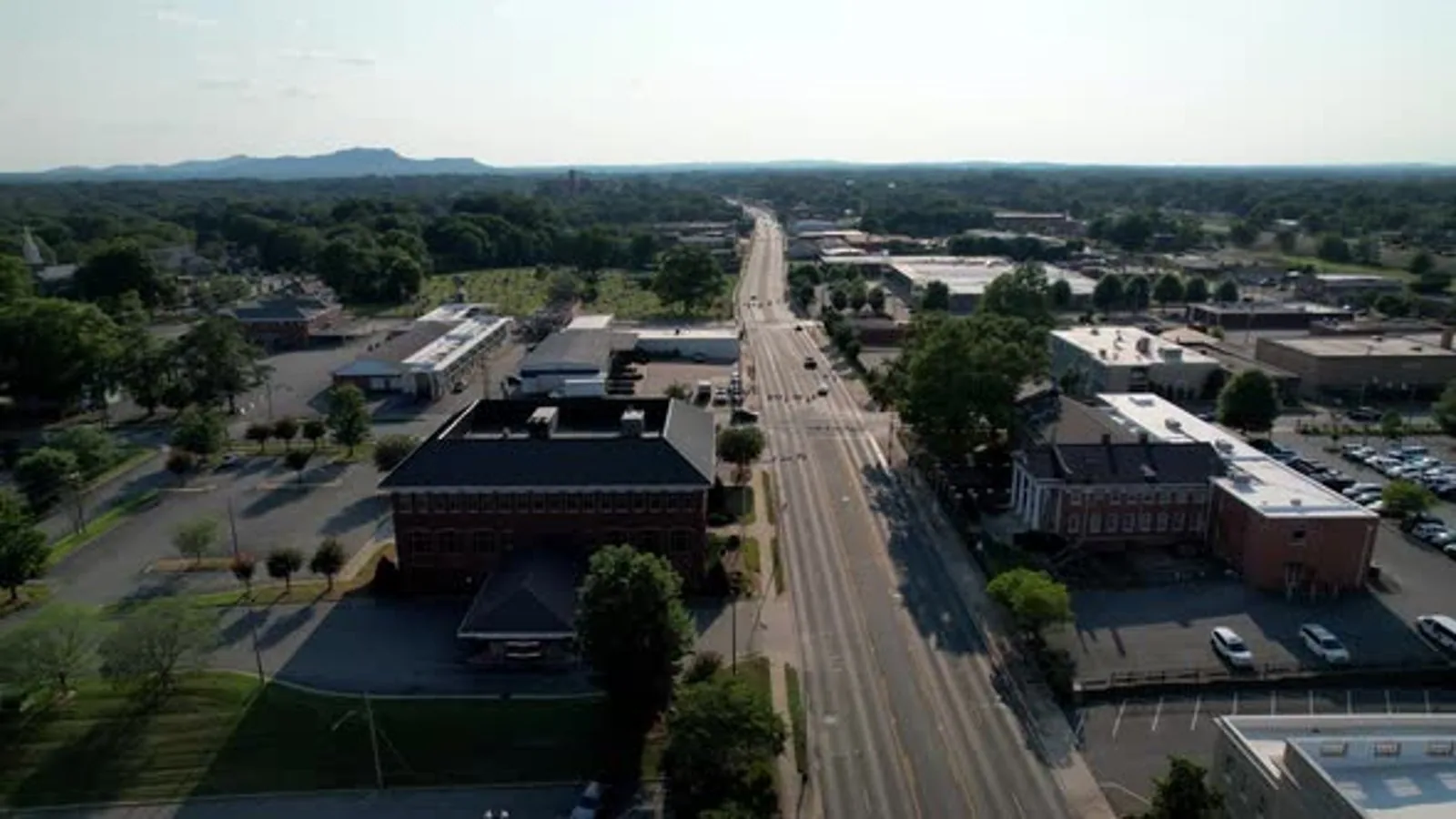
The record changes with the building. A distribution roof at Gateway85 is documented by edge, field and equipment zone. A medical roof near Gaston Memorial Hospital is documented with attention to interior spaces below. An older mill building in Belmont or Mount Holly deserves close photographs of its flashings and parapet walls.
Property managers with several buildings often need one report per building and a summary across all of them. We prepare both. The summary lists damage by building, cost ranges and priority, so the owner or lender can see the whole exposure at a glance, and a roof condition report from before the storm can sit beside it. The scope for any storm damage repair uses the same layout, so claim and repair line up.
Large losses involve more than one trade. Roof damage may come with interior water, damaged equipment or lost inventory. We document the roof and its effect on the space below, and we coordinate access with the other contractors and the adjuster so the roof opening is not left unprotected while others work.
Commercial Roofing Questions
Do you file the claim for me?
No. The owner files and manages the claim. We provide documentation, a written description of damage and an itemized repair scope.
Will the claim be approved?
That is the carrier's decision, and no contractor controls it. A clear record makes the facts easier to review.
What if I have no photographs from before the storm?
We use weathering, debris and damage direction to separate new damage from old wear, and we state the limits of what that can show.
How soon should the roof be documented?
As soon as it is safe. Rain and temporary repairs change the evidence, so photographs come first.
Can the same report be used for a lender or a partner?
Yes. It is written in plain terms with costs and photographs, so it works for an adjuster, a lender or an ownership group.
Topic
Roof Insurance Claim Documentation
Roof Types
Low-slope and metal

Related Roofing Work
Infrared Roof Moisture Surveys
Gateway85 Industrial Corridor