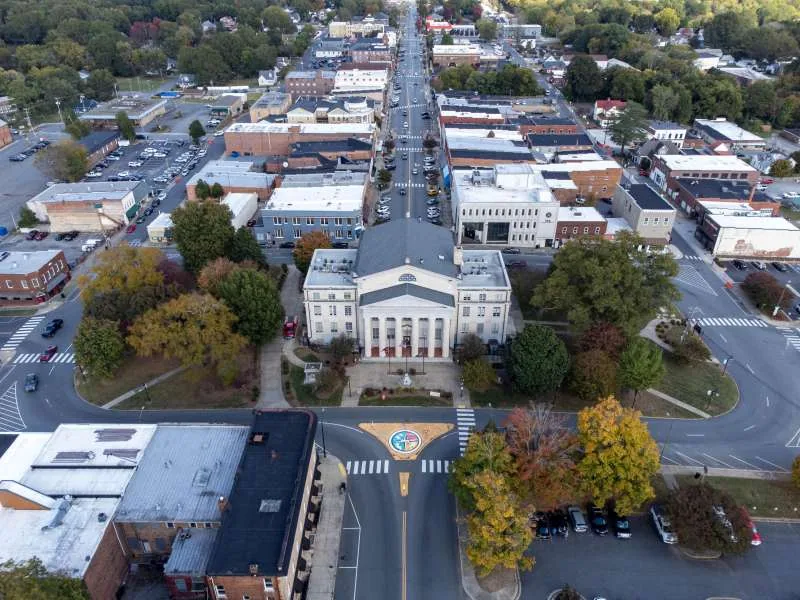

Roofing for Property Management Companies in Gastonia, NC
A property manager rarely gets one roof call. The call comes in on the strip center with ponded water at the same drain after every storm, and the manager knows three other buildings with the same flat-roof age are waiting behind it. In Gastonia, NC, where mill-era buildings sit near newer distribution roofs and where heat near 91 F and a spring storm season test every membrane, a manager with a dozen addresses needs more than a repair crew. The job is to see every roof on one scale, put a cost on waiting and bring the owner a budget line that holds up.
That starts with a walk, a photo log and a plain finding for each building. The cost of waiting stays hidden until a ceiling comes down, and a manager who has it in a binder can stop that conversation before it starts.
Walk Every Roof on the Same Scale
Different roofers use different words, and a manager ends up with a binder that cannot be compared. We use one form for every building. Each roof gets the same fields: system and rough age, number of layers where we can tell, drain count, ponded water after rain, seam and flashing condition, rooftop equipment and curb condition, and what we would do this year, next year and in five years. Photographs are tagged to the roof section on the plan. A manager can read the whole portfolio in an afternoon and see which three roofs deserve the budget meeting.
What a building has overhead gets settled on the walk, and the report says so. A manager who inherits a building mid-lease gets the same treatment: we start from what is on the roof today, not from the previous vendor's story. Where a roof cannot be walked safely, a drone survey fills the gap and the report notes which sections were seen from the air only.
Price Out the Mix of Buildings You Actually Hold
A Gaston County portfolio mixes building types. Eastridge Mall sits at exit 20 on North New Hope Road and is the center of a large retail strip, Loray Mill and the mill-village housing around it are being converted to apartments and mixed use, and Gateway85 between Gastonia and Lowell has millions of square feet of distribution buildings delivered. A manager may hold space in all of those. Each has its own roof story: retail parapets and canopies, old mill roofs with patched histories, and long industrial roofs where a few drains carry the water.
We write the scope in the unit the owner thinks in. A shopping center gets a line per tenant bay, an apartment building gets a line per stair tower and roof section, and a warehouse gets a line per drain run. The owner can approve one line without approving the rest. Where one roof serves several leases, the report says so, because a repair that helps one tenant can change drainage for the next and the manager needs to know before the work order is written.
Keep Tenants Informed Without Making It Your Job
Tenant communication is the part of a roof project that eats a manager's week. We write the notice, list the units under the work zone, name the foreman and give a phone number. Access is arranged with the manager: exterior ladder, interior hatch or a lift on the lot, and which route crosses which tenant's space. Noisy work is scheduled around each tenant's hours.
At the end of every shift the foreman sends a short note: what was opened, what is sealed, which tie-in protects the edge overnight. If a tenant calls about a drip, the manager can see in two minutes whether the roof above that unit was open. That record also protects the owner if a tenant later claims damage. Photographs of the ceiling below, taken with the tenant's permission before the work starts, give both sides a starting point if a stain appears later.
Notices go out in the tenant's own words, with the day, the hour and the contact number, so the manager is not answering the same question twice.
Plan for the Storm You Know Is Coming
Gaston County does not get a quiet spring. On May 8, 2024 an estimated 110 mph EF-1 tornado moved from west of Gastonia toward McAdenville and Belmont, and part of a warehouse roof in East Gastonia was lost. Four years earlier, in May 2020, a smaller tornado tore up trees on its way toward the Gastonia airport. A manager cannot predict the next one, but can know which buildings have old edge metal, loose coping or unknown attachment, and inspect those first when a line comes through. Owners with buildings in Belmont or Gastonia proper can ask for the same storm list at each address.
We build a storm walk list for each portfolio in that order. After an event, the first visit is photographed and dated, which gives the manager what the carrier will ask for and what the owner will ask the next morning.
Separate Repair Dollars from Capital Dollars
At budget time one question comes up: is this an expense or a capital item? We write the findings so the answer is clear. Drain clearing, sealant renewal, small flashing repairs and patching are operating. Replacement, a recover or a restoration coating is capital. Each line states what it extends and what it only holds. A preventive maintenance program keeps operating work scheduled, and a roof capital plan places the big items in the years they are likely to be needed.
Replacements carry a code question in North Carolina, where the 2018 edition still governs and an owner may ask for the 2024 edition early. We confirm the path with the local building official before pricing.
Decide Between Repair and Replacement With Numbers
A manager needs to tell an owner whether to patch or replace, and needs the reasons. We give three figures for each roof: the repair cost this year, the likely repair cost if nothing is done and the replacement cost with the year we expect it. The difference between the first two is the cost of waiting. The third tells the owner when the roof stops earning its patches. Each building ends with one verdict: patch it, plan it or replace it. An infrared moisture survey tells us how much of the insulation is wet before we recommend either, and a roof condition report carries the whole story to the owner.
Managers who also report to investors or work alongside general contractors can send the same report to each.
Commercial Roofing Questions
What does a manager receive after a portfolio walk?
A page per building with photographs, condition, a repair-now item, a next-year item and a five-year item, plus a combined list sorted by urgency.
Who writes the tenant notice?
We draft it and the manager approves and sends it. It lists dates, the work zone and the foreman's phone number.
Can invoices separate operating work from capital work?
Yes. Maintenance and repairs are itemized apart from replacement or recover scope, so the owner's books stay clean.
How often should a portfolio be walked?
Once a year, plus after any major storm. Older roofs and buildings with ponded water may need a second look before spring.
What happens when a tenant reports a leak?
The manager sends us the unit and the time. We trace the leak to a roof section and tell the manager what is open and what is sealed.
Topic
Property Management Companies
Roof Types
Low-slope and metal

Related Roofing Work
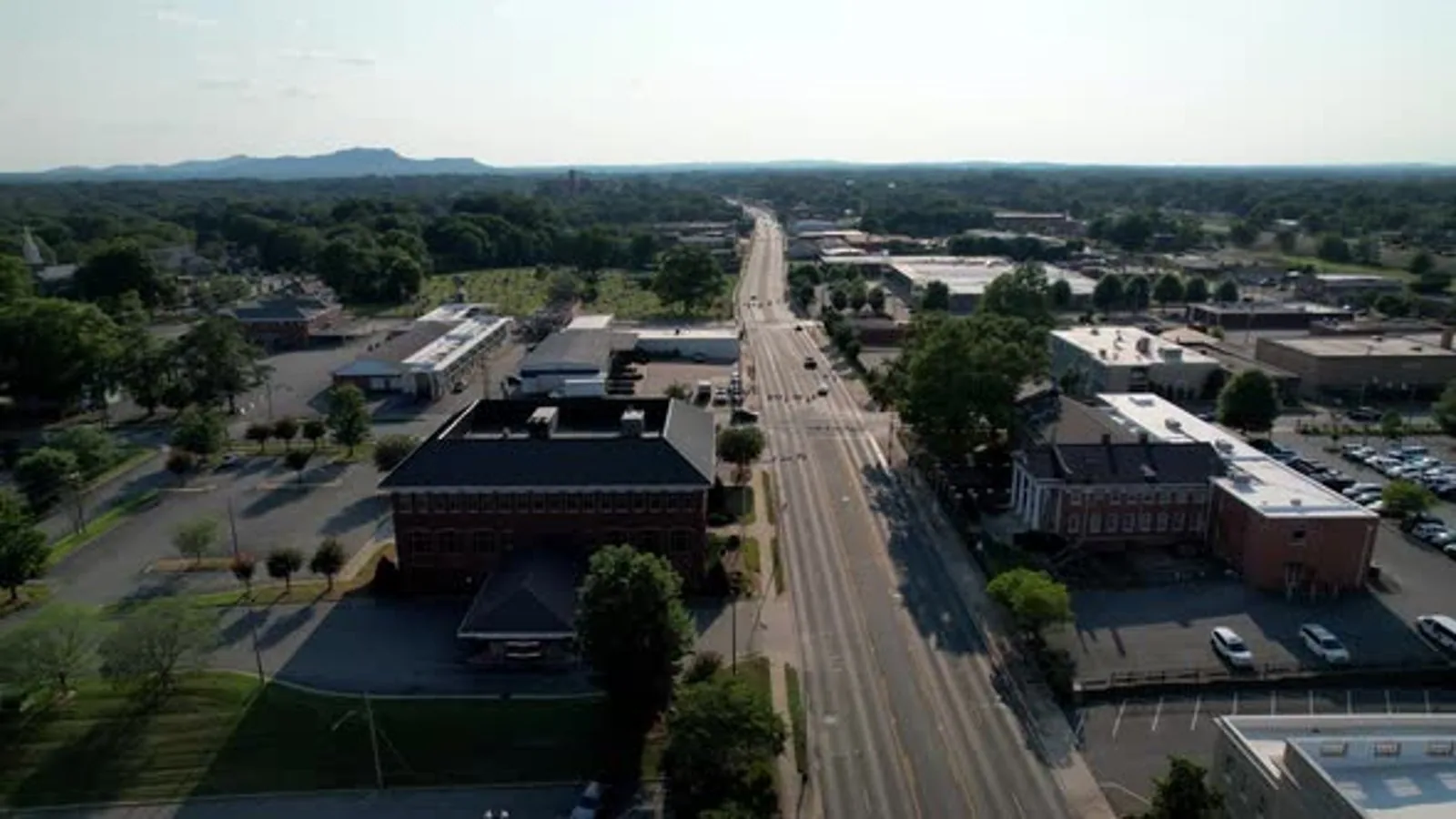
Gateway85 Industrial Corridor

Belmont