Roof Condition Reports in Gastonia, NC
Open laps along a parapet on an old mill-era roof are not news to anyone who has stood on it. What the owner needs is the report: where the seams are open, how far, what it will cost to close them now and what it will cost if the next spring storm season finds them still open. A roof condition report puts that in writing.
For Gastonia, NC owners and property managers, we write the report so it can be lifted into a budget memo, handed to a partner or attached to a loan file without a cover letter. It says what we found, shows it in photographs and answers the repair-or-replace question plainly.
Read What the Report Contains
The report opens with a one-page summary: the building, the date, the roof areas, the overall condition and the top items in order of cost to wait. Behind the summary sit a marked roof plan, a numbered findings list and the photo log.
Each finding has a location, a photograph, a short description, a recommended action and a rough cost range. Findings are sorted into three groups: fix now, fix this budget cycle and monitor. An owner with five minutes reads the summary. An owner with an hour reads the findings. A lender with a question finds the evidence behind the answer.
The summary sits up front and the evidence sits behind it.
The last page lists limits. If part of the roof was wet, unsafe or covered, the report names the area and says it was not seen. An owner should never assume the whole roof was checked when a section was not, and a lender should never have to ask.
A cover letter is optional. Owners who want one get a short note naming the three decisions the report supports: what to fix now, what to budget, and what to leave alone.
Keep the Photo Log Dated
Every photograph carries a date, a roof area and a finding number. We take a wide shot to place the finding on the roof and a close shot to show the condition itself. Where size matters, such as a crack length or a gap at a seam, a scale reference goes in the frame.
The photo log matters most later. A year on, someone can stand at the same spot and compare. After a storm, the log shows what the roof looked like before. In a dispute about whose repair failed, the log shows who touched what and when. A report without photographs is an opinion, and an opinion is hard to put on a budget line.
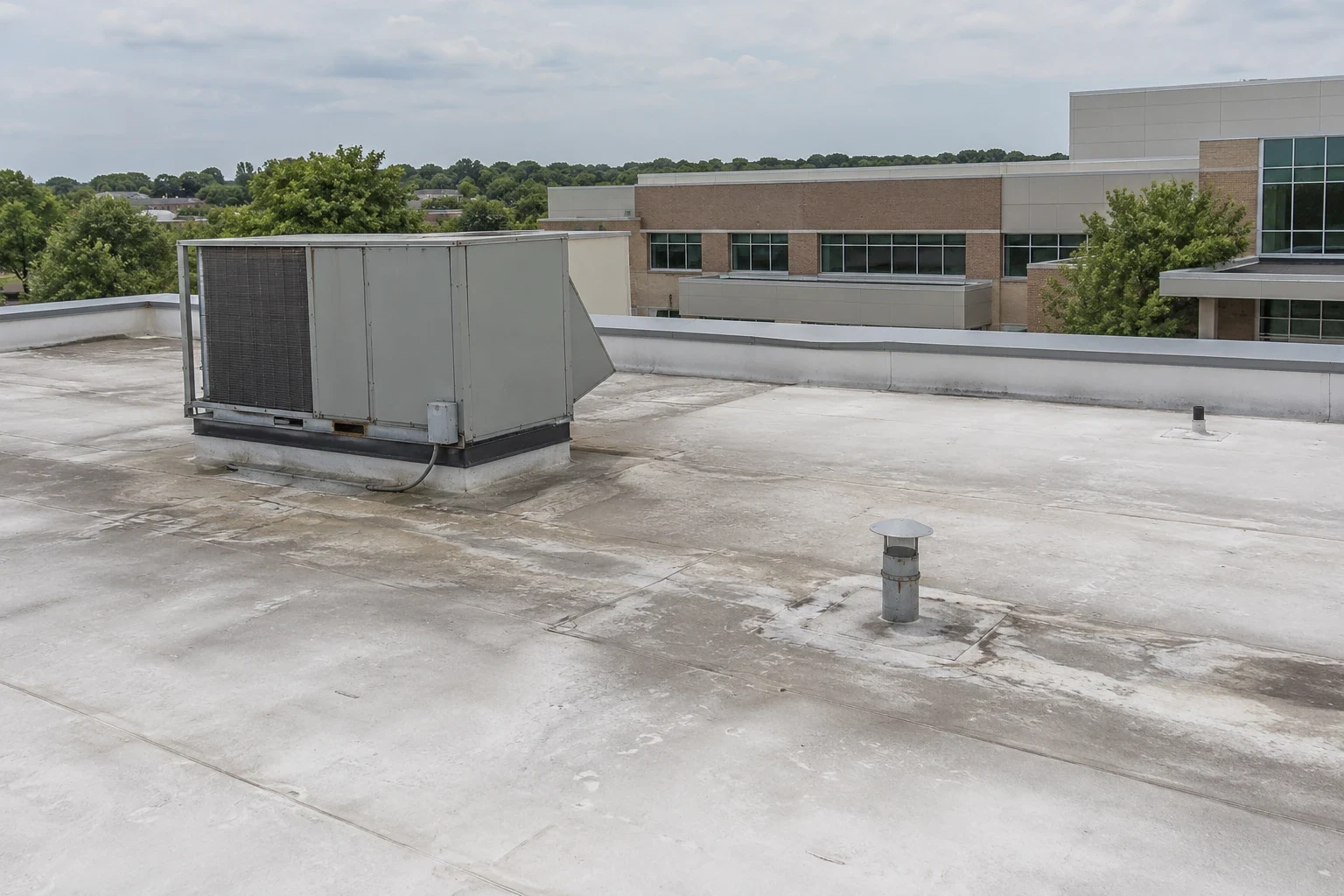
Penetrations get their own table. Each rooftop unit, vent, skylight and pipe is listed with its flashing type, the sealant condition and the last time anyone looked. Most leaks start where a trade has cut the roof, and the table points at the next one before it happens.
Test What the Surface Hides
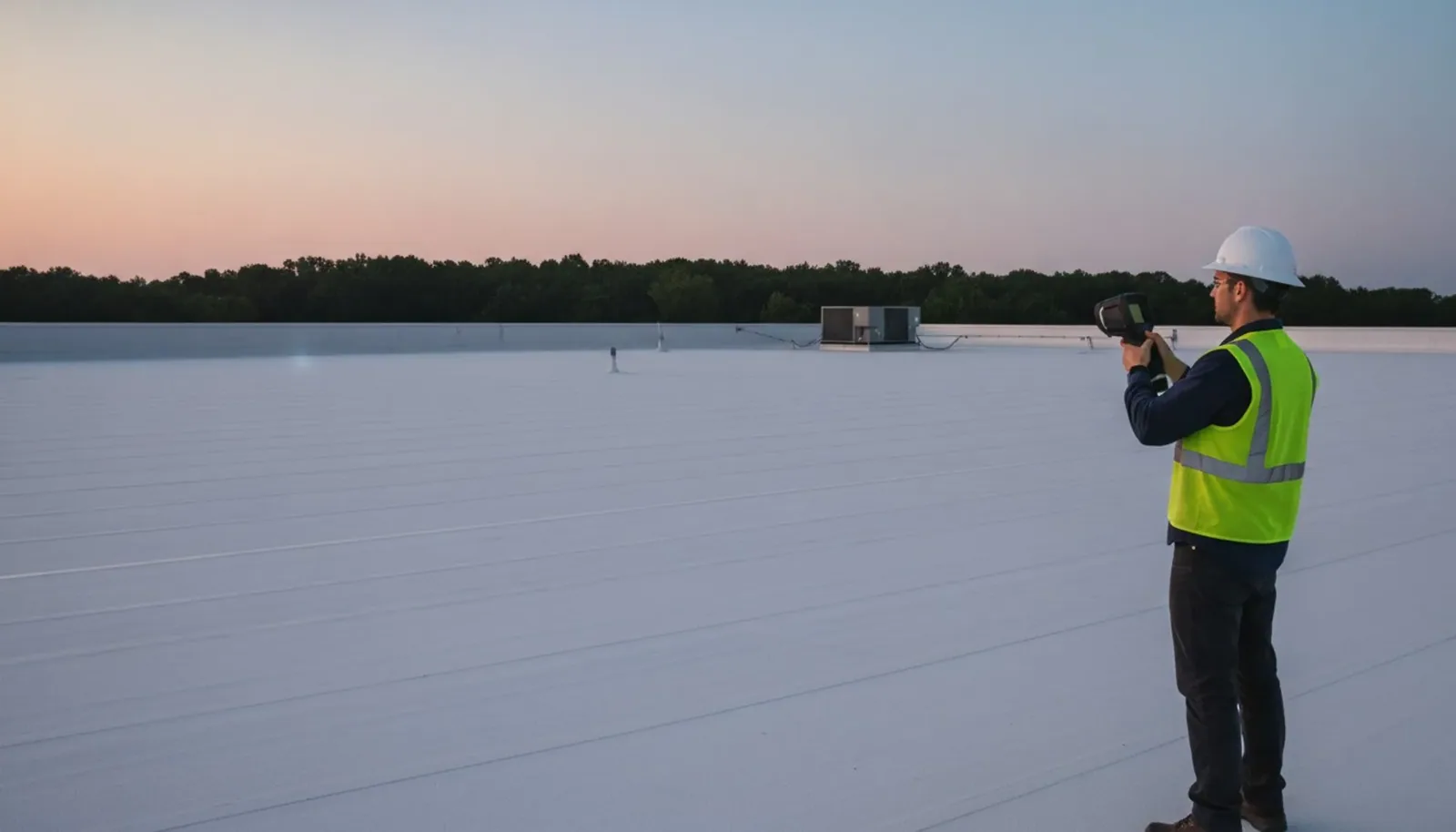
A roof can look sound and hold wet insulation. When leaks continue after repairs, or when the roof is old enough to suspect it, we add an infrared moisture survey and cut a few cores. The report records the layers found, their thickness and their condition, and it marks the wet areas on the plan.
Drains get their own page. We list each drain, scupper and overflow, whether it was clear, and how long water stood after the last rain. Water that stands at one drain on a long distribution roof is common and cheap to fix when found. The same pond left for a few seasons is how a deferred repair turns into a capital line.
Fasteners and edges close out the evidence. We count backed-out fasteners in a sample area, check edge metal for lift and note any sealant that has split. A roof in the path of straight-line wind or a remnant tropical system, as Charlotte saw when Hurricane Hugo arrived on September 22, 1989 with gusts of 87 mph, tests its edges before anything else.
Price the Cost of Waiting
For each finding the report gives two numbers: the cost to act now and the likely cost if the owner waits. We do not inflate the second one. If a worn walk path can wait two years with no consequence, the report says so. If an open flashing over racking is one storm from a claim, the report says that too.
This is the part built for budget use. It turns a list of repairs into a ranked decision, and it lets a property manager defend the order to a partner. Heat and rain drive wear here (July highs average 90.7 degrees, precipitation runs near 44 inches a year), so waiting on a leaking detail gets expensive fast in a wet summer.
Where a finding could affect insurance, we say so and keep the record clean. A dated photograph of a worn flashing before a storm, with a recommendation to repair it, is a better file than a photograph taken afterward. We do not make coverage calls. We make the record.
Write for the Building in Front of Us
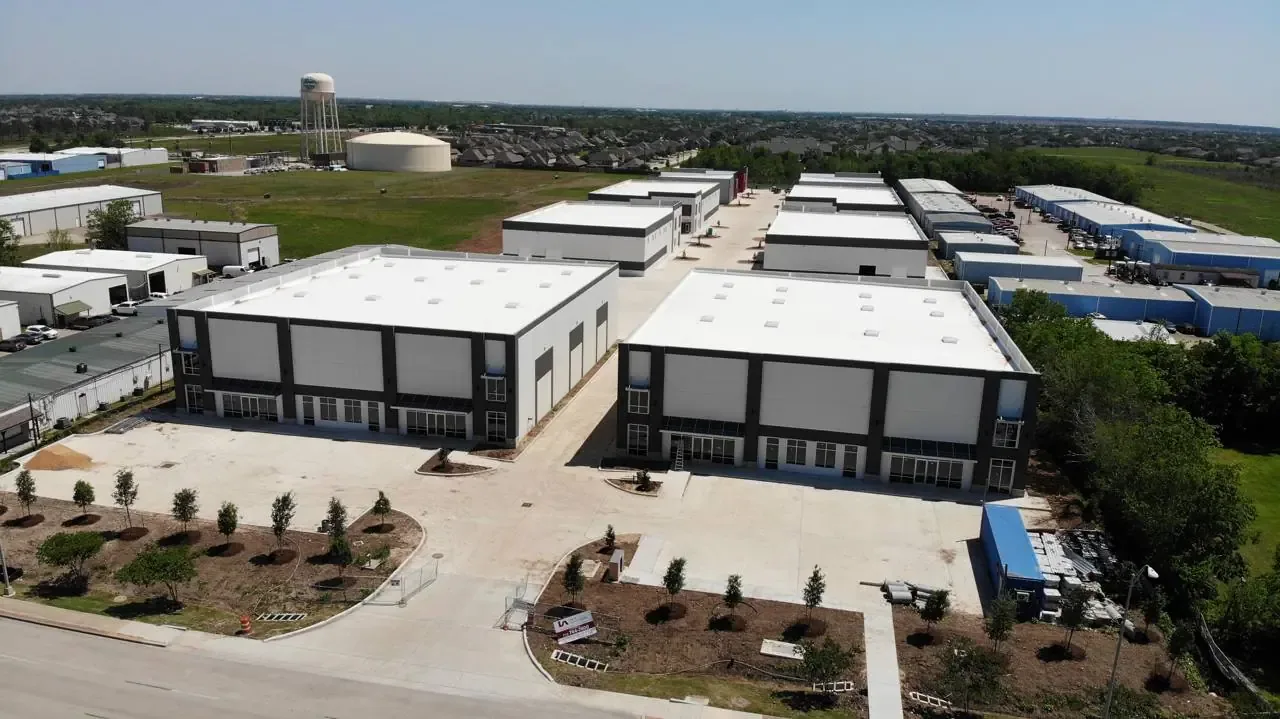
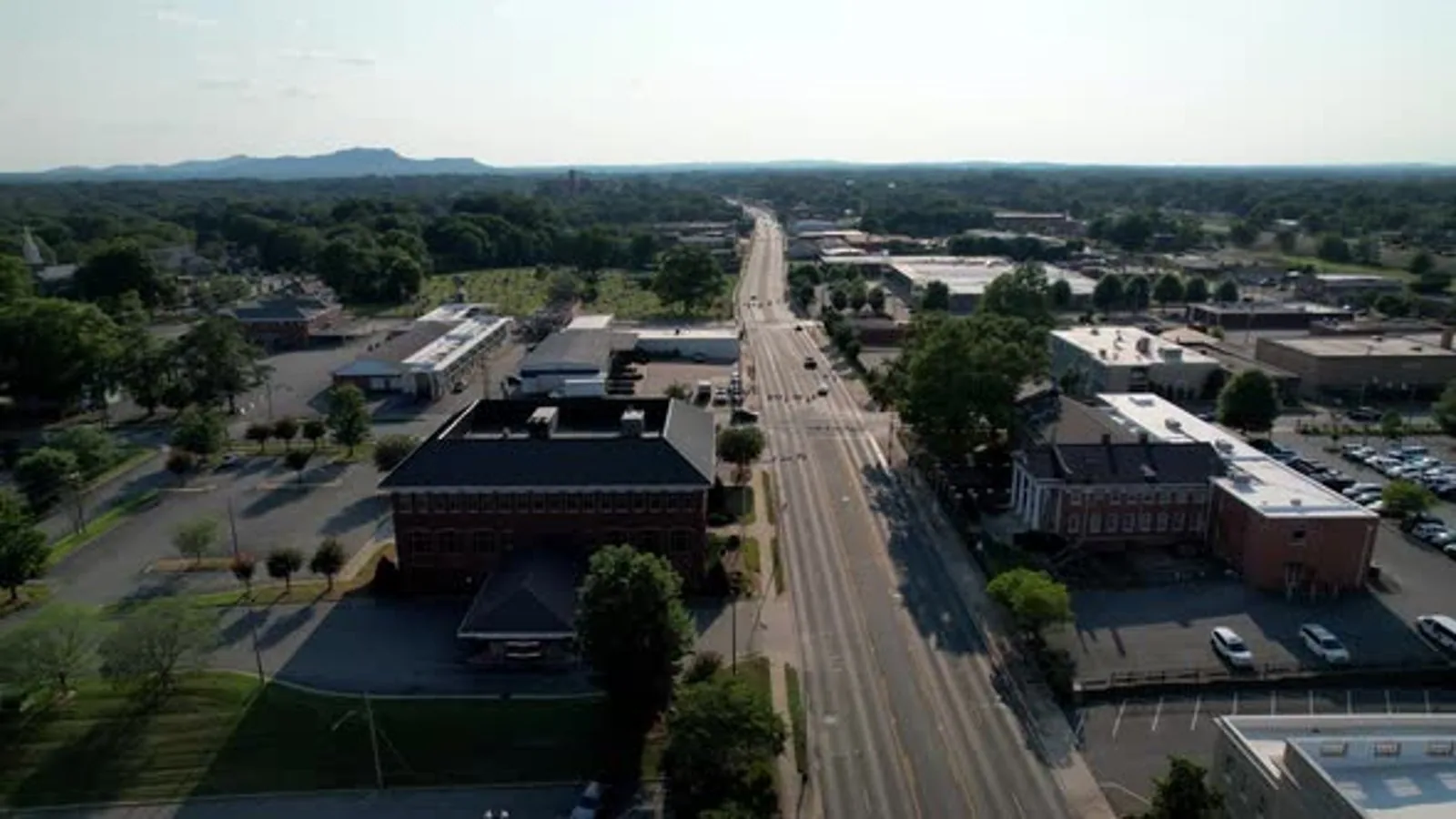
A report for a long distribution roof near Gateway85 focuses on drains, dock edges and seams over a large field. A report for a mill-era building near Loray focuses on parapet terminations, old patches and the layers beneath. A report for a medical office roof near Gaston Memorial Hospital focuses on rooftop equipment, penetrations and the ceilings below.
Each report states how the roof was reached and what the tenants needed, so the next visit starts faster. Roofs in the track of the May 8, 2024 EF-1 tornado, which ran from west of Gastonia toward McAdenville and Belmont, get a report that leads with edges, attachment and debris marks.
Mixed-use conversions need a note about the interior. A mill turned into apartments has finished ceilings under roofs that may never have been designed to sit above living space, and a small leak reaches a resident's ceiling fast. The report lists which roof sections sit over occupied units so repairs can be scheduled around the people below.
Use the Report After We Leave
The report is the owner's. It can go to a lender, a buyer, an insurer or another contractor, and any of them can read the same findings and price the same items. It also feeds the roof record and the capital plan, so one walk supports several decisions.
If you want a second opinion on another contractor's proposal, bring the report and the proposal together. The findings either support the scope or they do not, and it takes ten minutes to find out. A commercial roof inspection is where every report begins.
The report also ends with a short next-steps list. Item one is usually the cheapest thing that protects the most value. Item two is the one that needs a bid. The rest wait for the budget cycle, with a date on each. An owner can approve the first item the day the report arrives.
Commercial Roofing Questions
How long until I have the report?
We confirm a delivery date when the walk is booked. Urgent findings are called in the same day.
Does every report recommend replacement?
No. Many end with a repair list and a monitoring plan. The evidence drives the recommendation.
Can a lender rely on the report?
It carries photographs, core results and reasoning, so a third party can check it against the roof.
What if I disagree with a finding?
We will walk it again with you. The photograph and the measurement are on the page.
Is a drone survey part of the report?
It can be. A drone gives a clean overview, and seams, cores and flashings are still checked by hand.
Topic
Roof Condition Reports
Roof Types
Low-slope and metal
Related Roofing Work
Infrared Roof Moisture Surveys
Gateway85 Industrial Corridor