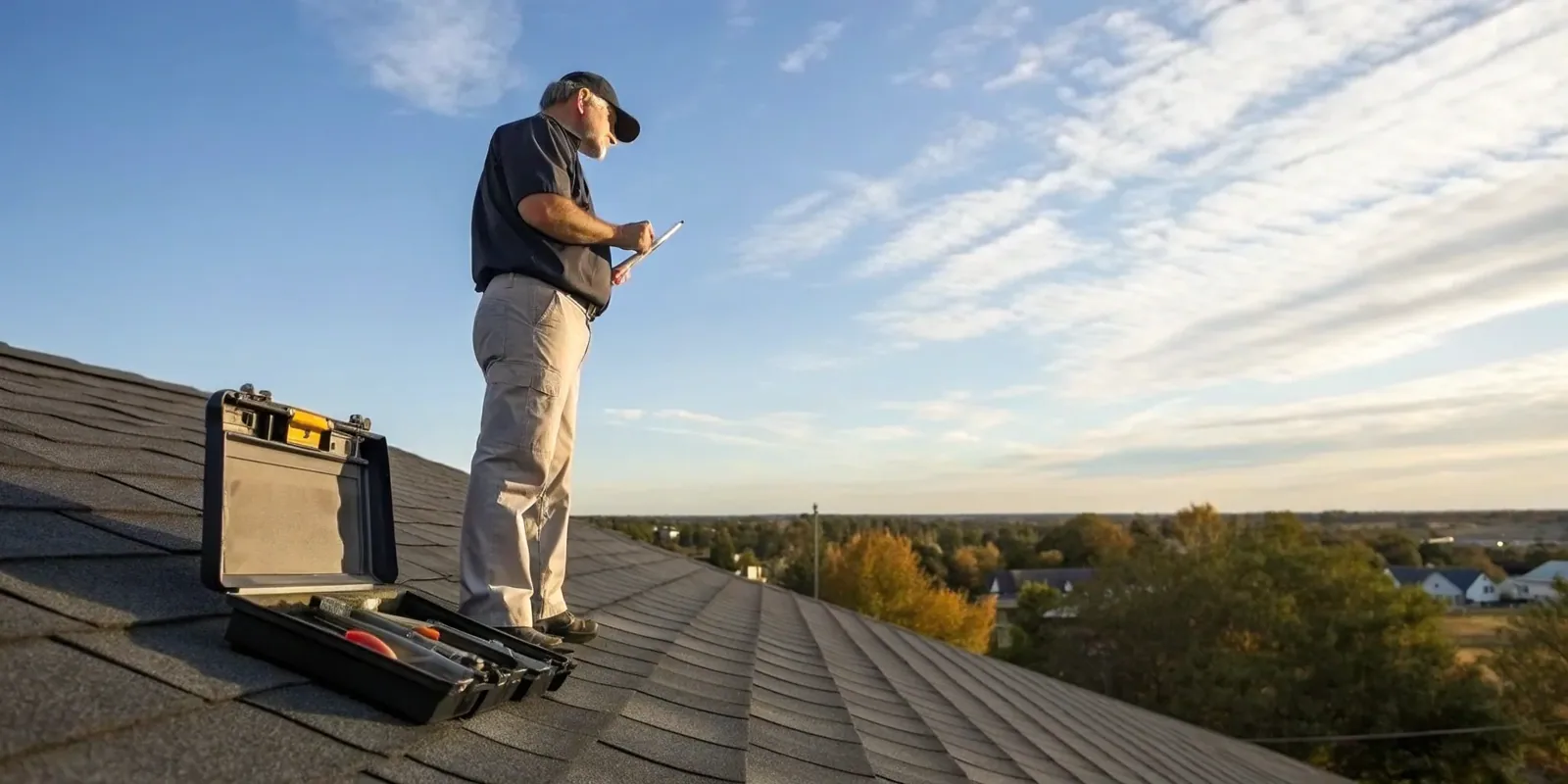
Commercial Roofing in Lowell, NC
Standing water along the low edge of a long roof is the finding that fits a town where rail, interstate and industry meet, and for a Lowell, NC owner it is the cue to ask where that water should have gone. Lowell had 3,654 residents in 2020 and sits east of Gastonia with the South Fork Catawba River on its northern border. I-85, US 29/74 and NC 7 serve the town, and Norfolk Southern freight rail runs through it.
The town started as a textile settlement around the Woodlawn Mill in 1848, and the Gateway85 industrial park now lies between Lowell and Gastonia. That mix of old textile roots and modern logistics space means roofs of very different ages share the same weather, and each gets its own findings.
Start at the Drains and the Low Edges
On a long, low-slope roof, water collects where it has the farthest to travel. We begin at the drains and scuppers, measure how deep water stands after a storm and test whether each outlet flows freely. A clogged outlet can hold water across a large area, and standing water ages the membrane and stresses the seams.
Gastonia records roughly 44 inches of annual rain and July highs near 91 degrees. Heat and rain meet on the same surface in the same season, and ponded areas take the worst of it. The first walk produces a map of ponds, a drain log and a list of seams to probe. From that map, the owner can see whether the cure is cleaning, a new outlet or a slope correction.
We also look at how the roof sheds water at its edges. Gutters and downspouts on smaller industrial buildings clog with dust and debris, and a full gutter overflows behind the fascia. Cleaning them costs little and protects the wall and the foundation as well as the roof.
Roof drainage also affects the ground below. Water discharged from a downspout onto a loading area or a paved lot can undermine surfaces and create ice or slick spots, so we confirm where each leader sends its water.
Account for Rail, Trucks and Vibration
Buildings near freight rail and truck routes live with vibration, dust and noise. Over time, vibration can loosen fasteners on edge metal and rooftop equipment and crack aging sealants. We check the supports under units, the cleat on coping and the fasteners at the perimeter, and we note any movement.
Dust and diesel residue matter on the surface, too. A dirty membrane runs hotter and ages faster, and some coatings do not bond to a contaminated surface. If a building is a candidate for restoration, we test adhesion on a cleaned patch before specifying a system. The result is a clear yes or no on whether a roof coating restoration will hold.
Fasteners at the perimeter are counted in a sample length and the number is logged, so a later visit can tell whether the count is dropping.
Read Older Textile-Era Buildings Carefully
Lowell's textile roots mean some buildings are decades old and have seen multiple owners. A core exposes the layers of an older roof, and a moisture scan shows if the insulation is dry.
On older buildings, deferred repair is the usual story. Patches from owners long gone, abandoned penetrations and flashings that were never replaced are common. Each is logged, with a photo, and priced two ways: fix now or fix later. When the roof is past repair, the report says so plainly and lays out replacement options and cost drivers. The owner then has the evidence for a capital line, a lender or a partner.
If the building is for sale, the findings summary helps both sides. The buyer sees the real cost of the roof, and the seller can fix the cheap items first. If the building is staying put, the summary becomes the maintenance plan for the next few years.
Coordinate With Gateway85 Neighbors
The Gateway85 industrial park lies between Lowell and Gastonia, and a building there raises the same questions about drainage, wind and warranties. A building in the Gateway85 Industrial Corridor is walked drains first, then seams and edges, and a smaller owner in Lowell gets the same sequence at a smaller scale and a different age.
Where buildings sit close together, we can combine mobilization, which saves cost and time. A shared crane day or lay-down area is a typical example.
Write a Scope the Budget Can Carry
Every walk ends with a written scope. It names the repair boundary, the tear-off limits where there is a tear-off, the materials, the tie-ins and the closeout. It lists the cost drivers: roof area, access, the amount of wet insulation, penetrations and the system chosen. The code edition that governs the permit is confirmed with the plan reviewer before pricing.
Owners with a few buildings can fold the scope into roof capital planning, which puts each line in a budget year. A first commercial roof inspection gives the baseline, and a seasonal visit keeps it current. Work in neighboring Cramerton follows the same format, so records line up across the area.
Keep the Operation Running
A building beside the tracks or the interstate keeps a delivery calendar, and the roof job has to live inside it. The staging plan starts from the yard: where trailers wait, where the dock aprons sit and when shipping peaks fall. We agree the crane day, the lay-down area and the roof access with the facility lead before mobilizing, and a trailer is never trapped by a lift.
Dry-in comes first. We open only what can be sealed the same day, we stage temporary protection for the next storm and we check the interior at day's end. For owners with stock under the roof, the zones above it get covered first. The closeout walk goes through every drain, edge and tie-in, and the photo log goes into the roof file.
Check Edges Before the Storm Season
A 2024 tornado took a section of one warehouse roof in East Gastonia, and a storm in 2020 traced nearly nine miles toward the Gastonia airport. Both are reminders to check edges, coping and equipment tie-downs ahead of the spring season.
We pull on perimeter metal, check fastener spacing and look at how rooftop units are secured. If a roof has taken a hit, it gets the checks of any wind-damaged roof, and the photo record goes to the insurer when the owner files a claim.
Commercial Roofing Questions
Does rail traffic damage a roof?
Not directly, but vibration can loosen fasteners and equipment supports over time. We check them as part of the walk and tighten or replace what has worked loose.
Can I restore an old roof near the rail line?
If the roof is dry and sound, yes. We clean the surface and test adhesion on a small area first, since dust and diesel residue can stop a coating from bonding.
What is the first thing you check on a leak call?
Drains, then the seams and flashings upslope of the stain. The stain is rarely under the entry point, so we trace the water path before touching the roof.
Do you serve small industrial owners?
Yes. The method is the same at any size, and the scope fits the building and the budget. Phasing the work across budget years is common.
How do you handle an unknown warranty?
We ask for the papers, match them to the roof and hold work that could put coverage at risk until the terms are confirmed.
Topic
Lowell
Roof Types
Low-slope and metal
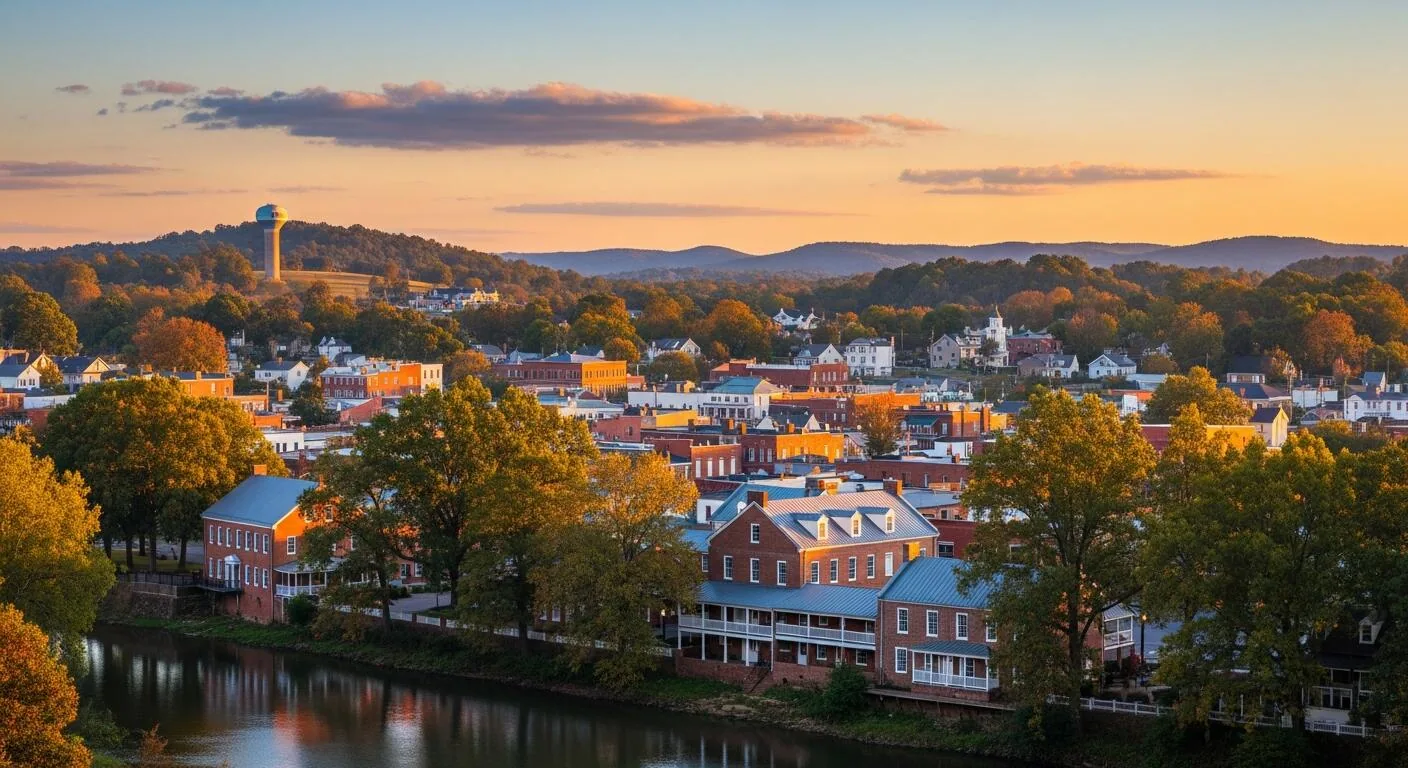
Related Roofing Work
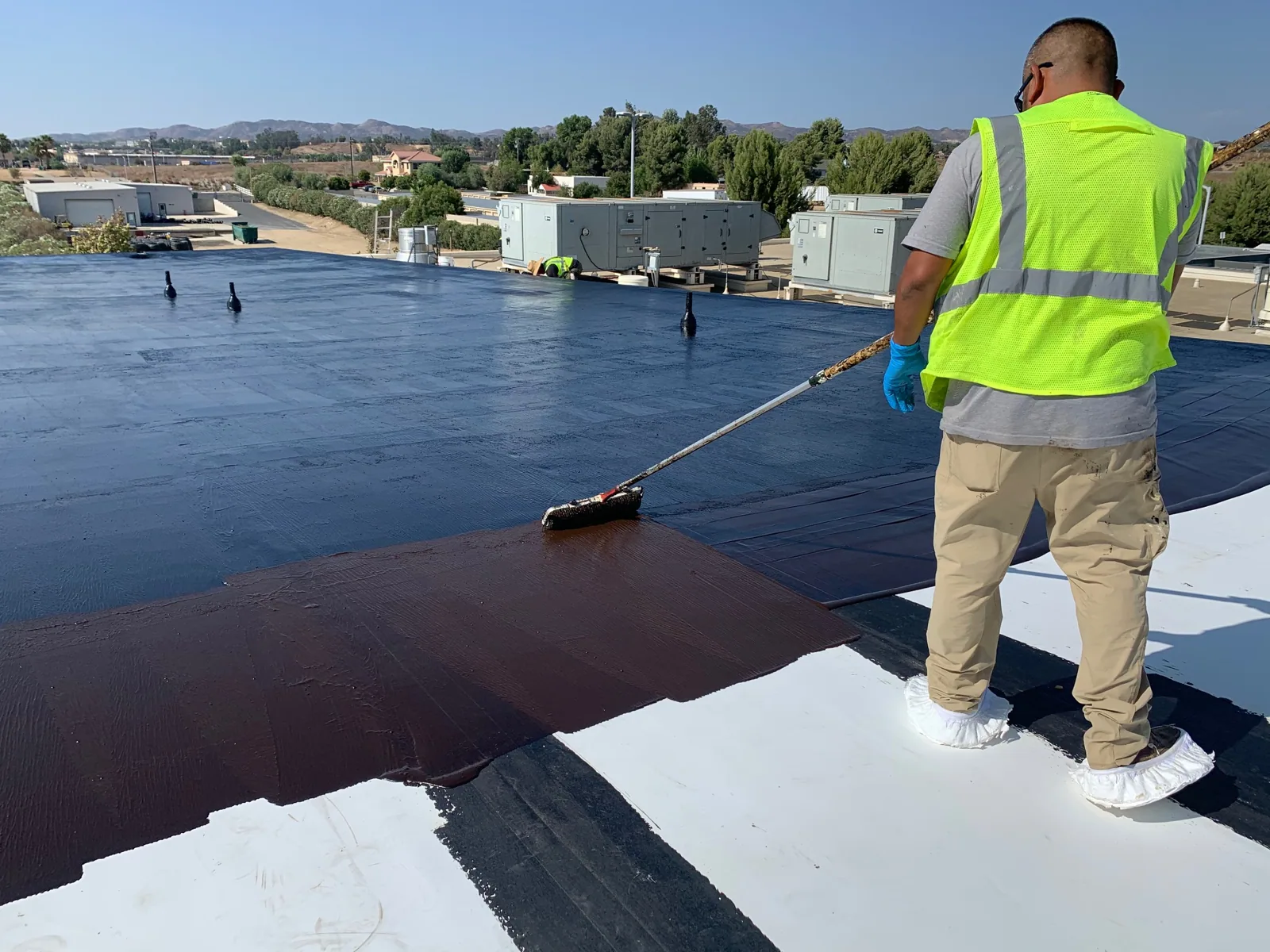
Roof Coating and Restoration
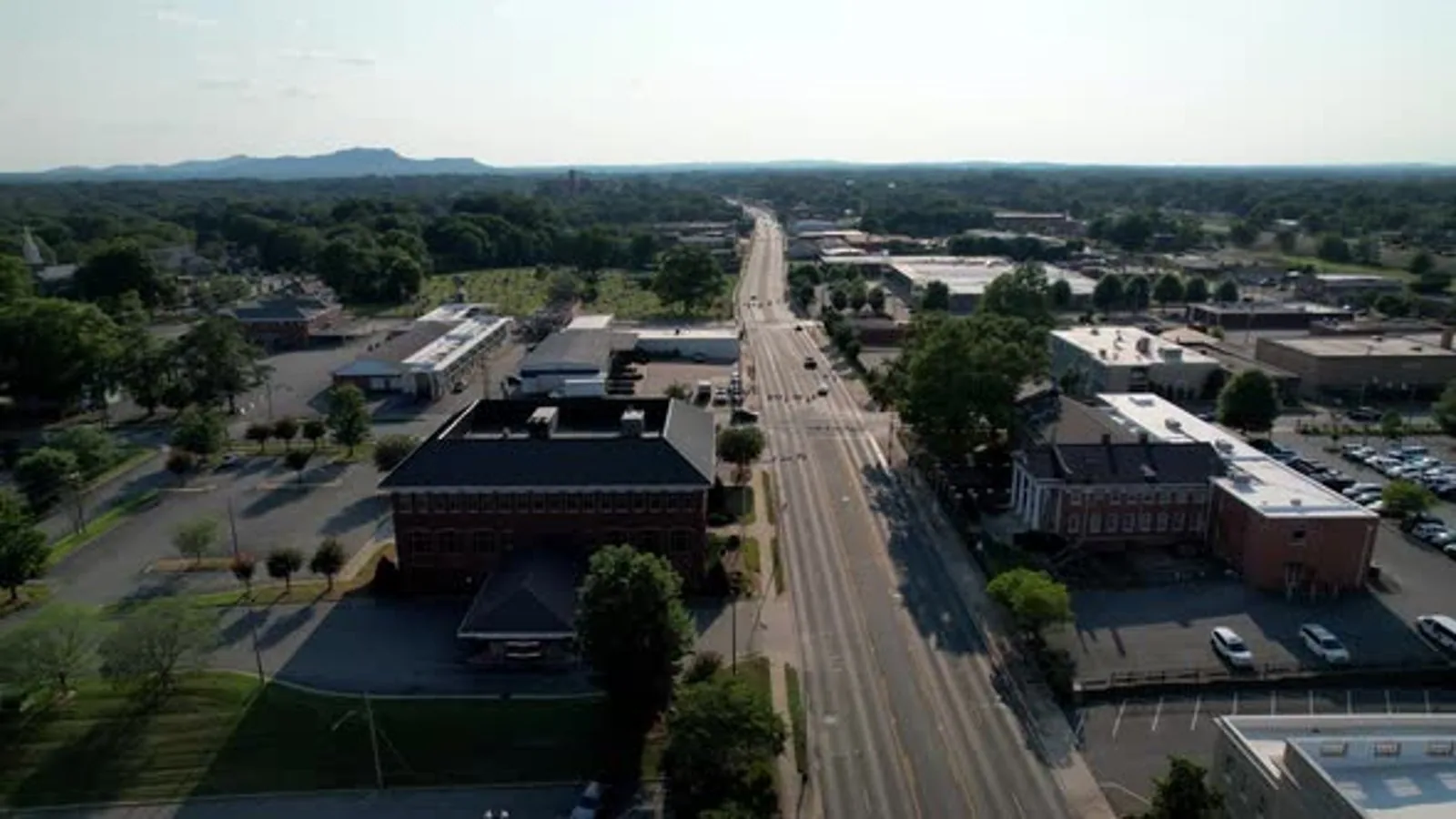
Gateway85 Industrial Corridor