
Commercial Roofing in Cramerton, NC
A former textile building with a flat roof and a history nobody wrote down is where a Cramerton, NC owner may start, and the finding that matters first is whether the insulation under that roof is still dry. Cramerton had 5,296 residents in 2020 and was built as a model mill village on the South Fork Catawba River, just east of Gastonia. The closures of Eagle Mountain Finishers and Lakewood Dyed Yarns left former textile buildings in town, and Syncot Fibers and Plastics runs a nylon recycling facility.
US 29/74, Wilkinson Boulevard, is the main east-west route, and Norfolk Southern provides freight rail. The roofs on buildings like these can be older industrial space, commercial buildings along the main road or structures left from the mill village years, and each needs its own record, because a town name tells you little about a roof.
Inspect Idle and Partly Used Buildings
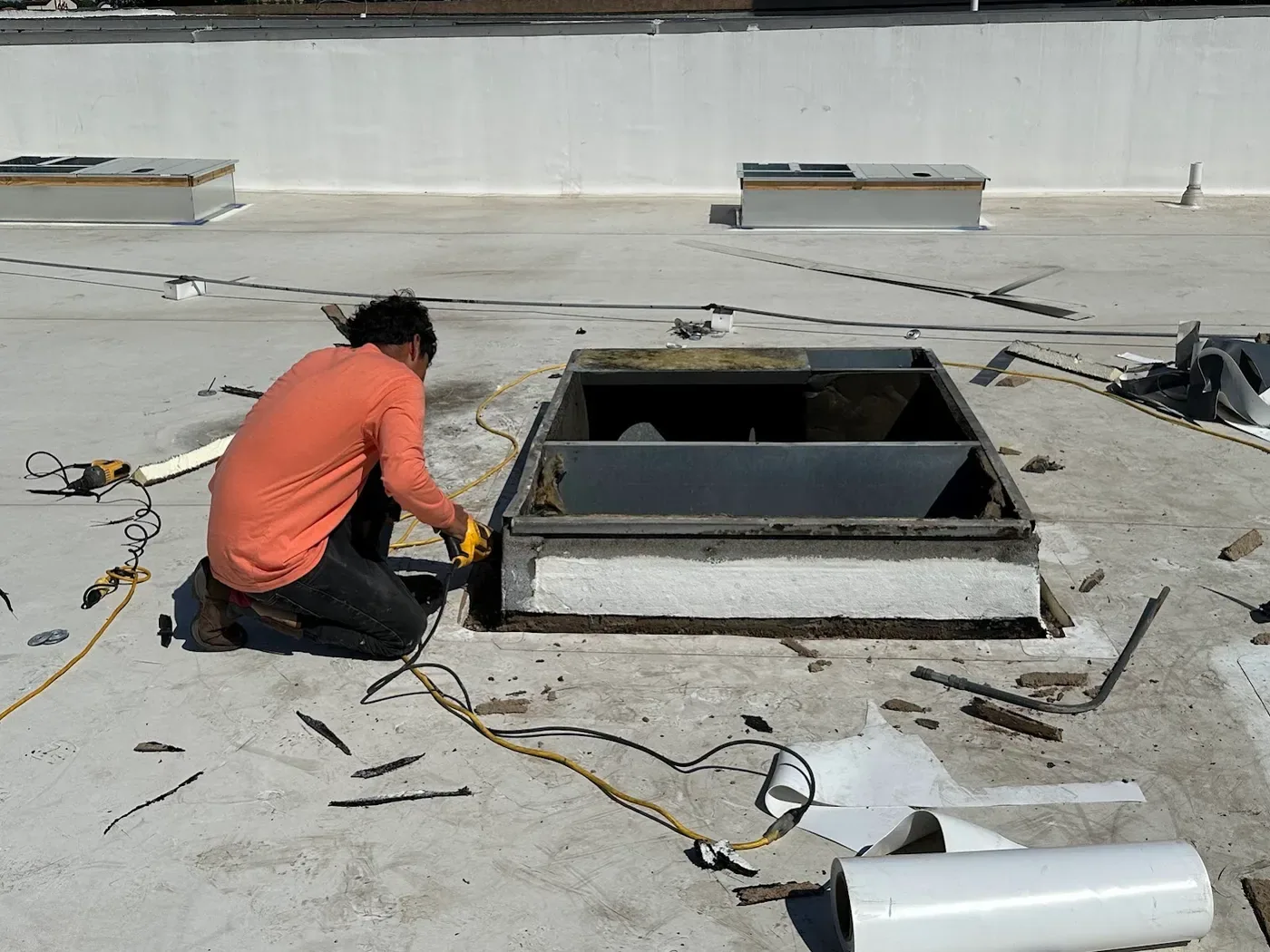
A building that has lost its original tenant often has a roof that has not been walked in years. Drains clog, seams open and nobody notices until a ceiling comes down. When we walk an idle textile building, we start with the drains and the long seam runs, then check the parapets and any penetrations left from old process equipment.
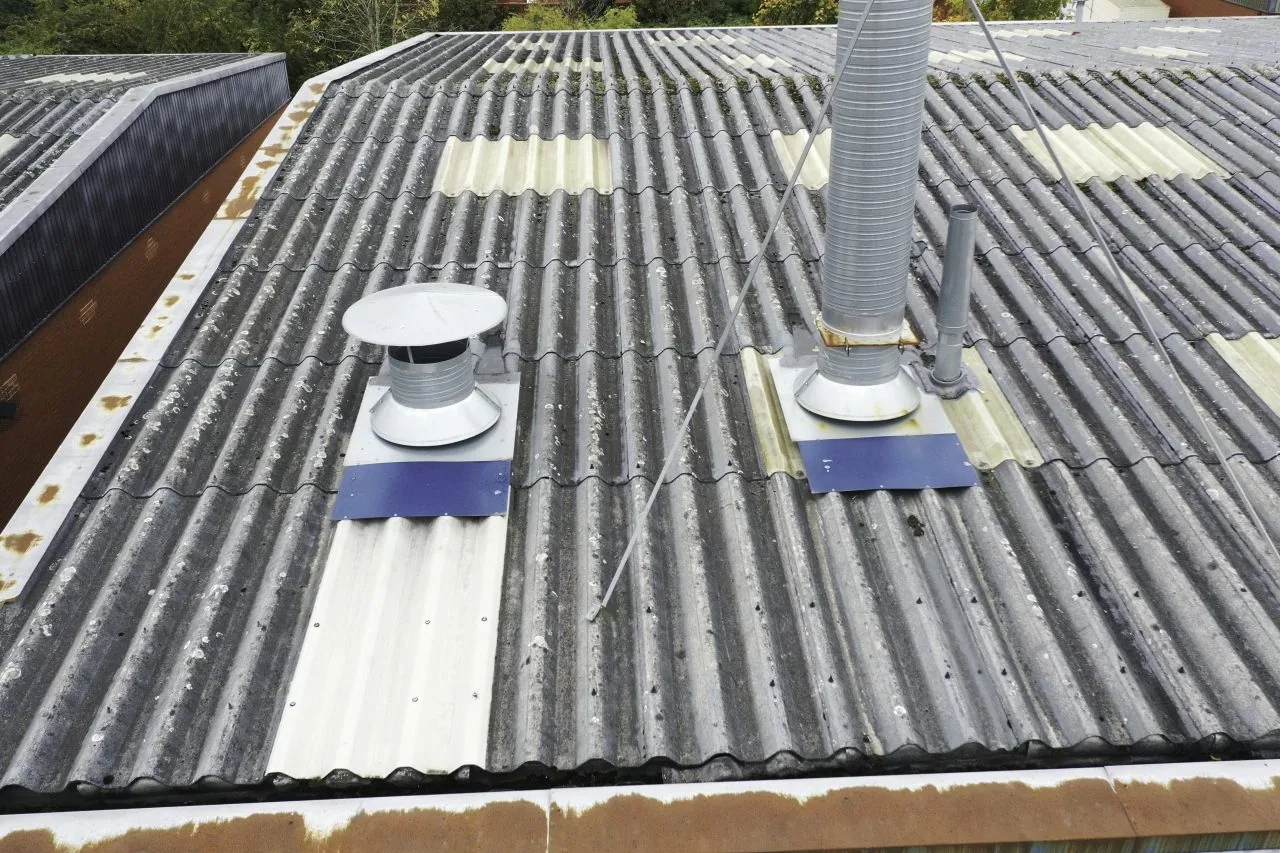
Abandoned penetrations are a common finding. A vent or stack that once served a dye line may now be capped badly or not at all, and each is a way for water to enter. We list every one, with a photograph and a recommendation to remove, seal or flash properly. The result is a plan an owner can use whether the building is to be sold, leased or redeveloped.
Rail frontage adds one more check. Vibration from freight trains on the line that serves the area can loosen fasteners and crack sealants over time, and we look at edges and equipment supports for signs of movement. It is a small item on the list, but it is cheap to fix when found early.
Plan the Roof Around the Next Use
A roof that was fine for a mill may not suit a new use. Storage, light manufacturing, a recycling operation or retail each puts different loads and moisture on the building. Before pricing a repair, we ask what the building will do for the next ten years and match the roof decision to the answer.
If the plan is to hold a building with little change, a focused repair that keeps water out and a drain program may be enough. If a new tenant needs rooftop equipment, the roof needs curbs and flashing set up before the crane arrives. If the building will be sold, a findings summary with cores and a moisture map helps the buyer and the seller agree on a price. A due diligence roof survey packages exactly that for a buyer.
Respect the Heat and the Spring Storms
Gastonia, just west of Cramerton, averages July highs near 91 degrees, about 44 inches of rain and barely an inch of snow a year, so heat and rain wear roofs there far more than snow load does. Soft seams in July, ponding after storms and spring wind on weak edges are the items to watch on a Cramerton roof.
In May 2024 a tornado with estimated 110 mph winds tracked across the county, leaving minor roof damage on several buildings. A roof near that track deserves a post-storm walk. We check edges, coping and rooftop units, and we document any damage with dated photographs for the owner and the insurer.
Compare Repair, Recover and Replacement
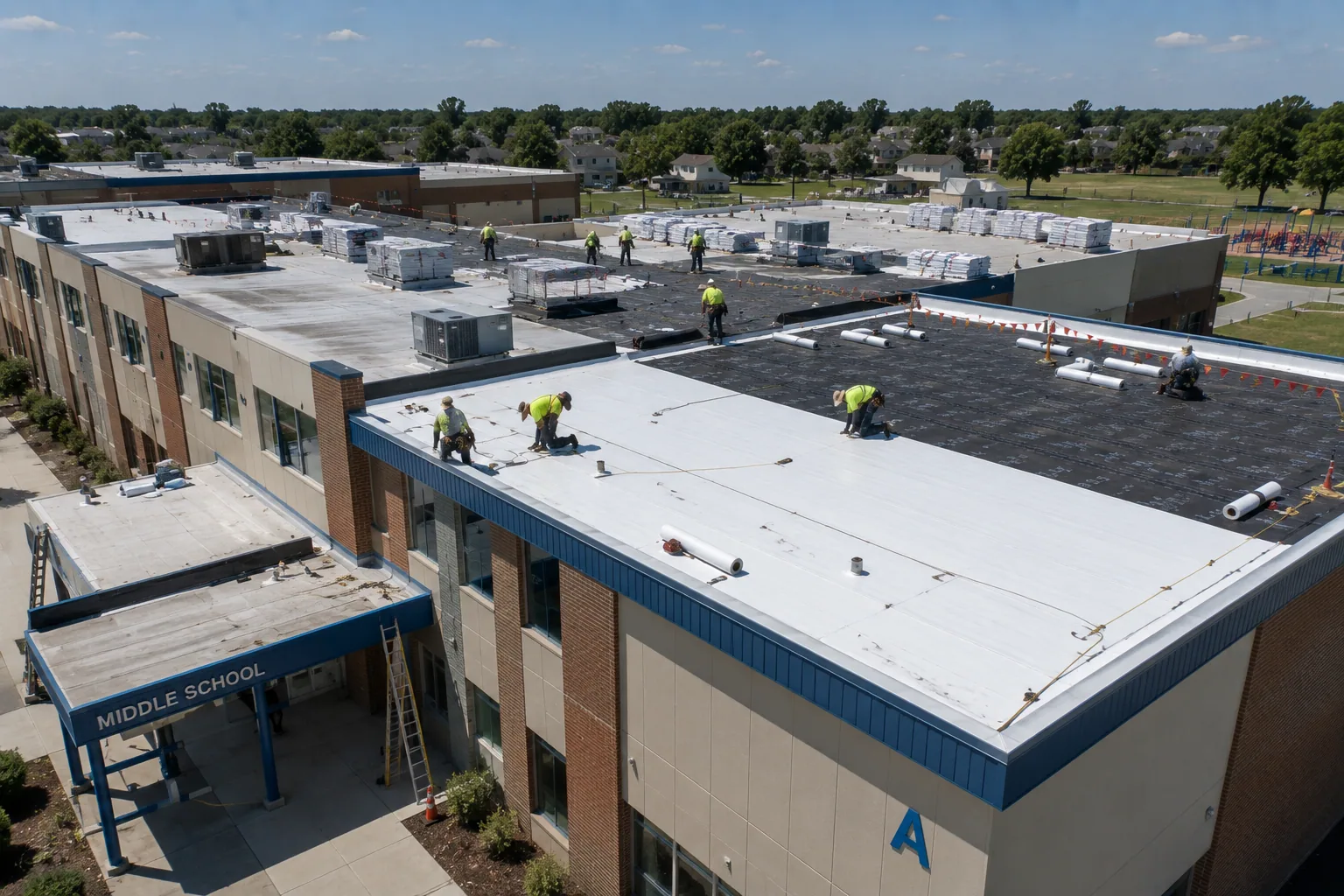
The options are the same as anywhere. A repair fixes defects and buys time. A roof recover adds a new membrane over a dry, sound roof. Replacement removes the roof down to the deck. On older buildings, the deciding evidence is the condition of the deck and the insulation, which only cores and scans show.
We write the three paths side by side with cost drivers: roof area, access, wet insulation, penetrations and the chosen system. No figures are invented. The owner picks, and the decision date goes on the page. A commercial roof repair scope for a building with a recycling or light industrial use also notes any process exhaust that affects the membrane, and where drainage is the weak link, the drains and scuppers are the first stop.
Coatings are worth a test on a dry, sound roof. Restoration costs less than replacement and can extend service life, but it fails over wet insulation, which is why the scan comes first.
Fit the Work to the Budget Cycle
Owners of smaller industrial and commercial buildings can work to a tight budget, and the roof competes with every other line. We help by sorting the findings into this quarter, this year and later, so the work that protects the building comes first and the rest waits for the next cycle.
Deferred repair has a price. A drain left clogged, a seam left open or a flashing left cracked costs little to fix now and a good deal more after the spring storm season has soaked the insulation. We write both numbers for each item, and the owner decides with the whole picture. Cost drivers are listed in plain terms, and where the owner wants a firm price for a defined scope, we provide one once the walk and any tests are done.
Phasing is an option. A building with several roof areas can be done one area at a time, starting with the worst, so spending follows need and the building stays in use. The plan shows each phase, its drivers and a decision date.
Keep Water Off Stock During the Work
A building in use for storage or light production holds stock that water would ruin. During any repair or reroof, we ask where the stock sits and cover the roof area above it first. Temporary protection is staged ahead of rain, and the opening is limited to what we can seal by evening.
For an idle building, the risk is different: a roof left open for a week while a sale closes is still exposed to a storm. We seal what we open and leave a dated photo record of the state of the roof at the end of each day.
Work With the Towns Next Door
A Cramerton job can run alongside work in Gastonia and Lowell, which share the rail line and Wilkinson Boulevard corridor. Crews, photo logs and findings summaries follow the same format, so an owner with buildings in more than one town gets consistent records.
Commercial Roofing Questions
Can a vacant textile building still be roofed?
Yes. We inspect, stop active leaks and plan the repair or replacement around the next use or sale, so money goes into the roof only as far as the plan needs.
What if I do not know the roof's age?
Cores and a moisture scan show the layers and their condition. Age is a clue, and the evidence decides repair, restoration or replacement.
Do old process penetrations need removing?
If they are unused, yes, or at least sealed and flashed properly. Each one is a possible entry point for water, and we list every one in the findings.
How soon can you look at a leaking roof?
Often within days. A leaking roof moves up the list, emergency calls are taken at any hour, and a temporary seal goes on first.
Can you give a written summary for a lender?
Yes. The summary carries photographs, findings, cost drivers and a repair-or-replace answer, ready to hand over as written.
Topic
Cramerton
Roof Types
Low-slope and metal
Related Roofing Work
Due Diligence Roof Surveys
Roof Recover and Overlay Systems