Commercial Roof Repair in Gastonia, NC
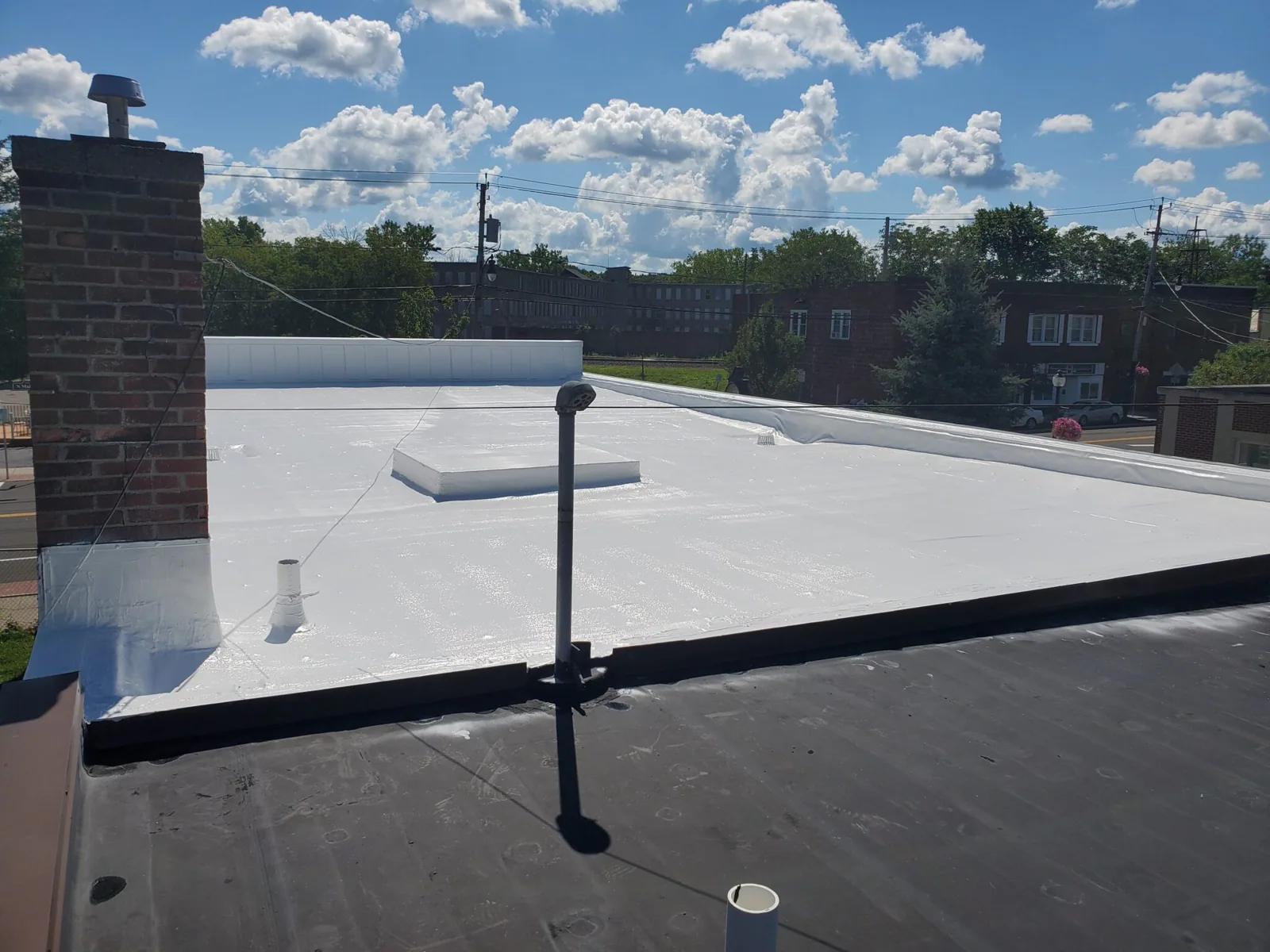
Ponded water sits at the low corner of a long roof for two days after every storm, and nobody has looked at it because nothing has leaked yet. That is a finding, and it tells us what comes next. The membrane under that water ages faster than the rest, the seams soften, and a small repair becomes a larger one. Planned repair in Gastonia, NC is about catching that stage on purpose, with a list, a price and a date, instead of reacting to a ceiling tile.
Our repair work starts with a walk of the whole roof, not just the spot where the complaint began. Complaints come from the interior. Causes live somewhere else, often up-slope of where the water appears. We trace the path, document it with photos, and mark each item on the plan as a patch for now or a fix for good.
Sorting Findings Into Patch and Fix
Every repair item falls into one of two groups. A patch buys time. It stops the leak, protects the interior and keeps the schedule intact, but it does not change the underlying condition. A fix removes the cause: a re-flashed curb, a replaced section of failed seam, a new drain bowl with a proper clamping ring. We list both and let the owner choose.
That choice usually turns on the roof's remaining service life. If the field of the membrane is sound, a proper fix at a failed detail pays off for years. If the field is worn out, spending heavily on details is rarely wise, and the better plan may be a short patch program while you budget for replacement. We will tell you which side of that line your roof sits on, and we will show the core samples and photos that put it there, so the call rests on what is under your membrane and not on a rule of thumb.
Counting the Cost of Deferred Repair
Deferred repair is a quick route from a manageable roof to an emergency. A flashing gap that costs little to close in dry weather can let water into insulation for months. The damage spreads sideways between the membrane and deck, so the interior stain is a late signal. By the time it appears, the wet area is usually larger than the stain, and what was a repair line item can grow into replaced insulation and sometimes deck.
There is also a records question. Warranty holders and insurance carriers read maintenance history. A written repair record showing that findings were identified and addressed supports a claim or a warranty case, while a pile of unaddressed reports works against it. We keep a dated photo log for every visit, which your files and your carrier can both use.
Writing the Repair Scope
A repair scope names location, defect, method and material for each item. Typical entries cover cut-and-patch of punctures, re-welding or re-adhering seams, replacing pipe boots and pitch pans, resealing or replacing counterflashing, restoring edge metal and clearing drains. We note which items are urgent, which can wait one budget cycle, and which are better folded into a larger project later.
Details drive cost more than size. Access matters too: a roof reached by a fixed ladder takes longer to supply than one with a hatch or stair, and equipment lifts add time on tight sites. A roof with twenty small penetrations costs more per square foot to repair than a clear field. On failed flashing, we rebuild the termination instead of smearing sealant over it. On a failed seam, we probe the joint and test adhesion, then reseal or weld it before the next rain.
Material compatibility matters at every repair. A patch must be made from a material that bonds to the existing membrane. TPO takes heat-welded patches, EPDM takes adhesives and tapes made for it, and modified bitumen takes torch or cold-applied repairs. Using the wrong product is a common reason an earlier repair fails within a season. We identify the membrane first, test a small area when its age or contamination is in doubt, and then choose the repair method that bonds.
Repairing Roofs Across Gaston County
Gastonia summers keep the July daily high near 91 F, and a membrane that is repeatedly heated and cooled moves at every seam, curb and wall. That movement is a steady source of the small failures we repair. Spring storms add wind and debris, and an active leak should be traced the day it appears through our leak repair service. After the May 2024 tornado that crossed from west of Gastonia to near McAdenville, several buildings along its path had minor roof damage, and a warehouse in East Gastonia lost part of its roof. Repairs after wind events differ from repairs after age: the first looks at torn edges and displaced membrane, the second at worn seams and cracked flashing.
The county mixes industrial buildings, such as those in the Gateway85 park between Gastonia and Lowell, with older mill structures in Belmont and around Loray. A building with a single failed detail needs a different plan from a mill-era roof with several. Owners in Mount Holly and the surrounding towns get the same written findings.
Keeping the Photo Log and Repair Records
Each repair visit ends with a short written summary: what we found, what we did, what remains and what we recommend next. Photos show before and after. For an owner with several buildings, that record turns repair spending into something a lender, buyer or auditor can read. It also lets you compare roofs against each other and decide where the next dollar goes first. For a property manager comparing several roofs, our preventive maintenance visits use the same format so one record follows each building.
The records also help during budget season. When several buildings compete for capital, a repair history shows which roofs are still earning their keep and which are consuming money. Owners who bring that history to a budget meeting make better choices than those working from memory, and a lender reviewing the property sees an owner who tracks the building and acts on findings.
Commercial Roofing Questions
Is a repair going to hold, or am I throwing money away?
It holds when it addresses the cause. A patch over a failed detail buys time. A re-flashed or rebuilt detail removes the cause. We label each item so you know which one you are paying for.
Can you repair a roof that is close to the end of its life?
Yes, as a bridge. We focus on items that stop active leaks and protect the interior while you plan replacement. Heavy spending on a roof that is clearly finished is not something we recommend.
What causes leaks that keep returning to the same spot?
Usually the entry point is up-slope of where the water appears, so the first repair misses it. We trace the path across the deck, test suspect details and repair the true entry.
How soon can a crew get to a non-emergency repair?
Scheduling depends on weather and the size of the list. We group nearby items into one visit and give you a date. Active leaks move to the front of the line.
Do you repair roofs installed by other contractors?
Yes. We repair existing membranes and systems of many types. Before we start, we check the warranty status so a repair does not create a conflict.
Topic
Commercial Roof Repair
Roof Types
Low-slope and metal

Related Roofing Work
Commercial Roof Replacement
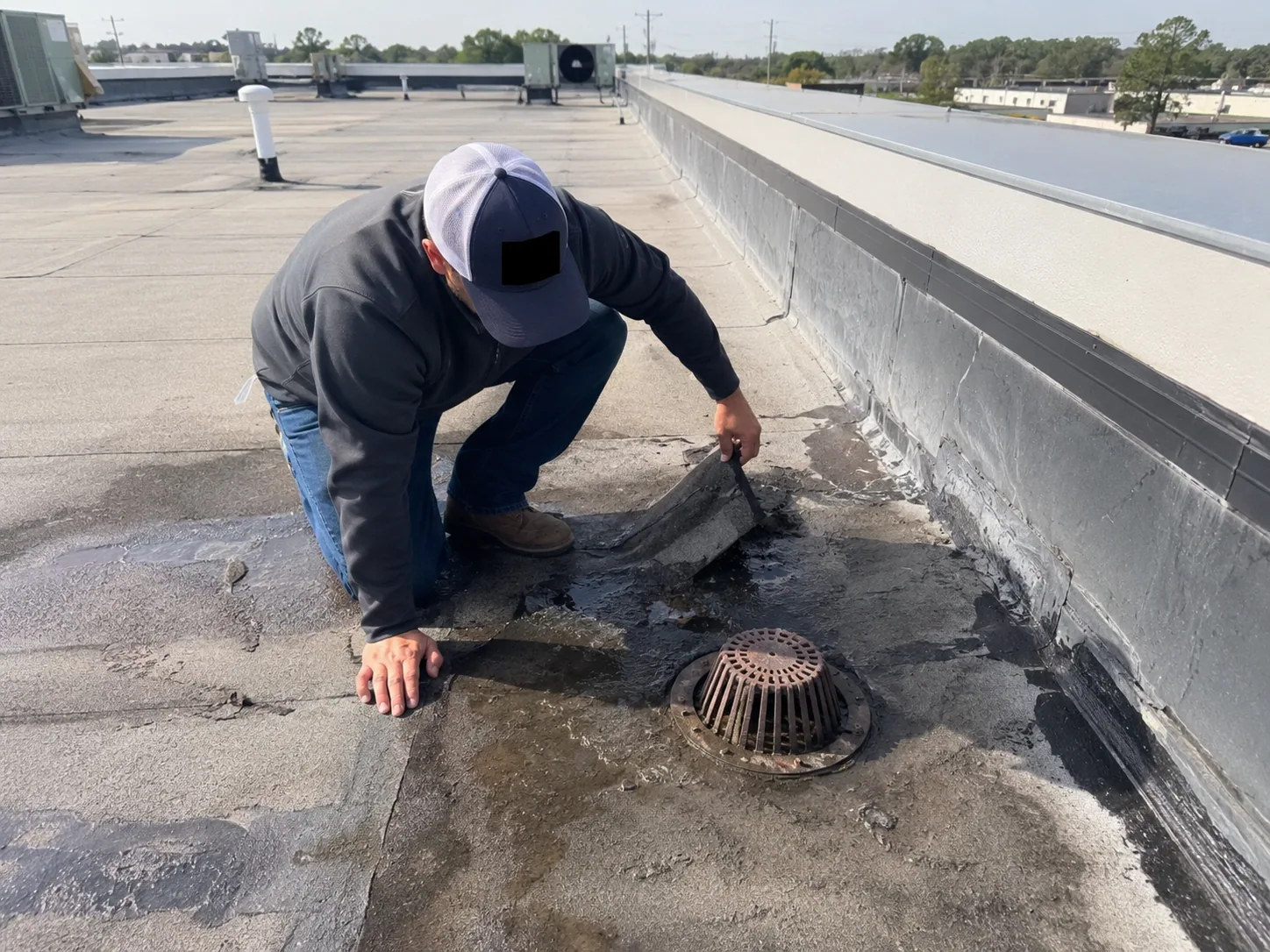
Failed Flashing Repair