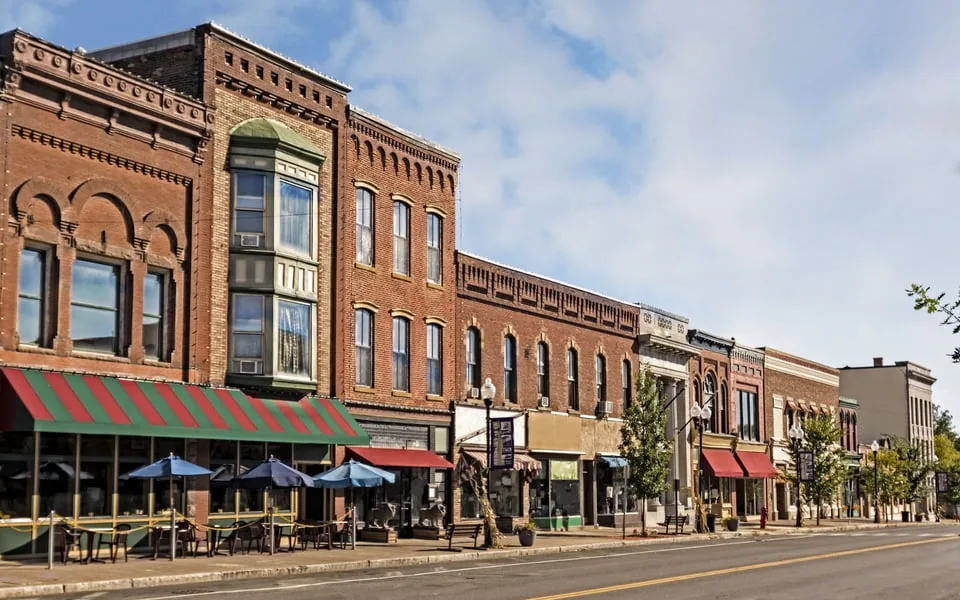
Commercial Roof Inspections in Gastonia, NC
The most useful thing an inspection produces is a decision. Not a grade, not a list of adjectives, but an answer to the questions an owner actually has: how many years does this roof have, what should be fixed now, what can wait, and what will it cost to be wrong? In Gastonia, NC, where roofs bake through summer afternoons near 91 F and take hard spring storms, we write the inspection to answer exactly those questions.
We walk every section of the roof on foot. We look closely at seams, flashings, drains, penetrations and the field of the membrane, and we photograph each finding with its location marked on a plan. You receive the findings in writing, sorted by urgency, with a repair estimate and a view on remaining service life. If the roof needs a closer look through core cuts or a moisture survey, we tell you why and what it would add.
What We Look at on the Roof
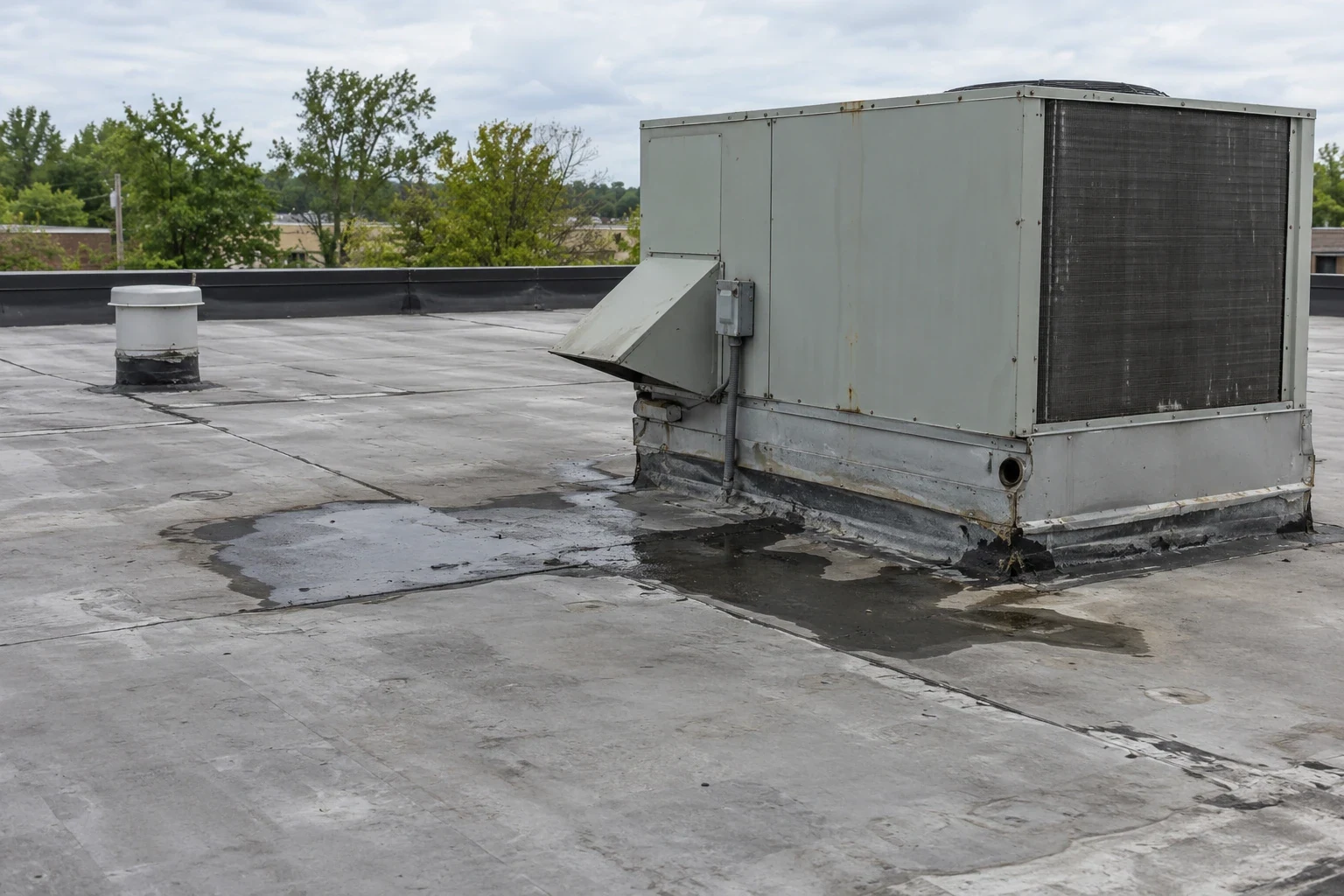
An inspection begins at the perimeter and works inward. Edge metal, coping and parapet caps show movement and open joints. Walls and curbs show flashing failures, lifted terminations and sealant that has dried out. Seams show whether the membrane is still bonded or has started to separate. Drains and scuppers show whether water leaves the roof or sits, and a roof that holds water after rain is reported with the depth and extent of the pond.
Then we turn to the field. Blisters, cracks, splits, punctures, loss of granules and surface erosion each say something about age and exposure. Mechanically attached systems can show fastener back-out. Metal roofs can show loose panels, failed sealant and corrosion at fasteners. Rooftop equipment gets a look as well, because condensate lines, refrigerant lines and curb flashings are common leak sources that no one on the roof owns until water appears.
Reading Inside Evidence Alongside the Roof
Interior signs help us understand what the roof is doing. We ask where ceilings have stained, where tenants have reported drips and whether any areas feel damp. We compare those reports with what we see above. A stain on the north side of a building and a ponded area directly above it tell one story. A stain with no matching roof condition tells another and sends us to look at plumbing, rooftop units or condensation.
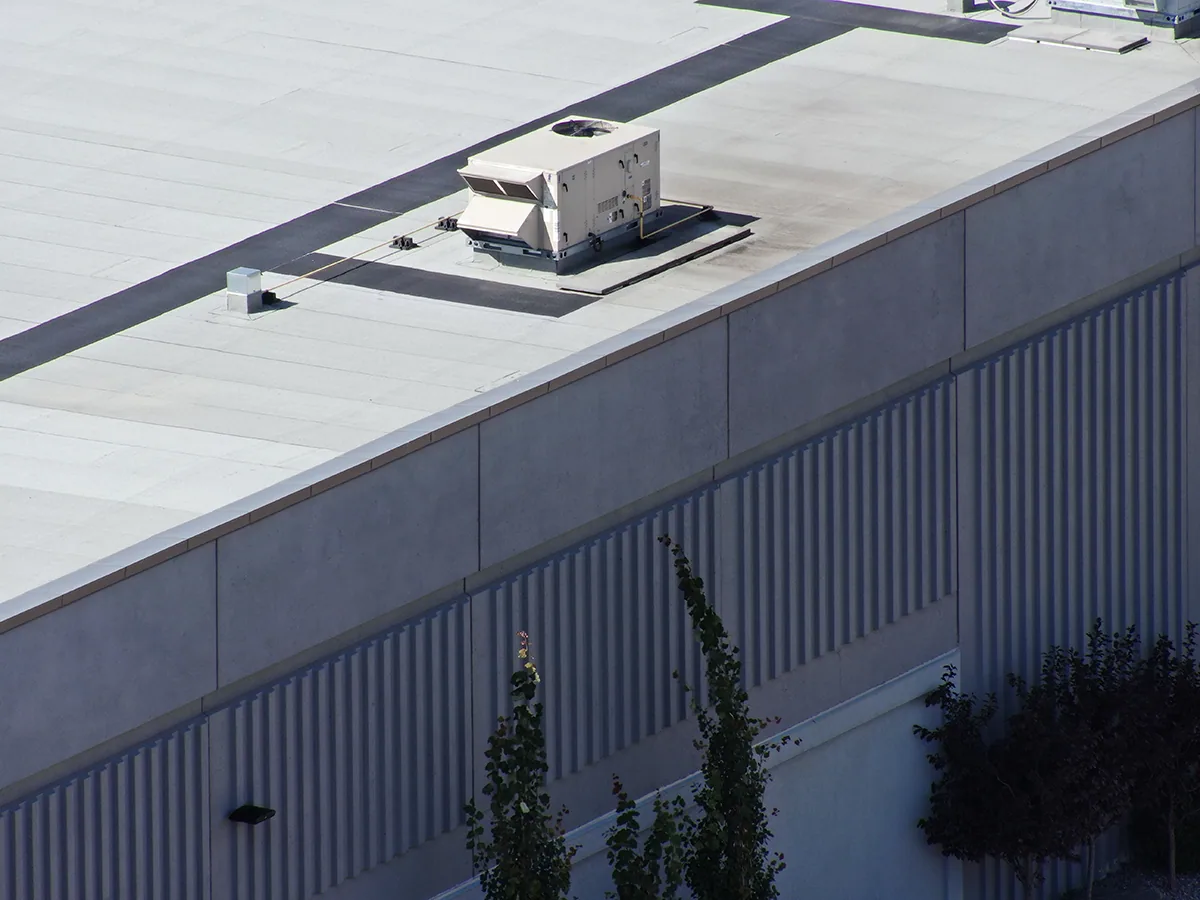
For roofs where the surface looks acceptable but history suggests trouble, we add testing. A moisture survey finds wet insulation. A drone inspection speeds up access to large or difficult roofs and supports the walk-through with imagery. We recommend these only when they will change a decision.
We also record the things around the roof that affect it: how water reaches the drains, whether gutters and downspouts discharge away from the building, whether trees overhang the edge, and whether equipment on the roof has been serviced without damage to the membrane. Service visits are a frequent cause of punctures, and a note of where foot traffic runs gives you a place to add walk pads before the next failure.
Turning Findings Into a Repair or Replace Call
The report ends with a recommendation. For each roof we say whether to repair, monitor, recover or replace, and we explain why. We show the findings that support it, and we give a rough window for when the next decision will arrive if the recommendation is to wait.
Repair items are listed with prices so you can approve them straight from the report. Larger items, such as partial replacement or a full commercial roof replacement, are described with a scope range and the conditions that would change it. When a roof is near the end of its life, the report tells you so, with enough detail to put the project on a capital plan. That is where an inspection earns its fee: it moves the roof from a worry to a line item.
For owners with more than one building, we rank the roofs against each other. A ranked list shows which building needs money first, which can wait a year and which are healthy enough to leave on a maintenance schedule. That ranking is often the most valuable page in the report, because it lets a budget meeting spend on the roof that carries the most risk instead of the one that complained most recently.
Inspection Needs Across Gaston County Buildings
Building type shapes the inspection. The industrial buildings at Gateway85, between Gastonia and Lowell, call for a plan built on drainage, perimeter details and rooftop penetrations, the same checklist a warehouse roof gets. The medical and office buildings in the Summit at Court Drive park beside Gaston Memorial Hospital call for attention to rooftop equipment, interior sensitivity and access. Mill buildings in Belmont and the Loray district, where conversions are under way, raise questions about the age and layering of the roof system and about the condition of the deck, which we check at cores and low spots.
Retail along North New Hope Road near Eastridge Mall adds its own questions about parapets, canopies and tenants whose spaces may sit under one roof, and we check each on site. In each case we organize the report by building area, so a property manager can hand the right section to the right tenant or contractor. Owners in Cramerton and elsewhere in the county receive the same format.
Choosing When to Inspect
Two times of year work best. Late winter or early spring, before storm season, lets us find and fix weaknesses before heavy weather arrives. Autumn, after the summer heat and the first leaf fall, shows what a long season did to the roof and gives time to schedule repairs before cold weather. After any major wind event, such as the May 2024 tornado that crossed Gastonia, an extra visit is worthwhile even for roofs that look fine.
Inspections also matter around a transaction. A buyer or lender who sees a dated report with photos and a remaining-life estimate has something to price from. A buyer may want one before closing, and an owner planning a sale may want to know what a buyer will find. For ongoing needs, our preventive roof maintenance program turns the inspection into a repeating schedule, with the same photo log each visit.
Commercial Roofing Questions
What do I get after the inspection is finished?
A written report with photos tied to a roof plan, findings ranked by urgency, repair prices, an estimate of remaining service life and a clear recommendation on repair, monitor, recover or replace.
Does an inspection include testing for wet insulation?
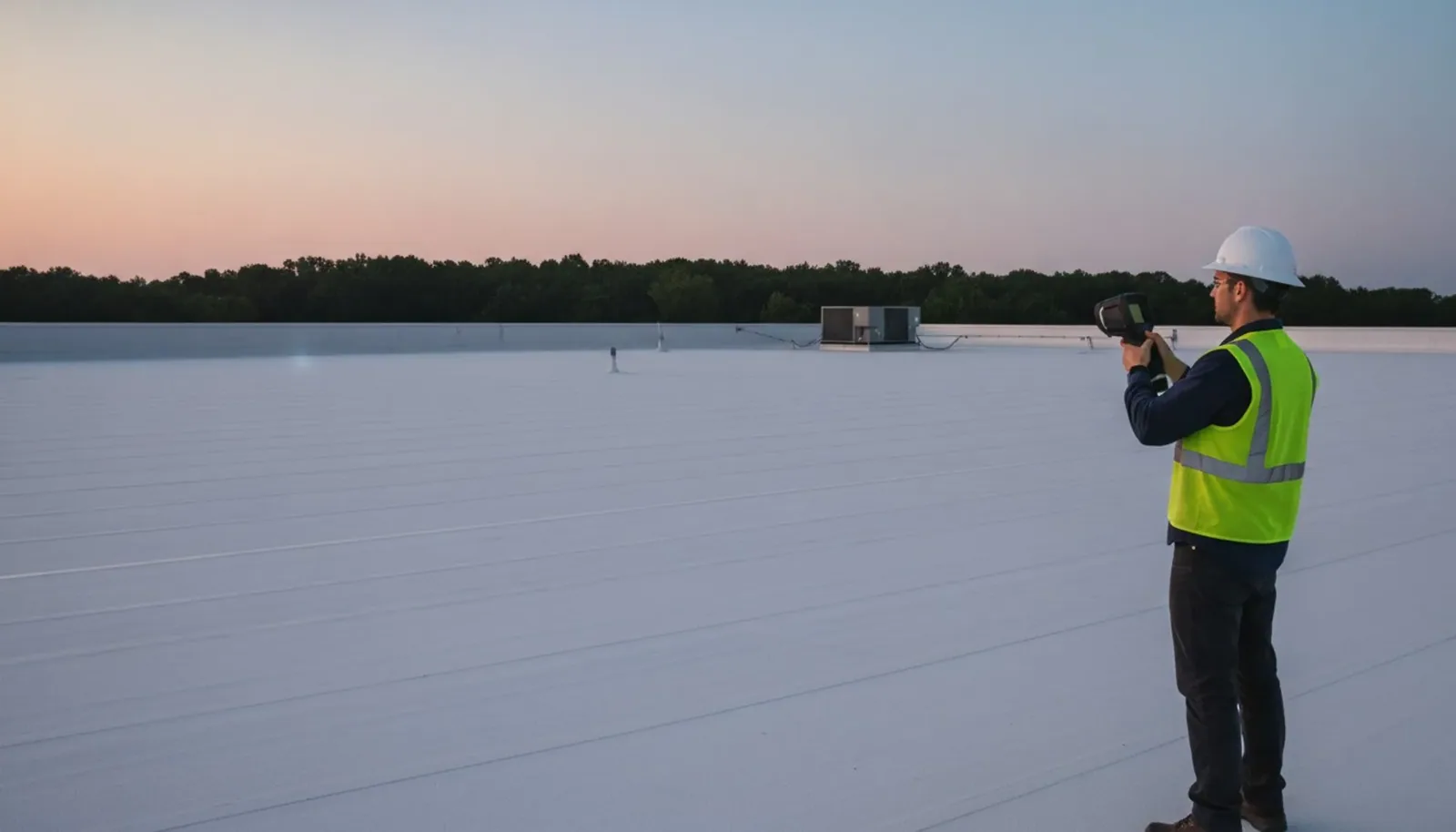
A visual inspection does not locate wet insulation by itself. Where the history or the surface suggests moisture, we add infrared scanning or core cuts and explain the cost before we start.
Will you tell me if the roof needs replacement soon?
Yes, and we say how soon. The report separates roofs that can be repaired for several more years from roofs that should be on next year's capital plan.
Can the report be shared with a lender, buyer or insurance carrier?
It is written for that use. Photos, locations and findings are clear enough for a third party to read without walking the roof.
How do you handle a building with several tenants?
We organize findings by roof area and by the units below, so a manager can show a tenant the part that concerns them and approve repairs one section at a time.
Topic
Commercial Roof Inspections
Roof Types
Low-slope and metal
Related Roofing Work
Infrared Roof Moisture Surveys
Drone Roof Inspection