Storm Damage Roof Repair in Gastonia, NC
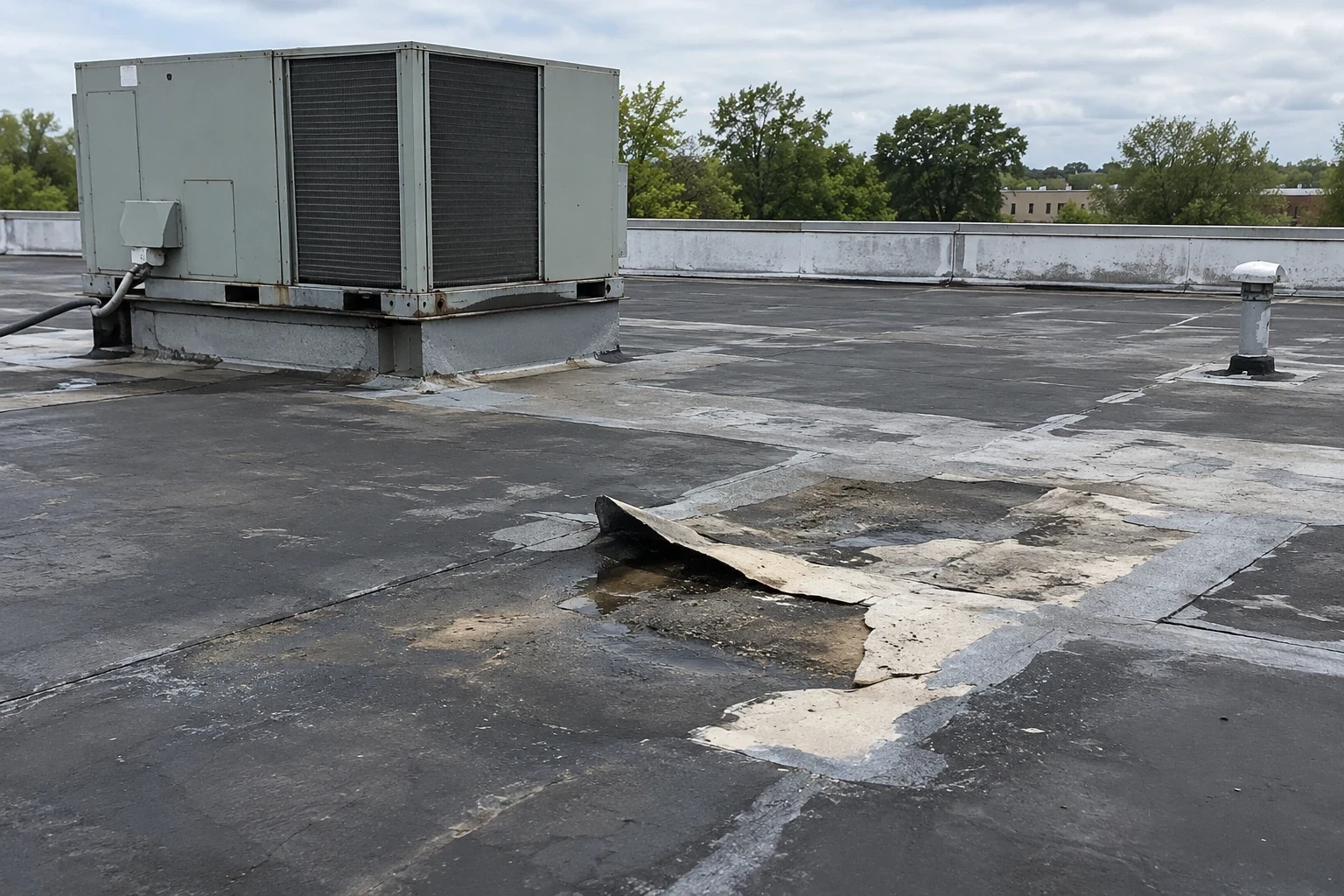
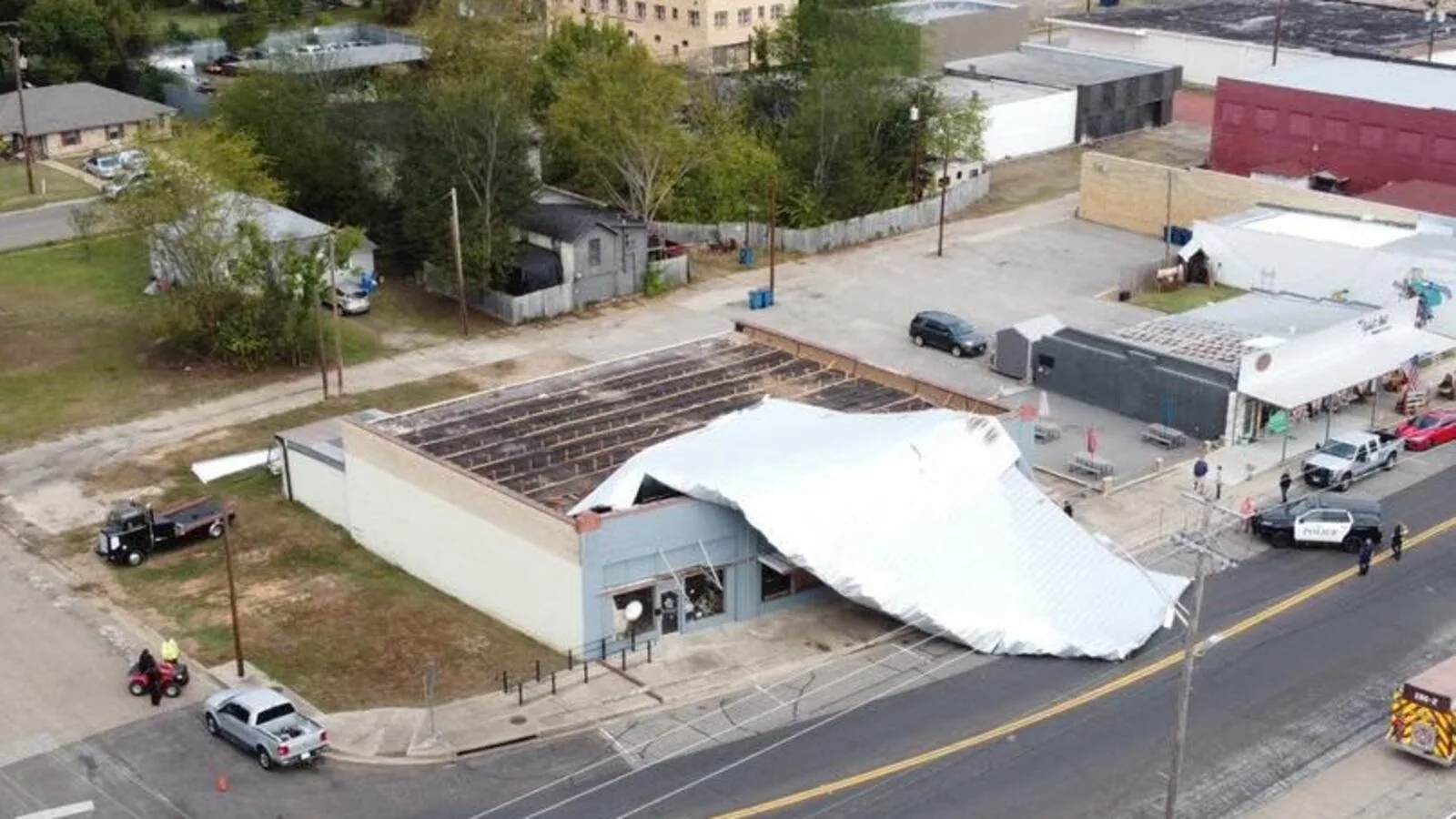
Coping lifted at the corner, a fold in the membrane running back from it, and a scatter of fasteners on the lot below. That is what a straight-line wind leaves on a flat commercial roof, and the damage is rarely limited to what shows from the ground. A lifted edge has let wind under the sheet, and the sheet may be loose a long way from the corner. The first walk after a storm is where the repair budget gets set, and the photographs from that walk are the record every later decision depends on.
The question the owner faces is the same every time. What did this storm cost, what does the permanent fix cost, and what happens if the fix waits for the next budget cycle?
Document the Damage Before Anything Moves
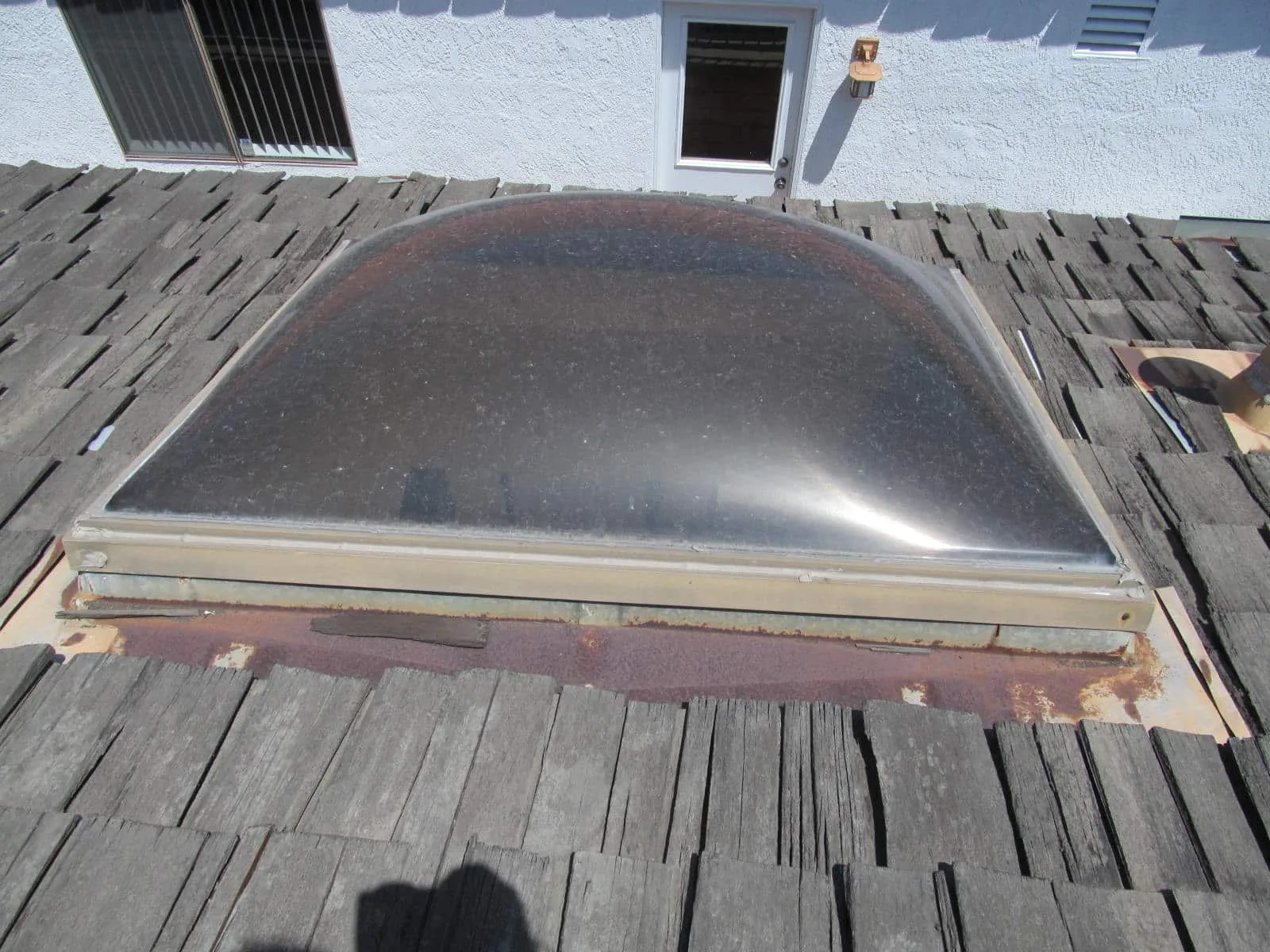
A storm walk is organized and slow. We photograph the whole roof before any repair, then each finding up close with a scale. We mark lifted edge metal, torn or displaced membrane, punctures from debris, dislodged rooftop equipment, cracked skylights and damage to drains and gutters. We note the wind direction the damage suggests and where water has already entered.
Then we separate the new from the old. A split seam from last year's heat is not storm damage, and an insurer will say so. A dated record from before the storm helps here, which is one reason maintenance photographs matter. Where no earlier record exists, we use weathering, debris patterns and the damage direction to separate old wear from new damage. The report states which findings we believe are storm related and why.
Equipment gets its own list. Rooftop units that shifted on their curbs, disconnected lines, bent fan housings and cracked skylights are recorded by position. A unit that moved an inch has broken the flashing around it, and the leak shows up days later. Pipe boots and vent stacks are checked for cracks, and drains are checked for debris and impact damage, since storm debris often lands in them and holds water afterward.
Stop the Water First and Price the Rest
Water is the cost multiplier. A torn corner that lets in rain on the first night can soak insulation across a bay by the second day, and wet insulation turns a repair into a replacement of the affected area. The first step is a temporary repair: tarps, temporary patches, reset edge metal, secured equipment. It buys time and stops loss, and it is documented with photographs.
The permanent repair follows once the damage is mapped and the weather allows. Waiting a season to fix a known opening is the costly choice. Gastonia averages about 44 inches of rain a year, with a July mean high of 90.7 F, so a repaired-in-name roof meets the next storm still open. If the roof needs emergency repair, that comes first, and the permanent scope follows.
The blunt line: a temporary repair is not a permanent one, and a roof left on a temporary repair through another season is an unplanned bet on the weather.
Decide Between Repair and Replacement With Evidence
Most storm damage on a sound roof is repairable: reset the edge metal, patch or weld the membrane, replace the damaged panels, reseal the penetrations. Replacement is warranted when wind has loosened a wide area, when water has soaked the insulation across a large part of the roof, or when the deck is damaged. A moisture survey tells the difference before anyone commits.
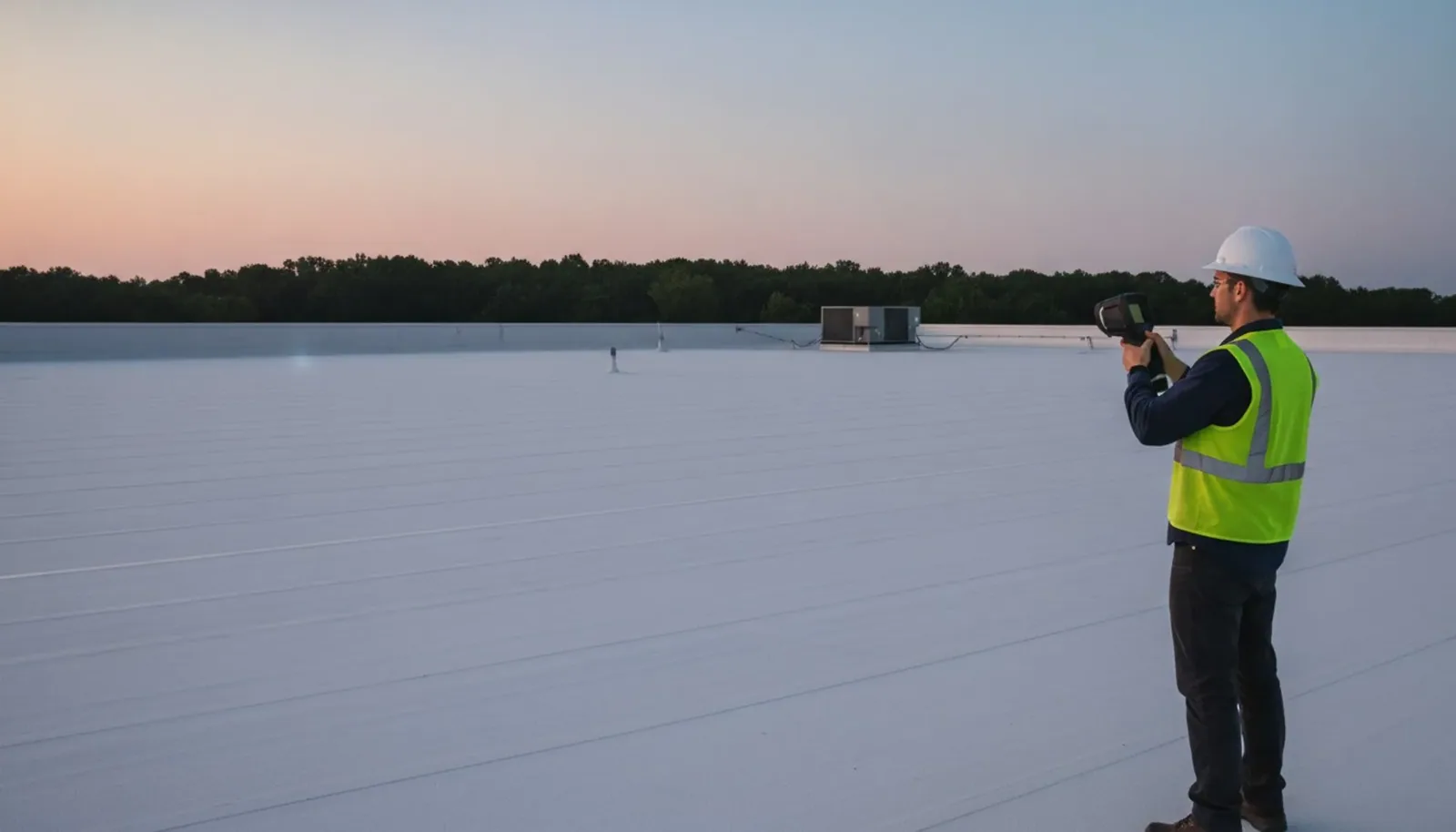
An infrared moisture survey after a major storm maps wet insulation and shows how far water spread. Core cuts confirm it. When the roof was already close to the end of its service life, the owner and the carrier can read the damage differently, and the evidence has to carry the argument. The photo log, the cores and the age of the roof make that discussion factual. We give the owner both options with costs.
Write the Scope So the Claim and the Repair Match
A repair scope after a storm has to line up with what the insurer will review. We write it by area and by item: edge metal footage, square feet of membrane, number of penetrations, drains and equipment resets. Each line carries a photograph. What moves the price is how far the damage runs, the roof type, how the crew gets up, how much insulation is wet and what temporary cover is already on.
The owner decides whether to file a claim. We provide the documentation and describe the repair; we do not negotiate with the carrier on the owner's behalf. The paperwork behind a claim should reach the adjuster in order, photo by photo. Keep the deductible in mind when pricing, because a small repair may cost less than the deductible and not be worth a claim.
Timing also matters for the deductible and the policy period. Some policies set a deadline for reporting damage, and some limit coverage for neglected maintenance. Read the policy early, and keep every receipt for temporary protection. The scope we write is dated and itemized, so each line can be matched to a photograph and to a cause.
Plan for the Storms This County Has Had
Gaston County has a documented record. An EF-1 tornado with estimated 110 mph winds crossed the county on May 8, 2024, and its damage ranged from minor roof loss on several buildings to a warehouse in East Gastonia that lost part of its roof. Four years earlier, in May 2020, an 85 mph tornado left uprooted trees and minor structural damage along a path that ended near the Gastonia airport.
Wind from remnant tropical systems reaches this far inland as well. Hurricane Hugo reached Charlotte on September 22, 1989 with gusts of 87 mph, and the metro's December 2002 ice storm cut power to more than 1.3 million people. After any of these events we start at the edges: the perimeter metal on a big industrial roof at Gateway85, and the parapet caps and older flashings on a mill-era building in Belmont.
Prepare the Roof Before the Next Storm Season
The cheapest storm repair is the one that never happens. A spring walk that tightens edges, clears drains and secures equipment lowers the odds of a lifted corner. The same visit creates the before-storm record that makes a later wind damage or tornado damage claim straightforward. Put the walk on the calendar before the season, not after the first warning.
Commercial Roofing Questions
What do I do first after a storm?
Get people out of any affected area, photograph what you can from the ground, and call for a roof walk. We make the roof safe and document it before repairs begin, and the photographs go to you the same day.
Will insurance cover storm damage?
That is between you and your carrier. We provide a dated photo log, a written damage description and a repair scope for the adjuster.
Can a damaged roof be patched temporarily?
Yes. Temporary repairs stop water while the permanent scope is written. They are photographed and priced so they can be included in a claim.
How long can I wait before a permanent repair?
As little as possible. An open roof in the rainy season spreads water into insulation and raises the final cost.
How do you tell storm damage from old wear?
We compare to earlier photographs if they exist and read weathering, debris and damage direction. The report separates the two.
Should I replace the whole roof after a tornado?
Not automatically. The extent of wet insulation, deck damage and the roof's age decide it, and a moisture survey with cores gives the evidence either way.
Topic
Storm Damage Roof Repair
Roof Types
Low-slope and metal
Related Roofing Work
Emergency Commercial Roof Repair
Infrared Roof Moisture Surveys