Acrylic Roof Coatings in Gastonia, NC
A sun-faded, chalking roof that still drains cleanly and has no soft spots is the roof acrylic coating was made for. The surface is tired, the structure is fine and a fresh reflective skin can add years at a cost far below replacement. What that means for the owner is a narrow window: coat while the roof is dry and sound, or lose the option when the first leak wets the insulation.
Acrylic coating work in Gastonia, NC begins on the roof and ends in a written answer. We test the insulation, photograph each finding and say whether the roof should be coated or replaced. A crew answers storm and leak calls through the night.
Know what acrylic coating is
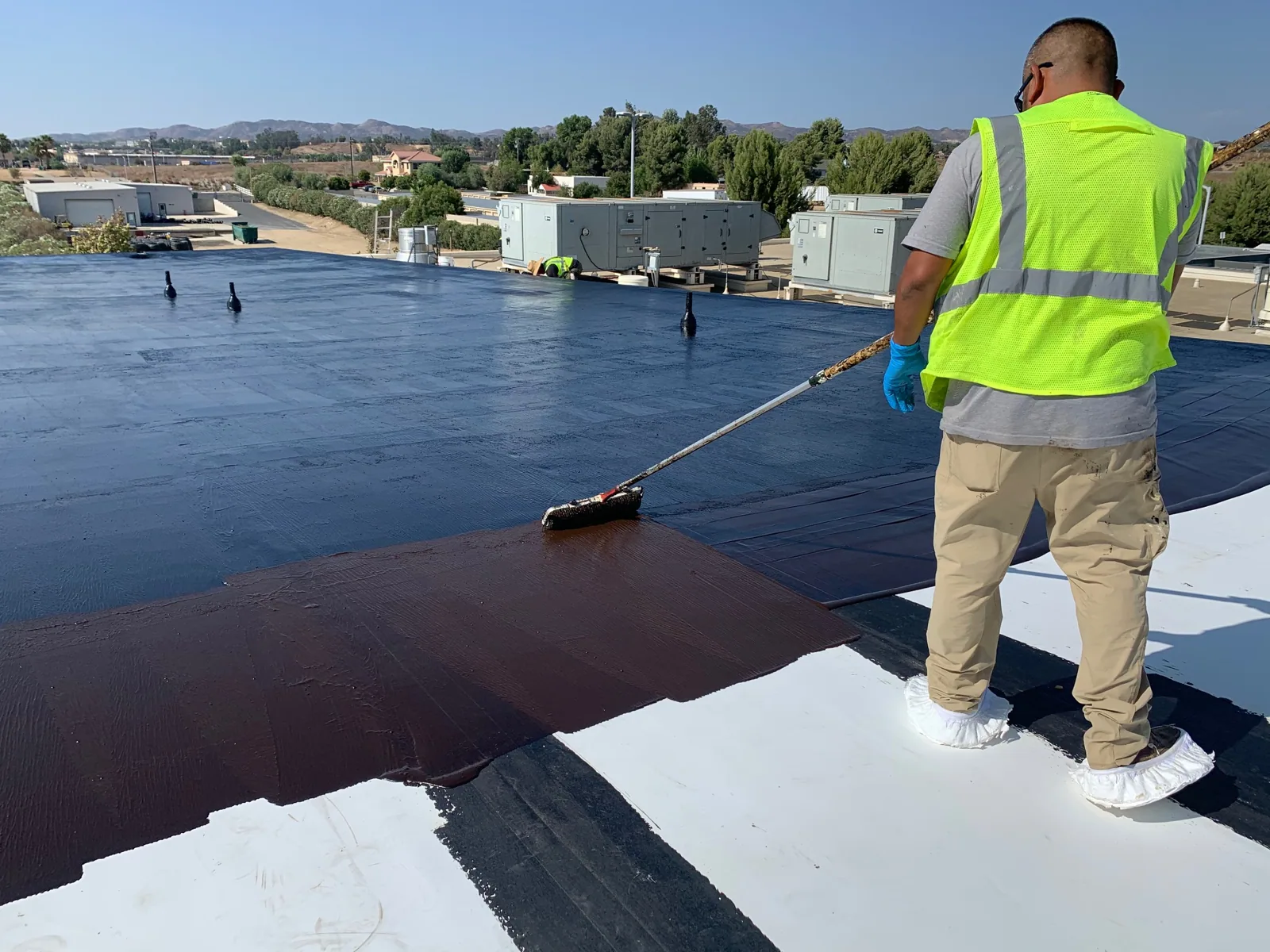
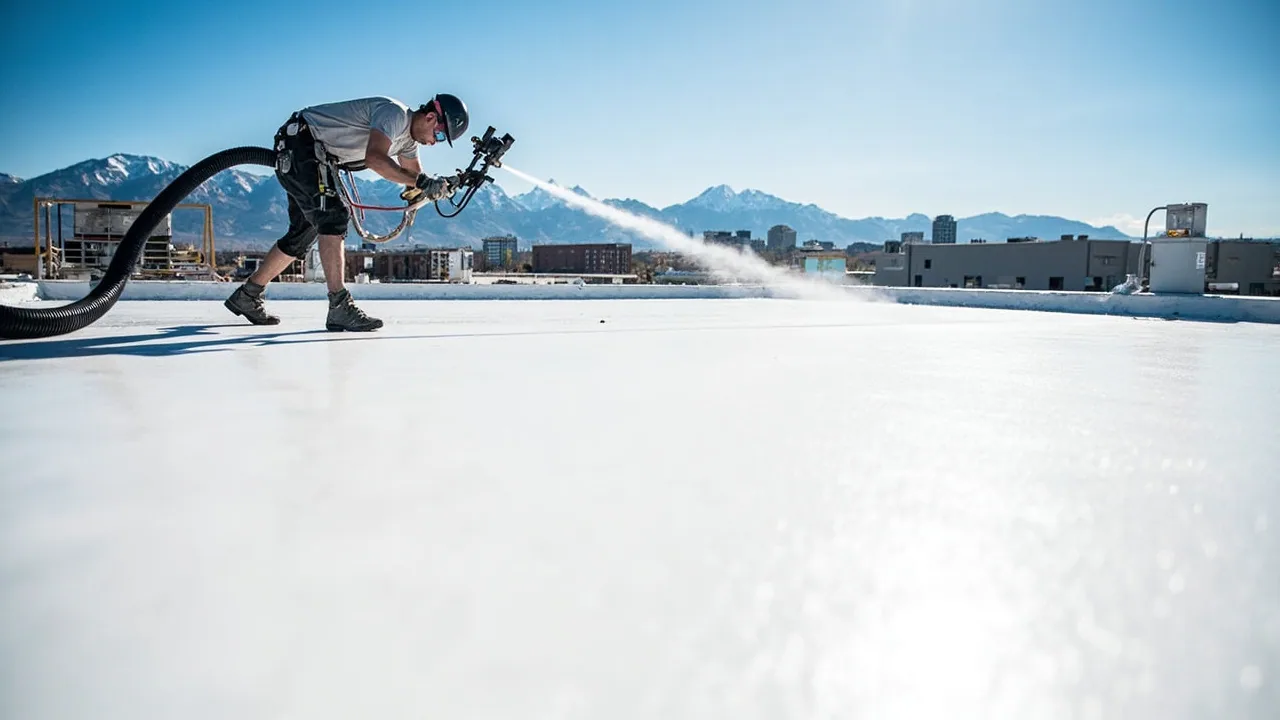
Acrylic coating is a water-based, liquid-applied coating that cures into a flexible, reflective film over an existing roof. It is typically white, reflects heat, resists ultraviolet light and can be applied over metal, spray foam, modified bitumen and some single-ply membranes with the right primer. It costs less than silicone, and that is its draw.
It has one limit that matters in the Piedmont: it does not like standing water. A pond that stays for days can soften or blister an acrylic film. So the first thing we check is drainage. If the roof ponds, either the ponding is fixed or silicone becomes the better choice. We walk after rain, photograph ponded areas and measure the low spots.
Thickness and coats matter. Acrylic is applied in more than one coat, often with a reinforcing fabric at seams and penetrations, and total film thickness drives how long it lasts. We check thickness with a gauge during the job and record the readings. The record shows the owner what was put on the roof, which is the proof a lender or buyer may ask for later.
Substrate changes the prep. Metal needs rust treatment and fastener work, spray foam needs a clean, dry surface and sound foam, and modified bitumen needs the granules and loose material removed. The plan lists the prep steps by roof area, so the bid covers the real work and the owner sees which steps cost the most.
Count the cost of waiting
A coating over a sound roof is a modest line item. Waiting has two costs. A roof that leaks long enough wets its insulation, and the coating option disappears. And a roof coated late, after seams have failed, only hides the problem for a season.
Gastonia's July mean daily high is 90.7 degrees, annual precipitation averages about 44 inches and snow averages only about 1.2 inches a year. Heat ages the surface and rain tests the seams. We put the options side by side: repair and coat, recover or replace, each with a decision date. Cost drivers are named plainly: area, surface preparation, repairs before coating, primer, coating thickness and access.
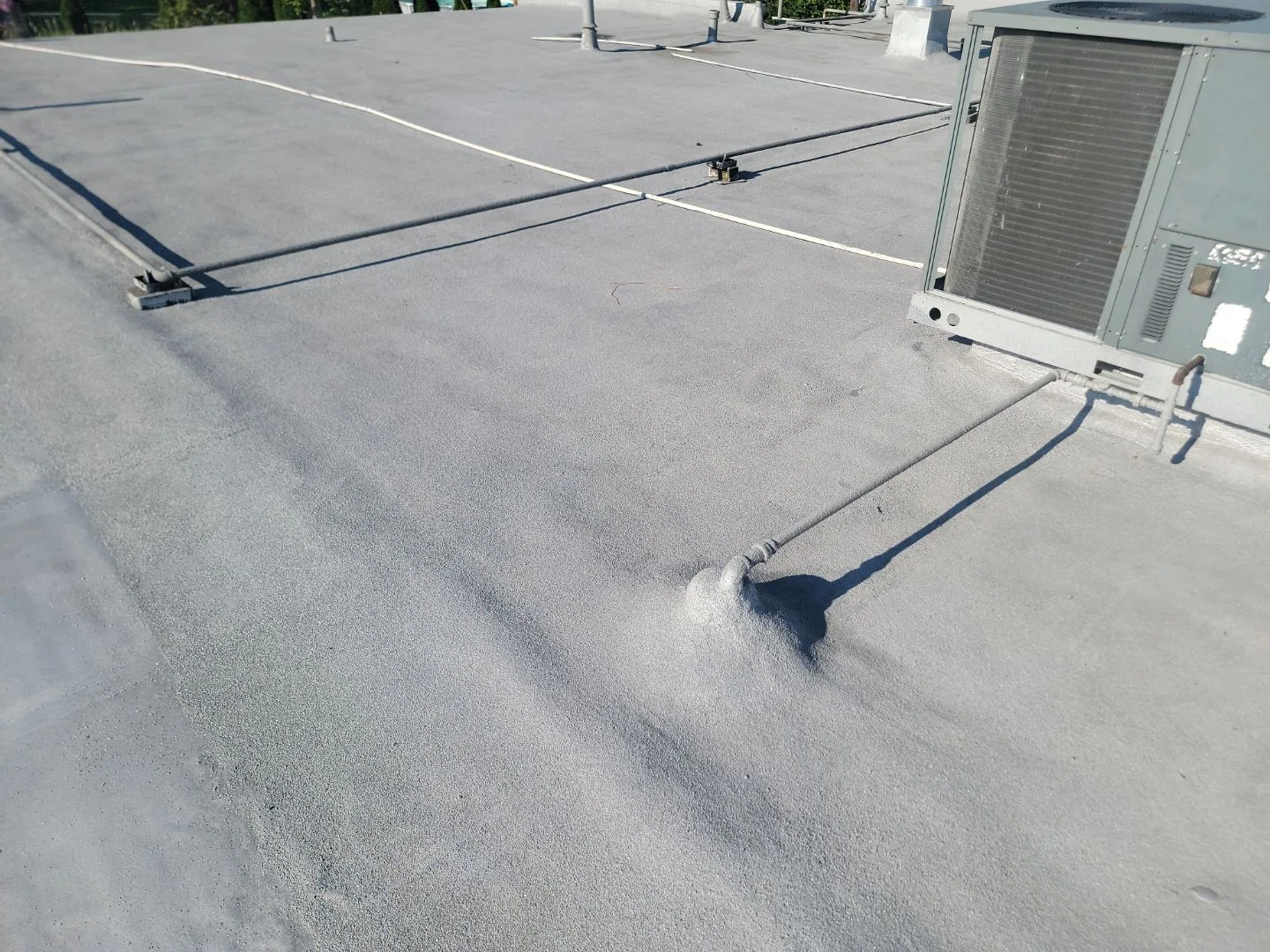
A coating is a skin, and skins get scuffed, so a coated roof is walked every year. Small damage gets patched while it is small. A maintenance program puts those walks on a calendar and keeps the photo log current, which makes the next recoat date a decision and not a surprise. The remaining service life estimate rides on that log.
A scope that shows quantities can be compared line by line with another bid, which is how a budget committee follows the money.
Prepare the roof or leave it alone
Surface prep is where an acrylic job is won. Dirt comes off, loose material goes, seams and flashings get repaired, fasteners are reset and rust is treated. A small test patch shows whether the film will bond. Any wet insulation is removed first, because acrylic sealed over trapped water fails from below.
Weather decides the calendar. Acrylic needs a dry surface, moderate temperatures and no rain for hours after application, because uncured acrylic can wash out. We watch the forecast, keep a rain day in reserve and stop early if clouds build. Piedmont spring storm season makes planning part of the job, and the photo log records each coat and the conditions.
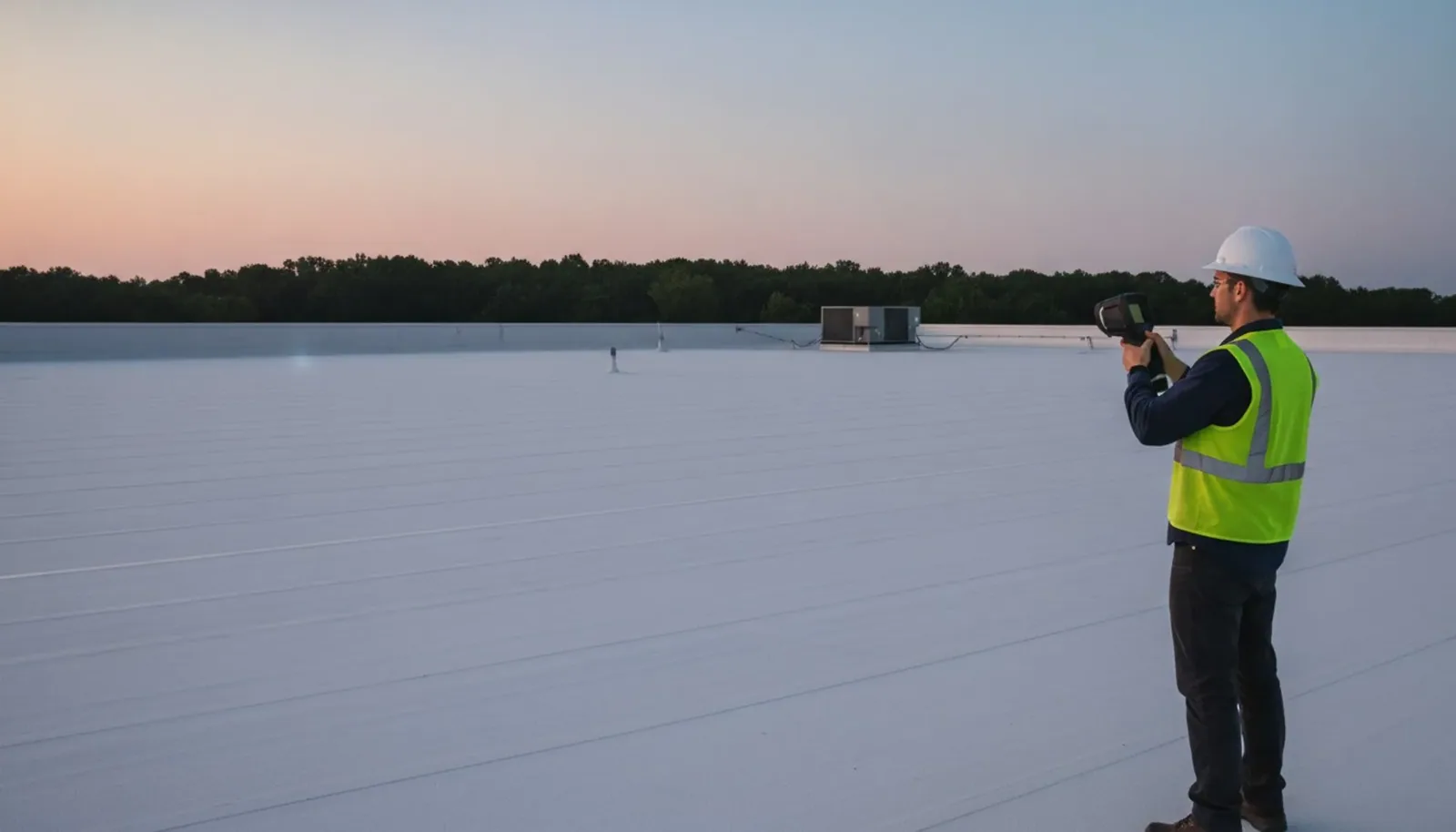
A thermal scan ahead of the coating costs little against a failed film. The infrared moisture survey marks the cold, wet zones, cores confirm them, and only the wet material is replaced. The coating then goes over a roof that can hold it, and the readings join the photo log beside the adhesion test.
Decide coat, silicone or replace
Coat with acrylic when the roof is dry, sound, well drained and mainly worn. Roof coating restoration over a cleaned and repaired roof can lower surface temperature and slow leaks at seams. Choose silicone when the roof ponds. Replace when moisture has spread, the membrane has split or the roof is past holding a patch.
Acrylic is common on metal and spray foam, and the pair of choices for old metal roofs is restore or retrofit. Core cuts and a moisture survey back the choice, and the answer goes in writing, with remaining service life stated plainly.
Walk paths and equipment areas are part of the plan. Foot traffic wears a coating fastest at paths to rooftop units, so we specify walk pads or a textured, heavier coat there. We mark them on the roof drawing, and the service contractor receives a copy. Protecting the coating is cheaper than recoating the path every year.
Edge and flashing details deserve a separate line in the scope. A coating over a lifted edge or a cracked flashing hides the problem for a season. We repair those details with compatible material first, then coat, and the photo log shows each before and after.
Place acrylic on the right Gaston County roof
Gateway85 is an approximately 365-acre industrial site between Gastonia and Lowell, SouthRidge Business Park is a 425-acre distribution and manufacturing park near Bessemer City, and The Oaks Commerce Center is a 280-acre privately owned industrial park. What each of those roofs carries is settled on the walk, surface first.
Storm records give context. Gaston County has seen two storms in recent years: the May 2024 EF-1 tornado, which took part of the roof off a warehouse in East Gastonia, and a May 2020 tornado that ran about 8.7 miles toward the Gastonia airport. A coating is not a wind fix, so we check edges, laps and fasteners before coating and again after storms. A Bessemer City or Gateway85 roof is judged on what is there, not on the name of the park.
Commercial Roofing Questions
Can acrylic go on a roof that ponds?
Not well. Standing water can soften or blister acrylic. We fix the drainage if practical or choose silicone for roofs that hold water.
How long does acrylic coating last?
That depends on thickness, exposure and care. We record the thickness applied, check it each year and set a recoat date from what we see, not from a fixed number.
Can acrylic stop a leaking seam?
A sound, dry roof with minor seam leaks may be sealed. Failed seams and wet insulation need repair first. We test, repair and then coat.
Does a white coating cut cooling costs?
It lowers roof surface temperature, which can reduce heat load in summer. Gastonia's July mean high is 90.7 degrees. Insulation and equipment also matter, so we do not promise a number.
What do you need from me for a first walk?
The roof age, existing coating history, leak history and repair invoices. We hand back a written findings summary with the coat-or-replace question answered plainly.
Topic
Acrylic Roof Coatings
Roof Types
Low-slope and metal
Related Roofing Work
Preventive Roof Maintenance
Infrared Roof Moisture Surveys