Metal Roof Retrofit and Restoration in Gastonia, NC
A row of screws that have backed out a quarter inch, each with a cracked rubber washer and a rust ring on the panel, is a finding a roofer sees on an older exposed-fastener metal roof. The screw heads are the leak points, and there are hundreds of them. The owner's choice is between a fastener-by-fastener repair cycle with no end and a retrofit that closes the problem for good.
Exposed-fastener metal roofs in Gastonia, NC get a walk that counts the loose screws and ends with a written call: repair, restore or retrofit. A leak during a storm brings a response around the clock.
Look at the screws first
An exposed-fastener metal roof is built of ribbed panels held down by screws driven through the face, each with a rubber washer. The washer seals the hole. In sun and heat, the rubber hardens and cracks, the panels move and the screw works loose. The leaks follow the screw lines, and the rust follows the leaks.
On a walk we check the screws in rows, the laps between panels, the ridge and eave trim, the penetrations and the panel finish. We count loose screws per row to see whether the problem is local or roof-wide, and we photograph rust, pinholes and sealant failures. The photo log shows the owner whether the panels are sound or past saving.
Laps and trim carry their own risk. Panels overlap at the ribs, and the lap seal is a bead of sealant that dries and cracks. Ridge caps, eave trim and gable closures are held by more screws and more sealant, and every one is a possible entry. We photograph these separately, since a roof can have tight screws across the field and open laps along every ridge.
Price the repair cycle against the retrofit
Tightening and replacing screws is a real repair. It works for a while. Then the panels move again and the washers harden again, and the roof needs another round. Over a few budget cycles, the sum of those rounds can rival a retrofit, and a leak lands on stock or equipment in between.
Washers harden in sun and rain finds the gaps: Gastonia's July highs average 90.7 degrees and its yearly precipitation about 44 inches. We put the options side by side on paper: repair now, restore now, retrofit with a decision date, or replace. The price follows roof area, access, panel condition, insulation, trim and penetrations.
Panel condition sets the capital timeline on an exposed-fastener roof. Sound panels with a failing fastener system can be restored. Corroded panels call for retrofit or replacement pricing while bids can still be compared and a start date chosen. A roof between those cases gets a limited repair, and the next walk shows whether the retrofit date moves closer. The loose-screw count per row, taken at the same rows each visit, is the number that tells the story.
Written scopes carry quantities: panel area, linear feet of trim, count of penetrations and screws replaced. Quantities make bids comparable line by line and keep change orders to items nobody could see from the ladder.
Choose restore, retrofit or replace
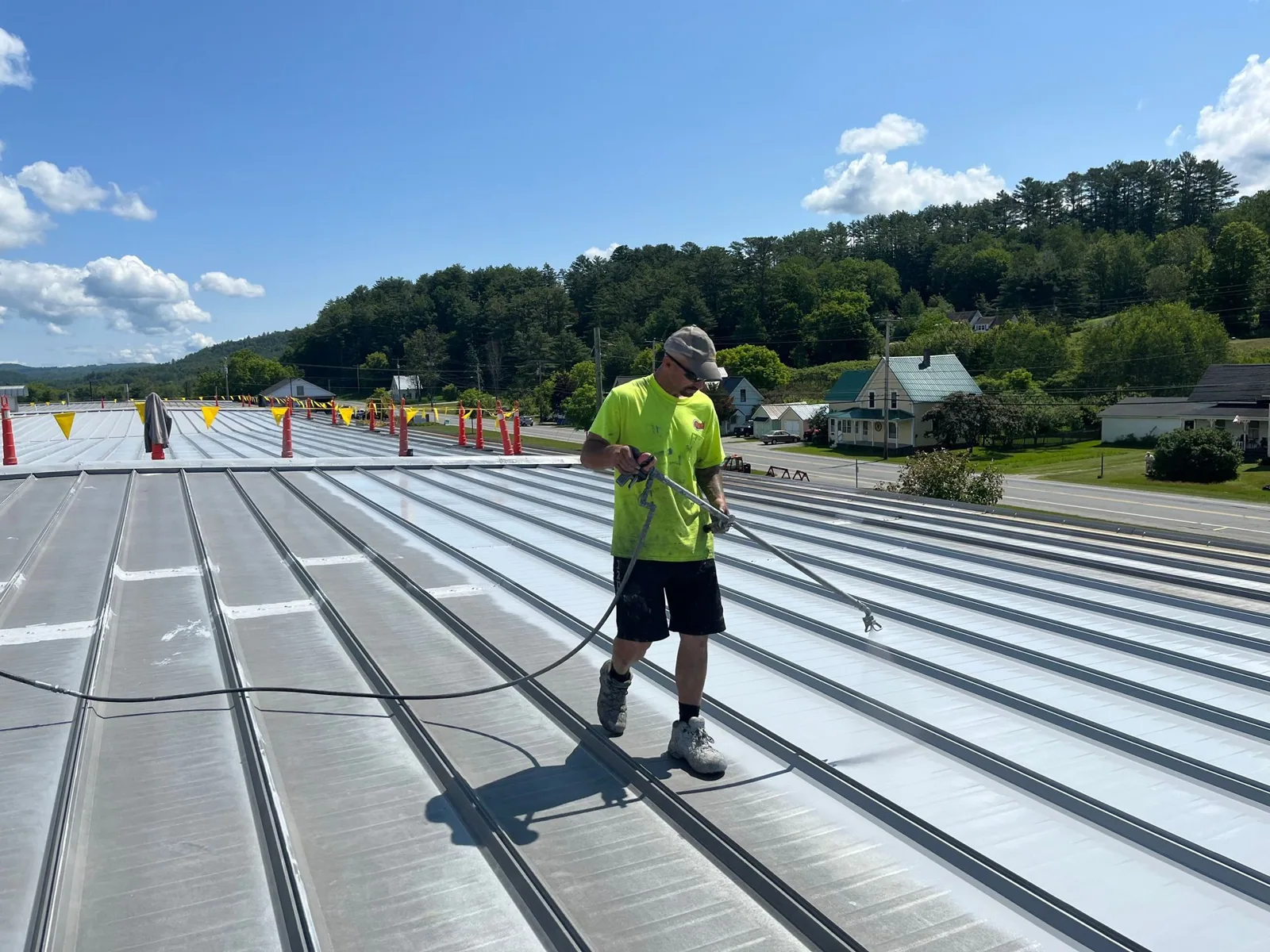
Restore when the panels are sound and the problem is fasteners and finish. New oversized screws, fresh sealant at laps and a coating system can add years, and roof coating restoration over a clean, sound metal roof is often the best use of a line item. Retrofit when the old roof is structurally fine but past restoring.
A retrofit installs a new roof system over the old panels, often a standing seam system on framing that spans the old ribs, or a membrane over cover board where the profile allows. It avoids tear-off and keeps the building in use. Compare it with a new standing seam roof and with silicone coating for sound panels. Replace when panels are corroded through or the structure needs work.
Insulation and daylight are part of the decision. A retrofit that adds insulation lowers heating and cooling load, and a new system can include a reflective finish. On a metal building with a hot Piedmont summer, that can matter to the operating budget, so we list it as a benefit with the cost beside it. If the building has skylight panels, they get checked and often replaced at the same time.
Check the insulation and the structure
Water that has come through screw holes may have wet the insulation or the framing below. A metal building often has insulation under the panels, and wet insulation sags, grows mold and corrodes the purlins. An infrared moisture survey and a look from below show the damage without guesswork. A retrofit over wet insulation only buries the problem.
Structure matters as well. A retrofit adds weight, and the framing and purlins must carry it. We check the connections, note rust at the purlins and recommend an engineer's review where the load changes. The result goes in the file with the photos.
Condensation is the other cause of wet insulation under metal, and it looks like a leak. Warm, humid air meets a cold panel underside and drips. A look at the underside and the dew-point conditions separates a screw leak from condensation, so the cure matches the cause.
Place the retrofit on the right Gaston County building
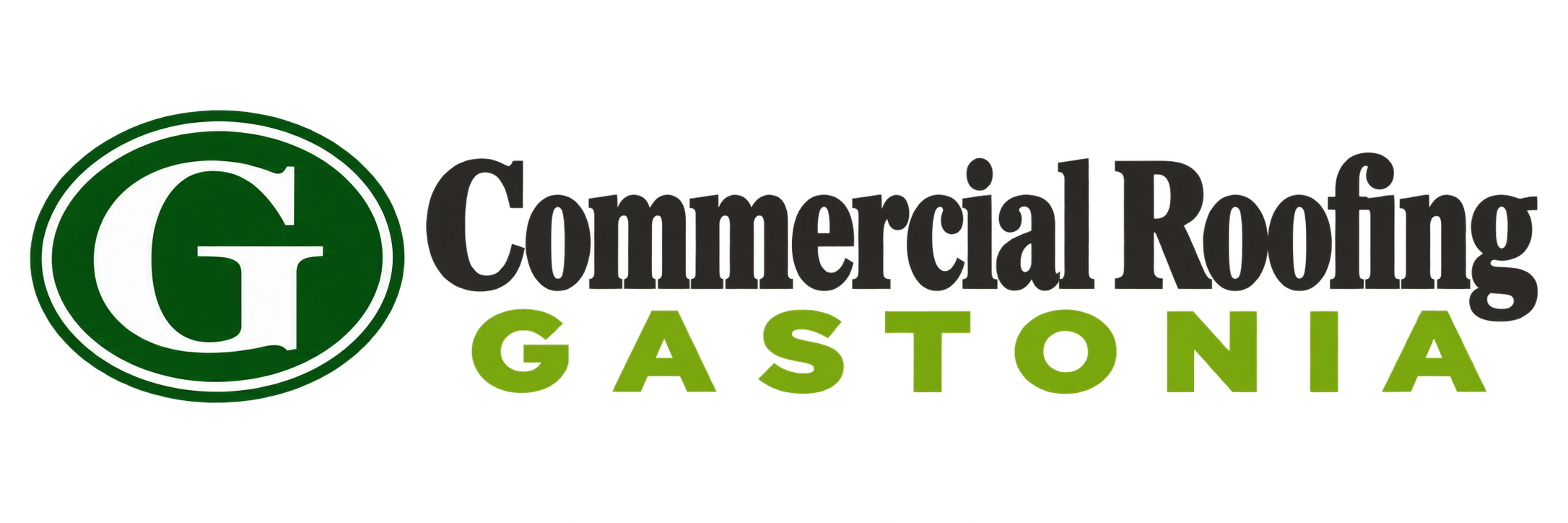
Dallas has the 321 Interchange, an industrial campus near I-85 and US 321 with six small-bay buildings totaling nearly 100,000 square feet. A mile north of I-85, SouthRidge Business Park holds 425 acres of distribution and manufacturing, and Gateway85 sits between Gastonia and Lowell. Which of them carry exposed-fastener metal is settled by a walk.
Where a metal roof does appear, wind is a test. The 2024 EF-1 tornado and the gusts Hurricane Hugo put over Charlotte in 1989 show how much wind this region can see. A Dallas or Lowell building gets its edge, ridge and fastener pattern checked after hard storms.
Work on an occupied building has its own rules. A retrofit is attractive because the old roof stays in place as a temporary shelter, and the interior can keep running. We still protect equipment under the work, control fastener and debris drop, schedule noisy steps outside shifts and close in each day's work before dark. The plant manager gets a short daily note on what was done and what is next.
Commercial Roofing Questions
Why do exposed-fastener roofs leak at the screws?
The rubber washer under each screw hardens and cracks in sun, and panel movement works the screw loose. Hundreds of screws means hundreds of possible leaks along the rows.
Can I just replace the screws?
For a while. New oversized screws and washers help, but the panels keep moving and the washers age again. We price repeated repairs against a retrofit so the owner sees the whole cost.
What is a metal roof retrofit?
A new roof system installed over the old panels without tear-off, often standing seam on spanning framing or a membrane over cover board. It keeps the building in use.
Can a coating fix a leaking metal roof?
If the panels are sound and the fasteners are repaired first. A coating over loose screws or rust hides the trouble. We prepare the surface, then coat.
What helps you assess an old metal roof?
Send the roof age, the building use, the leak history and repair invoices. The findings summary you receive answers repair, restore or retrofit in plain words.
Topic
Metal Roof Retrofit and Restoration
Roof Types
Low-slope and metal
Related Roofing Work
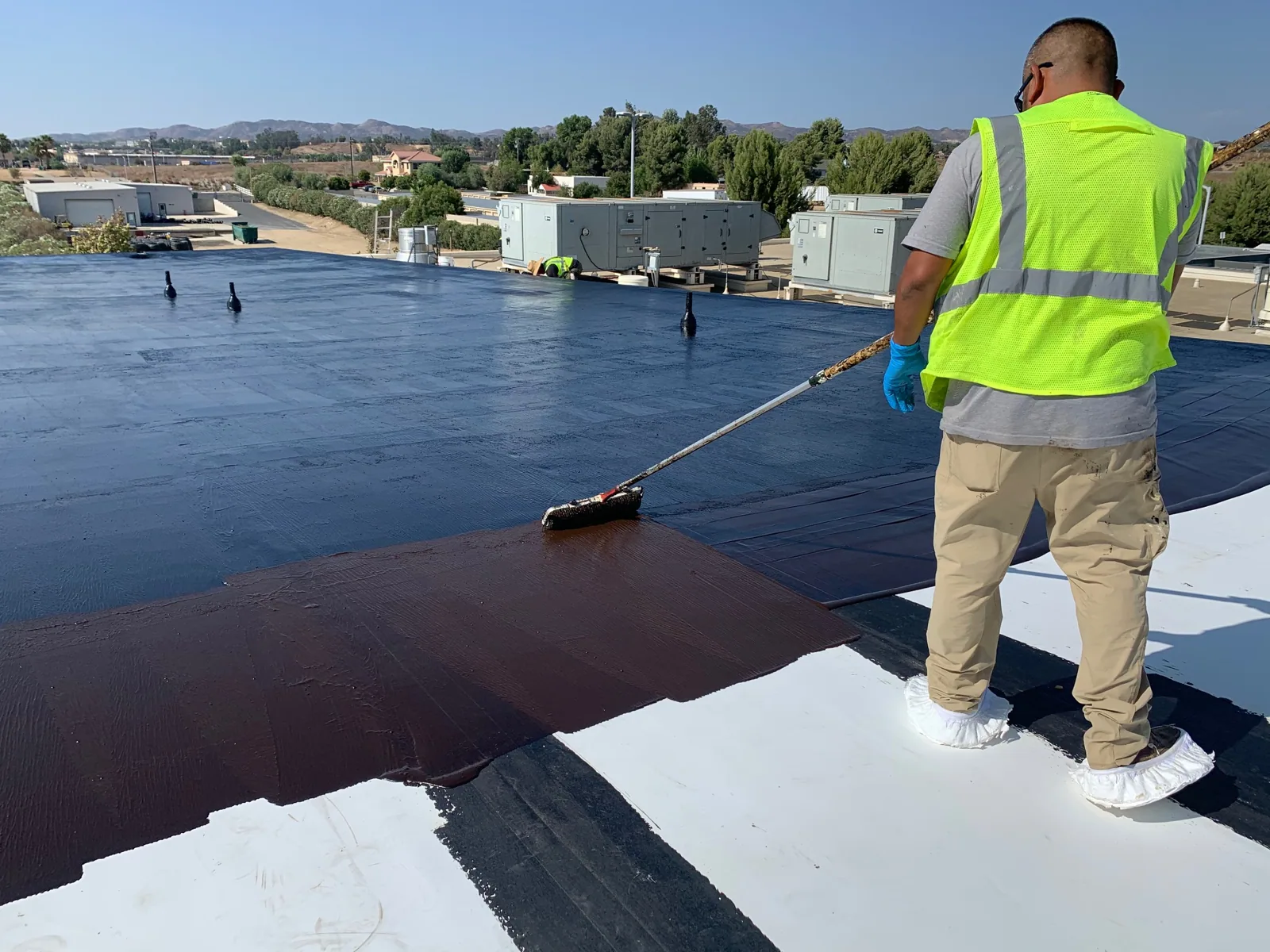
Roof Coating and Restoration
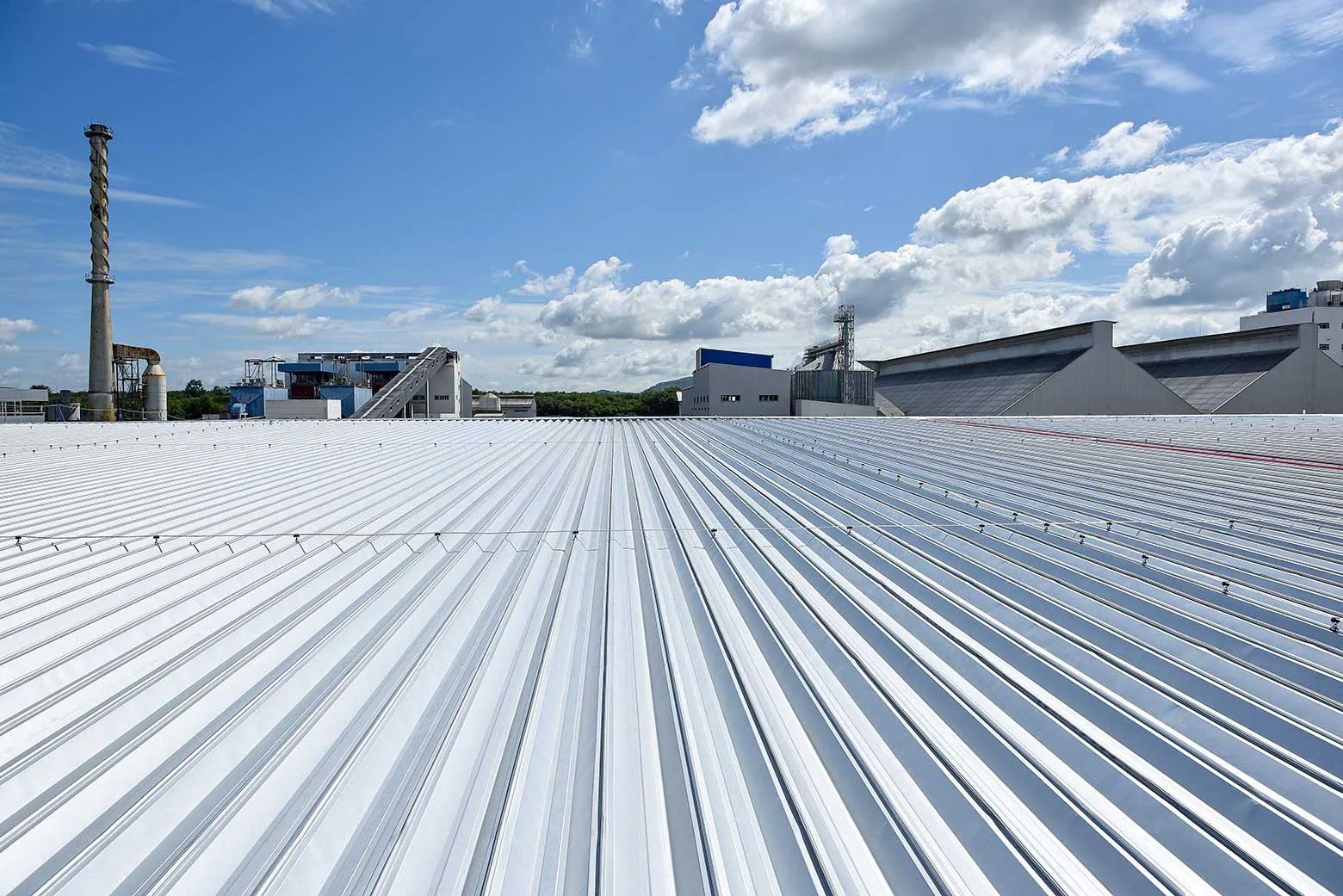
Standing Seam Metal Roofing