
KEE Roofing in Gastonia, NC
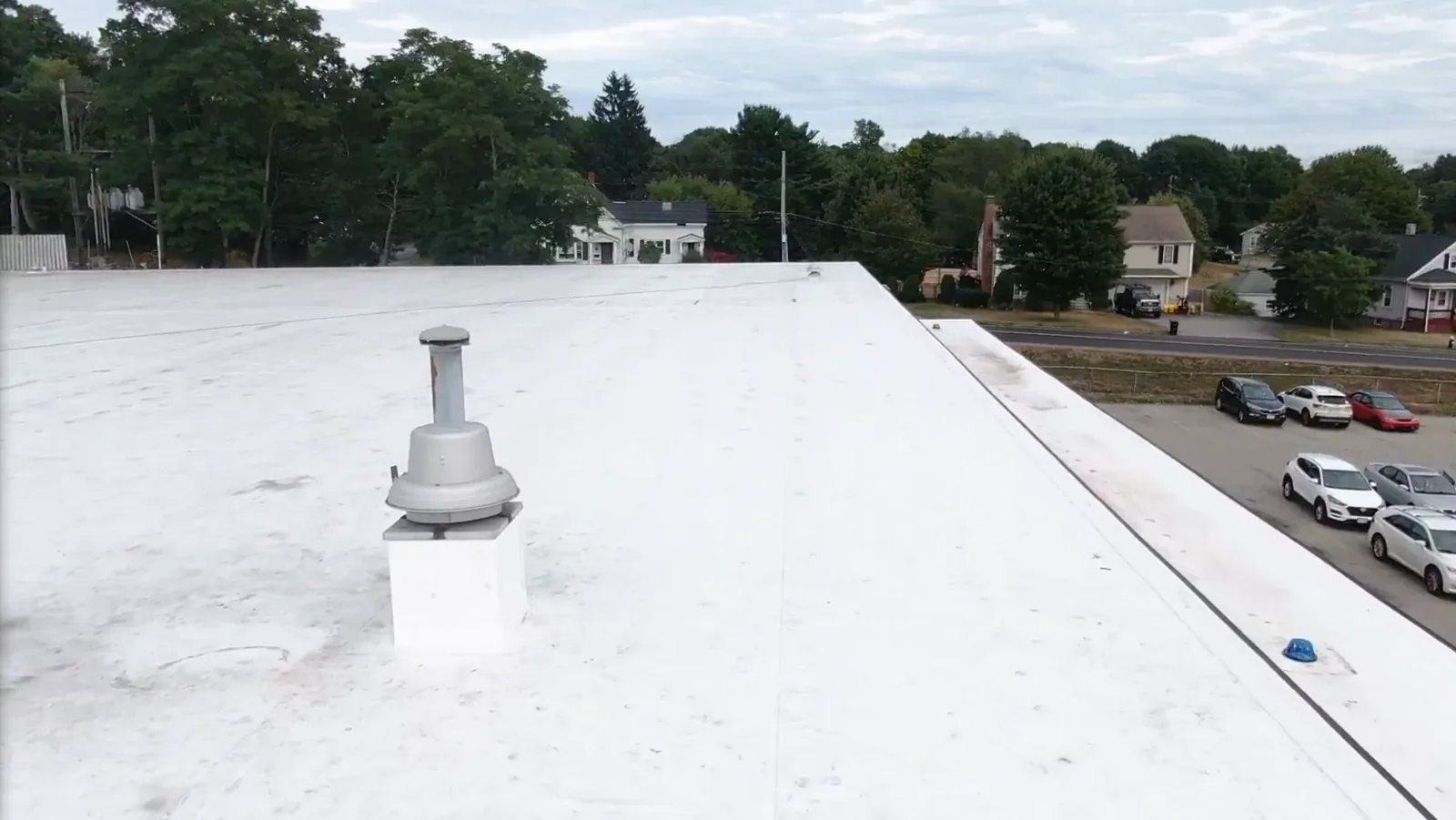
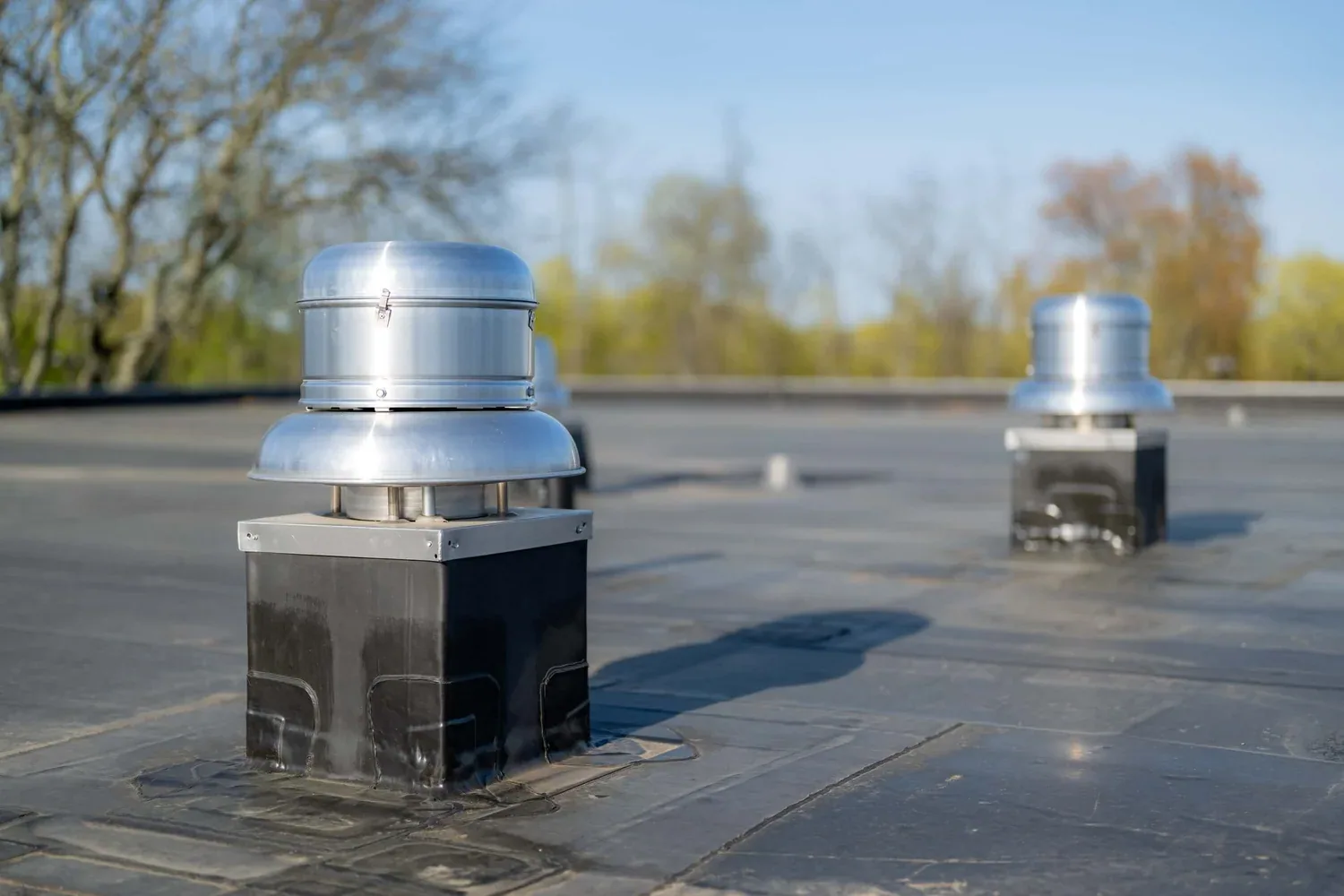
A discolored, tacky patch of membrane around a plant stack is the finding that opens the KEE conversation. The sheet around the stack has taken exhaust for years, and the sheet fifty feet away looks fine. What that means for the owner is a plain fork: replace the stack zone with something that can take the exposure, or keep patching a membrane that is being worked on from above.
KEE work in Gastonia, NC starts with a question about the exposure, not the membrane: does this roof need a sheet built for grease and chemicals, and where? A roof walk, a photo log and a written answer follow, and storm calls get answered at night.
Understand what KEE is
KEE is a PVC-alloy single-ply membrane. A ketone ethylene ester polymer is blended into the sheet, which resists plasticizer loss and holds up against many oils, fats and chemicals. Seams are hot-air welded, and the sheet is typically reinforced. It is used where ordinary single-ply sheets break down, such as around heavy kitchen exhaust or certain process vents.
It is not a cure-all. It still needs sound insulation under it, clean welds and good flashing details, and it costs more than a plain membrane. So our job on the first walk is to say whether the roof's exposure justifies it. If it does not, we say that, and we price a simpler system.
Aging looks different on KEE than on plain PVC. The sheet tends to stay flexible longer, so a brittle corner on a KEE roof is more likely a workmanship or movement problem than age. We probe it, photograph it and trace it to a cause. If the corner is the only one, a welded patch fixes it. If every corner looks the same, the flashing detail needs rebuilding.
Map the exposure before you buy
We start with what the roof is exposed to. Which stacks and fans vent grease, oil mist or chemical vapor? How hot is the exhaust at the outlet? How often is the roof cleaned? We photograph each outlet and the membrane near it, then compare it to the field. A band of damage around each outlet confirms the exposure. A clean field says the rest of the sheet can stay or be replaced with something simpler.
Gaston County lists chemical products, automotive and textiles among its industry clusters. Gastonia hosts Parkdale Mills along with Wix Filtration, Freightliner, Stabilus, Curtiss-Wright and Radici, and Mount Holly has National Gypsum's wallboard plant and American & Efird's six thread plants. Those names describe the market. What each roof vents is a question for that plant.
Cleaning is part of the exposure story. Grease that builds on a roof for years eventually spreads, and a membrane that sits in a film of fat ages faster than one that is washed. We ask how often the roof near each outlet is cleaned, recommend a schedule where it helps and note it on the plan. A cleaning habit can extend the life of any membrane at a stack.
Equipment adds movement and traffic. Rooftop units, ducts and conduit sit near the same stacks, and service crews walk the same paths. We mark walk pads, note abandoned stacks and flag any penetration that sits too close to an edge or drain.
Count the cost of waiting
A damaged zone around one stack is a local repair today. Left alone through a hot summer, the membrane around it softens, spreads the damage and opens a seam. A spring storm then drives water into the insulation, and the repair becomes a section, not a patch.
Gastonia's hot Julys and steady rain press on the weak zone from both sides. We write the options side by side: patch this quarter, replace the stack zones next year, or replace the roof with a decision date. Each carries cost drivers and disruption the owner can weigh.
The budget conversation is simple. A full KEE replacement costs more than a plain single-ply replacement, and the extra cost pays only where the exposure is real. A zone replacement at the stacks costs far less and may solve the problem. We price both so the line item matches the damage, and we tell the owner when the extra cost is not justified.
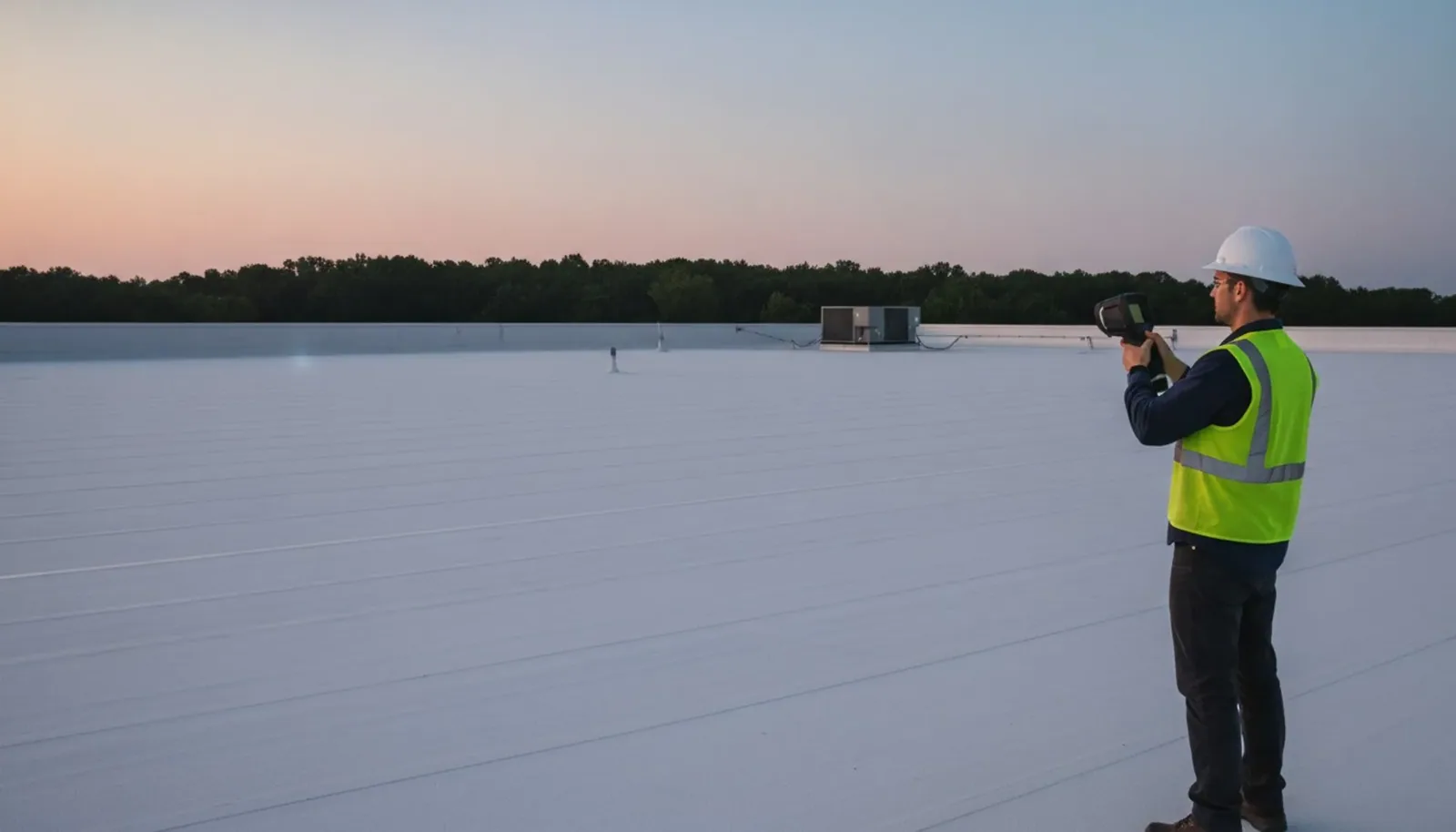
An infrared moisture survey keeps the number grounded, since it shows how much insulation is wet and how much can stay. A replacement that touches only the wet boards and the damaged zone costs less than one that replaces everything, and the survey is what makes that scope defensible. The map goes in the file with the photo log and the dated findings, which lets a successor see what the owner knew and when.
Choose repair or replace
Repair when the damage is local and the insulation is dry. A welded patch or a new boot in a compatible sheet can add years, and commercial roof repair may be all a plant needs. Replace the zone when the exposure has softened a wide band. Replace the roof when moisture has spread or the field has aged out.
Compare KEE with PVC for general chemical and grease exposure, and with TPO where the exposure is light. Sometimes the right roof uses one membrane in the field and another at the stacks, with a welded transition between them. A core cut and a moisture survey guide the choice.
Scheduling around a plant is its own task. Shifts, shutdown weeks and process sensitivities set the windows. Hot-work rules, fire watch and access routes are agreed before the first day. Each section is closed in daily, and the plant manager gets a short note on what was done and what is next. A tidy schedule keeps production from becoming the problem.
Place KEE on the right Gaston County plant
FMC Lithium, Advanced Drainage Systems, Hunter Douglas and Dole are among the manufacturers in Bessemer City, and several of them are tenants at SouthRidge Business Park, which sits a mile north of I-85. What each plant vents is the question we ask first, and the answer decides the system.
The Bessemer City manufacturers and the Mount Holly plants each get a walk first. Plants in one park can vent very different things, so a one-size recommendation would be wrong for some of them.
Commercial Roofing Questions
When is KEE worth the extra cost?
When grease, oils or chemical vapor are damaging an ordinary single-ply sheet. We map the exposure and price KEE next to simpler systems, so the owner sees what the extra cost buys.
Is KEE the same as PVC?
It is a PVC-alloy. A blended polymer helps the sheet resist oils, fats and plasticizer loss. Seams are welded the same way, and details still need careful flashing.
Can KEE be used only around stacks?
Yes. A roof can use one membrane in the field and KEE at stack zones, with a welded transition. We specify the transition so it does not become a new leak point.
Does Gastonia heat affect a KEE roof?
Heat moves every membrane. With a July mean high of 90.7 degrees, we check welds, flashings and edges each year and keep drains clear so ponds do not add stress.
What do you need to see before a visit?
The roof age, what vents through the roof, leak history and repair invoices. A written findings summary comes back with a plain answer on repair or replace.
Topic
KEE Roofing
Roof Types
Low-slope and metal
Related Roofing Work
Infrared Roof Moisture Surveys
Commercial Roof Repair