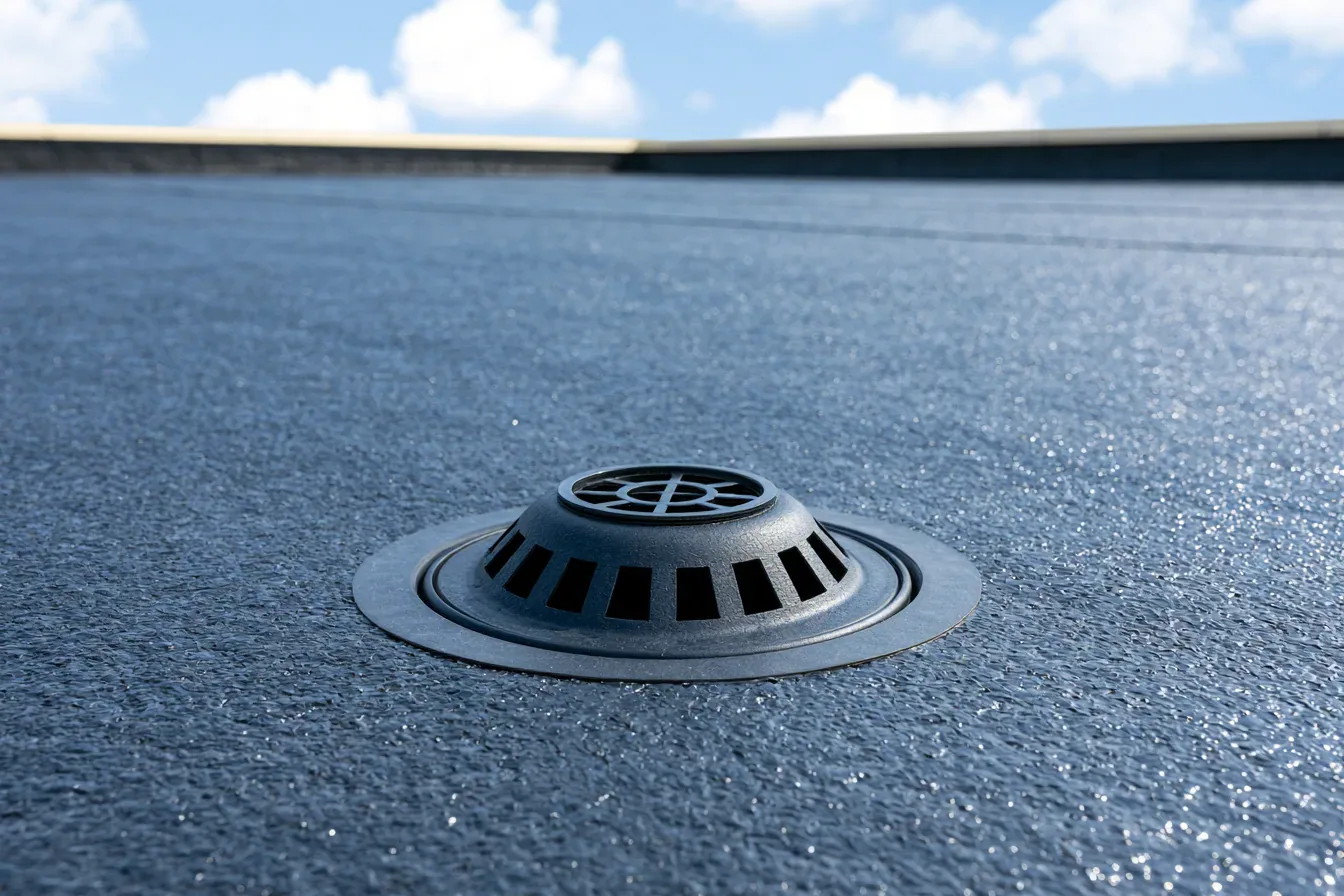
Commercial Roofing in Paw Creek, Charlotte, NC
A flat roof along a busy road with ponded water at the same drain every spring is a finding any roofer would recognize, and Paw Creek, Charlotte, NC has plenty of roads. Paw Creek is a community in northwest Mecklenburg County, mostly inside Charlotte city limits. Freedom Drive and Mount Holly Road (NC 27) are its main thoroughfares, with Brookshire Boulevard (NC 16) and I-485 nearby. I-485 links the Paw Creek and Pineville commercial areas to I-85. Commercial roofs along those routes are retail, service and industrial roofs, and each needs its own findings. A crew walks the roof, shoots the photographs and puts two prices on paper, and the sequence never changes.
Read the Roofs Along Freedom Drive and Mount Holly Road
Roofs on a thoroughfare share a set of questions. Rooftop units. Signage mounts. Long parapets. Tenant turnover and the equipment each new tenant adds. We do not assume what any one building has. Along the route we tally penetrations, inspect every curb and boot and mark places where a tenant altered the roof without calling a roofer.
Then we rank the roof sections by risk. Active leaks over stock or customers come first. Recurring defects come second. Stable roofs wait, with a stated interval. The owner sees where the money goes before anything is signed. Signs and antennas on the roof are leak points too. Each mount is a hole. We check the sealant around every base and replace any that has dried out. A cracked boot costs little today and plenty after the next storm. Old patches tell the story. Five patches at the same curb mean the cause is still open. We trace the water to its source, mark every old repair on the sketch with its date and say which ones are holding. That list alone often saves the owner from paying for the same repair twice. Access to the roof matters on every site. Point us to the hatch, the key holder and anything on the roof that could break.
Plan Around Utility Neighbors and Access
Duke Energy and Piedmont Natural Gas serve the area, and Charlotte supplies most water service. That matters on a roof job in two ways. Overhead lines near a building change how we set lifts and staging. Gas lines on or near a roof change what hot work is allowed.
We ask before the first day. Where are the lines? Where are the meters? Who holds the permit? We mark them on the sketch and write the limits into the scope of work. Cold-applied methods fit where open flame is a concern, and we say so up front. Water service matters for a different reason. Roof drains discharge somewhere, and if the discharge line is clogged or the splash block is missing, water pools at the wall. We trace where each drain ends and note it in the report. Safety on the roof is part of the scope. Fall protection, lockout at units and clear exits from the roof are written into the work plan. We confirm access, parking and the on-site contact before the crew shows up, so the first day is spent on the roof and not at the gate.
Use I-485 as a Planning Line
I-485 loops west Charlotte and ties the Paw Creek and Pineville commercial areas to I-85. Owners with buildings on both sides of the loop can plan roof work as one program: same inspection fields, same photo log, same decision date format. A shared file lets a lender compare buildings that sit miles apart.
Crews and records travel together. That keeps the findings consistent from one building to the next, and it keeps a bid from one location from drifting away from the others. Phase the program by risk. Start with buildings that have active leaks over stock or customers, then buildings with repeated repairs, then stable roofs. Each phase gets a budget line and a decision date, and the file shows what was done in the last one. Lenders and partners like consistent reports. Use the same cover sheet for each building, with the address, the date, the area, the finding and the cost to act now and to wait. The format does half the work of the argument.
Price Heat, Rain and Wind Together
Charlotte, the metro core, has seen highs of 104 F, and its ice storm of December 2002 cut power to more than 1.3 million people. Hurricane Hugo arrived in the city on September 22, 1989, with 87 mph gusts, proof that remnants of tropical systems can still do wind damage this far inland. Over in Gastonia, July afternoons average 90.7 F and the year brings roughly 44 inches of precipitation.
Read the set as a range: hot summers, soaking rain, rare ice and the occasional wind event. A roof that survives it keeps its seams tight, its drains clear and its edges sound, and those three are what we check. After a storm the walk goes edges, penetrations, drains, then the ceiling inside. Photograph while the roof is wet, because stains show best then and a carrier accepts same-day photos. Heat tires sealants and seams while rain finds open laps, so watch for chalking, lifted laps and ponded water that stays beyond a day, and we log each with a photo and a date.
Weigh Repair and Replacement With Numbers
The repair-or-replace question gets answered with evidence. A moisture scan maps wet insulation. Cores confirm. A walk counts the patches and checks the deck. Then we price repair, recover and replacement side by side, with a remaining service life estimate for each.
The cost of waiting goes on the page too. Leave a leak through a wet season and insulation can soak, so a repair grows into a tear-off. Until the 2024 code gets an effective date, North Carolina's 2018 State Building Code stays in force, and owners have the option of requesting the 2024 code instead. Which edition governs gets settled before the scope is final. A second opinion is inexpensive. Where another bidder has priced a replacement, forward the scope, and a walk will tell you in writing whether the evidence backs it up. Budget cycles drive timing. Fall is for drains and small repairs. Late winter is for the spring walk and replacement bids. Spring storm season is crowded, so ask for bids early and you get a better schedule and more choices.
Plan the Neighboring Roofs Together
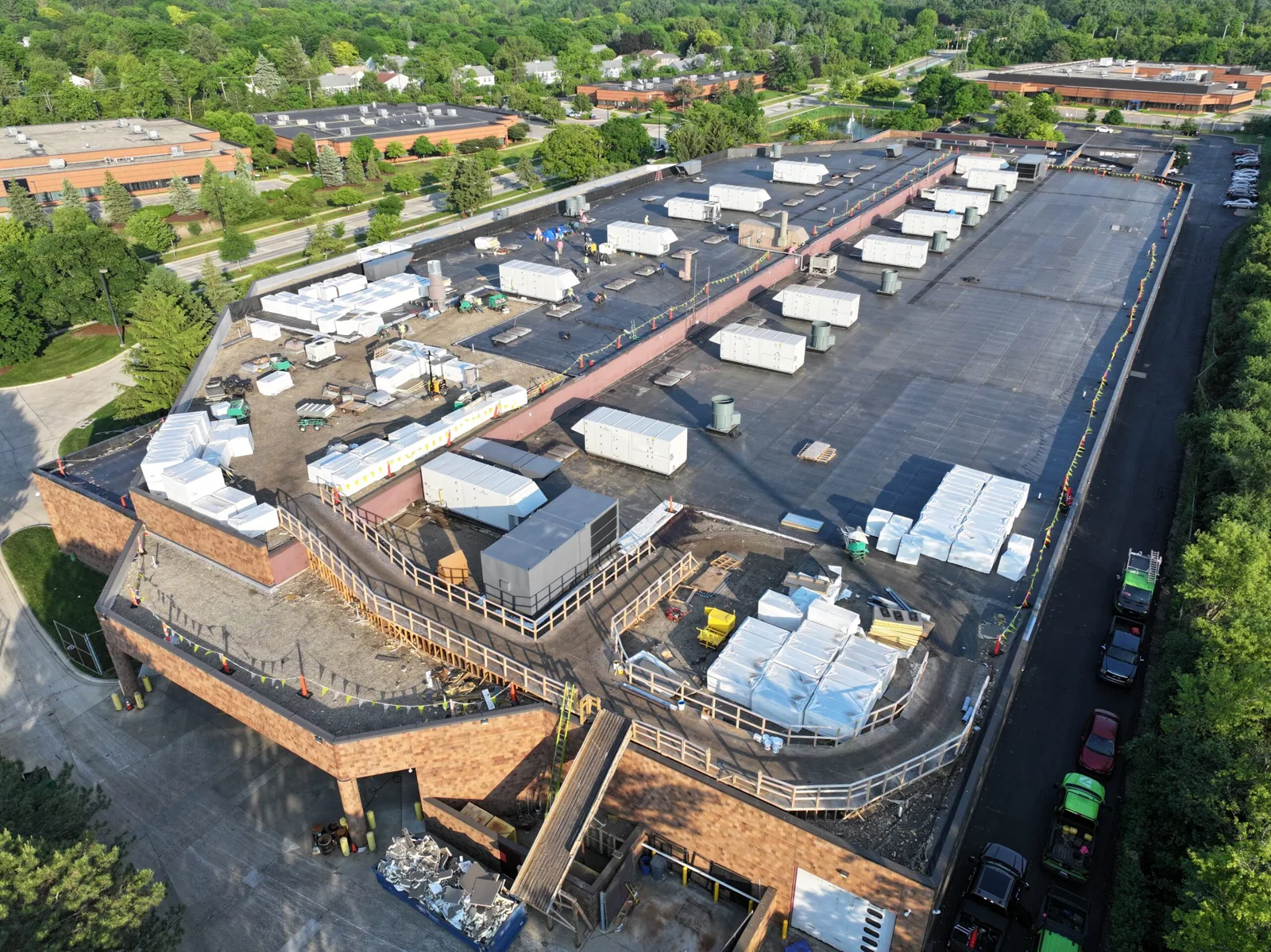
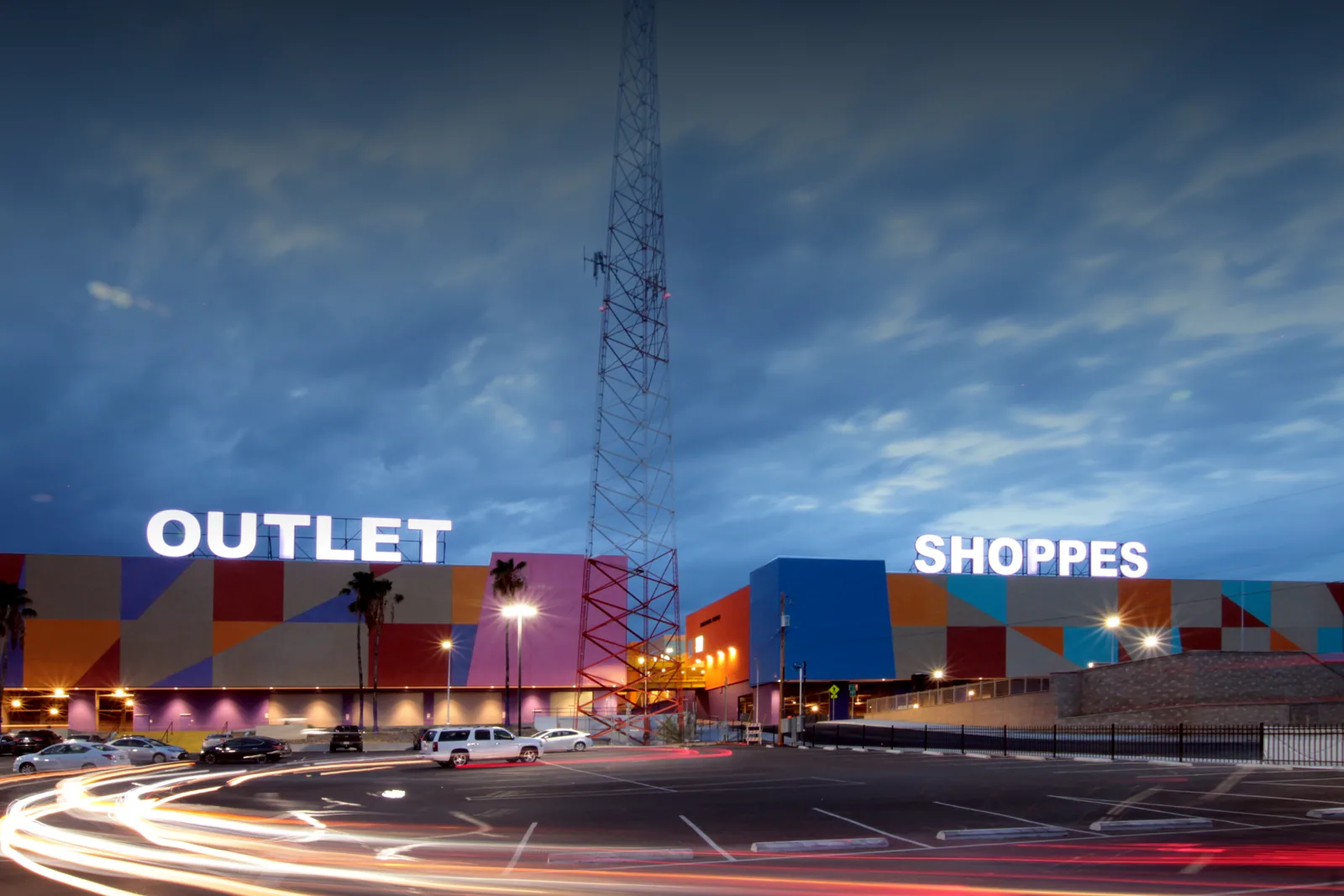
A warehouse roof on Freedom Drive and a shopping center roof on Mount Holly Road fail in different places, and the drains and scuppers on both decide how fast a pond turns into a leak. Owners on both sides of I-485 can run their buildings as one multi-site roof program, with West Charlotte and Huntersville roofs rated on the same scale. Ask for phasing if the budget is tight. The worst roof goes first, and the rest follow in the order the evidence supports.
Commercial Roofing Questions
What do you check on a roof along a busy road?
Rooftop units, signage mounts, parapets and drains. Penetrations are counted, each curb and boot is checked, and sections are ranked by risk. Give us the route to the roof and the name of the key holder.
How do overhead lines and gas lines affect a roof job?
They change where lifts go and what hot work is allowed. We map them before the first day and write the limits into the scope.
Can one program cover buildings on both sides of I-485?
Yes. Same fields, same photo log and same decision date format make buildings comparable.
What does waiting cost?
Wet insulation, interior damage and a larger bill. We put the cost of waiting beside the cost of repair.
Which code edition applies?
North Carolina's 2018 State Building Code is still in effect. An owner can request the 2024 code as an alternative, and the local authority confirms.
Topic
Paw Creek
Roof Types
Low-slope and metal
Related Roofing Work
Warehouse Roofing
Shopping Center and Strip Retail Roofing