
Skylight and Penetration Flashing in Gastonia, NC
A rubber boot around a pipe, split along one side and open to the sky. It takes seconds to see on a roof walk, and it can soak a ceiling for months before anyone looks up. Every hole in a roof is a place the membrane stops and a flashing takes over, and flashings are made of different materials that age faster than the field of the roof around them. Skylights, vents, pipes, conduit and curbs are where most leaks begin, and where most small repairs earn their keep.
The cost is small if the opening is found early. The cost is a ceiling and a tenant if it is found late.
Count Every Opening on the Roof
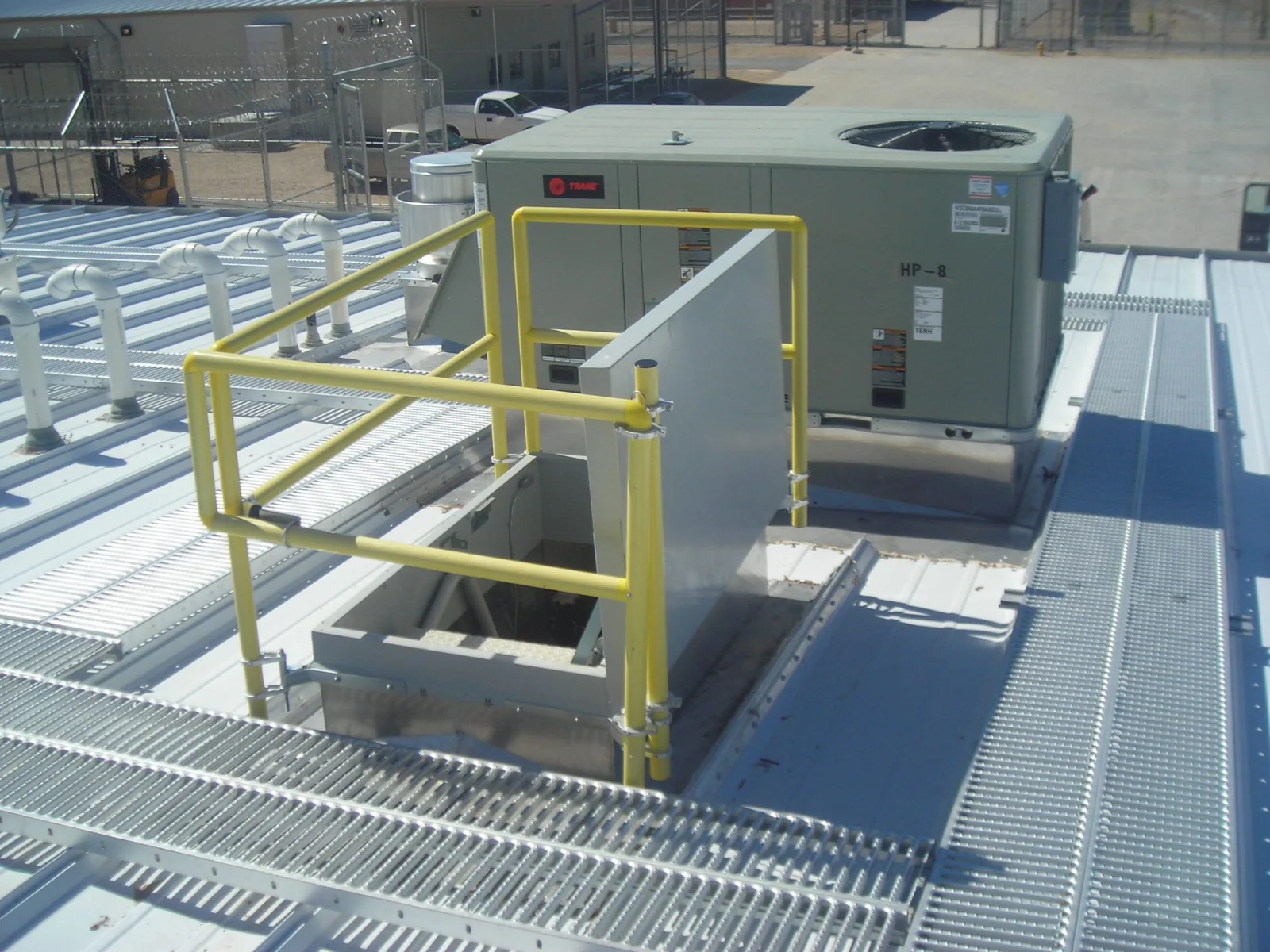
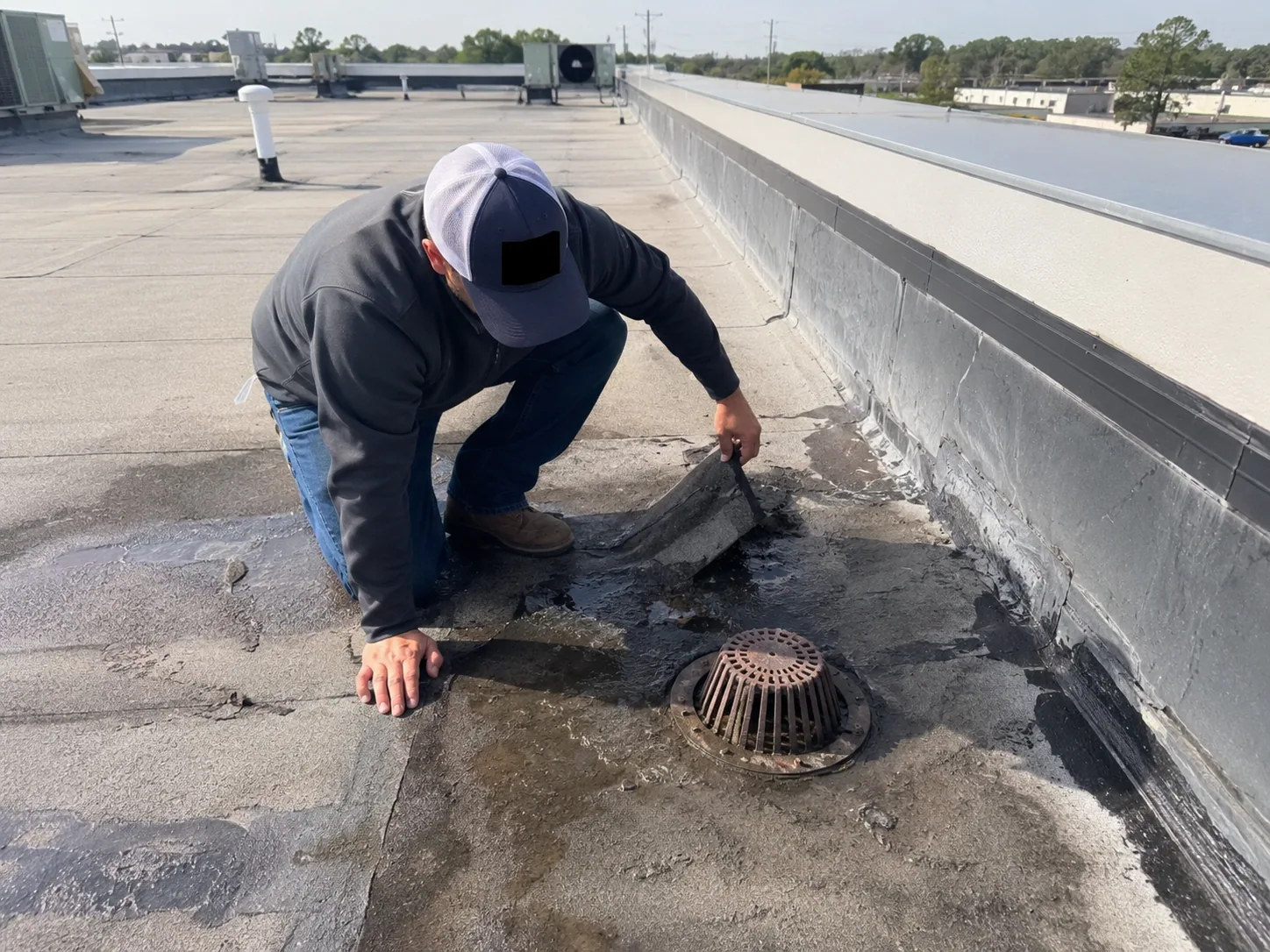
We start with a count. Every penetration gets a number on the roof plan: skylights, roof hatches, plumbing vents, exhaust stacks, conduit, gas lines, antenna mounts and equipment curbs. Each is photographed with the flashing, the sealant and the surrounding membrane. We look for cracks in rubber boots, dried or pulled sealant, rusted collars, loose clamps, lifted flashing at curbs and gaps between the flashing and the roof.
The result is a table. Penetration number, type, condition, probable life and repair price. A roof with forty openings and a dozen cracked boots has a boot replacement program as its answer, not a dozen emergency calls. The table also shows patterns: penetrations all installed at one time often age at the same time, so one failure predicts others nearby. When the cause is a pattern of flashing failure, the program replaces the whole batch at one mobilization.
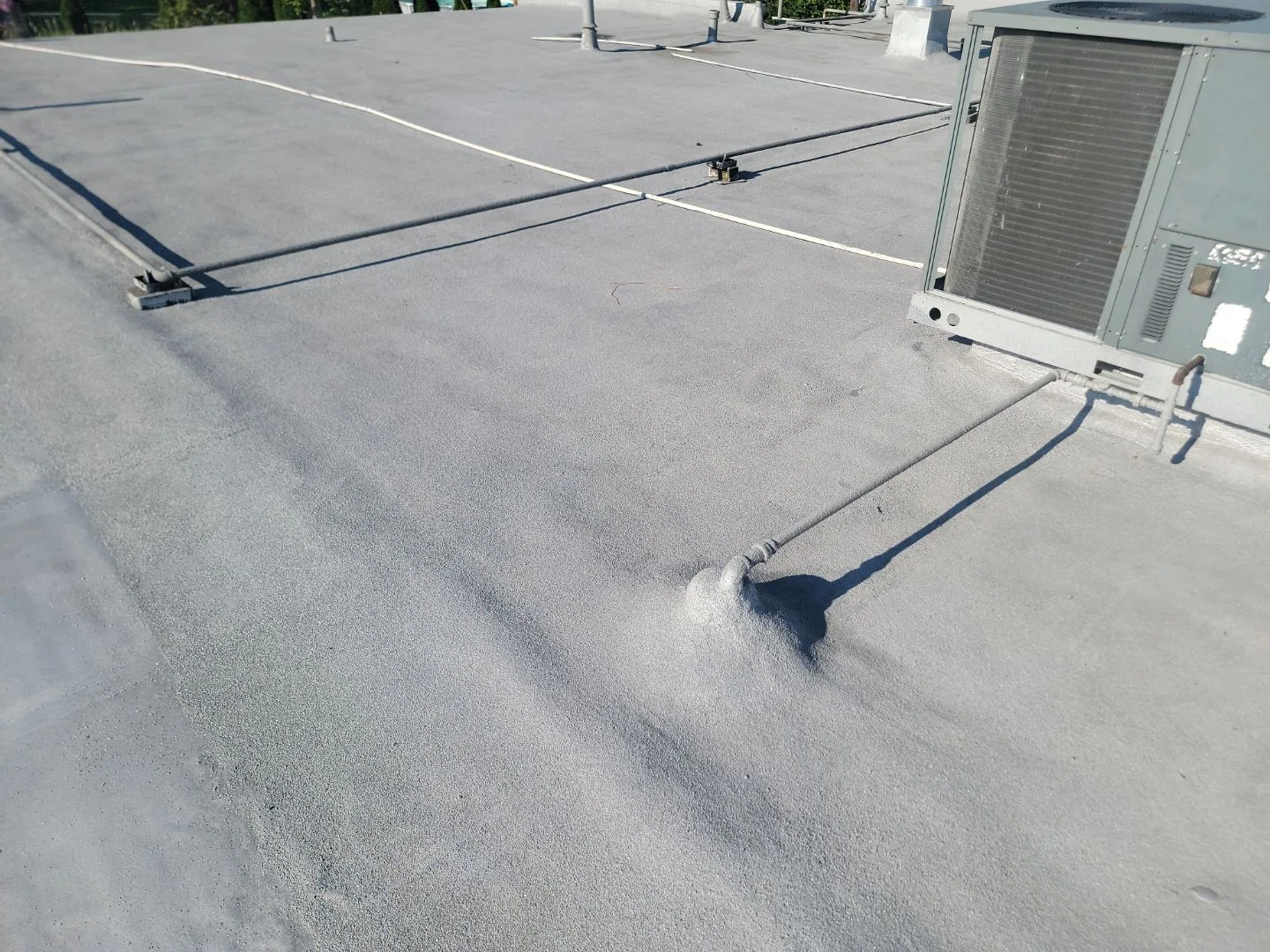
Condensate lines, conduit supports and gas lines get a note too. A pipe that rests on bare membrane wears it, and a support without a pad does the same. These are small items on the list and they are often the easiest to prevent. We recommend pads, sleepers and drip diverters where we find bare contact.
Price the Small Opening Against the Interior Damage
A flashing that costs a modest amount to replace is protecting a ceiling, insulation, equipment and the space below. A small opening sends water along the deck, and the leak may show up many feet from the source. Sealants dry out and rubber cracks in the sun, and Gastonia gives them a hot July average near 91 F and steady rain to work against.
Compare the numbers. A boot replacement is a quick repair. A skylight reflash is a larger item. A ceiling replacement, wet insulation and a disrupted tenant are far larger. Skylights are the biggest risk, because a failed unit lets in water in volume. A skylight whose curb flashing has been patched three times while the glazing is never replaced is a repair paid for in installments. Put the decision date in writing.
Between visits, a preventive maintenance walk keeps the count current, so a new crack is a line on a list and not a surprise.
A blunt line for the memo: the opening you do not inspect is the opening that leaks first, and the leak it causes will not be small.
Decide Between Resealing, Reflashing and Replacing
Resealing is the lowest-cost fix and the shortest-lived. It suits a flashing that is otherwise sound with dried sealant. Reflashing means removing the old flashing and building a new one, with base flashing, counterflashing and proper termination. Replacement is for the skylight itself: cracked domes, crazed acrylic, broken glazing and corroded frames cannot be fixed with sealant.
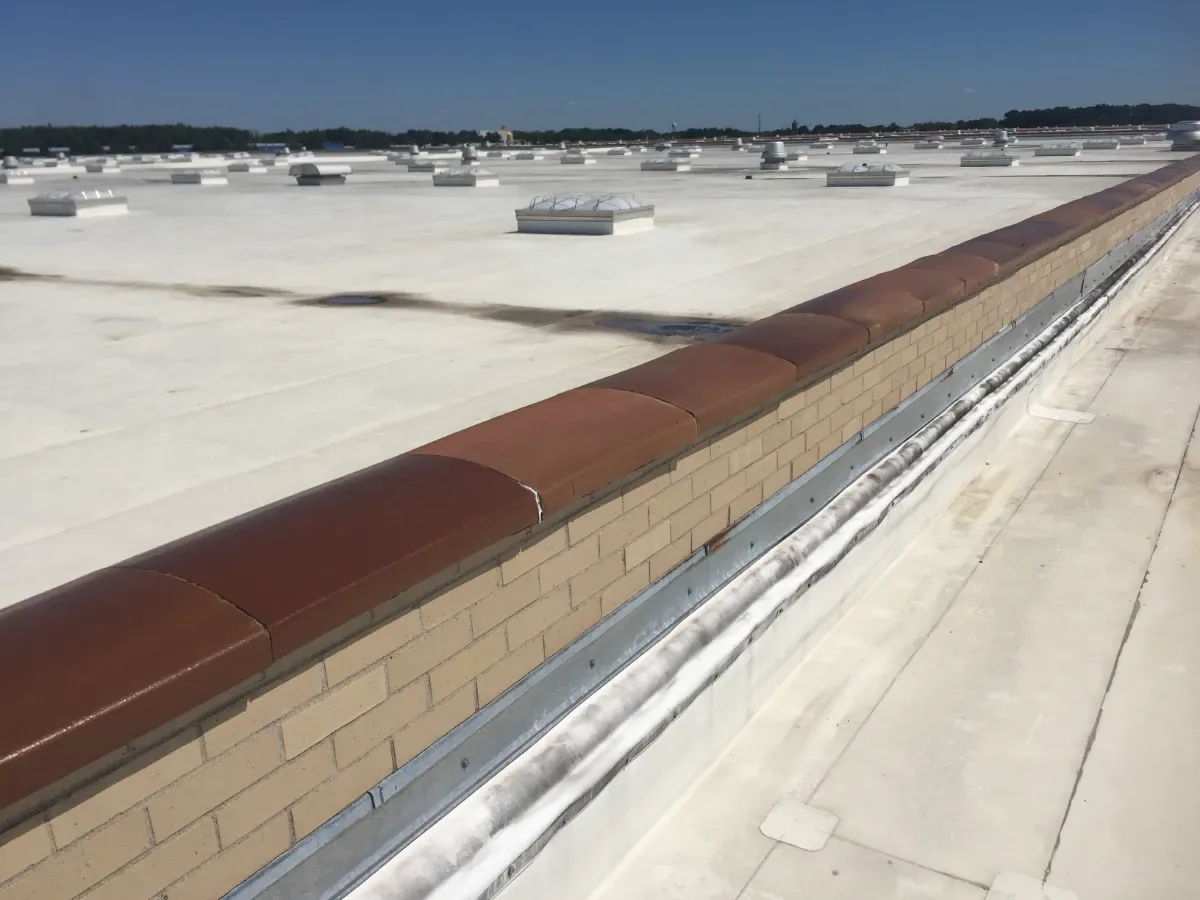
For curbs, the questions are height and structure. Curbs should rise high enough above the roof surface to handle ponding and snow, and be solid enough to carry the unit. A curb that has shifted or rotted needs structural repair first. Rooftop equipment curbs are a close relative, and we treat them with the same method. Our report gives the cheapest fix that will last and the better fix, with the price difference between them.
Skylight type matters. Dome skylights in acrylic or polycarbonate craze and yellow in the sun and crack at the curb. Glass units with frames can leak at the corners and the weep system. Roof hatches and smoke vents have their own gaskets and hinges. Each type has a typical failure, and the report names it so the owner knows what to watch between visits.
Write the Scope Item by Item
A flashing scope lists each penetration by number with the work at each: new boot, new sealant, new collar, reflash, curb repair, skylight replacement. Quantities and unit prices come next. Cost drivers are the count, the type of penetration, access, the membrane around it and any interior work needed for skylight replacement, such as light wells and finishes.
Compare bids by asking for the same table. A low price that reseals everything may leave rubber boots in place that will crack again next summer. Another may reflash everything when half of it is sound. We recommend repairs by condition, not by habit, and we mark which items are optional now and which are urgent. Warranty coverage often excludes sealant-only fixes, so we note whether the new work meets the manufacturer's detail.
Skylight replacement adds interior coordination. The light well, the ceiling finishes and any fire-rated assembly may need work, and tenants below need notice. We list the interior items so the owner sees the whole cost and the whole schedule before the first day.
Openings on Gaston County Buildings
Different buildings have different counts, and a skylight on a mill-era roof in Belmont or Mount Holly, a vent stack at a Lowell plant and a roof hatch at Gastonia Technology Park each get the same numbered count. A large distribution roof near Gateway85 may have a long field with a few penetrations and many drains. A manufacturing plant in Gastonia can carry exhaust stacks, makeup air and process vents. The Summit at Court Drive medical park beside Gaston Memorial Hospital has dense rooftop equipment. A mill-era building like the Loray Mill in the downtown Gastonia area is worth checking for old skylights, monitors and stacks left from earlier uses.
Conversion of mill buildings to apartments and mixed use adds new penetrations for plumbing and mechanical systems. Each new hole needs a proper flashing, and each old unused one needs to be closed. We map them all.
The county's weather adds its own pressure. Flying debris in a tornado like the May 2024 one is the kind of hit that can crack a skylight dome or a vent cap, so those get checked after any wind damage event. A post-storm walk checks every opening, since a cracked dome is easy to miss from the ground.
Commercial Roofing Questions
How long does a pipe boot last?
Rubber boots crack from sun and heat, often well before the membrane does. We check them at every visit and replace them in batches.
Can a leaking skylight be sealed?
Sometimes, if the frame and glazing are sound and only the sealant has dried. If the dome is cracked or the curb has moved, replacement is the lasting fix.
Why do leaks appear far from the opening?
Water travels along the deck and the insulation before it drips. We trace it upslope and confirm with a moisture scan or hose test.
Should I add skylights?
Each skylight is a penetration that needs ongoing care. We price the flashing and the long-term maintenance with the installation so you know the full cost.
What does a flashing repair cost?
It ranges widely by type and count. We price each item and show the total for the roof, so a partner can compare against a replacement.
Topic
Skylight and Penetration Flashing
Roof Types
Low-slope and metal
Related Roofing Work
Failed Flashing Repair
Preventive Roof Maintenance