
Senior Living Roofing in Gastonia, NC
A ceiling stain over a resident's bed is a different kind of finding than a stain over a storeroom. The roof cause is often ordinary, a flashing at a wall, a cracked curb on a cooling unit, a drain holding water on a flat section over a corridor. What it means for the operator is not ordinary. A resident may have to be moved, a family has to be called, and a state inspector may ask what the community knew about the roof and when.
A senior living roof in Gastonia, NC takes July heat near 91 F, steady rain, and spring wind of the kind the May 2024 EF-1 tornado brought to Gaston County. We walk the roof, map each finding to the rooms below it, and write the findings so an administrator or an owner can use them in a budget meeting, with a price for repairing now and a price for waiting.
Map Every Finding to the Rooms Below
On a community roof, the people beneath matter as much as the membrane. We lay the roof plan over the floor plan and attach each finding to the rooms under it. A curb leak above a memory care corridor and a flashing crack over a dining room are different calls, and the administrator should know which is which before a crew steps onto the roof.
Rooms near exterior walls and parapets are the first to show moisture, so they head the list. The map also shows which rooms are at risk before the first drip, which lets the operator move a resident on a schedule instead of in an emergency. A move planned a week ahead is gentler on the resident and on the staff than a move at midnight, and the roof file is what makes the planning possible. We give the administrator the map first, before the price, because the operator's decisions about residents come before the budget decisions.
Protect the Cooling Equipment
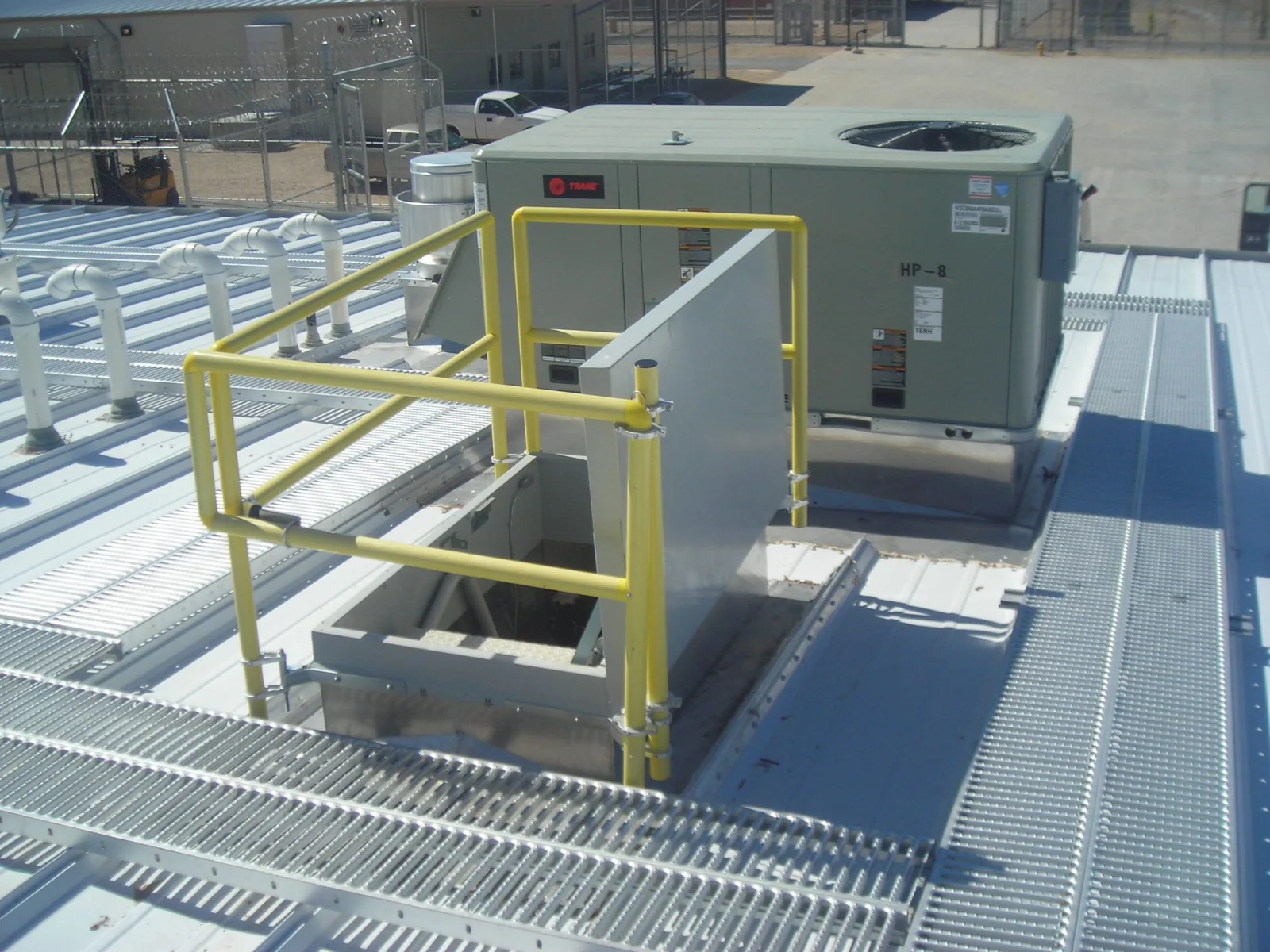
Cooling is a care issue in a senior community. A rooftop unit that goes down in July is a health matter, and a roofer who touches it needs a plan. Every unit gets a look at its curb, sealant, flashing and condensate drain. A repair that needs the unit lifted waits for a cooler day and a short outage, with the operator's maintenance staff present. Units get covered, and the system is checked before the crew leaves. If a unit must stay off overnight, a portable cooler or a room swap is agreed in advance, and the operator signs off on the plan before the lift.
Condensate that runs onto the membrane is redirected to a drain, with a splash pad under any line that cannot reach one, because constant wetting ages the sheet and a ponded spot beneath a unit is a leak waiting to happen. A curb repair is small compared with a resident move. Generators, if the building has them, sit on the roof or beside it, and their exhaust and fuel lines are checked as well. A roof that fails over an emergency power room is a different order of problem, and we ask early whether such a room exists. The answer goes on the roof plan beside the room list.
Read the Pitched and Flat Sections Separately
Senior communities often combine a pitched roof over residential wings with flat sections over common areas, kitchens, and additions. The pitched sections need shingle or panel checks at ridges, valleys, and eaves. The flat sections need seam, drain, and flashing checks. Water on a flat section over a dining room ages the membrane and puts weight on the deck, and a dining room is where residents and families gather, so a stained ceiling there is seen by everyone. We clean the drains, measure ponding, and tell the owner whether the fix is cleaning or a slope correction, with a price for each.
Kitchen exhaust, laundry vents, and generator equipment add penetrations, and we note each one with what it discharges. Kitchen exhaust leaves grease, laundry vents leave lint and moisture, and both age a membrane near the outlet. Keeping the area around each outlet clean, and adding a protective pad where discharge lands, extends the life of the sheet. Where the sheet is already softened, the damaged area is cut out and rebuilt, and the photographs show the before and after.
Work Around Residents, Not Just Tenants
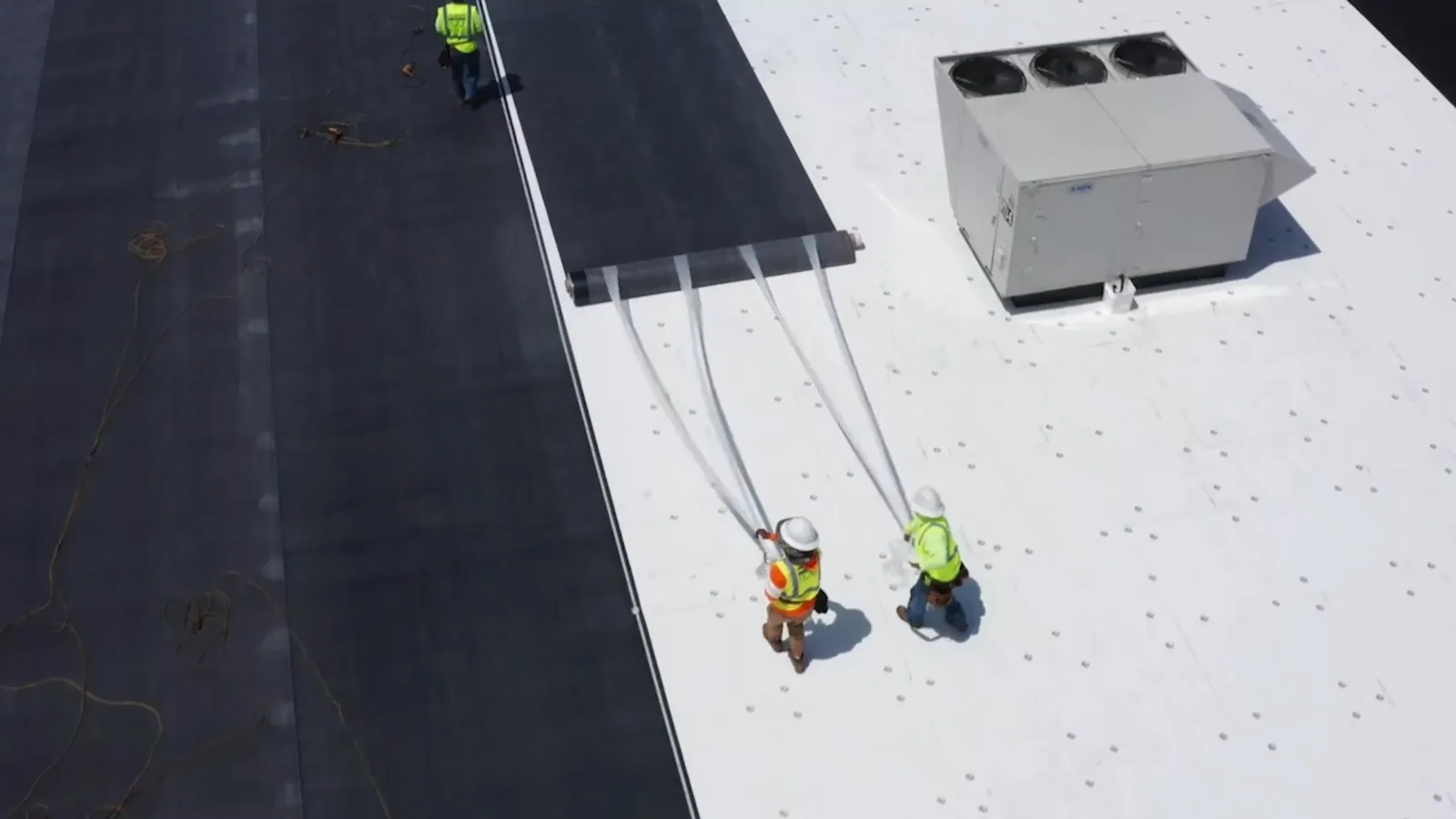
Noise, dust, and strangers on the property all matter to residents. We schedule loud steps for the hours the operator picks, usually mid-morning, keep staging away from entrances and walking paths, and cover openings the same day. A short notice goes to staff and families, stating which days work is above which wing. The crew keeps walkways clear and removes debris each evening. Walking aids, wheelchairs, and delivery vans use the same paths the crew might want, so we mark a separate route for the crew and a clear one for residents, and the crew leader checks both before work starts each day. The method follows our occupied building reroofing sequence, with extra attention to routes residents use.
Decide Between Repair and Replacement
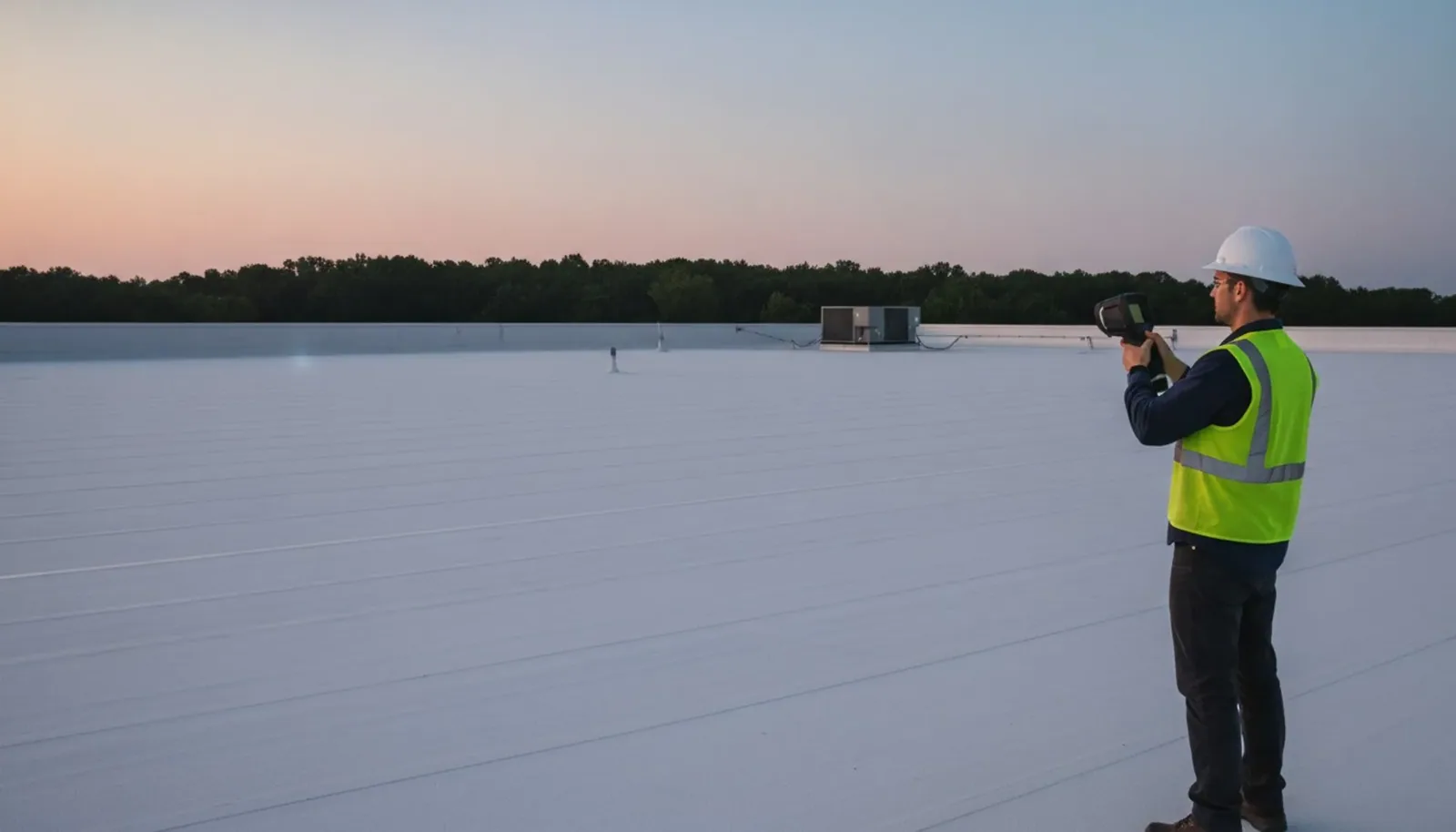
A roof with dry insulation and a sound membrane can carry on with maintenance. A roof with wet insulation and repeated patches is a replacement, and the date matters because it must be planned around the community. Cores and an infrared moisture survey tell us which. The building department names the governing code edition before any number is final. Roof area, wet insulation, units to lift, and access equipment each carry their own line. For a community with several wings, a phased replacement costs more in mobilization but less in disruption, and we price both ways so the owner can choose. A hospital roof follows stricter protocols still, and the care setting here sits between a hospital and an apartment building.
Cost is easier to talk about when the sequence is visible. A roof over a memory care wing, a dining room and a laundry carries a different consequence over each, so the plan prices them as separate lines and lets the administrator choose the order. The first line goes to the section above the most vulnerable rooms. Staff and families hear about the schedule through a written notice that names the days and the wing, so nobody learns of the work from a noise overhead.
Prepare for Storms and Regional Care Networks
Communities along I-85 and in the Charlotte metro, about 21 miles east, share the same spring storm calendar. A community in Gastonia or Belmont, or near the Summit at Court Drive medical and office park beside Gaston Memorial Hospital, gets a post-storm walk of edges, vents, and flashing. A multifamily roof shares many details, and the written condition report gives an operator a file to hand an inspector.
Commercial Roofing Questions
How do you protect residents during roof work?
We fence the work area, keep paths clear, schedule noisy steps with the operator, and cover openings daily.
What if cooling goes down?
We plan unit work with the maintenance team for a mild day and a short outage, and check the system before leaving.
Can a roof be replaced in sections?
Yes. Sections let wings stay in use while others are worked.
What records will an inspector want?
Dated photos, a repair history, and a condition report. We provide all three.
Who tells families?
The operator does. We draft the notice and give a clear schedule, including the days work sits above each wing.
Topic
Senior Living Roofing
Roof Types
Low-slope and metal
Related Roofing Work
Rooftop Equipment Curbs and Supports
Occupied Building Reroofing