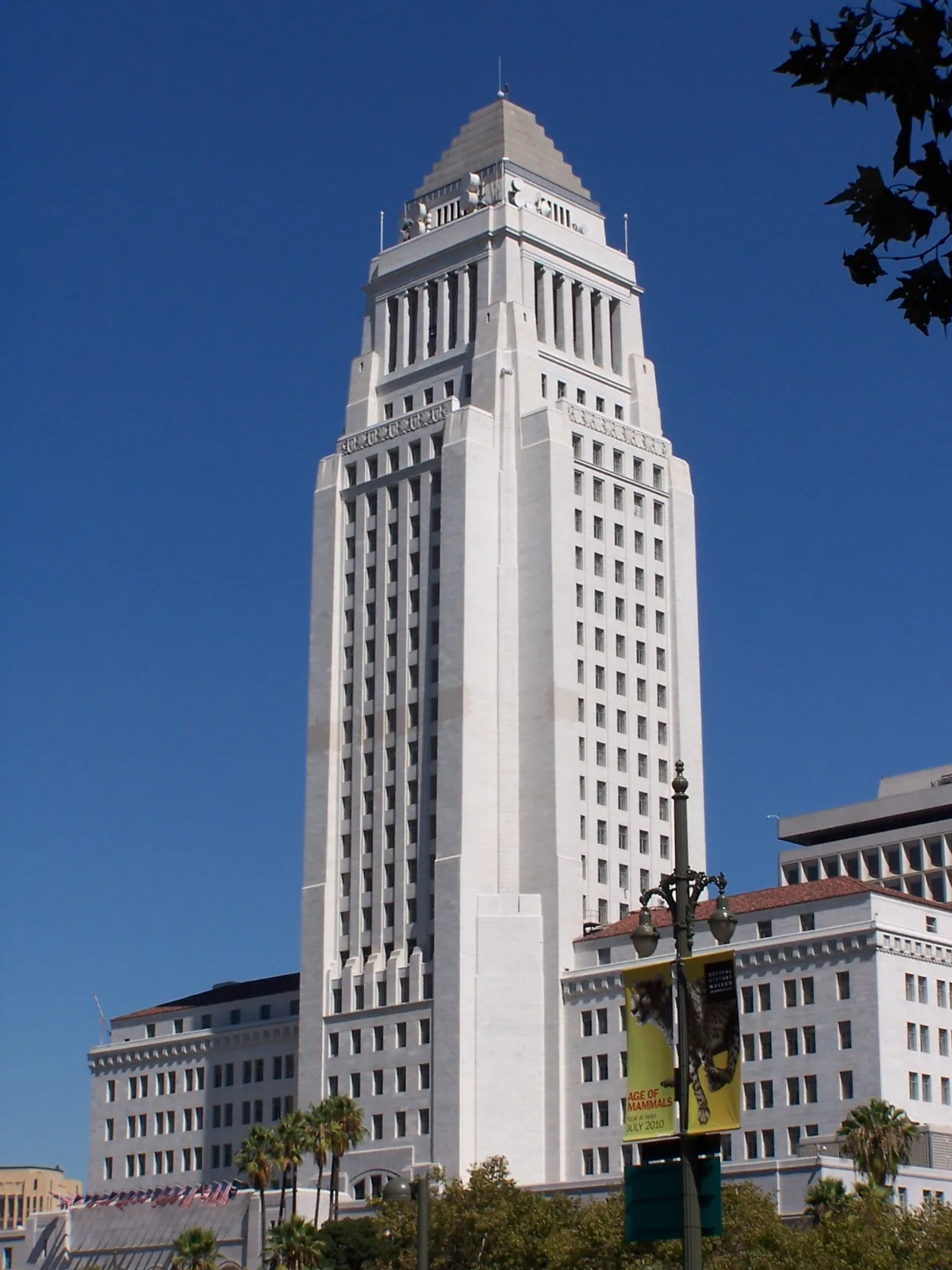

Military Hangar and Aircraft Maintenance Facility Roofing near Gastonia, NC
A maintenance hangar roof fails in ways that a facility manager can describe in one sentence and a roofer needs a day on the roof to confirm: water at the door head, a drip on the maintenance floor, a line of fasteners backing out along a panel. What it means for the owner is a mission question. A leak over an aircraft or a work bay is a maintenance delay, and a roof repair has to fit inside a flying schedule and a security perimeter.
The 145th Airlift Wing of the North Carolina Air National Guard is based at the Charlotte Air National Guard Base, at Charlotte Douglas International Airport, about 15 to 20 miles east of Gastonia, NC. The wing received its first Boeing C-17 Globemaster III on April 7, 2018, and includes airlift, aeromedical evacuation, maintenance, medical, mission support, and security forces units. Roofs in this region take July heat near 91 F and steady rain. The walk ends in photographs and a write-up for the person who has to explain it up the chain.
Read the Roof Against the Aircraft Below
Military hangars and maintenance shops are among the widest, tallest, and most open buildings. The roof covers aircraft, tooling, and people, and everything beneath it has a schedule. We start with a map of what sits under each part of the roof: aircraft bays, shops, support rooms, offices. A leak over a wing position is a different priority from a leak over a storage bay.
The map ranks the findings by what they put at risk, and that ranking drives which repair goes first. A National Guard armory has a drill floor and a training calendar, while a maintenance hangar has aircraft and a flying schedule, so the two rankings differ even when the roofs look alike from the ground. We ask the facility manager to mark the bays that cannot be disturbed and the ones that can.
Inspect the System You Find
A large hangar roof may be metal panels, a low-slope membrane, or a combination. On metal, we check fasteners, laps, trim, and penetrations. On membrane, we check seams, flashing, curbs, and drains. At the door head and the wall transitions, we check flashing and sealant. A seam failure repair is common on older membranes, and fastener back-out is common on exposed-fastener metal. Each finding goes on the plan with a photograph and a location. Hangar roofs carry long runs of trim and flashing at the eaves and the door head, and wind works on those lines first. A loose trim piece is a small repair when found early, and a lost piece of trim over a ramp is a debris hazard, so the walk looks at trim along the entire perimeter, not only near the ends. Skylights and vents are checked, with the aircraft position noted beneath each one.
Fastener back-out on a long run of exposed-fastener metal is counted per ten feet of panel, and the number goes on the plan so the facility can see whether the problem is local or roof-wide. A roof with a handful of loose screws earns a repair line. A roof with loose screws on every run earns a restoration or retrofit line, priced beside the repair so the decision rests on the count and not on a guess.
Plan for Base Access and Mission Schedules
Work on a military installation follows base access rules: background screening, badging, escorts, vehicle and material inspection, and restricted areas. Contractors work to the installation's schedule and not the other way around. We plan the access steps first, because they take longer than the first roofing day, and we confirm each requirement with the facility contact. Federal roofing is often specified to the Unified Facilities Criteria, and we read the specification first and compare it with the roof.
Mission schedules add holds. Flight operations, exercises, and security events can close an area on short notice, and the plan builds in time for those holds. The crew leader keeps a log of hours lost to mission holds, so the closeout record explains every gap. Material is delivered when the gate and the road are open, and a crew waiting at a gate is a cost the schedule counts. A government building project shares the paperwork habits but not the flight line.
Respect Airfield Limits on Cranes and Lifts
Near a runway, the height and location of a crane or lift are limited, and loose material on a ramp can damage aircraft. We ask for the airfield's requirements before scheduling any lift, and we keep tools and debris contained. A fourth runway of 10,000 feet is under construction at Charlotte Douglas, with completion expected in 2027, which is a reminder that airfield conditions change, and an approval granted for one project does not carry over to the next. We confirm each time. Tools are tethered on high roofs, and material is lashed down, since a loose sheet of metal or a dropped fastener on a ramp is a foreign object hazard. The crew carries a magnet sweep, walks the work area at the end of each day, and logs what was collected. The facility can ask for the log at any time.
Decide Between Repair and Replacement
Sound panels or membrane over dry insulation can be repaired and maintained. Rust through the panels, a failed deck or wet insulation across a large area is closer to replacement, and the funding path matters. An infrared moisture survey and core cuts decide. The state code may not govern a federal project, so we ask which criteria apply. Where state rules apply, the building department confirms the code edition. The price moves with roof area, access height, wet insulation, penetrations, aircraft protection, and the time lost to access steps and holds. Each is its own line. The summary we hand back is built so that it can be attached to a funding request, with photographs, ratings, prices, and a decision date.
Keep Records and Watch the Weather
The 2024 EF-1 tornado in Gaston County and the 87 mph gusts Hurricane Hugo carried to Charlotte in 1989 are reminders that damaging wind reaches this far inland. We keep dated photographs and a repair log so a facility manager has a record after a storm. Facilities near Charlotte and in west Charlotte and Gastonia can request the walk, and an aircraft hangar without a military mission follows the same checks.
Commercial Roofing Questions
What access steps does a base job add?
Background screening, badging, escorts, and vehicle and material inspection. The installation sets the rules, and we put each step on the schedule before the first roofing day.
How do you protect aircraft below?
We agree with the facility on aircraft positions and covers, contain debris, and seal the roof by evening. A protective layer goes up beneath the work area before the first panel is touched.
What if flight operations close an area?
The schedule includes mission holds. We close the open section, secure tools and material, and resume when the area reopens, with the hold time recorded in the log.
What records go to the facility manager?
Dated photos, a findings list tied to the roof plan, repair prices, and a replace-by estimate. The same format can serve several buildings, so a base can rank its roofs together.
Can repairs happen during operations?
Some can, with a plan. Larger work belongs in windows the installation approves, and we use the quiet gaps in the flying schedule for anything that needs a crane or open roof.
Topic
Military Hangar and Aircraft Maintenance Facility Roofing near Gastonia, NC
Roof Types
Low-slope and metal
Related Roofing Work
National Guard Armory and Readiness Center Roofing near Gastonia, NC
Split and Open Seam Repair