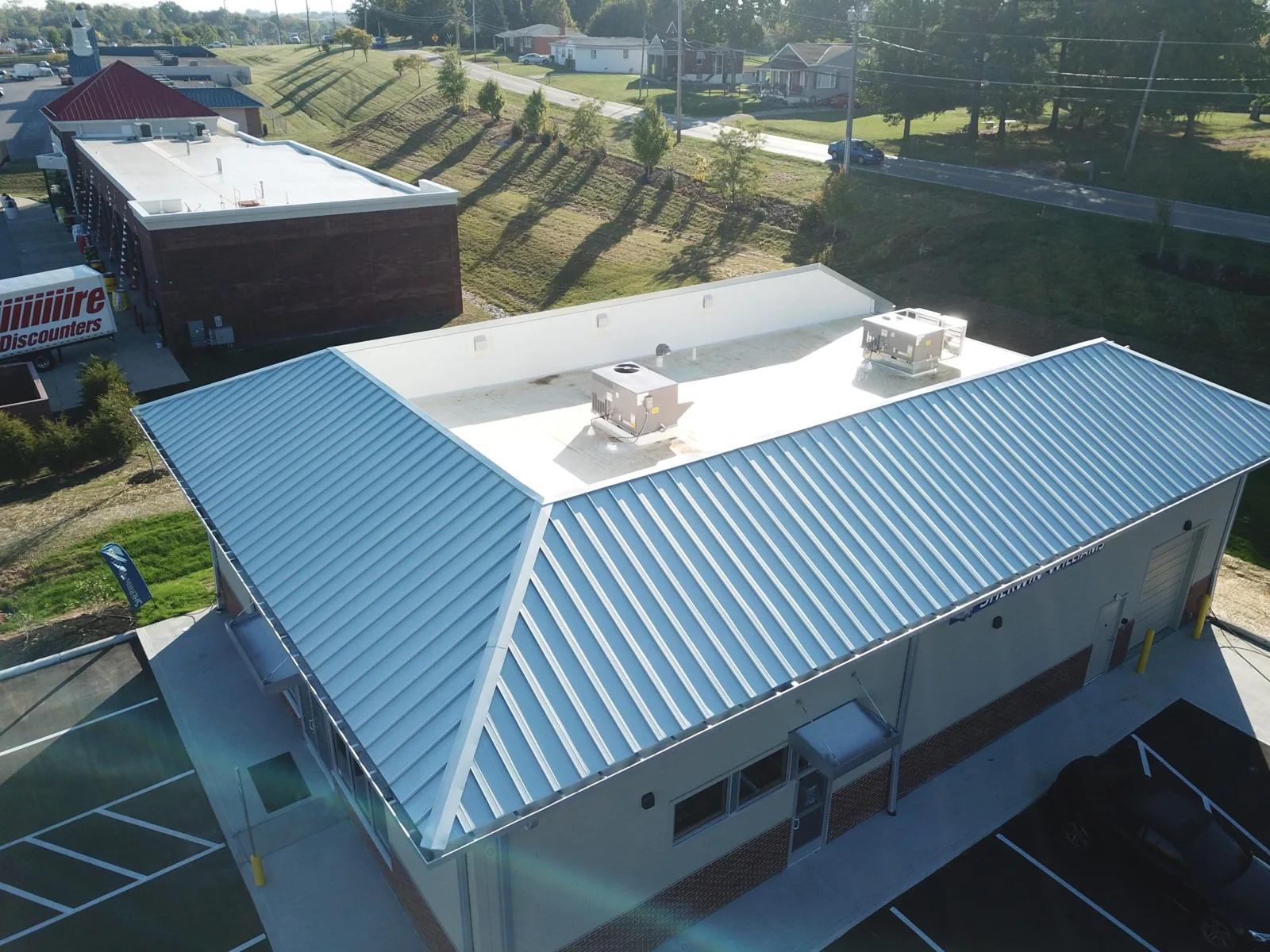
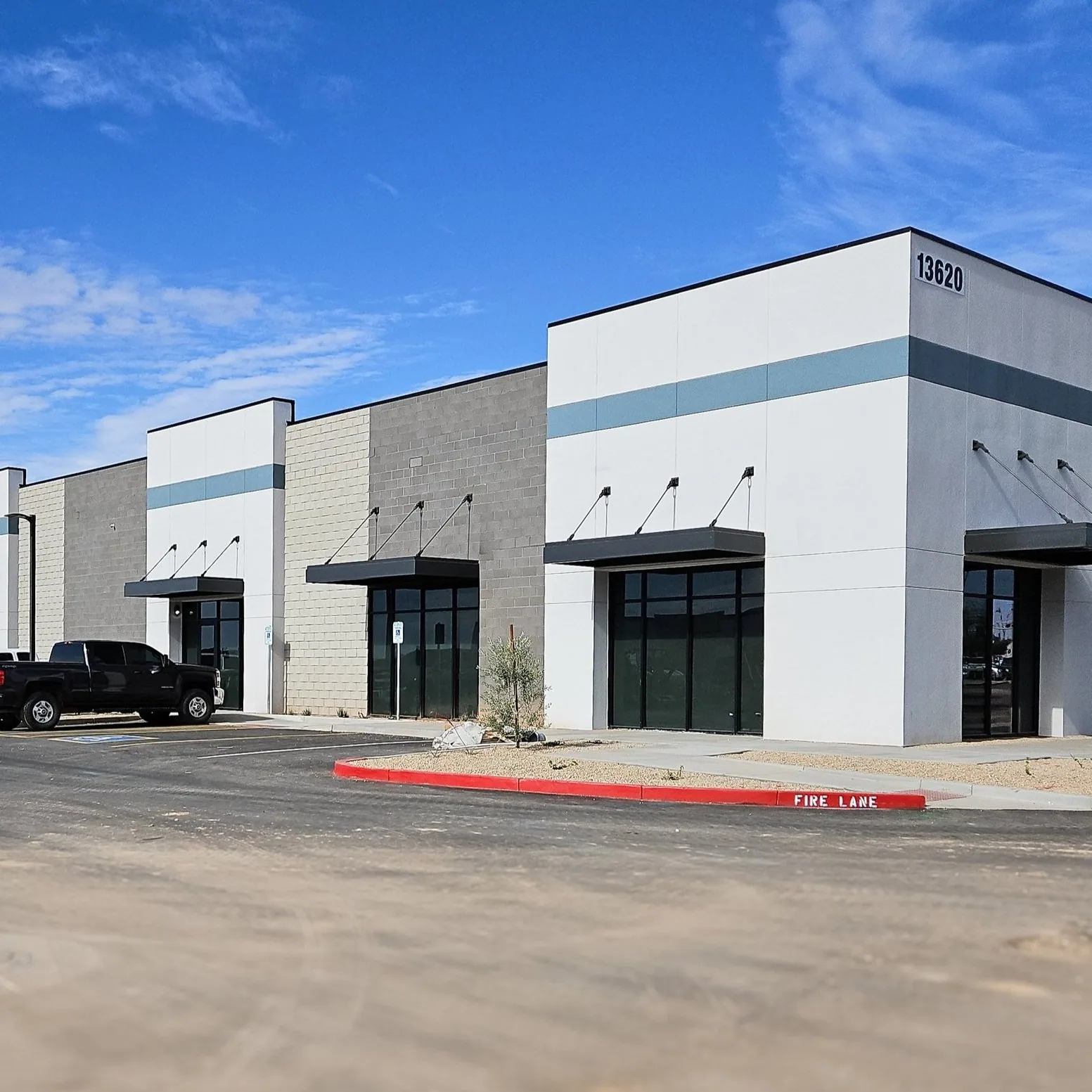
Big-Box Retail Roofing in Gastonia, NC
A big-box roof is long, flat, and crowded with equipment, and the first thing a roofer finds on it is water standing in the same place after every storm. Often it is a drain at the low end of a long run, with seams around it that have started to open under the weight of the water. The store below does not see it until a drip lands on a pallet, a register, or a sales floor that the manager cannot close.
In Gastonia, NC, summer highs near 91 F bake that membrane every afternoon and about 44 inches of rain a year test it the rest of the time. We walk big-box roofs section by section, put the findings on a plan, and write them up for the person who has to explain the roof to a regional office or a lender, with a price for acting now and a price for waiting.
Respect the Size of the Roof
A large roof is not a small roof made bigger. Long runs of membrane move more with heat, so expansion shows at seams, walls, and curbs. A single drain failure can put hundreds of gallons of water on one part of the deck. A repair that would be a single patch on a small building can become several in a row, and a store roof with many past repairs often has a pattern: the same corner, the same drain, the same line of units. We read the pattern before we price the next patch.
Our first pass is a grid walk, with every section photographed and marked. It takes longer than a quick look, and it finds the second leak before the first one is fixed. We also record the roof's slope direction and the drain count per section, because a store roof with a few drains for a very long run has less margin than one with many, and the plan shows the owner where margin is thin. A grocery store roof adds refrigeration load, and a general merchandise box adds none, so the walks differ.
Count the Rooftop Units and Check Every Curb
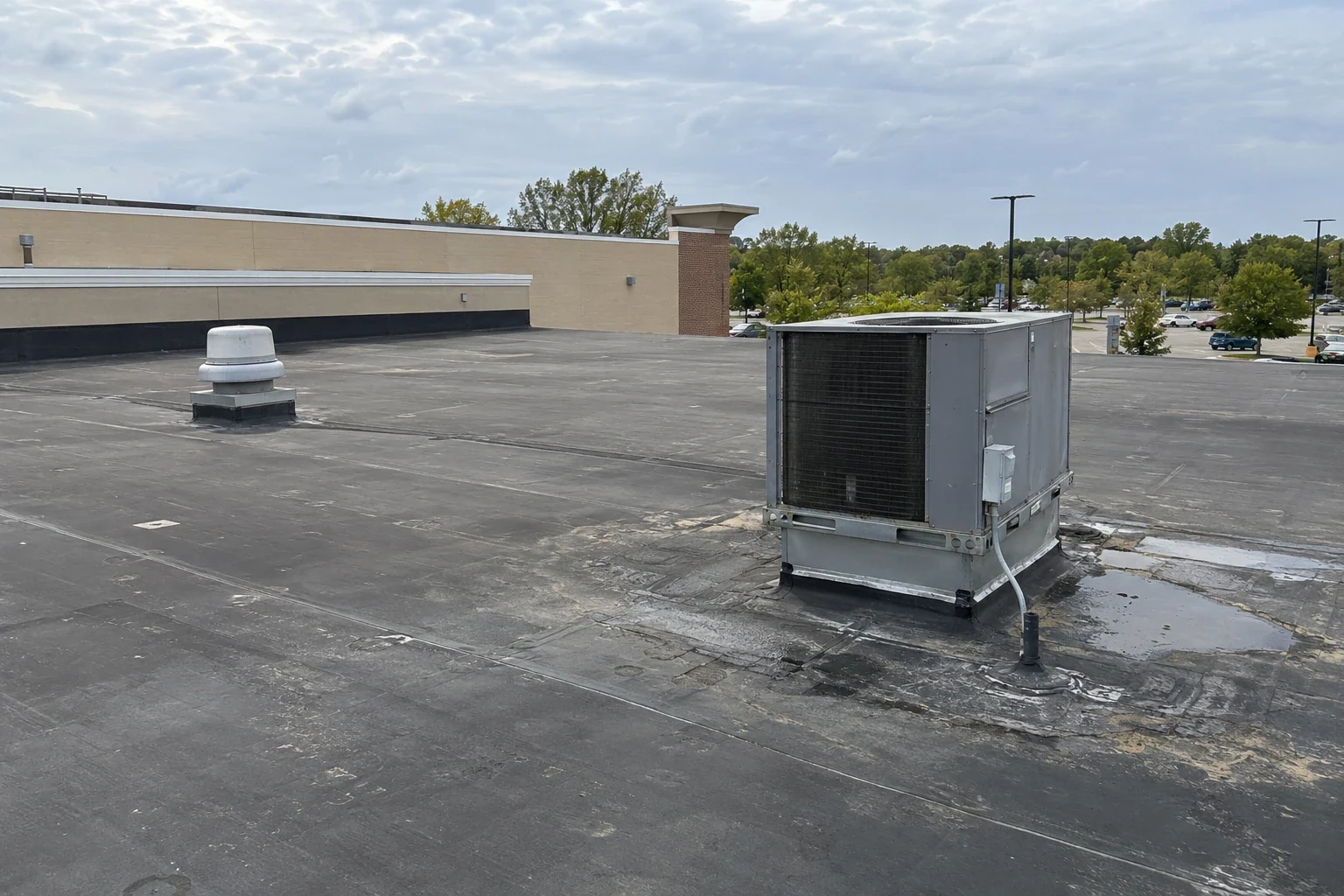
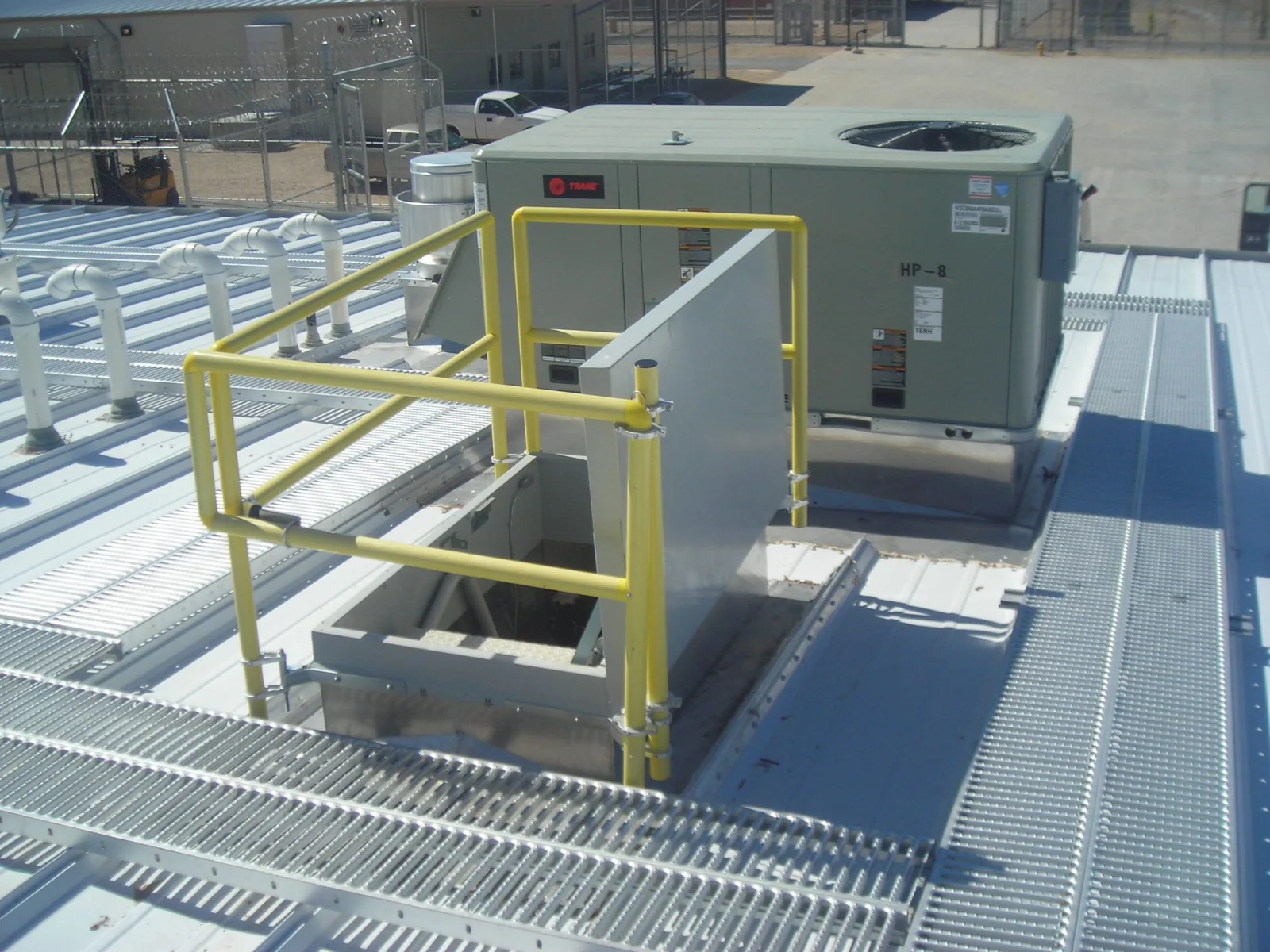
Big-box stores carry large rooftop units, exhaust fans, and sometimes refrigeration equipment, and each sits on a curb that was flashed by hand. Over the years, units are replaced, moved, and added, and the roof ends up with a record of every change. We count the units, check each curb for cracked sealant and lifted flashing, and look at condensate lines that drain onto the membrane. Curbs are a frequent source of leaks on stores, and a curb repair costs far less than a ruined ceiling over merchandise. Refrigerant lines, gas lines, and electrical conduit also cross the roof, and each rests on blocks or supports that wear the membrane. We check the pads under every run and add protection where a pipe has begun to rub. A worn pad is a small line item. A hole under a pipe is a leak that tends to start on a holiday weekend.
Deal with Ponded Water at the Drains
Ponded water is the finding to expect first. A long roof with a small number of drains puts a lot of work on each one, and leaves, litter, and loose gravel clog the strainers. Water that stays for days ages the membrane and adds weight. We clean the drains, measure how long water stands, and check whether the cause is a clog, a high drain, or a sagging deck.
The repair is often cleaning. When it is not, tapered insulation or a new drain is priced as a separate line. A ponding water repair costs less than the replacement of a membrane that ponding has aged out early. We note the water line on the membrane, the dirt ring where water has sat, and any algae, since each tells us how long and how often the pond forms. The photo log shows those rings with a tape beside them, which gives an operator evidence for a capital request.
Plan Around Store Hours and Deliveries
A store cannot stop trading for a roof job, and a roof job cannot work around a sales floor without a plan. We agree on work hours with the manager, set staging away from receiving docks, and mark the lanes trucks and customers use. Noisy steps happen when the store prefers, which may be early morning or at night. Interior protection goes above sensitive areas, and the roof is sealed section by section so a surprise storm does not catch an open area.
Our occupied building reroofing approach is built for this: the store stays open, the sequence is written down, and the manager has a name to call. For stores that run overnight stocking crews, we ask which hours are quietest below, and we protect stock areas under the work. Fire lanes and accessible routes stay clear, and the daily log shows what was opened and what was closed by evening, along with the weather on the day.
Decide Between Repair, Recover, and Replace
A big-box roof with dry insulation and years left needs repairs and upkeep. A tired membrane over dry insulation may take a recover, which saves tear-off cost on a large area. A roof with wet insulation across large sections needs replacement. An infrared moisture survey and core cuts tell which. Which edition of the state building code governs the permit is confirmed with the building department before a number is final.
On a roof this size the price follows the area, how much insulation is wet, how many units must be disconnected, and what access equipment the site allows. If the store is leased, the lease decides who pays, and a clear findings summary helps both sides see the roof the same way. We write it so that an operator, an owner, and a lender can each read it without a translator.
Check the Roof After Storm Season
The May 2024 EF-1 tornado that crossed Gaston County is a reminder that a large, low roof is exposed to uplift at its edges and corners, so after a storm we check coping, edge metal, and perimeter fasteners. Operators of stores near I-85 and in Gastonia or Mount Holly can use the same walk format across several locations, and a shopping center roof shares many of the same details.
Commercial Roofing Questions
Can the store stay open during a reroof?
Yes. We work in sections, protect the interior, and run noisy steps at hours the manager picks.
How do you find a leak on a large roof?
We trace from the stain toward the nearest curb, drain, or seam, and confirm with a moisture scan.
What if the store is part of a national chain?
We follow the chain's roof program and document the work to its format where one exists. That includes the chain's warranty terms, photo requirements, and approved materials, which we read before the walk so the findings use the same words the regional office uses.
How often should drains and curbs on a store roof be checked?
Twice a year and after any major storm. Strainers clog and curb sealant cracks between seasons, so those two get a photograph each time.
Does ponding void a warranty?
Some warranties limit coverage for standing water. We check the terms and record the ponding depth. A dated photo of the water line after a storm is the record that protects the owner if coverage is questioned later.
Topic
Big-Box Retail Roofing
Roof Types
Low-slope and metal
Related Roofing Work
Grocery Store Roofing
Rooftop Equipment Curbs and Supports