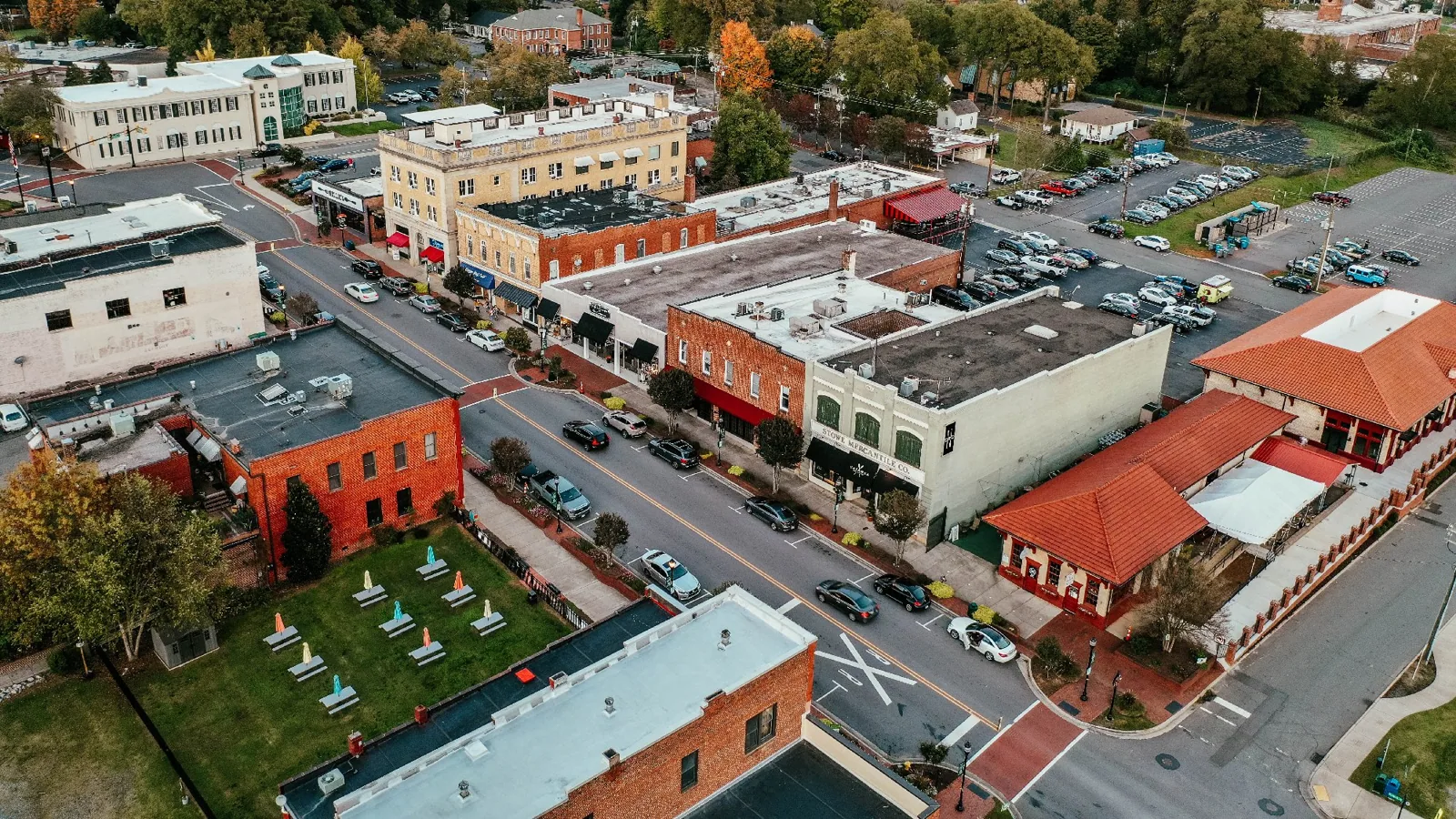
Soprema Roofing Systems in Gastonia, NC
Worn seams along a parapet on a mill-era roof near Loray are the kind of finding that starts a walk on layered asphalt. Beside them, a liquid-applied flashing at a unit has cracked along its top edge. Two materials, two ages, one wall, and a repair plan that has to respect both.
Soprema supplies bituminous sheets, liquid-applied resins and other roofing lines, and a Gastonia, NC roof can carry several at once. The file starts with a material map: which areas are layered sheet, which are resin and which are something else. Findings are logged against the map, and every repair uses the compatible product.
Map the Materials Before You Repair Anything
Soprema is a roofing and waterproofing manufacturer whose range includes modified bitumen membranes, liquid-applied resins for flashings and waterproofing, single-ply membranes and insulation. A commercial roof may combine them: bituminous sheet across the field, resin at curbs and penetrations.
Each ages differently. Sheets show granule loss, open laps and blisters. Resins show cracking, thinning and loss of bond. Mixing incompatible materials is a common reason repairs fail twice, so the map comes first and the repair follows it. The owner's warranty controls what the manufacturer will accept.
Insulation and cover boards sit under all of these materials. We log board type, thickness and moisture at every core, because a bituminous sheet over wet insulation fails from below. Vapor retarders matter in buildings with humid interiors, and we note them when a core reaches one.
Inspect Laps, Cap Sheets and Blisters
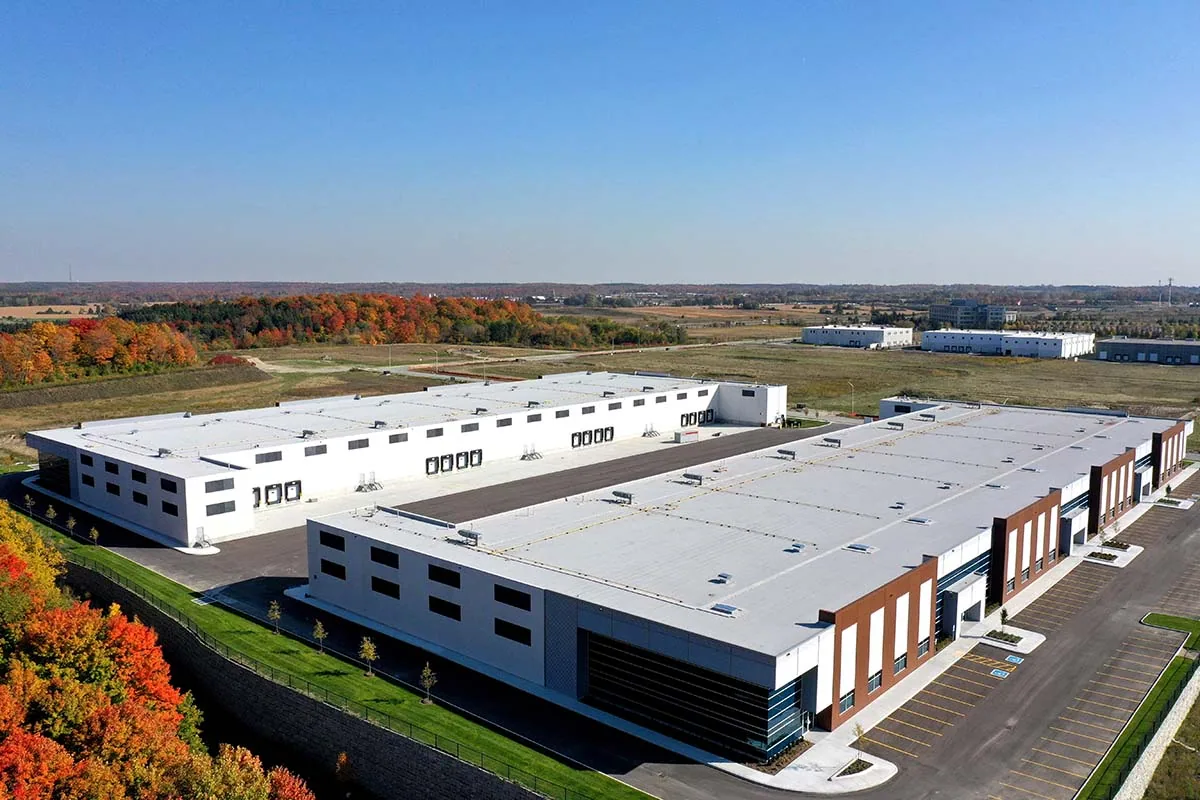
On layered bituminous sections, laps are the first place we look. A lap that has opened a fraction of an inch lets water travel under the cap sheet. We also check granule loss, blisters, ridges over insulation joints and bleed-out at seams, and we count plies at cores.
Repairs are torch-applied, hot-applied or cold-applied depending on the building. On occupied buildings, cold-applied methods reduce heat and fire risk. Each repair method on modified bitumen roofing is logged, and the area's rating changes after the repair.
Edges and terminations complete the sheet review. A bituminous flashing is built in layers up a wall or curb, and its top edge is sealed with a bar or counterflashing. Sealant at that edge dries and splits first. We probe it, photograph it and reseal it during preventive visits, a small repair that protects the layers below.
Inspect Liquid-Applied Flashings for Thickness and Bond
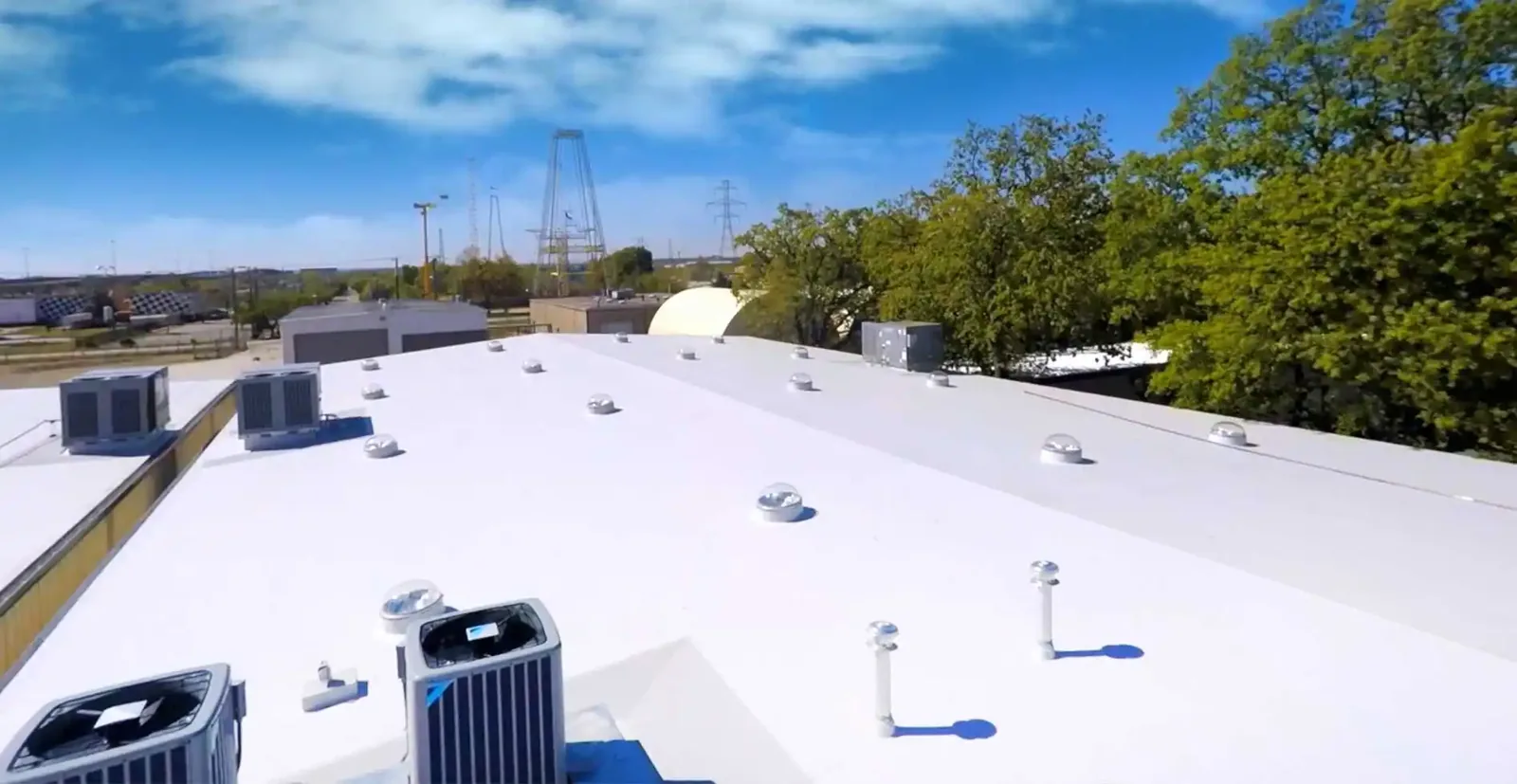
Resin is often used at curbs, pipes, drains and odd shapes where cut sheet is hard to fit. A cured resin forms a continuous layer, but it depends on a clean substrate, correct thickness and sometimes reinforcing fabric.
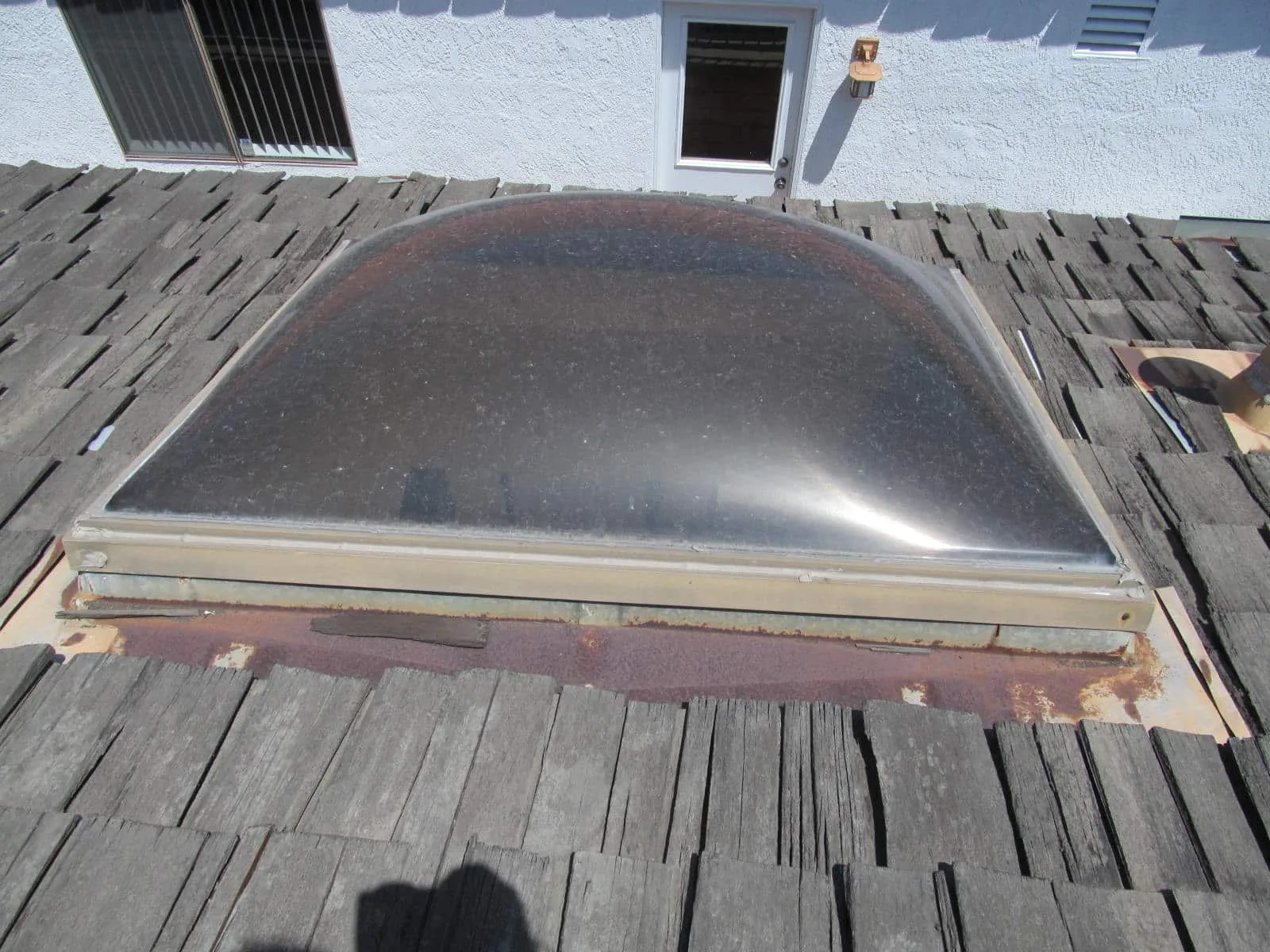
We check resin details for cracking, thin spots, blisters and bond loss at the edges. Repairs use the same resin family on a cleaned, primed surface, and cold or damp conditions can stop a cure, so permanent resin work waits for weather the product allows. The skylight and penetration flashing file keeps each detail on its own line.
Thickness is the measure that matters on a resin. A thin film wears early and a thick one holds. Where the plan calls for reinforcement, we confirm the fabric is embedded and not exposed. If an earlier repair used a different product, we test a small area for compatibility before applying new material and write the result into the file.
Weigh Heat, Rain and Wind on Asphalt Roofs
Asphalt-based sheets soften in heat. A Gastonia July averages 90.7 degrees at the high, and a dark surface runs hotter than the air, so surface bitumen can creep and granules can sink. With about 44 inches of precipitation a year and almost no snow, 1.2 inches, heat and rain are the main wear.
Wind tests edges. On May 8, 2024 an EF-1 tornado ran through Gaston County at an estimated 110 mph; roofs on several buildings were lightly damaged and an East Gastonia warehouse lost part of its roof. We check edge metal, coping and perimeter laps after any storm line.
Charlotte has recorded 104 degrees and Rock Hill 106, so a dark roof in the wider metro bakes even harder. Surface temperatures on a dark roof in those conditions soften asphalt, and foot traffic leaves marks. We schedule roof access in the cooler hours and note any marking, since a scuffed cap sheet is a future repair line.
Handle Mill Conversions and Older Masonry
Gastonia's five-story brick Loray Mill, built in 1900, is one of the legacy mills now being turned into housing and mixed use. Belmont once built nearly twenty mills through 1930, many of them gone or converted since, and its Downtown Belmont Historic District holds 264 buildings from 1850 to 1949.
Roofs on older masonry buildings bring parapets, old layers and many patches. We start with the patches, number them, photograph them and note what lies beneath. Where a conversion has put apartments under an old roof, a leak costs more, and the plan says so. A mill-era building in Belmont gets the same steps.
Remnant tropical systems reach this far inland; Hurricane Hugo's gusts of 87 mph reached Charlotte on September 22, 1989. Old parapets and loose copings are what such a storm tests. We check them in the fall, photograph them and fix what is loose before the next season.
Restore, Repair or Replace
Cores and moisture data decide. Dry plies and local damage point to repair. Dry plies with a worn surface may allow restoration with a compatible coating, and our roof coating restoration work starts with tests to confirm the roof qualifies. Wet plies across areas point to replacement planning.
For each path the report sets a cost today beside a cost of waiting. Resealing a parapet is a small line item this quarter. After a wet summer it can be wet insulation and a ruined ceiling. Bituminous and single-ply suppliers such as GAF and Johns Manville are logged in the same format.
Timing favors the shoulder seasons. Hot-applied and adhesive work depends on dry surfaces and workable temperatures, and a summer afternoon storm can stop a crew without notice. We cover open tie-ins each evening, record the weather on each day of application and give the owner the sequence before material arrives.
Keep the Warranty File and Log Each Visit
A roof with coverage gets a warranty file built from the document, the installation records, and each inspection and repair. Every visit adds a dated photo log and a findings list, each item with a note on the cost of waiting. The package can go to a partner, a lender or an adjuster with no cover letter.
Resin and sheet repairs are logged by product and method, so a future crew picks the compatible material. If another trade cuts the roof, the entry records the date and the flashing used. A file kept this way costs little to maintain and answers the first question a reviewer asks.
Commercial Roofing Questions
Do you work on Soprema roofs?
We inspect, repair and maintain the bituminous, liquid-applied and single-ply system types Soprema supplies, and the owner's documents decide the products and warranty terms.
Can a liquid-applied flashing be repaired?
Yes, with the same resin family on a clean, primed surface. Permanent work waits for weather the product allows.
Is torch application required for repairs?
No. Cold-applied and self-adhered methods exist and are often used on occupied buildings.
How do I find what materials are on my roof?
Cores, labels and installation records identify them. We map each material by area.
What happens after a repair?
The finding is closed in the log with a photograph, and the area is rechecked at the next visit.
Topic
Soprema Roofing Systems
Roof Types
Low-slope and metal
Related Roofing Work
Modified Bitumen Roofing
Skylight and Penetration Flashing