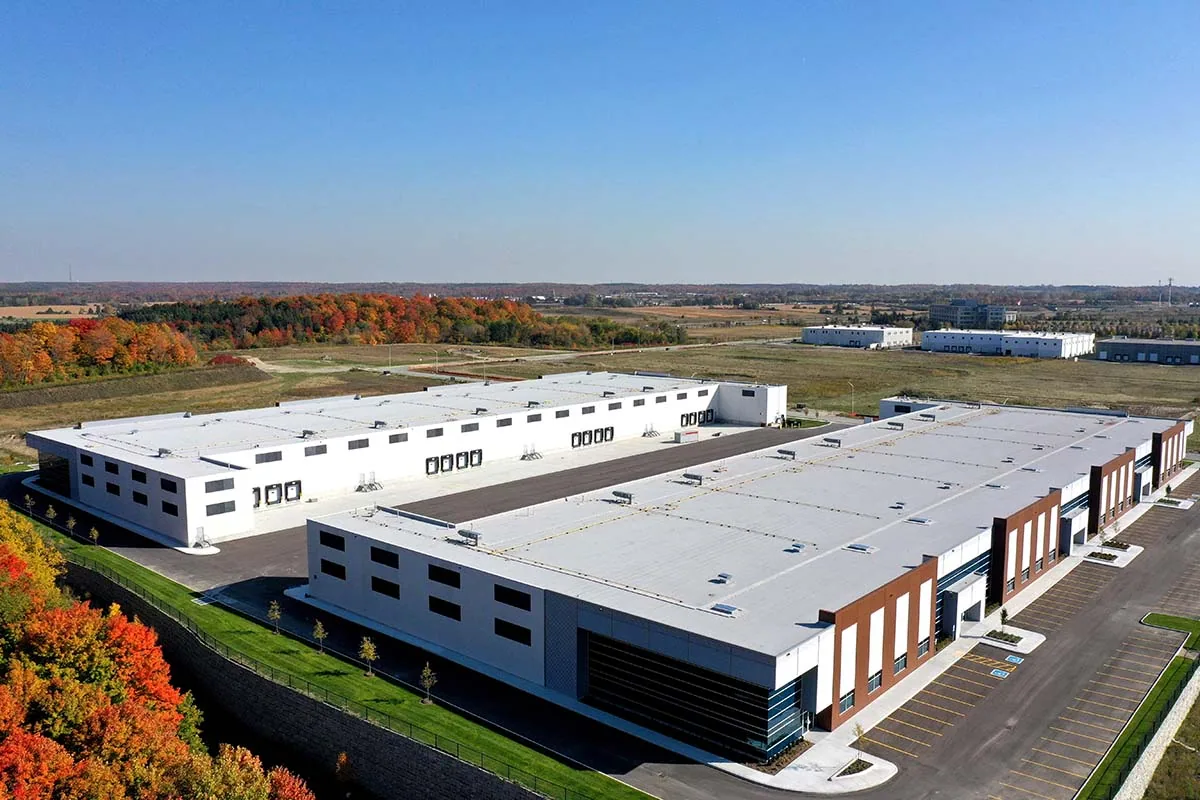

Johns Manville Roofing Systems in Gastonia, NC
Picture a core cut on a mill-era roof near Loray: a membrane over two layers of rigid board, and the lower layer soaked. The membrane looks fine from above. An owner who repairs leaks for three summers without that core pays for the wrong thing each time, because the roof's problem was never the surface.
On a roof that carries Johns Manville products, the board under the sheet can be the real asset. In Gastonia, NC that is where to look first when the same ceiling keeps staining, and it is why a second opinion is worth the morning it takes.
Know What the Name Covers
Johns Manville is a long-established building products manufacturer. Its commercial roofing line covers single-ply membranes, modified bitumen and built-up materials, plus rigid insulation and accessories. A building may carry a single-ply sheet over insulation from the same supplier, or a layered bituminous roof with a mineral surface.
A name on paperwork does not settle the type. We confirm it on the roof with cores, labels and installation records and write the result into the file. When the records and the roof disagree, the report states the difference. The owner's warranty document sets what the manufacturer will accept, and we work from it.
Accessories finish the list: edge metal, flashings, sealants, fasteners and walk pads. They are easy to skip and often explain a leak better than the sheet does. Each goes into the file with its location and condition, and we flag any part that differs from the original system, because a mismatched component is the first thing a reviewer questions.
Test the Insulation, Not Just the Surface
Rigid insulation carries much of a roof's thermal value, and when water reaches it, it loses that value and adds weight. A roof can look sound while the board below holds moisture, and the first sign may be a stained ceiling tile weeks later.
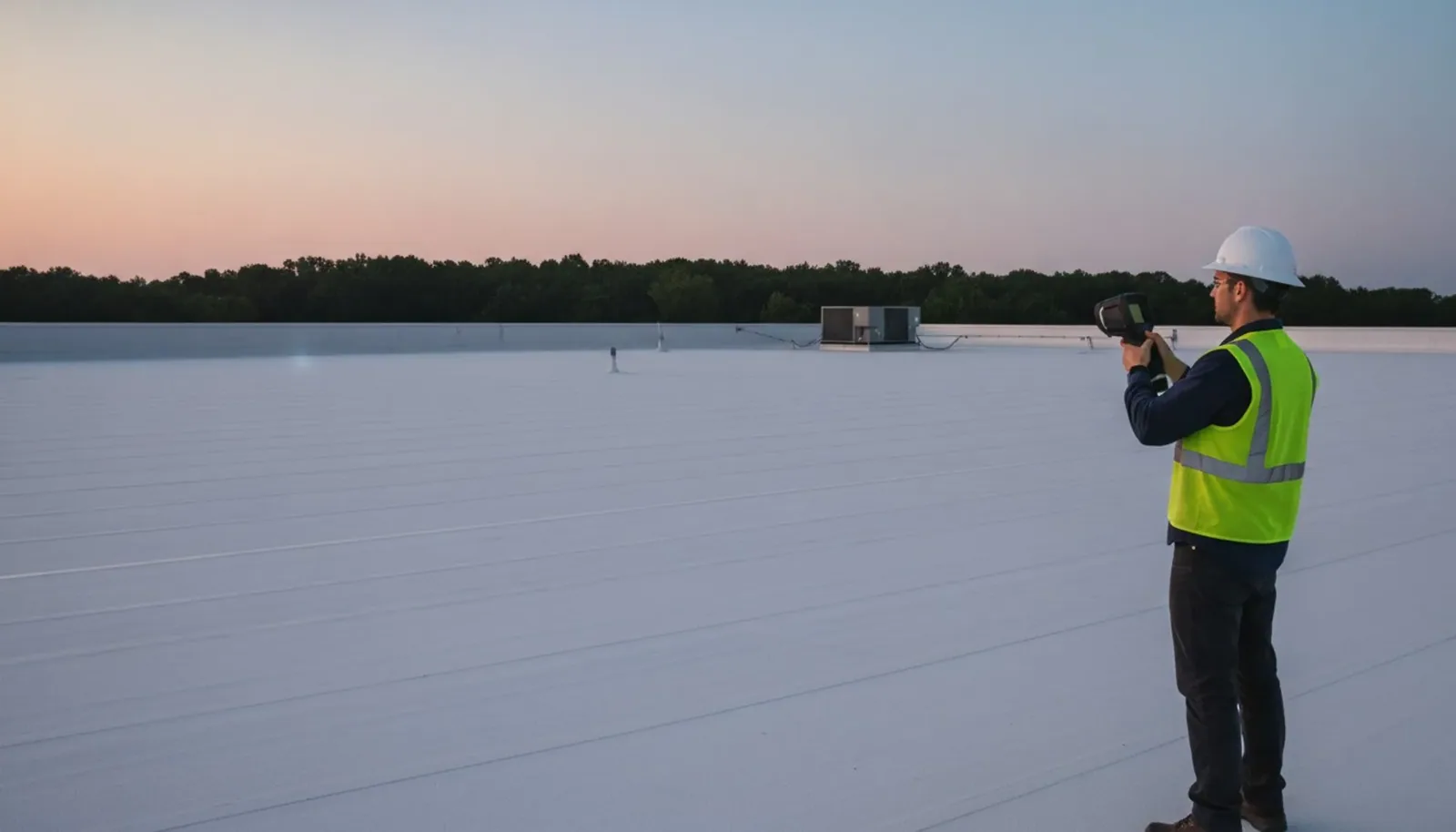
An infrared moisture survey maps suspect areas, and cores confirm them. We record board type, thickness and moisture at each core. Those records separate a section that needs a membrane repair from one that needs insulation replaced, and they set the scope for a recover or replacement. The blunt line: patching a membrane over wet board is paying twice.
Thermal performance has a code side too. When a recover or replacement changes the insulation, the scope states the thickness and the building department confirms which edition of the state code governs the permit. The owner sees that line before the bid arrives.
Handle Old Mill Roofs on Their Own Terms
Gaston County ran more cotton spindles than any other county in the country, and its legacy mills are being converted. The five-story brick Loray Mill, built in 1900, is the best-known example. Cramerton began as a model mill village on the South Fork Catawba River, and when Eagle Mountain Finishers and Lakewood Dyed Yarns closed, former textile buildings were left behind.
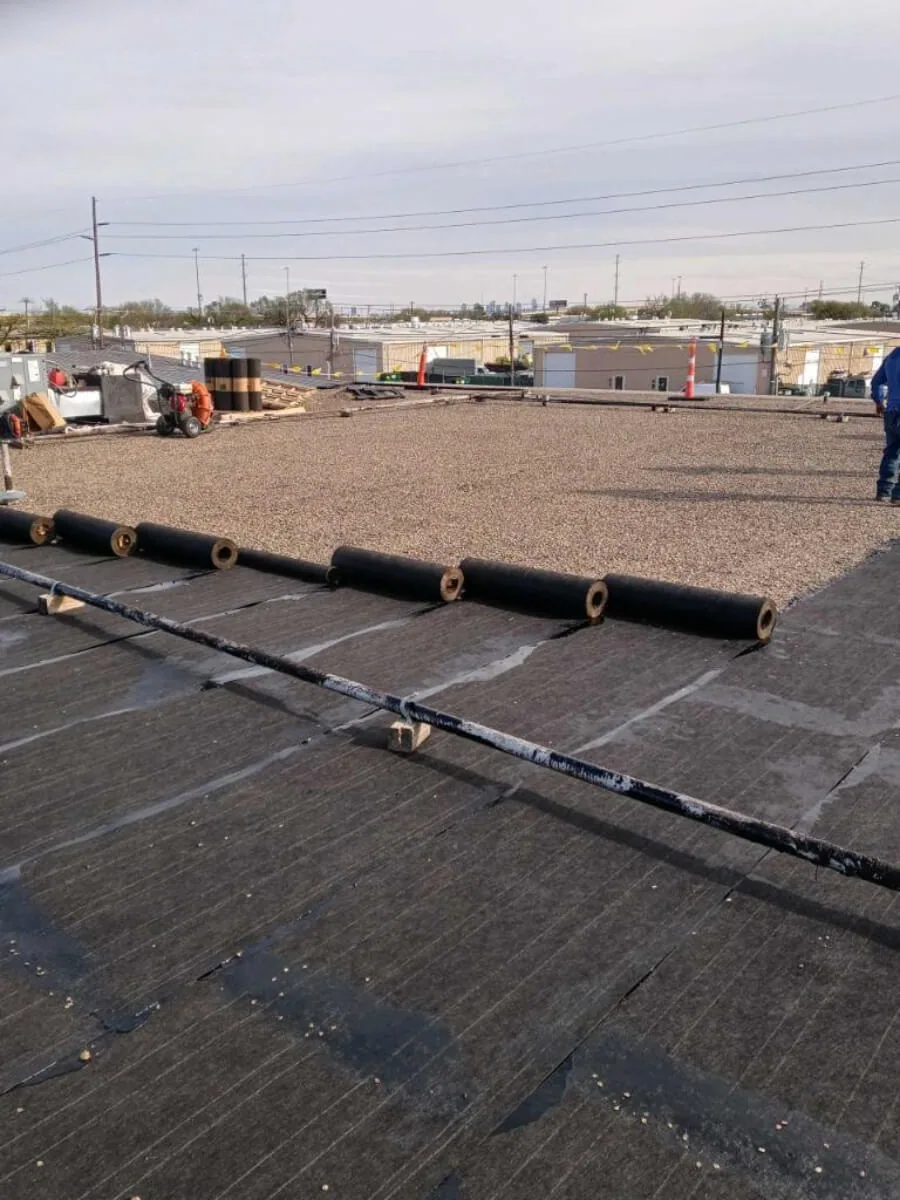
Older masonry buildings bring parapets, old layers and uneven decks. We look at built-up roofing and modified bitumen roofing sections with a core, count plies and check the felts. Where conversions have put apartments or offices under an old roof, the cost of a leak rises, and the plan says so.
Lowell began as a textile settlement with the Woodlawn Mill in 1848, and Belmont built nearly twenty mills through 1930, many of them now torn down or converted. A surviving mill building may have been patched many times, and the patches are where we start. Each patch gets a number on the plan, a photograph and a note on what lies beneath.
Check Single-Ply Sections at the Seams
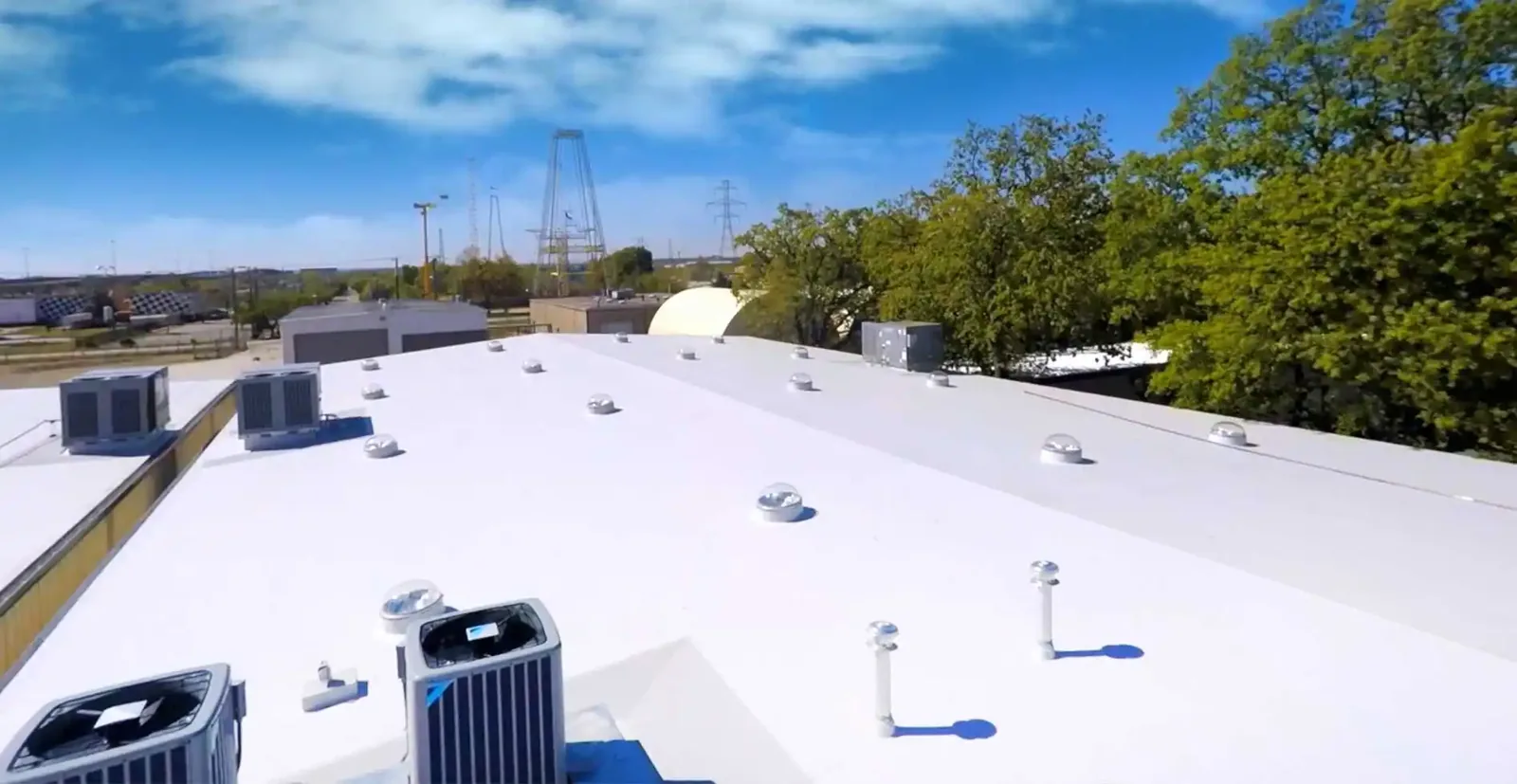
Single-ply areas get a seam probe, a look at flashing terminations and a check of the fastening near the edges. Corners, curbs and penetrations are the first to open. We photograph each finding and rate the area.
If the roof has been recovered over an older layer, we note the added weight and the chance of trapped moisture. A recover is sound only over dry insulation, so the cores come first. That discipline applies to every manufacturer, including Holcim Elevate and Sika Sarnafil systems.
Drains and scuppers close out the single-ply review. We clear strainers, photograph each sump and note how long water stood after the last rain. A pond that returns to the same drain after clearing points to a slope or outlet fix, and the log keeps the evidence for the next visit.
Plan Around Heat, Rain and Wind
A typical July afternoon in Gastonia tops out at 90.7 degrees and the year brings about 44 inches of precipitation. Snow averages only about 1.2 inches a year, so the work is summer heat and heavy rain. A wet summer can turn a small leak into a wet layer, so we date every finding and recheck the ones that touch insulation.
Wind has its own place in the plan. A warehouse in East Gastonia lost part of its roof in the EF-1 tornado of May 8, 2024, which crossed the county. After a storm we check edges and flashings first, and the photo log shows what changed.
Price the Repair and the Wait
Each item in the report carries a cost to act now and a likely cost of waiting. A reseal at a curb is a small line. Replacing wet board across a section is a large one. Owners decide with both numbers on the page.
When the board is wet in several places, the plan points to replacement and a decision date. When it is dry, a repair holds, and a warranty file keeps the paperwork straight. The same format fits a building near Belmont or Cramerton as readily as one in Gastonia.
Timing follows the weather window. Hot-applied and adhesive systems need dry surfaces and workable temperatures, and a Piedmont summer afternoon storm can stop work without warning. We plan the order of work, cover open tie-ins each evening and note the conditions on every day of application.
What a Visit Produces
A visit starts at the roof plan and ends with a package. We walk the areas in a fixed order, photograph findings with the date, cut cores only where the evidence needs them and patch each core the same day. The package lists findings by number, rates each area and gives the cost to act and the cost to wait.
If the work is a repair, the work order cites the finding. If the work is larger, the report supplies the quantities and conditions a bid depends on. Either way, the owner holds a record another contractor can read and price against.
On occupied buildings the package also notes access, tenant hours and any restrictions, so the next crew arrives prepared. A roof with a documented history costs less to inspect and repair, because nobody has to rediscover what the last visit already found.
Commercial Roofing Questions
Do you work on Johns Manville roofs?
We inspect, repair and maintain the single-ply, bituminous and insulation system types Johns Manville supplies, and the owner's documents set products and warranty terms.
How can I tell if insulation is wet?
A moisture survey maps suspect areas and cores confirm them. The surface alone cannot tell.
Can an older asphalt roof be recovered?
Sometimes. Dry insulation and a deck that can carry more weight are required, and cores settle it.
Why get a second opinion?
Because a replacement quote that skipped the cores may be larger or smaller than it should be. A second walk takes a morning.
What does the report show?
Photographs with dates, numbered findings, both costs for each item and refreshed ratings.
Topic
Johns Manville Roofing Systems
Roof Types
Low-slope and metal
Related Roofing Work
Infrared Roof Moisture Surveys
Built-Up Roofing