
Roof Warranty Management in Gastonia, NC
A warranty that lapsed because nobody sent a notice is a deferred repair with a bill attached. It happens on roofs of every age: a certificate in a binder, a term that ran out or a condition that was never met, and a leak the manufacturer will not cover. The roof was fine on paper and unprotected in practice.
Warranty management for Gastonia, NC owners starts with the document. We read what the manufacturer requires, list the duties in plain terms and build the records that show each one was met. The goal is not a bigger binder. The goal is a file that holds up on the day a claim is made.
Read the Terms Before the Leak
Warranty documents differ, and the owner's copy controls. Still, a few items repeat: how long the term runs, which parts of the roof are covered, who may repair it, how fast a leak must be reported and what maintenance is expected. Many also limit coverage for standing water, for damage by other trades and for wind above a stated speed.
We send the owner a one-page summary of those items, with the dates. If a clause is unclear, we say so and recommend asking the manufacturer in writing. Reading the terms costs an hour. Missing one can cost a roof. Buyers and lenders ask the same questions during a due diligence roof survey, so the summary pays for itself twice.
Coverage often depends on the roof's use. A warranty written for a quiet office roof may exclude damage from grease, chemicals or heavy traffic, which matters at a plant or a restaurant. At Gastonia Technology Park, a 422-acre campus-style park built for advanced manufacturing and technology users, tenants can change a roof's exposure without anyone rereading the terms. We note use-based exclusions in the summary, so an owner knows what to ask before a new tenant moves in.
Keep the Records a Reviewer Asks For
When a claim arrives, the manufacturer asks for the same things in the same order: the original warranty, the installer's closeout, the inspection history, the repair history and proof of maintenance. We build the file to match that order.
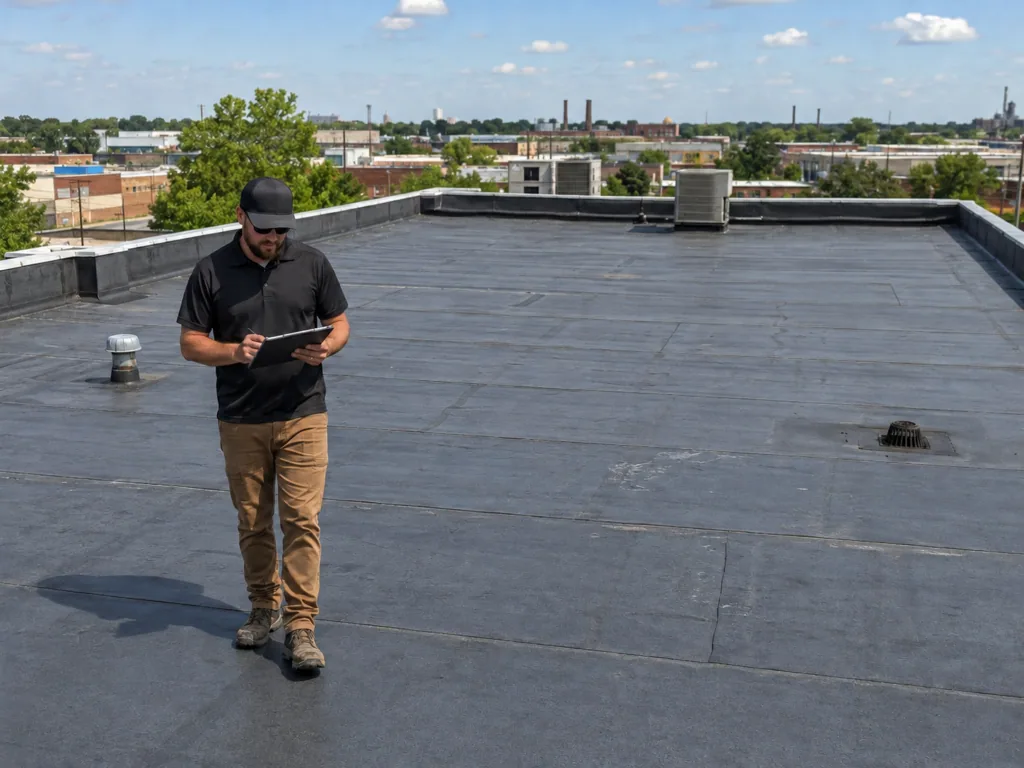
Each visit adds a dated photo log and a findings list. Each repair adds a description, the materials used and a before and after photograph. Each change to rooftop equipment adds the date, the trade and the flashing detail. A condition report from each visit is the backbone of the file. If the file is complete, the claim conversation starts on the facts. If it is not, it starts with a request for paperwork nobody has.
An older mill-era roof may carry no warranty at all, and the same record still matters. For a building like the five-story Loray Mill, now part of a historic district, the roof file shows what has been done and by whom, and it gives a future buyer or lender the history in one place.
Make Repairs the Way the Warranty Expects
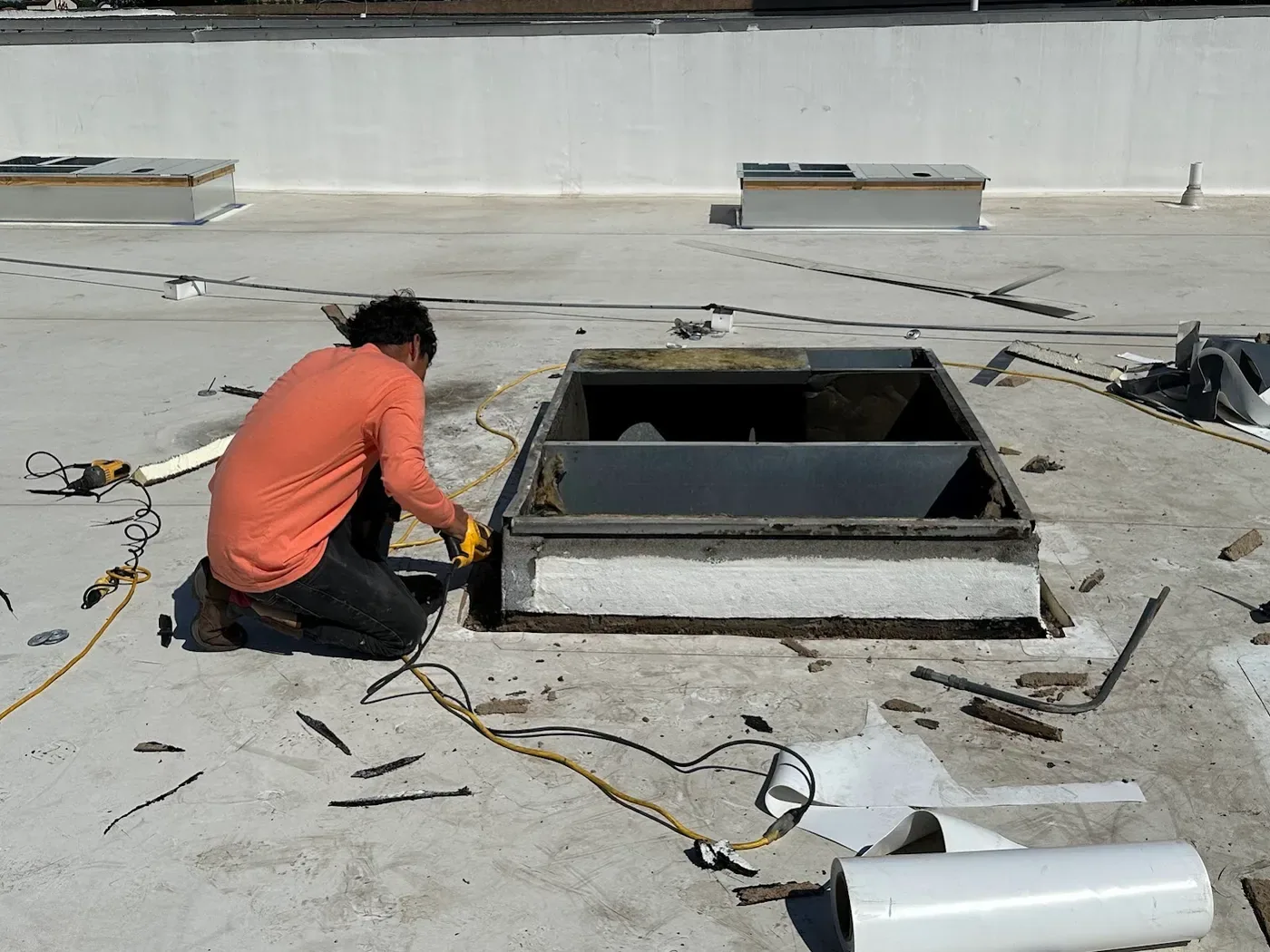
A hurried repair can create a coverage question that a one-day delay would have avoided. Before we touch a warranted roof, we read the repair clause. Some warranties require the manufacturer's approval. Some require a specific type of contractor. Some only require that the repair follow published details.
We follow the published repair details for the system, record the product names and the weather, and photograph the work before and after. Where approval is required, the owner is told before work starts. For leaks that cannot wait, we make the building dry first and document the temporary measure so the permanent fix can follow the rules. Our commercial roof repair records are written with the warranty in mind.
The cost of getting this wrong is simple to state. A repair that voids coverage on a roof with years left can turn a small line item into a capital line. A repair that follows the rules costs the same today and protects the coverage for the rest of the term. We would rather spend the extra day.
Schedule the Maintenance That Counts
Regular maintenance is the best evidence that an owner kept up the roof. With July highs averaging 90.7 degrees in Gastonia and about 44 inches of precipitation in a year, drains, sealants and seams work hard. Two visits a year, one before spring storm season and one after summer, produce a steady record: debris cleared, drains checked, sealant reviewed and a dated photo log.
Our preventive roof maintenance program is built to create that record. The visits also catch the small items that become capital lines when left alone.
Drains deserve a sentence of their own. Many warranties exclude damage from standing water, so a clogged drain can undo coverage on the same roof it floods. We photograph each strainer on every visit and note how long water stood after the last rain, because that is the first thing a reviewer looks at.
Control What Other Trades Do on the Roof
Most warranty problems start after installation. A mechanical contractor adds a unit. A telecom crew mounts an antenna. A solar installer fastens racks. Each can void coverage if the roof is cut or loaded without the manufacturer's detail.
We give owners a one-page rule for roof access: who may go up, what protection is required and who must be called before anyone cuts the roof. After the work, we inspect and log the result. At sites like Gateway85, where tenants change and equipment moves, that rule keeps the warranty intact.
Rooftop solar deserves a flag. Racks, conduit and ballast change loads and cut flashings, and a roof under warranty usually needs the manufacturer's sign-off before panels go up. We review the layout, mark the walk paths and inspect afterward, so the record shows the roof was protected through the install.
Handle a Claim Without Losing a Week
When a leak appears on a warranted roof, time matters. We protect the interior first, photograph the damage and the roof, and prepare a notice package the owner can send the same day. It holds the warranty summary, leak dates, interior and roof photographs and the last inspection report.
When the EF-1 tornado of May 8, 2024 crossed Gaston County and one East Gastonia warehouse lost part of its roof, an owner with a roof nearby is better off holding exactly that kind of file. Storm damage often has its own rules in a warranty, and an early, dated record helps sort wind from wear. Coverage decisions belong to the manufacturer. We make the record clear. The longer history sits in the roof record.
The blunt line: a claim is won or lost on the file, not on the leak. The leak is the same either way. The file is what we control, and we keep it current for exactly this day.
Commercial Roofing Questions
Can any contractor repair a warranted roof?
The warranty decides. Some require approval or a specific contractor. We check before work starts and keep the answer in the file.
What if my warranty is expired?
The file still helps. It shows the roof's condition and repair history, which matters for a sale, a loan or the next installation.
Will a coating change my warranty?
It can. Coating without the manufacturer's approval may change coverage, so approval is sought first.
Do you manage warranties for many buildings?
Yes. The same file and calendar work across a portfolio, with one reminder list for the owner.
What happens when a building is sold?
We check the transfer terms and notice dates, then update the file so the new owner sees what remains.
Topic
Roof Warranty Management
Roof Types
Low-slope and metal
Related Roofing Work
Due Diligence Roof Surveys
Roof Condition Reports