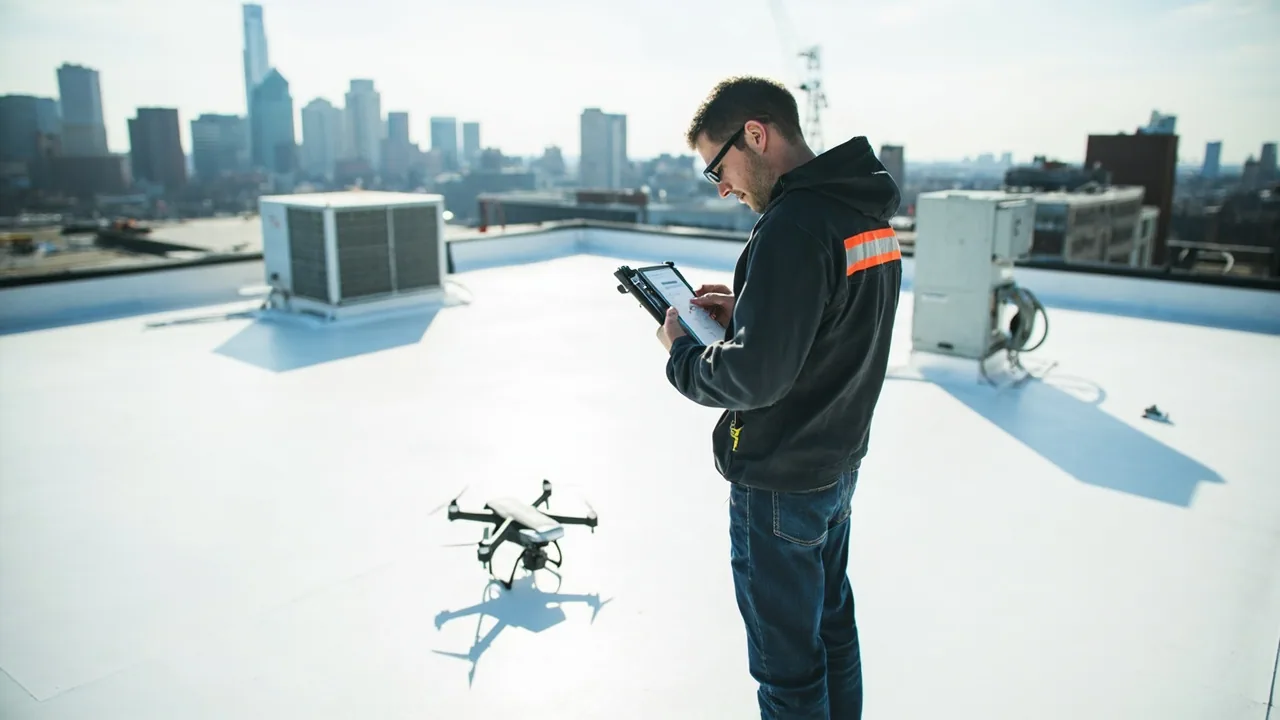
Sika Sarnafil Roofing Systems in Gastonia, NC
A welded seam that opens a quarter inch at a curb corner looks like nothing from a ladder. Under a probe it is a finding, and by the next wet summer it is a ceiling stain. On a thermoplastic roof the weld is the asset, and the weld is what we check first.
Sika Sarnafil is known for welded thermoplastic membranes, with PVC at the center of its commercial line. In Gastonia, NC, where July afternoons average 90.7 degrees, those welds work through a hot, wet summer every year, and the file for a Sarnafil roof starts with a weld record.
Know What a Welded Sheet Asks of an Owner
Sika Sarnafil is the roofing and waterproofing line of Sika, a global construction chemicals company. Its commercial roofing is best known as thermoplastic single-ply, with liquid-applied products and coatings alongside. A welded sheet fuses at the seams into one surface, and it depends on weld quality, flashing terminations and clear drains.
That makes the owner's job simple to state. Keep the drains clear, protect the sheet from traffic, report leaks promptly and keep records. We carry the records, so the owner does not have to. Where a roof has a warranty, the document governs, and we read it first.
Liquid-applied products belong in the file as well. A resin flashing at an odd penetration or a coating on a repaired patch is a different material from the sheet around it, and it ages on its own schedule. We record each liquid-applied detail with its location, product and date, so the next repair uses the compatible material.
Probe the Welds and Cut a Test Strip When Proof Is Needed
We probe a sample of seams on every visit with a blunt tool and photograph any opening. At a repair, we weld a patch with hot air and probe the edge after it cools. When an owner wants proof, we cut a test strip from the repair and pull it. A good weld tears the sheet before it tears the seam.
The result goes into the file with a photograph. The record is useful in a warranty review and equally useful in a dispute with another contractor. On PVC roofing, the weld has to hold through every hot summer and storm.
Weld quality depends on temperature, speed and pressure. A welder who moves too fast leaves a weak seam, and one who runs too hot burns the sheet. We note the temperature and wind on the day of any repair, because those details explain a weld that fails later and keep the next attempt from repeating the first.
Check Corners, Boots and Terminations
Details fail before fields. Prefabricated boots and corners reduce hand welds, but hand-formed flashings are still common at odd shapes. We check each termination bar, each sealant bead and each welded edge, and we photograph the top of wall flashings where the sheet meets a parapet or curb.
Rooftop equipment adds penetrations, and each is a line in the log. If a trade installs new equipment, we inspect the flashings afterward. A new curb on a roof under coverage is the sort of change a reviewer asks about, and a dated photograph answers it.
Corners are the detail we photograph most. An inside corner at a wall and a curb has several layers of sheet meeting at once, and a pinhole there can let water in for months before a stain appears. We log which corners are factory-made and which were formed by hand.
Read Heat, Rain and Storm Marks
Gastonia collects about 44 inches of precipitation and just 1.2 inches of snow in a year, which makes heat and rain the main wear. Charlotte, 21 miles to the east, has reached 104 degrees, and Rock Hill's record is 106. A welded sheet moves with those temperatures and pulls at its terminations.
Wind leaves its own marks: the EF-1 tornado of May 8, 2024 crossed Gaston County at an estimated 110 mph and cost one East Gastonia warehouse part of its roof. On a welded roof, we look at perimeter attachment, edge metal and the first seams in from the edge, and we compare the photographs with the last set.
Chalking and stiffness are early signs of aging. They show on the surface of a thermoplastic sheet long before it leaks, and a cluster of them in one area raises that area's rating. We record each sign with a photograph, so a change from one summer to the next is visible side by side.
Match the Walk to the Building
Summit at Court Drive, a 60-acre medical and office park beside Gaston Memorial Hospital, has rooftop equipment and ceilings below that set the pace of a visit. Industrial parks such as Gastonia Technology Park, at 422 acres, and Gateway85 have large fields where drains matter most. Strip centers around Eastridge Mall can share walls and drains among tenants.
Welded membranes appear on many building types, so the system on each roof is identified before any work is recommended. For the Gastonia Technology Park area and for downtown buildings, the file starts with the same record.
Price the Repair and the Wait
For every finding, the report states what acting now costs and what waiting is likely to cost. Resealing a termination is a small line. Waiting through a wet summer can wet the insulation and enlarge the job. We put both numbers on paper, with a photograph, and the owner decides.
When welds fail across several areas and cores show wet layers, the plan moves toward replacement. When layers are dry, repair holds and the roof goes into preventive maintenance. Other welded-sheet suppliers, such as Duro-Last and Versico, are tracked in the same format.
The report ends with the next steps in order: the cheapest item that protects the most value first, the item that needs a bid second, and the rest with dates. An owner can approve the first line the day the report arrives.
Decide Whether a Recover Fits
A recover puts a new membrane over the existing roof and avoids tear-off. It works only when the insulation below is dry and the deck can carry another layer. On a welded roof, that means cores first. We photograph the open cores beside a tape measure, record layer thickness and moisture, and give the owner the result before any recover is priced.
If the layers are wet, a recover hides a problem and delays the fix. The report says so and shows the cores. If the layers are dry, a recover can extend the roof's life at a lower cost than replacement, and the plan records what it leaves behind: an older sheet that will make the next tear-off larger.
Timing in this climate favors spring and fall for welding, since cold, damp conditions weaken a weld. Owners who plan a recover for late spring give crews time to order materials before the heat of summer and the storm season that follows.
Commercial Roofing Questions
Do you work on Sika Sarnafil roofs?
We inspect, repair and maintain the thermoplastic single-ply system types Sika Sarnafil supplies, taking products and warranty terms from the owner's documents.
How do you test a weld?
With a blunt probe along the seam edge, and with a pulled test strip when proof is wanted. Results are photographed and filed.
Can a welded roof be repaired in wet weather?
Temporarily, yes. Permanent welds wait for dry surfaces, and the temporary repair is logged.
What does aging look like on a PVC sheet?
Chalking, stiffening at edges, small cracks near fasteners and tension lines at corners.
Will a repair affect my warranty?
Only if it ignores them. The document is read first, and every repair is recorded.
Topic
Sika Sarnafil Roofing Systems
Roof Types
Low-slope and metal
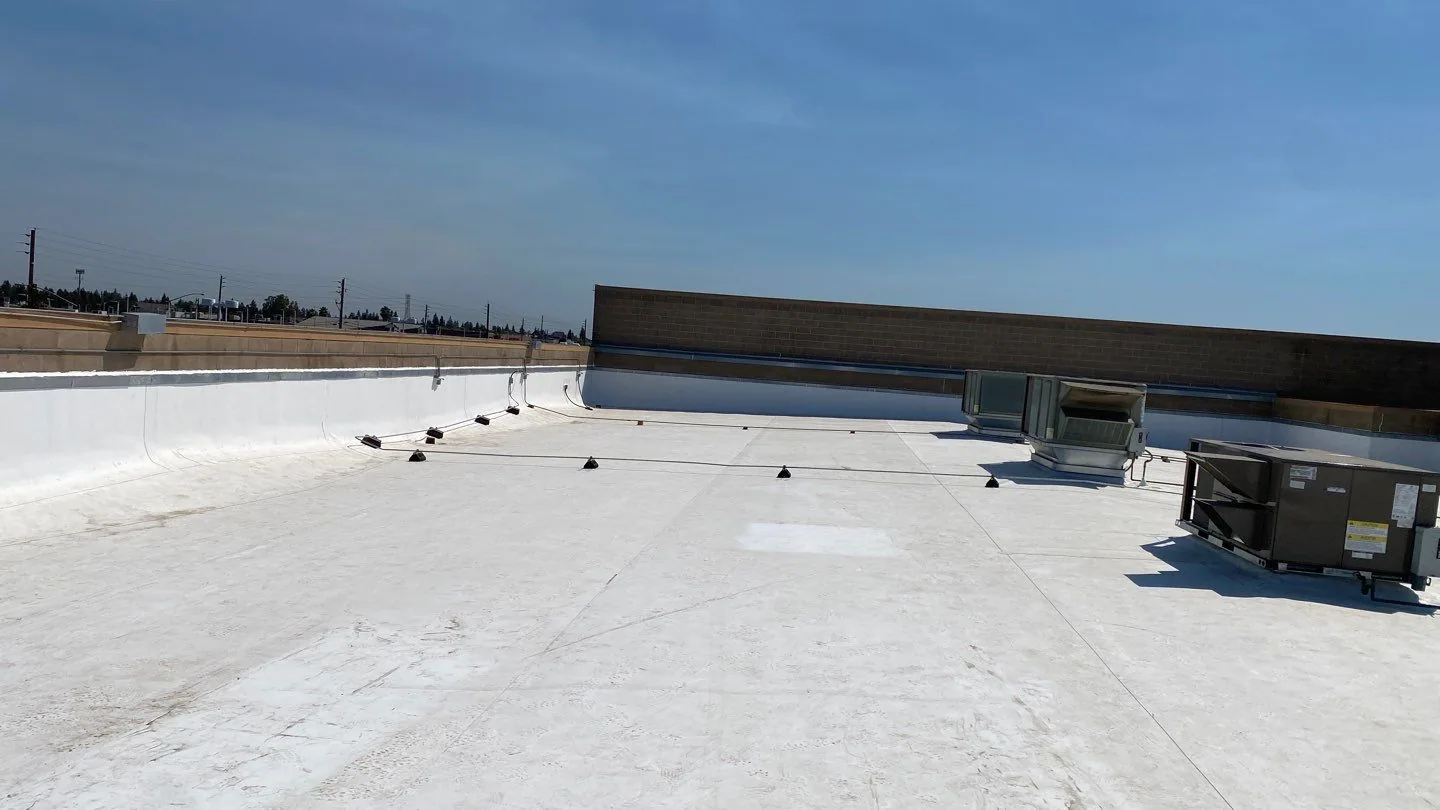
Related Roofing Work
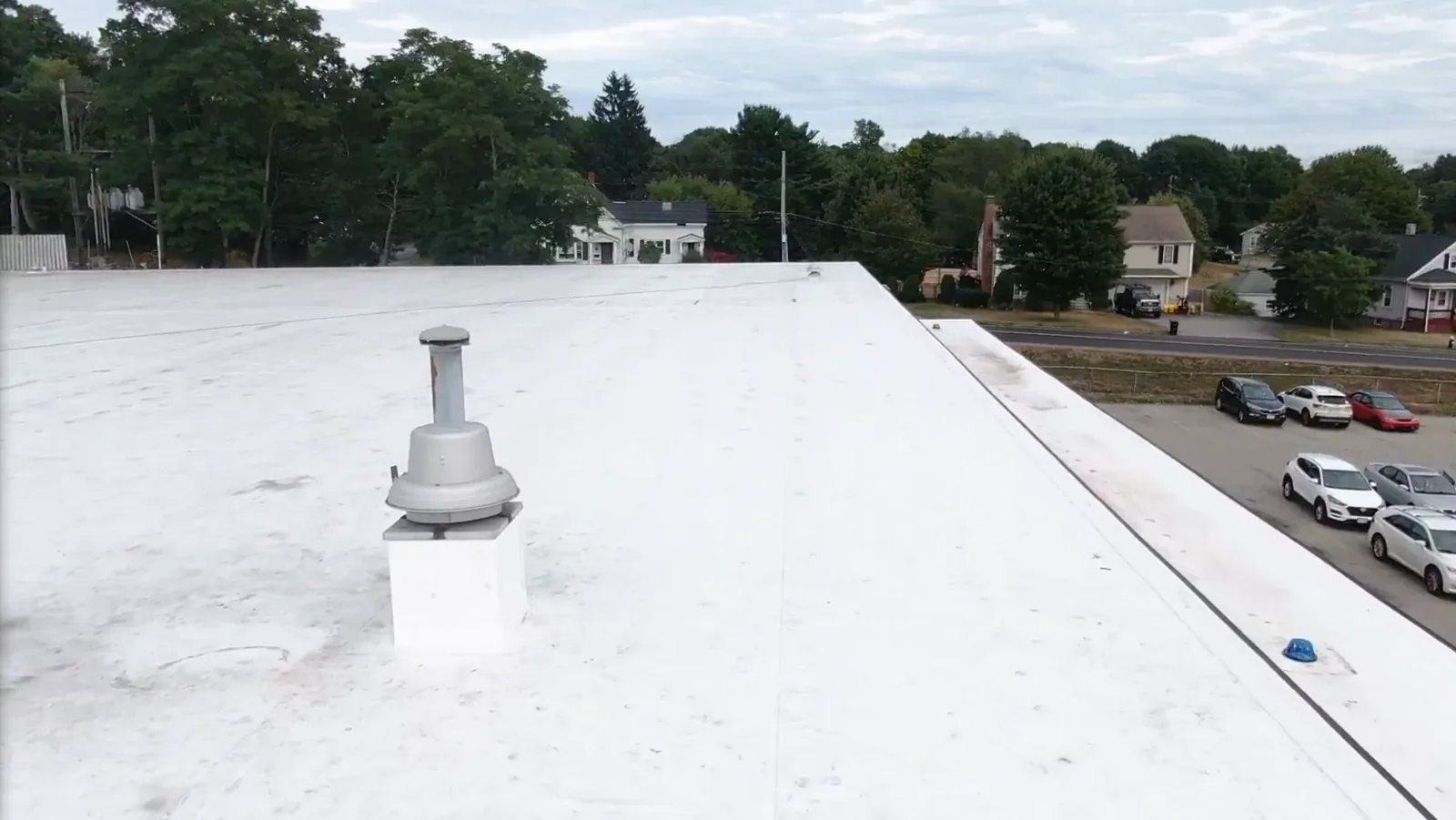
PVC Roofing
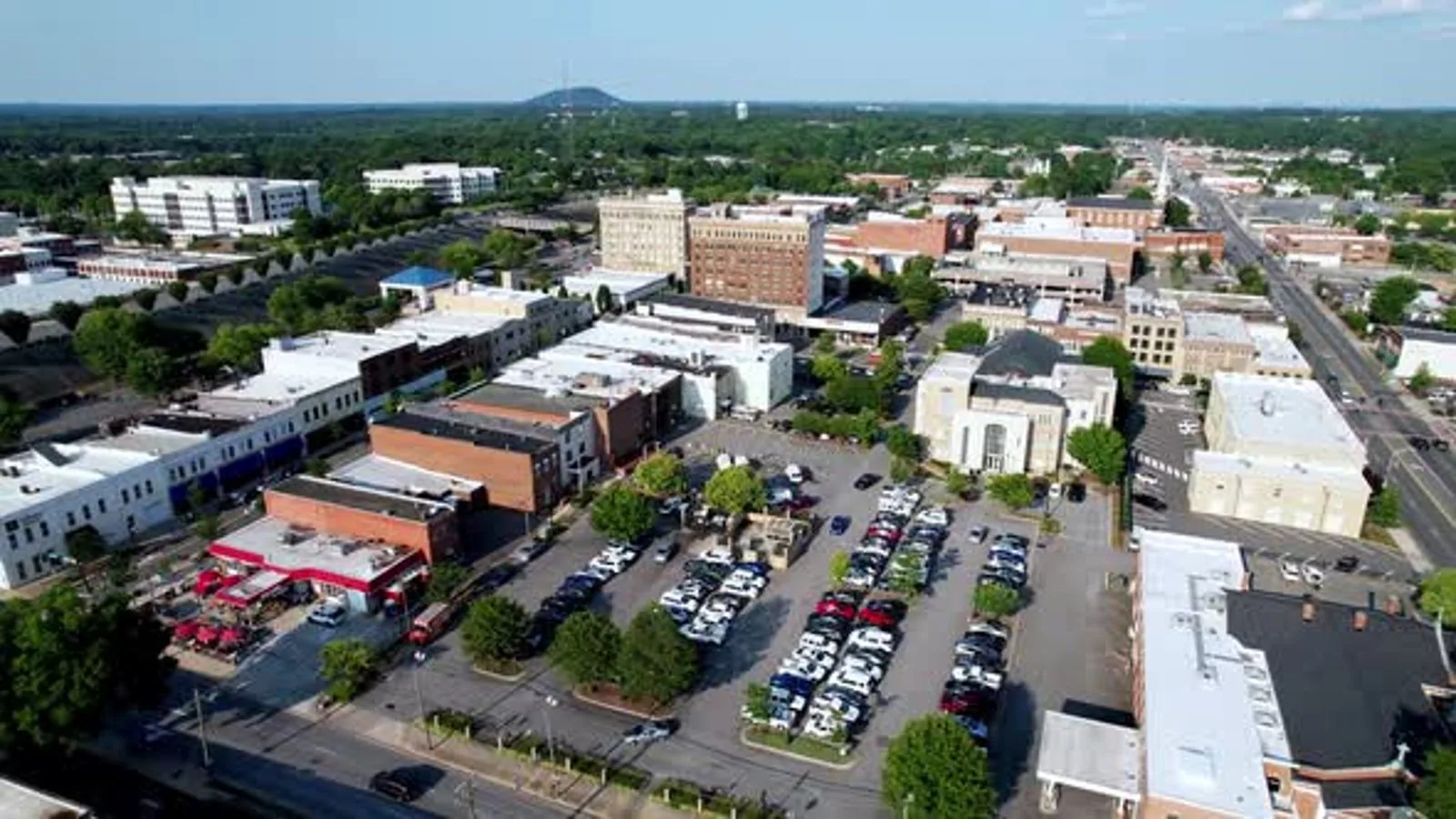
Gastonia Technology Park