
Solar-Ready Roofing in Gastonia, NC
A solar proposal sits on the desk, and the roof beneath it has a patch from three owners ago. The array is built to produce power for a long service life. The roof under it may have far less left. That mismatch is the first thing to settle, because taking an array off to replace a roof beneath it costs real money, and it is avoidable. A roof that is ready for solar is dry, sound, drained and rated for the remaining life of the system above it.
On a large building the order of work decides whether the roof is paid for once or twice. Roof first, array second, in writing.
Owners who have already signed a solar contract should still test the roof. If the test finds a problem, the fix can be sequenced with the installation, and the cost of doing it in one mobilization is lower than doing it in two.
Test the Roof Before the Array Goes On
We start with a full roof evaluation. We walk the roof, probe the membrane, check seams and flashings, test drains and take core cuts to find the layers and the moisture. An infrared survey maps wet insulation. The question is simple. Can this roof carry an array for the life of the array, or will it need work in the middle?
The answer has three parts. Remaining service life of the membrane, stated as a range with the reasoning. Condition of the deck and the structure, which the owner's engineer must confirm for the added load. And the layout of drains, equipment and walk paths, which decides where an array can sit without blocking water or access. We photograph and map each, and the result is a plain statement: ready, ready after repairs, or replace first.
The roof plan is the working document. It shows drains, curbs, skylights, walk paths and equipment, with clear zones marked for access and for the water path. The solar installer lays the array on the plan, and we check the layout against the drains and the curbs before anything is ordered. A panel row that blocks a scupper or crowds a unit is a change on paper and not a repair on the roof.
Price the Mismatch Between Roof Life and Array Life
Here are the numbers that matter. If the roof is near the end of its life, installing solar over it means a second mobilization later: disconnect, lift, store and reinstall the array, plus the roof work itself. That cost is separate from the roof price, and on a large array it is a major added cost. Doing the roof first removes it.
Gastonia's July mean high is 90.7 F, with about 44 inches of rain a year, so a roof under an array still works through hot summers and steady rain, even in the shade of the panels. Water still has to drain. An array also changes where debris collects and where snow and ice, on the rare winter days, will slide. The cost of waiting is the cost of doing the same work twice. Put the decision date on the calendar before the proposal is signed.
One blunt line for the memo: the cheapest time to replace a roof under a solar array is before the array is installed, and the second cheapest time is never. If the roof test says the membrane is near the end of its life, put replacement ahead of the array and write the sequence into the contract.
Choose the Roof Work That Matches the Array
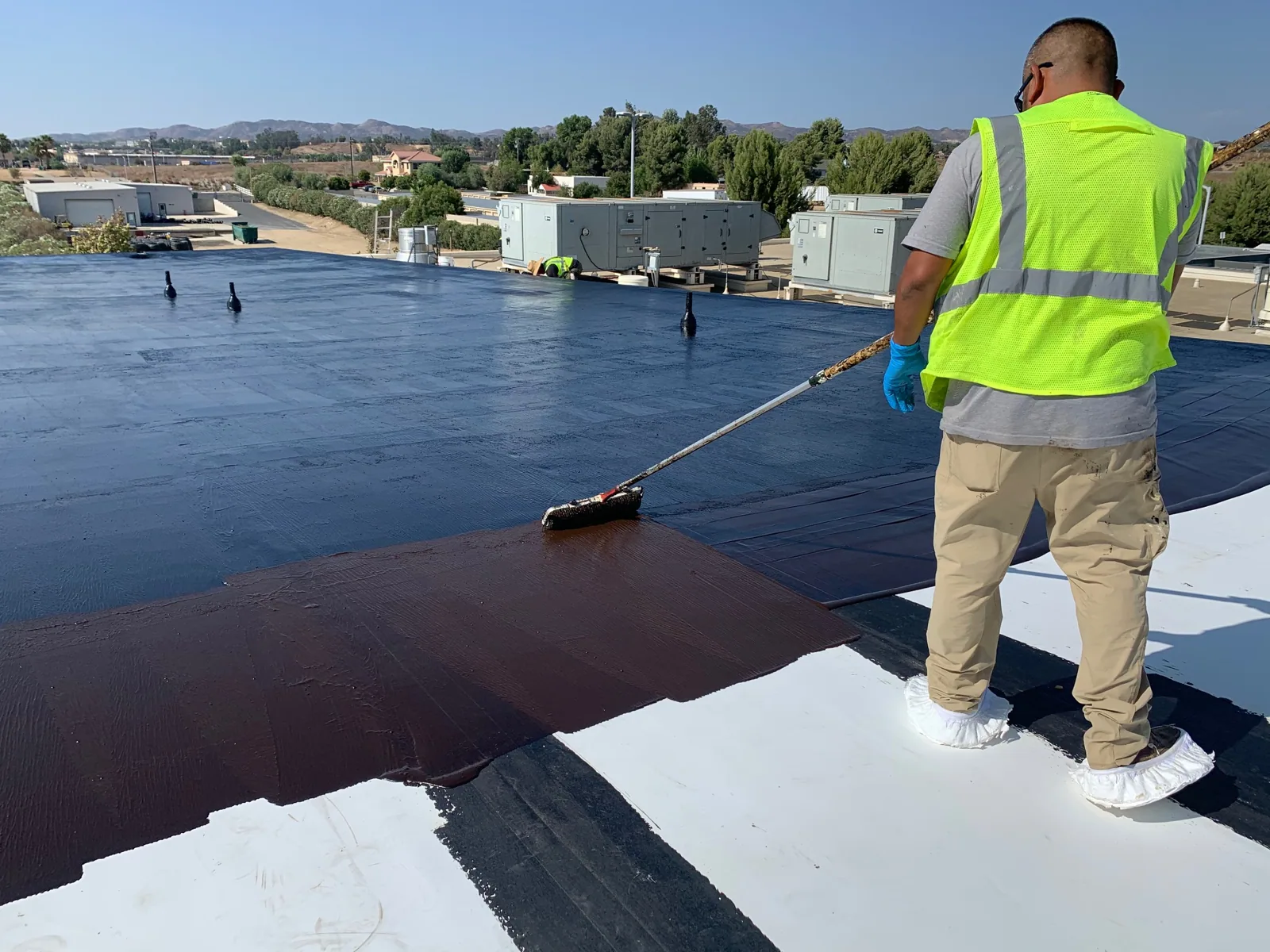
Some roofs are ready as they are. Most need something first. The options run from targeted repairs and a cleaning, to a reflective coating over a sound membrane, to a full replacement with a new membrane designed for the array. A new membrane can be specified with a cover board and extra walk protection, and its warranty can be matched to the solar contract.
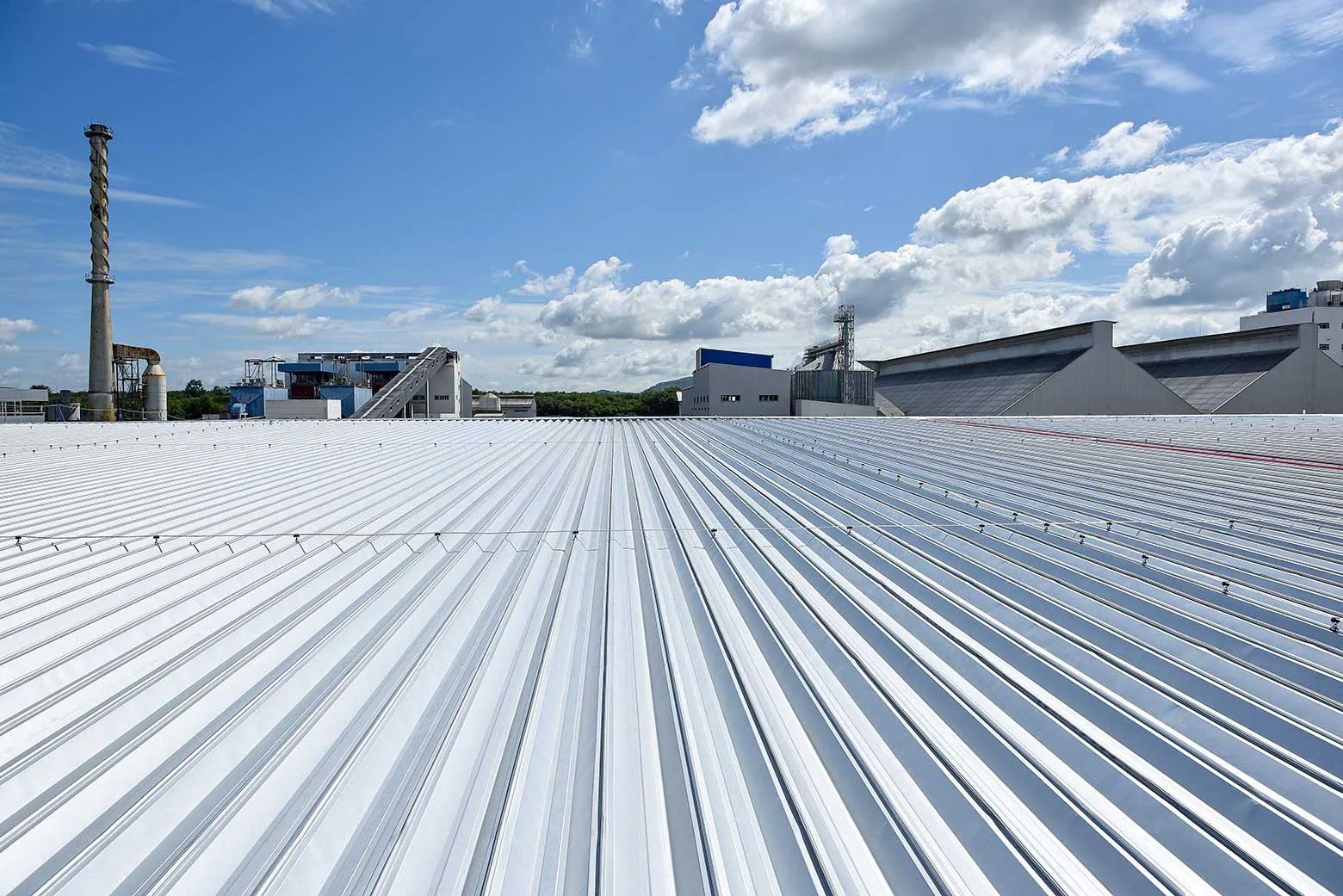
Attachment method changes the roof. Ballasted arrays sit on the roof's surface, add weight and need the structure to carry it. Mechanically attached arrays use penetrations, each of which needs a proper flashing or a pitch-pocket detail. On a standing seam metal roof, clamps can attach to the seams without penetrating the panels. We review the attachment plan with the solar installer, mark the penetrations on our plan and flag any that cross seams, drains or equipment curbs. Structural capacity is for the owner's engineer.
Penetrations for rails, conduit and ballast supports get the same flashing detail as any other opening on the roof, and each is listed on the plan with a number so it can be inspected later. We photograph each flashing before the array covers it, since once panels are on, the detail is hard to see.
Scope the Roof Work to the Solar Schedule
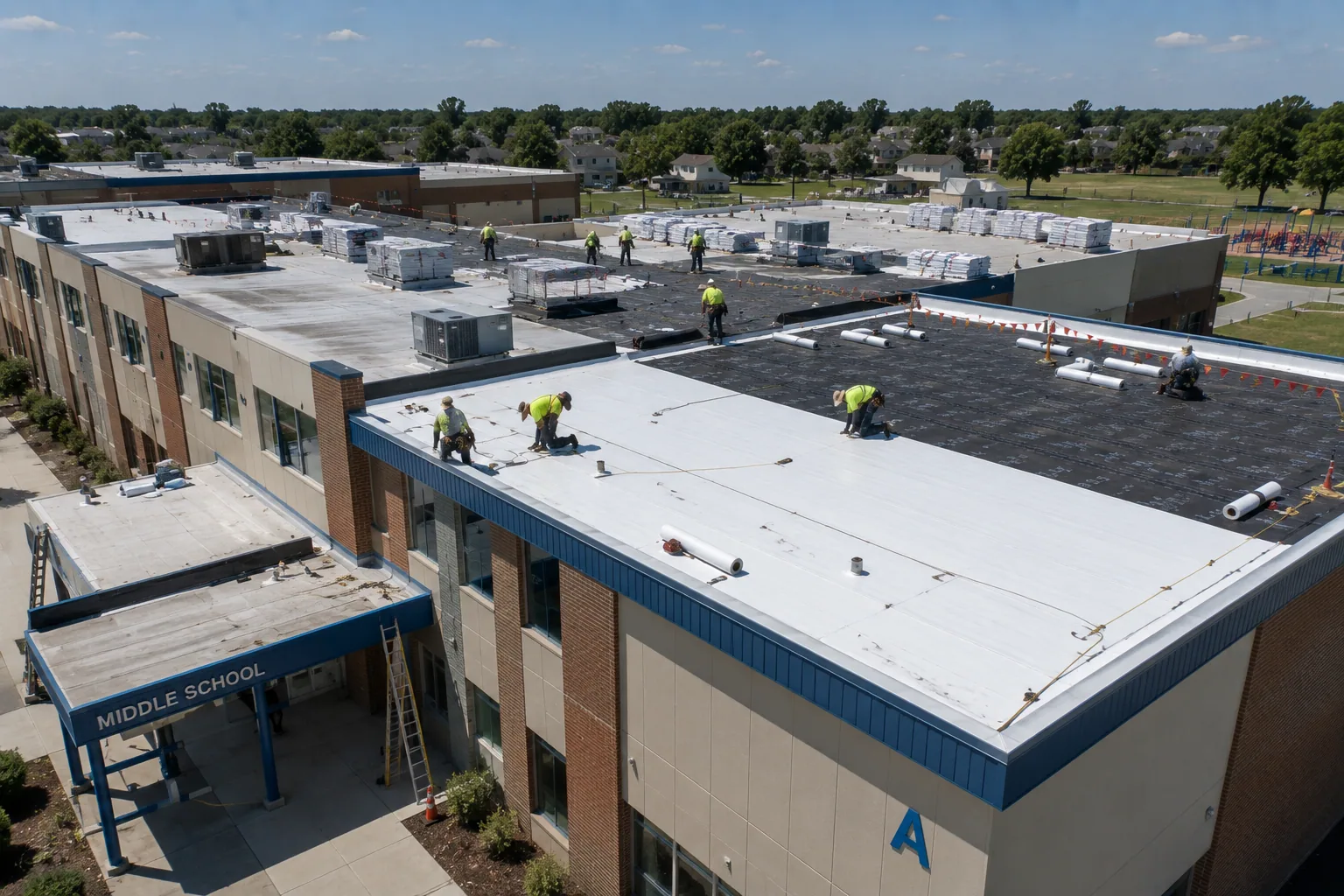
The scope names the roof work in order and ties it to the solar schedule. Roof repairs and replacement come first, with the new warranty in place. The solar installer then mounts the array. After installation, we walk the roof to check flashings, document any damage and confirm that drains are clear. If the array is removed for service later, the roof is checked before it goes back.
Cost drivers are roof area, the extent of repair or replacement, attachment method, the number of penetrations, access for equipment and coordination with the installer. Ask for the roof work and the array work as separate line items, and ask who is responsible if the array installation damages the roof. The answer should be in the contract, not assumed.
Ask who maintains the roof under the array and how often. Panels shade the membrane, hold debris and make a walk slower. A maintenance schedule that includes the array area, with access for cleaning drains and checking flashings, keeps the roof from becoming the forgotten part of the system.
Solar on Gaston County Roofs
Large flat roofs are the usual fit. A solar proposal for a distribution building at Gateway85, where a 1.5 million square foot distribution center opened in April 2023, starts with the same roof test as any other. So does one for a user at Gastonia Technology Park or another industrial park.
Mill-era roofs and older flat roofs need the most care. Their age and layers must be verified. A mill conversion that adds new mechanical systems is a project where roof, equipment and any array should be coordinated on one plan.
Fire and access requirements shape an array layout as well, with setbacks and pathways set by code officials and the fire marshal. We leave those decisions to the installer and the authority, and we mark the roof so the pathways stay clear of drains and curbs.
Commercial Roofing Questions
Should I replace the roof before installing solar?
If the roof's remaining life is shorter than the array's, yes in most cases. A test and a written range tell you.
Do solar arrays void roof warranties?
They can, if the attachment or the installer's work conflicts with the warranty terms. We read your warranty and tell you what it requires.
What happens to the roof under the panels?
It still needs drainage and inspection. We plan access and walk paths so the roof can be maintained.
Who is responsible for leaks at solar penetrations?
Whatever the contract says. We recommend that flashing details be reviewed by the roofer and the installer together.
Can an array be added to any roof?
No. Structure, age, moisture and drainage all matter, and the owner's engineer confirms load capacity.
Topic
Solar-Ready Roofing
Roof Types
Low-slope and metal
Related Roofing Work
Roof Coating and Restoration

Commercial Roof Replacement