Carlisle SynTec Roofing Systems in Gastonia, NC
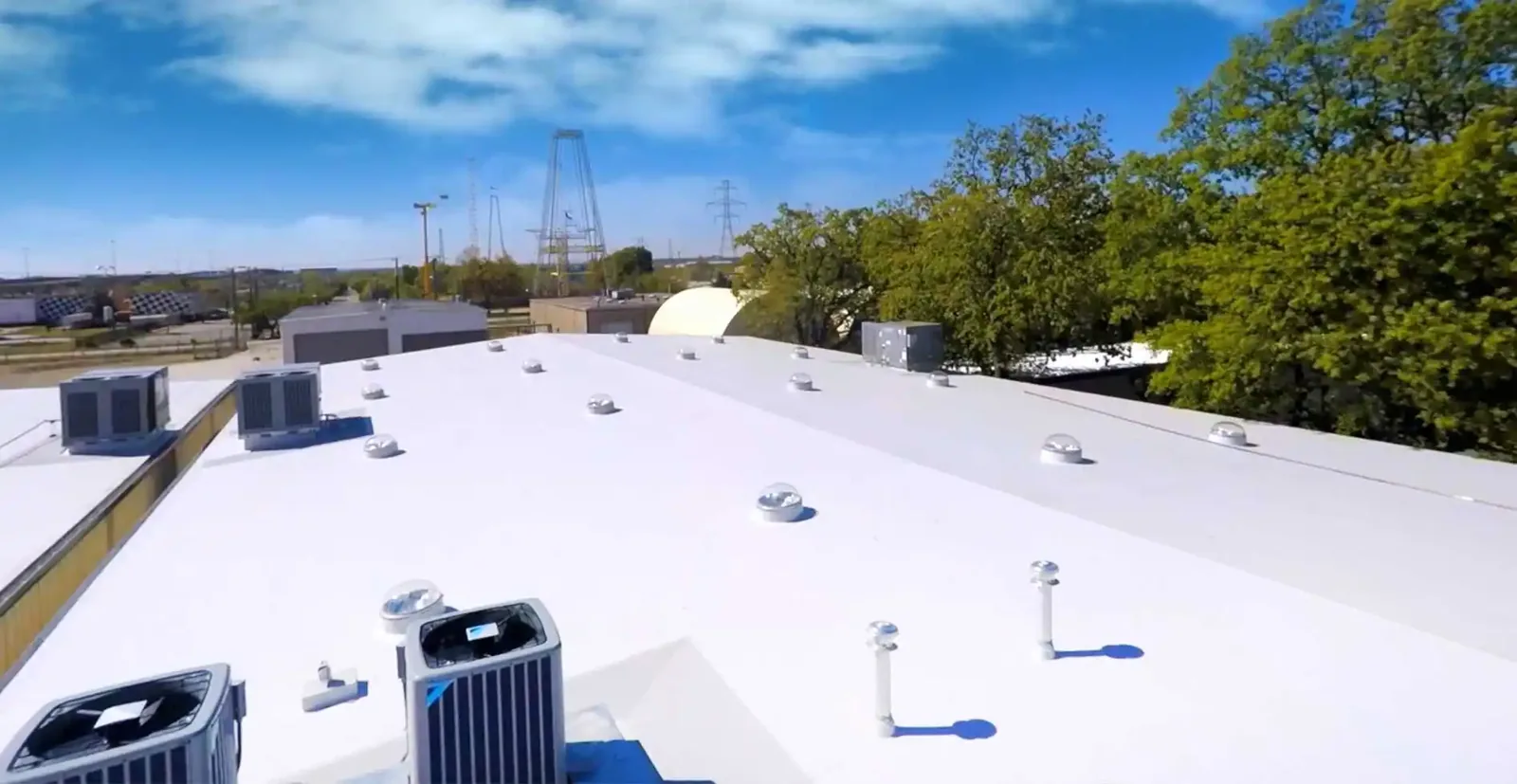
Put a black EPDM roof and a white TPO roof side by side in the same Gaston County July afternoon and they age differently. One shows seam edges lifting. The other shows chalking and a weld that has gone tired at a corner. Both carry the same manufacturer's name in the file, and the difference between them decides what the owner should do next.
Carlisle SynTec supplies single-ply systems of both kinds. In Gastonia, NC the first job on any of them is to find out which one is on the roof, how old it is and what the heat has done to it.
Sort Rubber From Plastic Before Pricing
Carlisle SynTec's single-ply range covers thermoset EPDM rubber and thermoplastic TPO and PVC membranes, along with insulation, adhesives and flashing accessories. A building may have any of them, and one with additions can have two.
The difference matters for repairs. EPDM seams are taped or glued and watched for lifted edges. TPO and PVC seams are welded with hot air and probed for weld quality. We identify the type on each roof area by core, label and record, and write it into the plan before we price a patch. Pricing a weld repair on a rubber roof, or the reverse, is how bad quotes start.
Ballast changes the picture on rubber roofs. A ballasted EPDM roof holds its sheet down with stone, so the deck must carry the weight and the edges must keep the stone in place. Wind can move stone near corners, and bare sheet under a displaced patch ages faster. We check ballast depth at the perimeter and photograph any bare spots.
Inspect for Heat Wear First
On an average July day Gastonia reaches 90.7 degrees, and a membrane in full sun runs hotter than the air. Heat expands the sheet against its fasteners and flashings, softens sealants and ages the surface. On EPDM we look for shrinkage at walls and curbs, seam edge lift and cracked pipe boots. On TPO and PVC we look for chalking, hairline cracks near fasteners and tension at corners.
A roof does not fail from heat in one afternoon. It fails in a sequence: a sealant dries, a flashing pulls, a seam opens, rain finds it. We catch the sequence early, and the cost of catching it early is a small line item.
Rooftop units deserve a trail check. Technicians servicing equipment wear a route across the membrane, and condensate from a unit drips on the same few feet every afternoon. That spot wears first. We follow staining from each unit to the nearest drain or edge and recommend walk pads where the route is regular.
Check for Ponded Water at Every Drain
Annual precipitation averages about 44 inches, so a roof with a drain problem gets tested often. Ponded water stresses seams, shortens membrane life and is a limit in many warranties. We count drains, lift strainers, photograph sumps and note how long water stayed after the last rain.
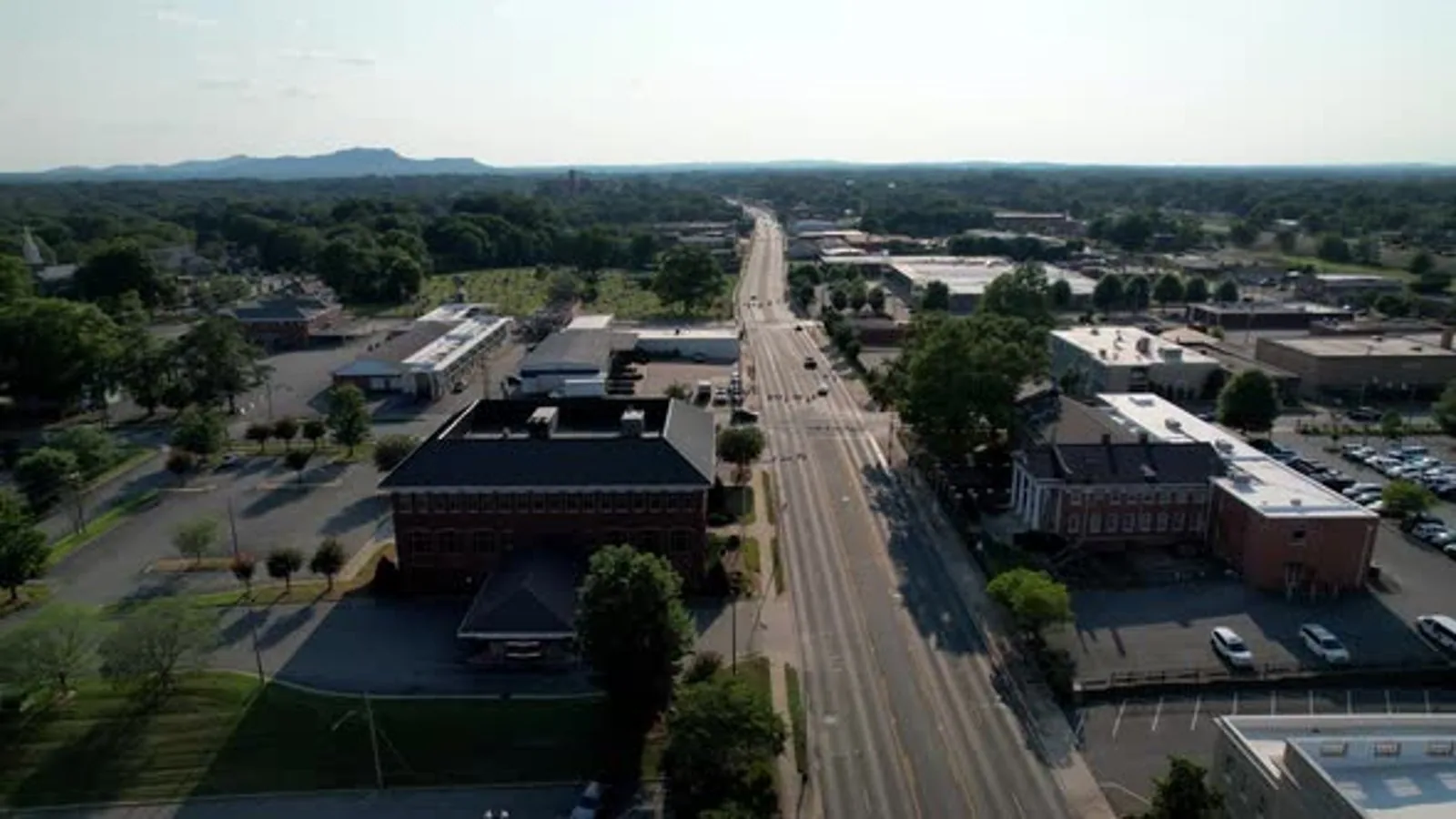
A pond that disappears in a day is usually fine. A pond that stays for three days is a finding. The fix may be a cleaned strainer, a reset drain or a tapered insulation repair, and the log shows which. On a large Gateway85 type distribution roof, one blocked outlet can load a whole section, so we start there.
Seam tape and welds react to standing water in different ways. Tape edges can lift when a pond sits on them for days, and a weld under a pond takes the same stress with less margin each summer. Either way, the first fix is drainage, and the second is the seam. We do the order that works.
Walk Retail, Medical and Industrial Roofs Differently
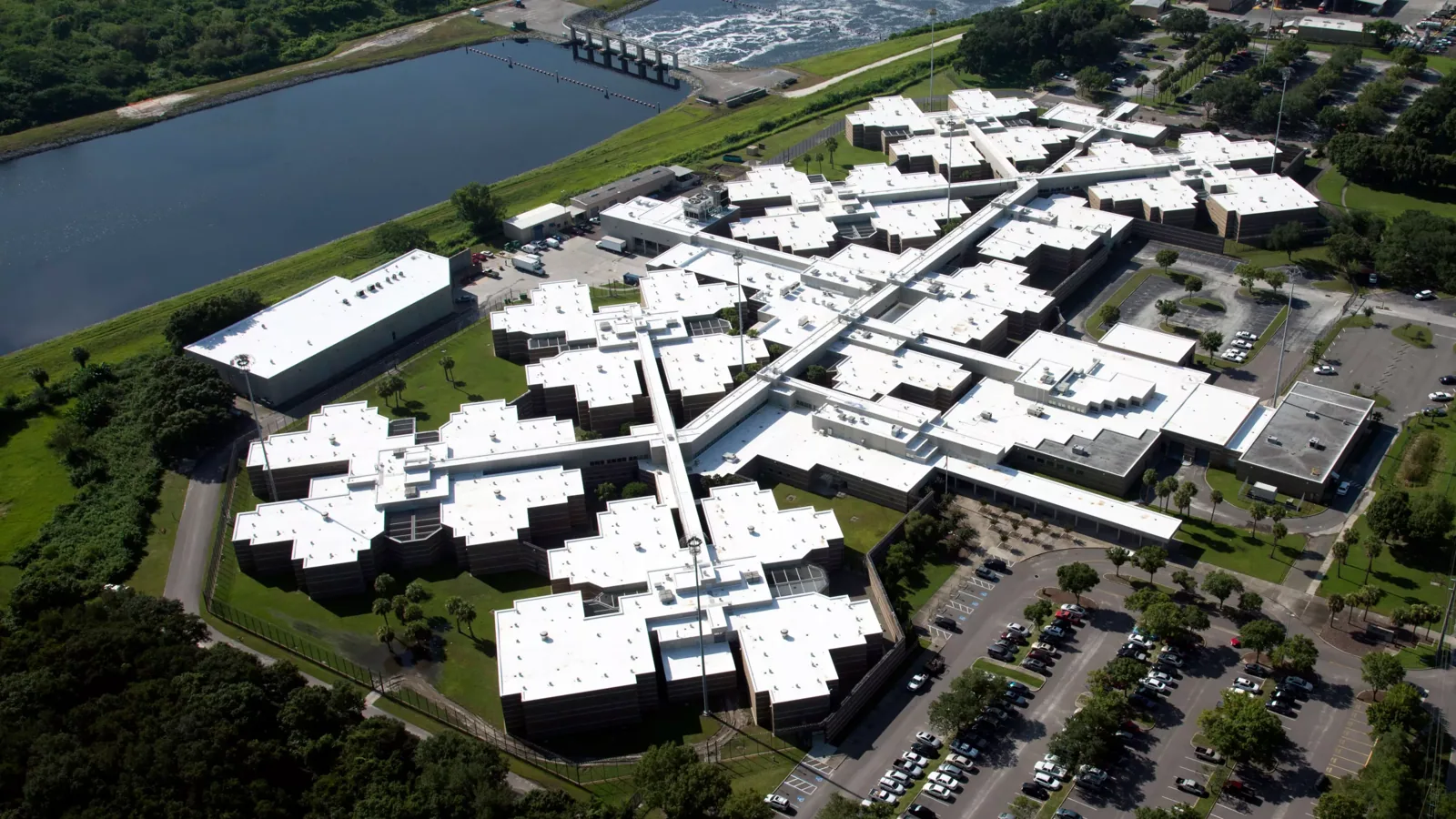
Eastridge Mall on North New Hope Road is surrounded by a large retail strip, and buildings in a strip can share walls, drains and rooftop units among tenants. Summit at Court Drive, next to Gaston Memorial Hospital, is a medical and office park of 60 acres where rooftop equipment and the ceilings below set the pace. Industrial parks such as Gastonia Technology Park cover 422 acres of campus-style space.
The first walk identifies the system and the layers, and the report maps each tenant's or area's roof, so responsibility is clear.
Check Edges After a Storm Line
Winds estimated at 110 mph came with the EF-1 tornado of May 8, 2024, which tracked across the county from west of Gastonia to the Belmont area. Roofs on several buildings were lightly damaged, and a warehouse in East Gastonia lost a section. That dated event is a reason to check edges.
On single-ply roofs wind starts at the perimeter. We press along edge metal, look at termination bars, count fasteners in a sample length and photograph anything loose. A lifted edge repaired the week after a storm costs little. The same edge repaired after a month of rain costs wet insulation.
Hail is the other storm item. Severe storms in the Piedmont can bring hail, and a strike leaves a round bruise or a hairline fracture that a quick look from a ladder can miss. After a reported event we scan at a low angle, probe suspect marks and log each one with a scale reference. Cosmetic marks are called cosmetic.
Decide: Repair, Recover or Replace
Dry insulation and local damage point to repair. Dry insulation with a worn sheet may allow a recover. Wet insulation across several areas points to replacement. Each path has a cost today and a cost of waiting, and the report puts both on paper.
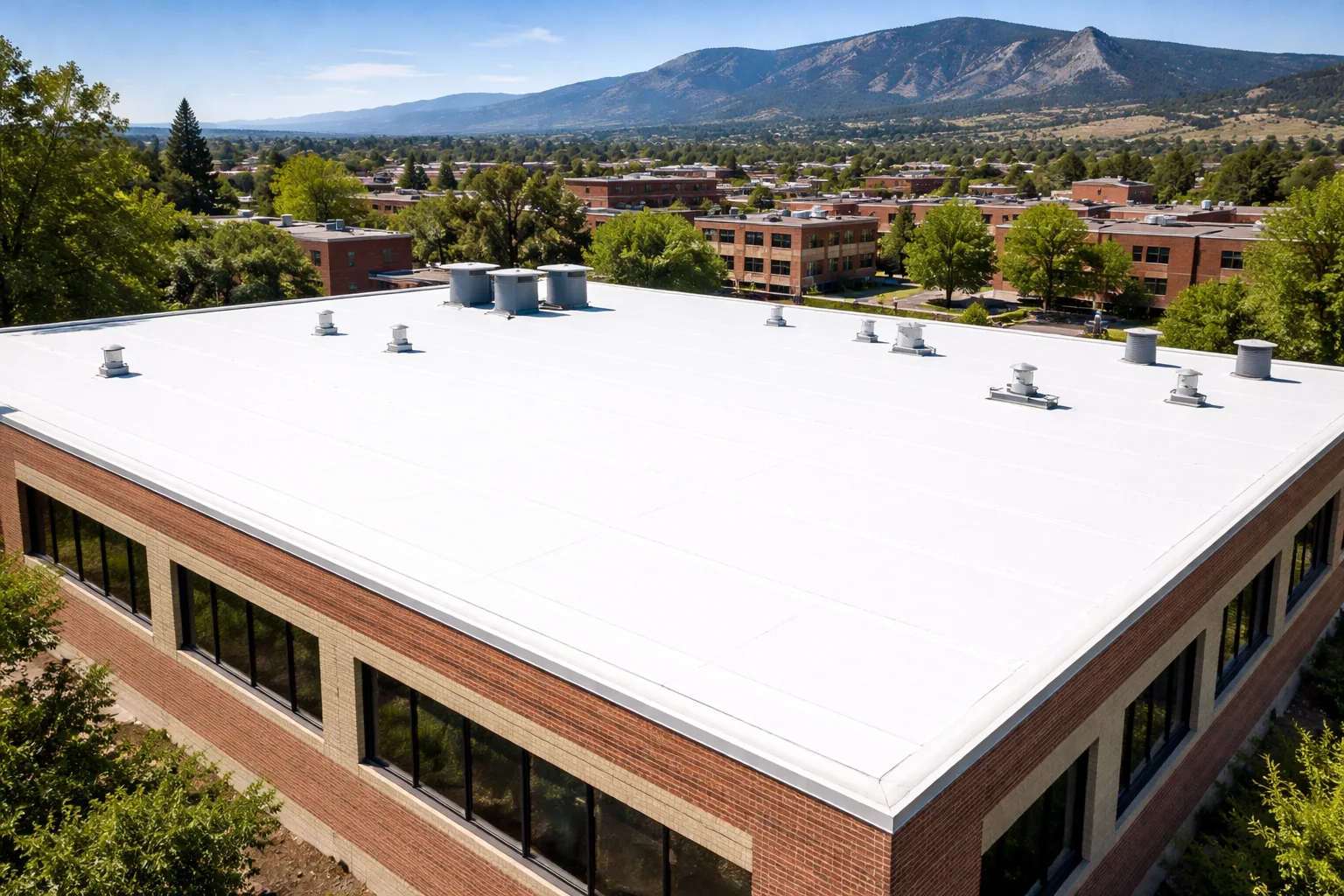
Neighboring suppliers such as Versico and GAF cover overlapping categories, and the same decision process applies. On a hot Gaston County roof, EPDM shows its age at seams and walls, and TPO shows it at welds and corners. A warranty file keeps the paper side straight.
Price the Cost of Waiting
Each item on the list gets a price today and a price after another season. Resealing a curb is a small line this quarter. After a wet summer the same curb can mean wet insulation, a ruined ceiling grid and a larger scope.
The second price is the likely one, not the worst case. A brittle boot can wait a season, and the list says so. A cracked termination at a wall cannot, and the list says that too. An owner can rank the whole thing for a partner in ten minutes.
Where wet layers show up in several areas, the plan moves toward a replacement with a decision date on the budget calendar. Where layers are dry, a repair keeps the capital line out of the year. The roof tells us which one it is.
Commercial Roofing Questions
Do you install Carlisle SynTec systems?
We install and repair the EPDM, TPO and PVC types Carlisle SynTec supplies. Products and warranty terms follow the owner's contract and the manufacturer.
How do I know if my roof is EPDM, TPO or PVC?
A core and the installation record identify it. Appearance helps but can mislead on aged sheets.
Which type handles Gastonia heat better?
Each has strengths. The condition of the seams, flashings and drains tells us more than the type does.
Will repairs affect my warranty?
Not if they follow the terms. We read the document first and keep the record.
What do I receive after a visit?
A dated photo log, a findings list with cost to act and cost to wait, and updated ratings.
Topic
Carlisle SynTec Roofing Systems
Roof Types
Low-slope and metal
Related Roofing Work
Gateway85 Industrial Corridor
Versico Roofing Systems