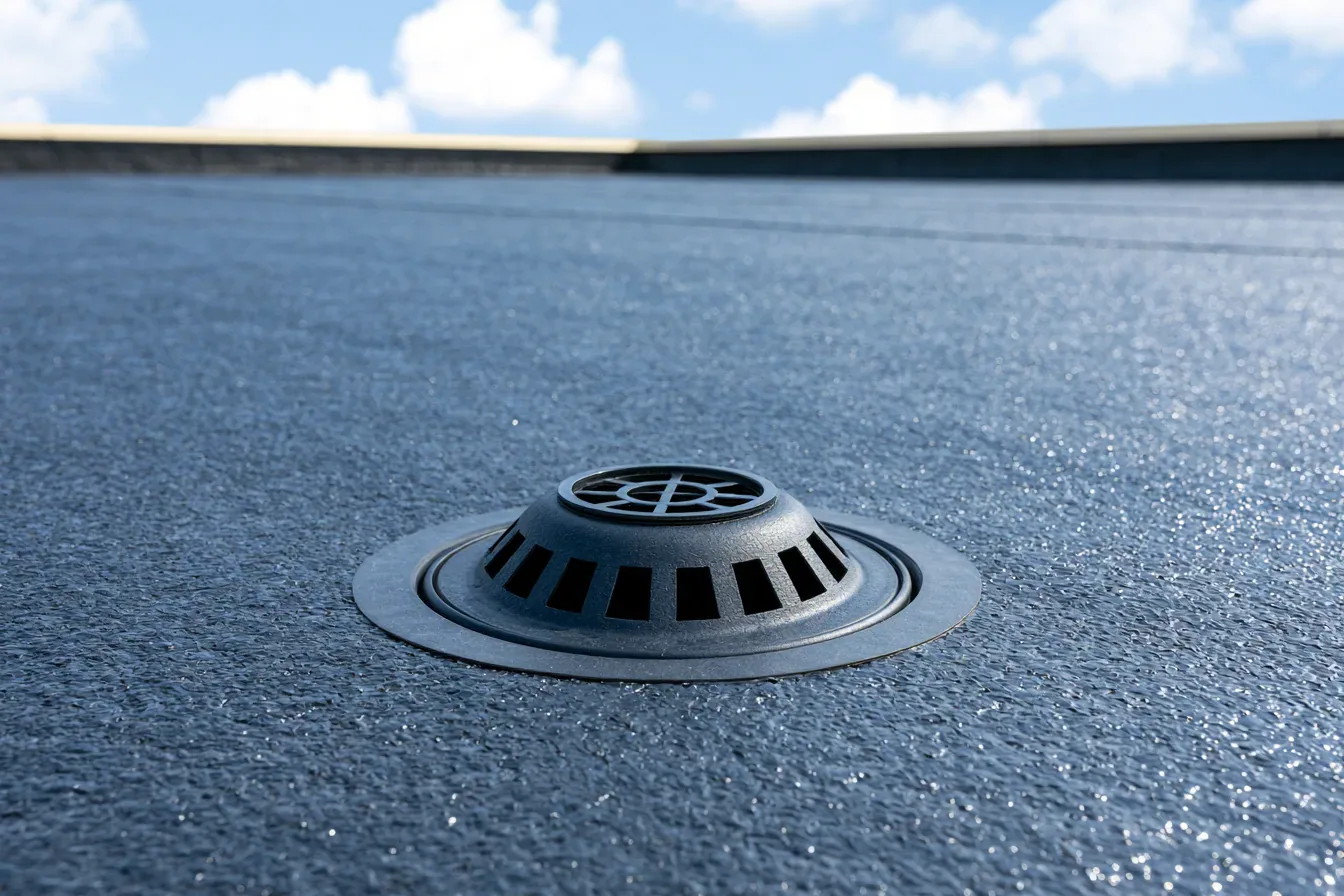

Roof Insulation and Cover Board in Gastonia, NC
A spongy spot underfoot on a roof that looks perfect from the lot. The membrane is intact, the seams are tight, and the foam under it has absorbed water from a slow leak long ago. That one spot is a decision point, because insulation does three jobs at once. It keeps heat in and out, it holds the shape of the roof, and it carries the membrane. When it gets wet, all three jobs suffer, and the owner pays for each one separately in energy, repairs and eventually replacement.
The membrane draws the attention. The layer underneath deserves the same, and it is where roof budgets are won and lost.
Test the Layer You Cannot See
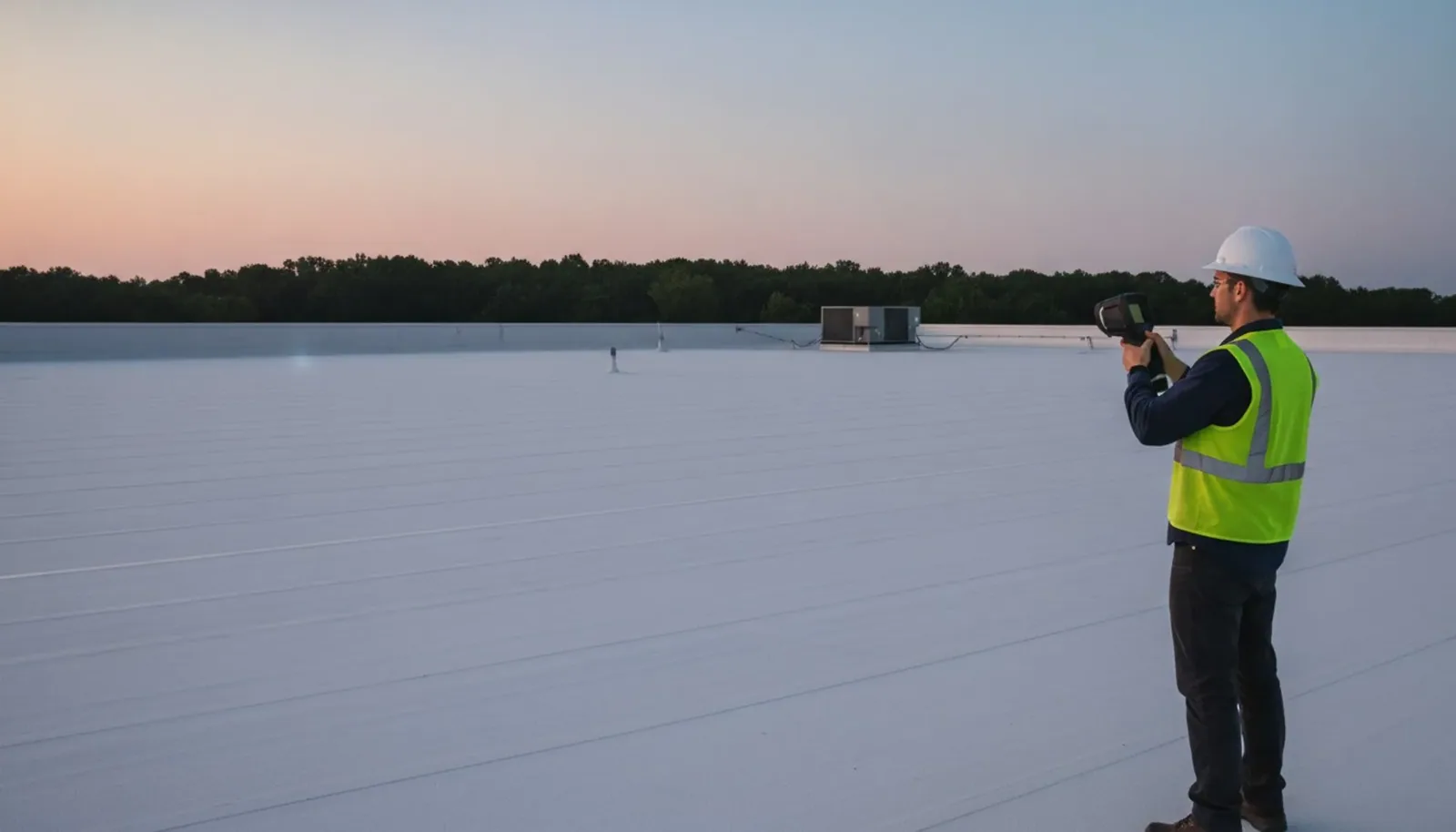
We start with a moisture survey. An infrared scan on a clear evening shows where the insulation holds heat, and wet areas show up as warmer patches. Core cuts at those spots reveal the layers: membrane, cover board, insulation, vapor layer, deck. We photograph each core with a ruler and test the insulation for moisture, compression and condition.
The cores give a clear answer to the question that matters. How much of the insulation is wet, and where? A wet area the size of a loading dock is a different problem from a wet streak along one wall. We map the findings on the plan and give a percentage of the roof affected. The map decides whether the roof can take a recover or needs tear-off.
The cores also tell us what the insulation is. Board type, thickness, number of layers and attachment method all affect what can be added or kept. An older roof may have two layers of different boards glued together, and the lower layer may be dry while the upper is wet. Knowing that saves money, because only the wet layer comes out.
Scan timing matters. Infrared works best after a warm, sunny day, as the roof cools in the evening, and the wet areas hold heat longer than the dry ones. We schedule the scan for that window and repeat it if clouds or rain interfere. A scan taken at the wrong hour can miss a wet area or exaggerate one.
Price Wet Insulation Plainly
Wet insulation does not dry on its own under a sealed membrane. It gets heavier, loses its thermal value and starts to break down. It can corrode the deck and trap moisture against fasteners. The longer it sits, the larger the area becomes, because water moves along the deck and into dry material.
Gastonia averages about 44 inches of rain a year, and summers run hot, with a July mean high of 90.7 F. Heat drives moisture around inside the roof, and the daily cycle can pull vapor through small openings. Replacing a small wet area during a repair costs a little. Replacing a large wet area costs a section. Replacing a whole roof's worth of insulation is replacement. The decision date matters: every season of waiting enlarges the wet area.
One blunt line: insulation is the cheapest part of the roof to ignore and the most expensive to ignore for long.
Choose Insulation Type and Thickness for the Building
New insulation is specified for the building, the climate and the code. Polyisocyanurate is common on commercial roofs for its thermal value per inch. Other boards and foams serve particular needs. The thickness depends on the energy code and the owner's goals. The energy code sets a floor, and in North Carolina that is still the 2018 edition of the state code. We flag the question for the owner's engineer and the code official and do not decide it.
Tapered insulation solves another problem. It builds slope into a flat roof so water runs to the drains instead of standing. A drain and scupper plan paired with a tapered layout can end chronic ponding. We design the taper with the drain positions and show the thickness at each point.
Vapor layers belong in the conversation too. Over a humid interior, a vapor layer under the insulation limits moisture moving up from the building. Over a dry interior it may not be needed. The wrong choice can trap moisture, so the design follows the use of the building below.
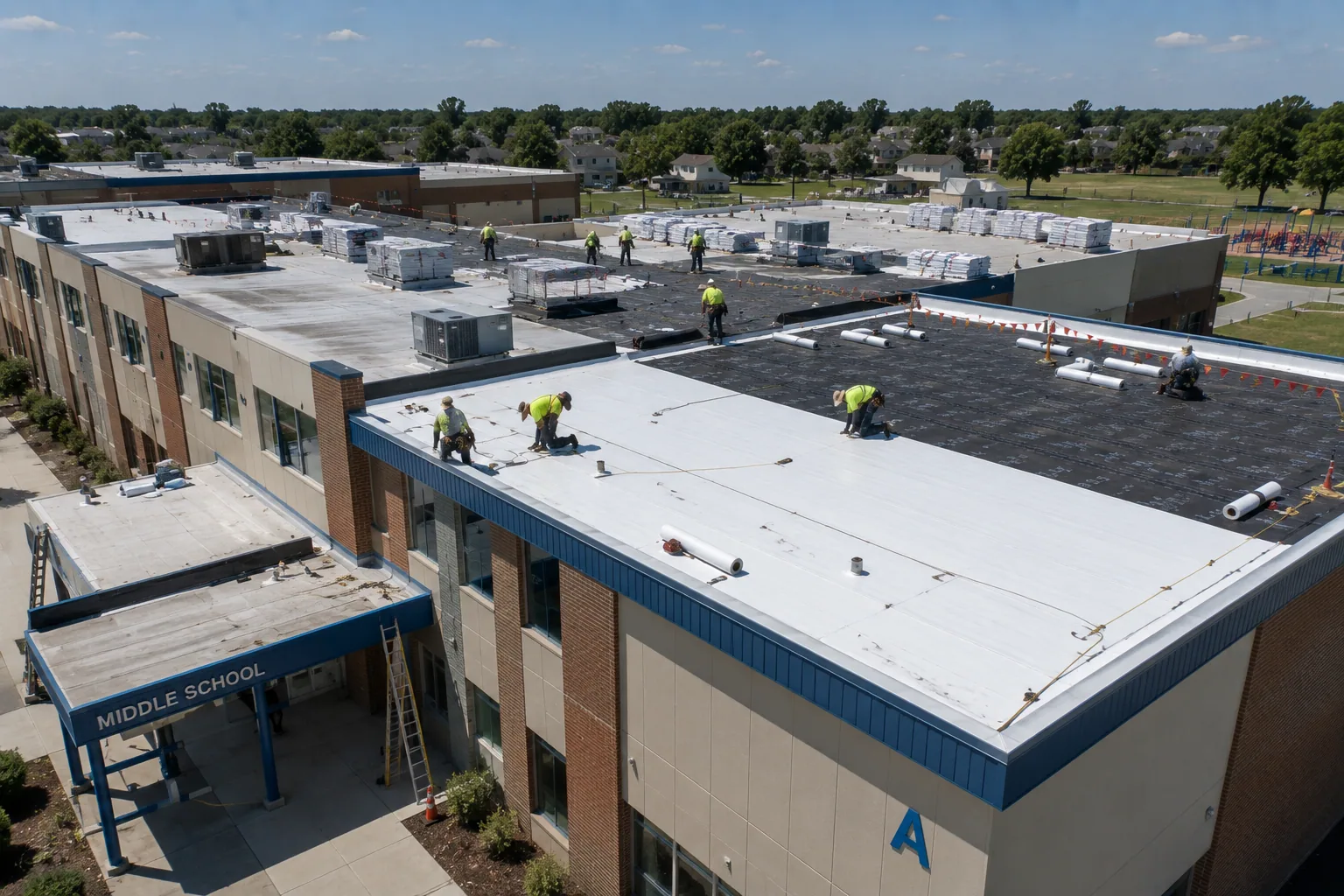
Where a roof is being replaced, the replacement scope should say whether the insulation stays, is topped up or is removed. Keeping dry insulation and replacing only the membrane saves money, and the cores are the proof that the dry layer is dry.
Specify Cover Board and Count the Layers
A cover board is a thin, hard board placed over the insulation and under the membrane. It protects the insulation from foot traffic and impact, gives the membrane a firmer base, and can improve fire and wind performance in some assemblies. It adds cost, and the cost buys durability. On a roof that will be walked by technicians for years, it often earns its place.
A scope lists each layer in order: deck preparation, vapor layer if required, insulation boards with thickness, tapered pieces, cover board, membrane. Quantities are in square feet, and the fastening pattern is stated. Cost drivers are roof area, depth of insulation, amount of wet material to remove, tapered layout complexity, cover board choice and access. Ask every bidder to price the same layers, and the comparison becomes simple.
Fastening pattern affects wind performance. More fasteners per board at the perimeter and corners resist uplift where wind pulls hardest, and the pattern should match the membrane manufacturer's requirements. We state the pattern in the scope, so the owner can check it on the day of installation.
Insulation Across Gaston County Roofs
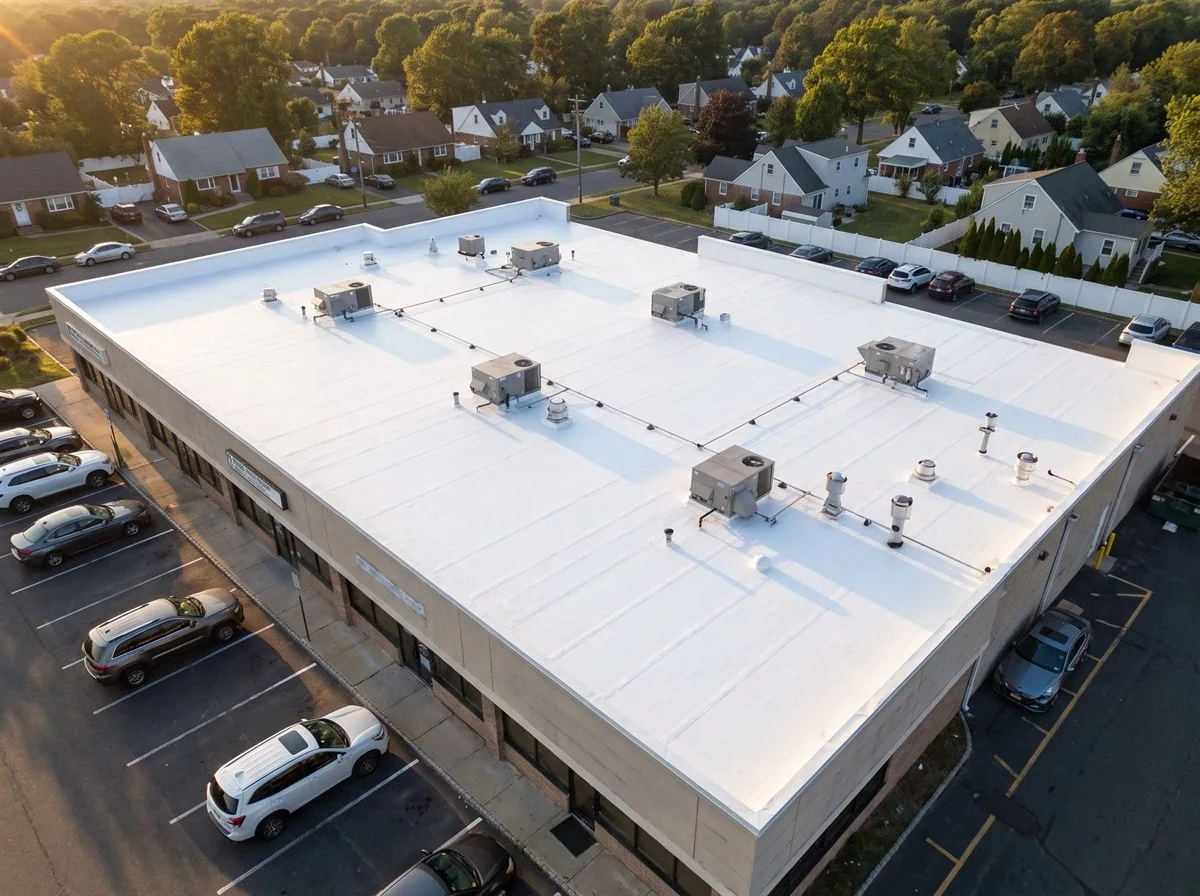
On a low-slope industrial roof such as those that serve the delivered buildings at Gateway85, insulation and slope decide drainage. A medical and office building like those in the Summit at Court Drive park beside Gaston Memorial Hospital leans on insulation for comfort and energy cost. For a mill-era building in Mount Holly or Belmont, the roof layers must be confirmed with cores before anyone prices a recover.
The county's mill conversions raise their own insulation questions: converting a mill to apartments or mixed use changes the occupancy and the energy requirements, and the roof assembly has to be reviewed against both.
Large buildings add quantity risk. When a roof has hundreds of thousands of square feet, a small error in the wet percentage changes the price by a lot, so the survey and the cores are priced in. The report shows the wet area as a measured number on a plan, with the cores that support it marked beside it.
Commercial Roofing Questions
How do I know the insulation is wet?
A moisture survey and core cuts show it. Soft spots, stains and a heavy feel underfoot are hints, but only cores confirm.
Can wet insulation dry out?
Not under a sealed membrane in any practical time. The usual answer is removal of the wet area.
Is cover board required?
Not always. It depends on the assembly, the membrane and the traffic on the roof. We explain the trade and the cost.
What does tapered insulation do?
It builds slope into a flat roof so water runs toward drains. It is a common fix for ponding during a replacement.
Does the energy code change what I must install?
Code requirements can affect insulation thickness on a replacement. We flag the question, and the code official and engineer decide.
Topic
Roof Insulation and Cover Board
Roof Types
Low-slope and metal
Related Roofing Work
Infrared Roof Moisture Surveys
Roof Recover and Overlay Systems