Data Center Roofing in Gastonia, NC
Standing water around the pad of a rooftop chiller, with a stained ring on the membrane showing how often it ponds, is a common finding on a technology building that carries its cooling on the roof. The pond is not a cosmetic issue on a building that cannot take water. What that means for the owner is a budget item with a hard deadline: fix the drainage and the pad details before a storm turns the pond into a leak over a hall.
A data center roof in Gastonia, NC is walked together with its equipment, and each finding goes into a photo log beside a written repair-or-replace answer. The facility team can reach a crew overnight.
Walk the equipment before the membrane
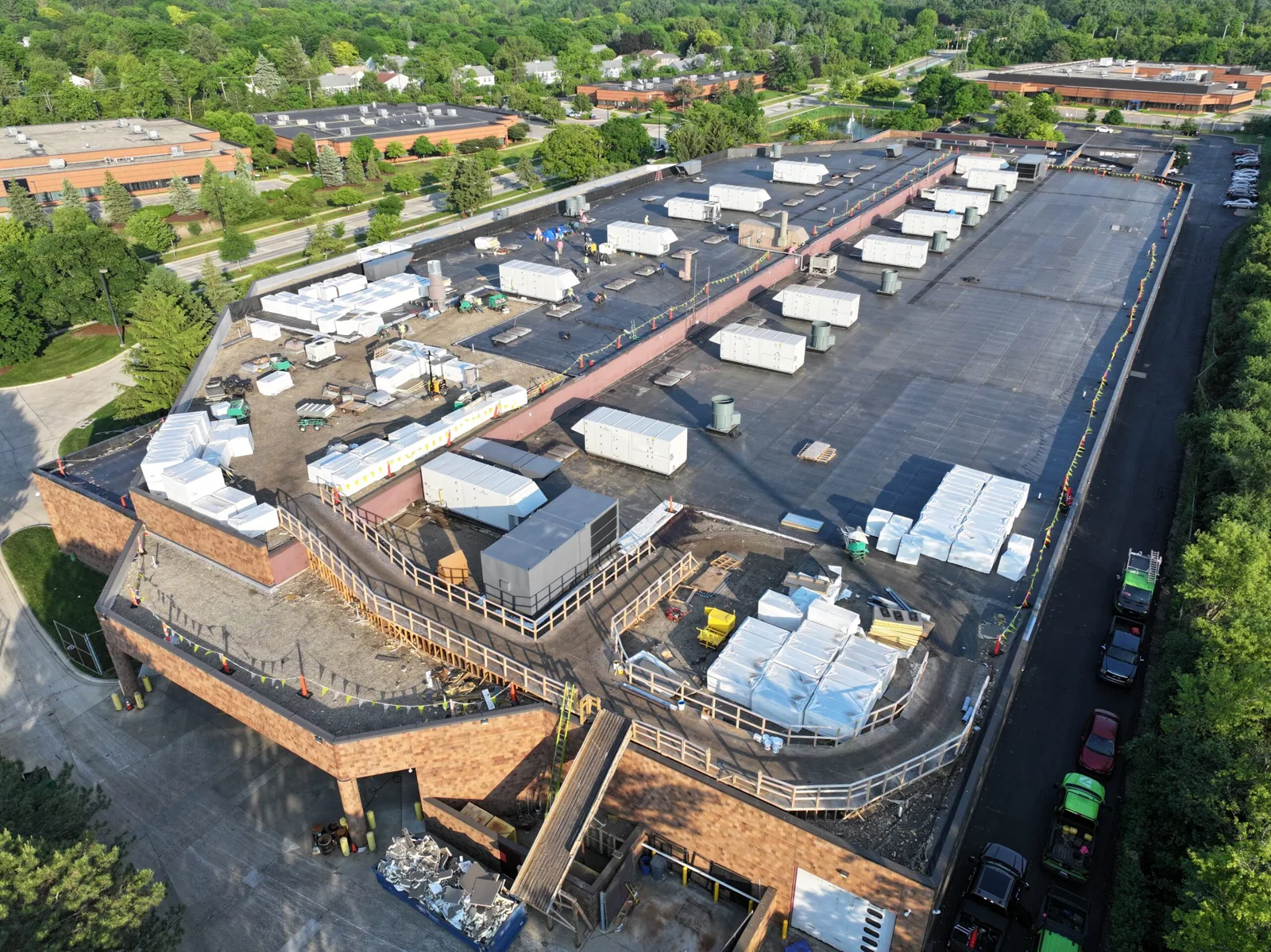
A data center roof carries more than most. Chillers, generators, air handlers, cable trays and fuel or refrigerant lines sit on supports that rest on or pass through the membrane. Each support is a place for the sheet to be cut, crushed or poorly flashed. Weight from equipment can also deflect the deck and create low spots that hold water.
So we walk the equipment first. We photograph every support, rate its flashing, measure low spots around pads and check the condition of walk paths. Then we probe the seams between them and test the drains. The photo log ties each finding to a location on the plan, and the plan becomes the baseline for every later inspection.
Condensate and refrigerant lines add false alarms. A line that sweats, a drain that backs up inside the building or a pipe joint that weeps can trip a sensor with a dry roof overhead. Before blaming the membrane, we ask the facility team to confirm the source with a dye or moisture check, so the roof is not repaired for a problem that starts in the piping. The finding goes into the log either way.
Treat the roof as a critical system
On a building that cannot take water, the roof is part of the uptime plan. Primary drains handle normal rain. Overflow drains or scuppers must carry the load if primary drains clog. We test both, check that overflow openings sit at the right height and note any blocked or missing ones. A roof without a working overflow turns a clogged drain into a pond over critical space.
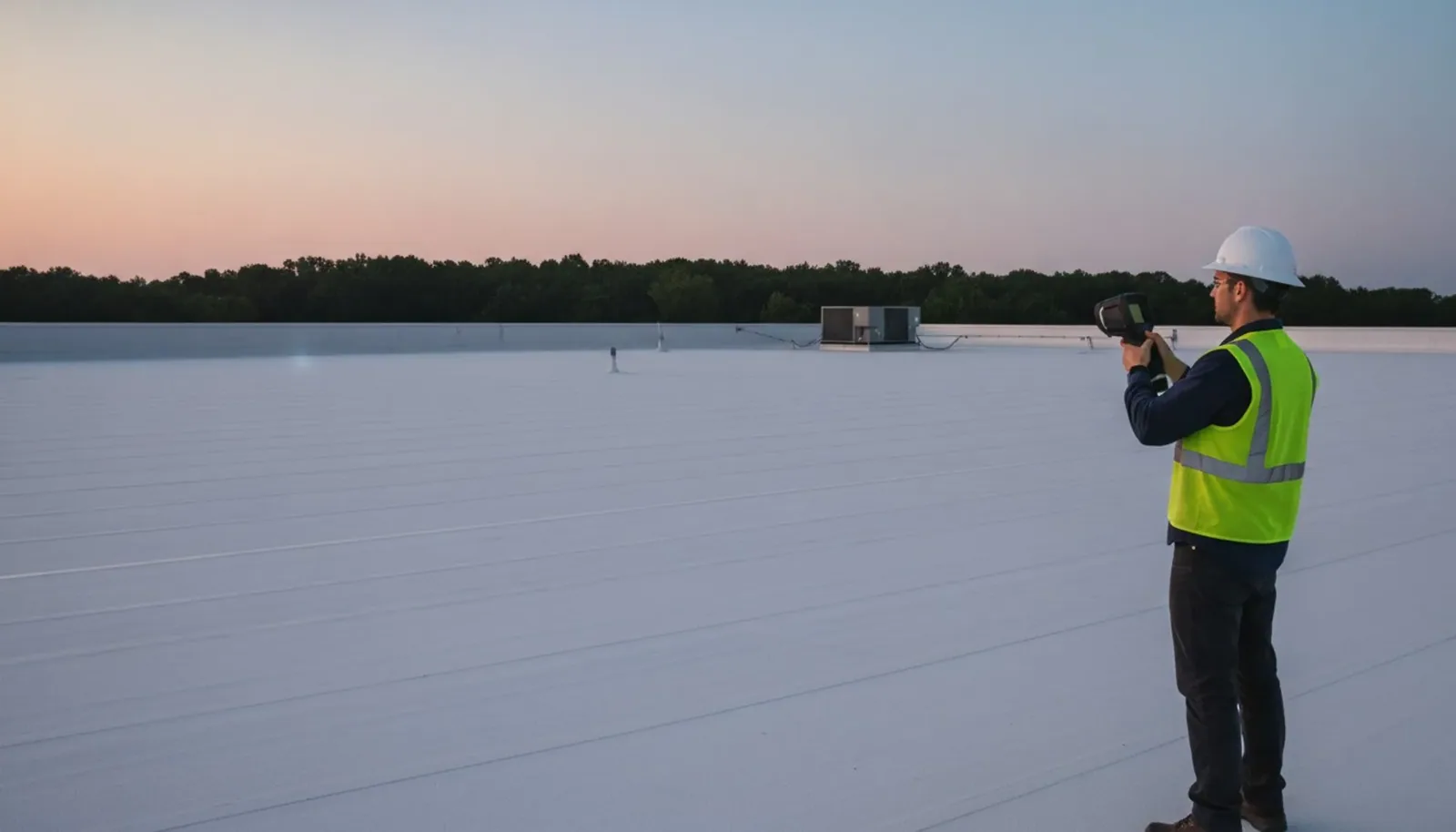
Moisture detection is part of the plan too. Sensors and drip trays below tell the facility team when water arrives, but they arrive after the fact. A scheduled infrared moisture survey finds wet insulation before water reaches a hall. The survey and the sensor log together give the owner an early warning that the roof alone cannot.
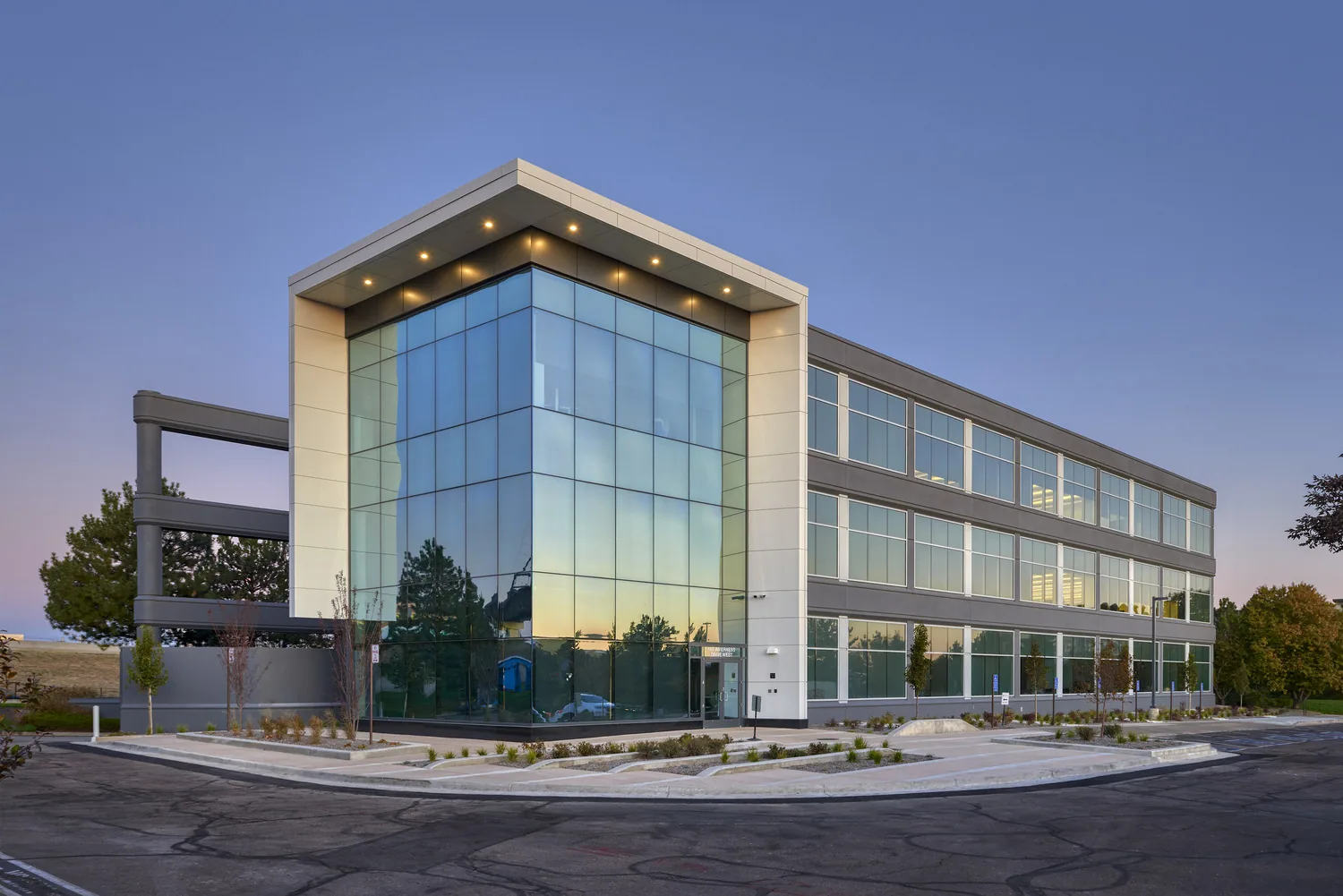
Documentation is part of the work in a critical facility. Each shift's activity is logged, each penetration opened and closed is recorded and each material used is listed. The close-out record lets the facility team show an auditor or a tenant exactly what was done above the hall and when. A smaller office building on the same site gets the same record, and so does an attached support building that works like a warehouse.
Know the Gaston County technology market
Gaston County developed Gastonia Technology Park as a 422-acre, campus-style Class A park for advanced manufacturing and technology users. The park is zoned I-2, has fiber optic service and a 50,000 KW substation on site, and carries an ISO 3 fire protection rating. It sits about 20 minutes from Charlotte, the second-largest US banking center.
What equipment sits on a given roof is settled on the walk. A first walk at the technology park or at any other site records the roof as it is, and the findings go to the facility team.
Plan for storms and power
July highs in Gastonia average 90.7 degrees and precipitation runs about 44 inches a year, so the drains work hard and the roof surface doubles as a heat-rejection deck for the equipment above it. Charlotte has recorded 104-degree highs, and a December 2002 ice storm put more than 1.3 million people in the dark. Hurricane Hugo brought gusts of 87 mph to Charlotte on September 22, 1989.
Those events set the questions: do the drains clear, do the overflows work, are the edges tight and does the equipment have its own protection? The county took an EF-1 tornado on May 8, 2024, with winds estimated at 110 mph. After any storm warning, we walk the roof and the equipment together.
Cost and schedule are named up front. Cost drivers include wet insulation volume, equipment to move or shield, access rules, penetrations and the system chosen. Weather windows are named, long-lead materials are ordered early and sections are sized to be closed within a day. If a storm warning appears, the open section is sealed first and the crew stands down, and the facility manager hears about it the same day with photos.
Choose repair or replace
Dry insulation and a handful of failures call for repair. Rebuild a bad support flashing, clear and correct a drain, reseam a lap. Commercial roof repair on a dry roof is often the best use of a line item. Replace when moisture has spread through the insulation or the membrane has aged past holding a repair.
Work over a live facility follows the facility's rules. Hot work may be limited, intakes are marked and protected, crews are badged and escorted and each section is closed in daily. Systems such as TPO or PVC are common, and mechanically fastened, adhered or cold-applied methods are chosen to match the rules. The written answer states remaining service life in plain terms.
Remaining service life belongs in the facility plan beside the equipment refresh schedule. Sound insulation under a tired membrane earns upkeep. A critical building cannot absorb a replacement forced by a leak, so a roof nearing the end of its life gets priced early enough to fit around maintenance windows. A maintenance program keeps the photo log current between projects.
Roof loads need a check before equipment changes. Adding a chiller, a generator or a cable tray changes the weight and the traffic on the membrane, so we review the plan for new supports and walk paths before they are installed. A short note ahead of the change costs less than a repair after it.
Commercial Roofing Questions
Can a data center roof be replaced while the hall is live?
Yes, with a plan. We use methods the facility allows, protect intakes, work in small sections, close in each section daily and follow badge, escort and tool-control rules.
Why does ponding matter around equipment pads?
Standing water adds weight, wears seams and can wick under a support. Near critical space, a pond is a risk. We measure it, find the cause and recommend the cheapest fix that works.
How do overflow drains protect the building?
They carry water if primary drains clog. We test them, check their height and make sure they discharge safely. A missing overflow turns a clog into a pond.
Does the technology park's fire rating change the roof?
Fire ratings apply to the site's protection design. The roof still gets its own inspection for flashing, seams and drainage, and any fire-related roof requirements come from the design team.
What do you need from a facility team?
The roof age, a plan marking equipment and intakes, any alarm log and repair invoices. The written findings summary answers repair or replace in plain words.
Topic
Data Center Roofing
Roof Types
Low-slope and metal
Related Roofing Work
Infrared Roof Moisture Surveys
Office Building Roofing