
Roofing for Retail and Restaurant Chains in Gastonia, NC
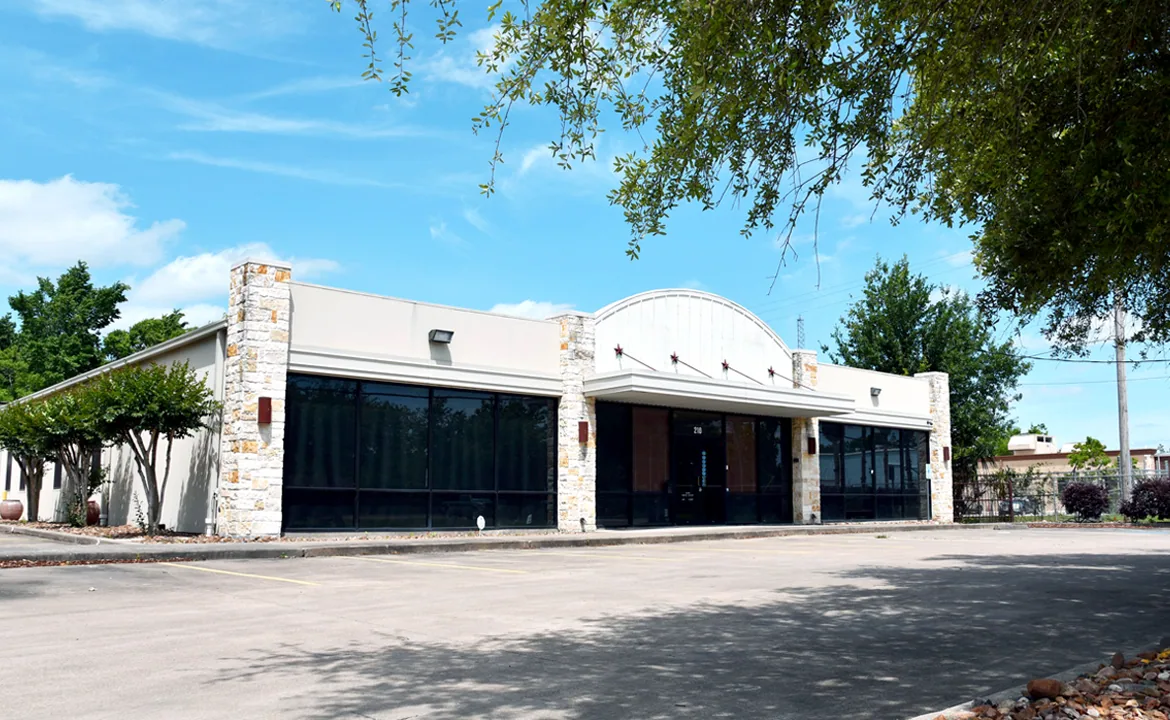
A restaurant roof shows its kitchen before you reach the first curb. Grease runs down the membrane below the exhaust fan, the sheet near the hood is dull and soft, and the curb carries a stain that took years to build. A retail pad building a few hundred feet away has no grease but a long parapet, a canopy and a row of rooftop units. A brand with locations in Gastonia, NC owns many roofs like those across a market, and its facilities manager needs one standard for repair, one way to rank the sites and one way to budget, without waiting for a leak to set the order.
The walk ends with findings on paper and a price beside each one. The same form works for every address.
Know Where the Stores Sit and What Is Overhead
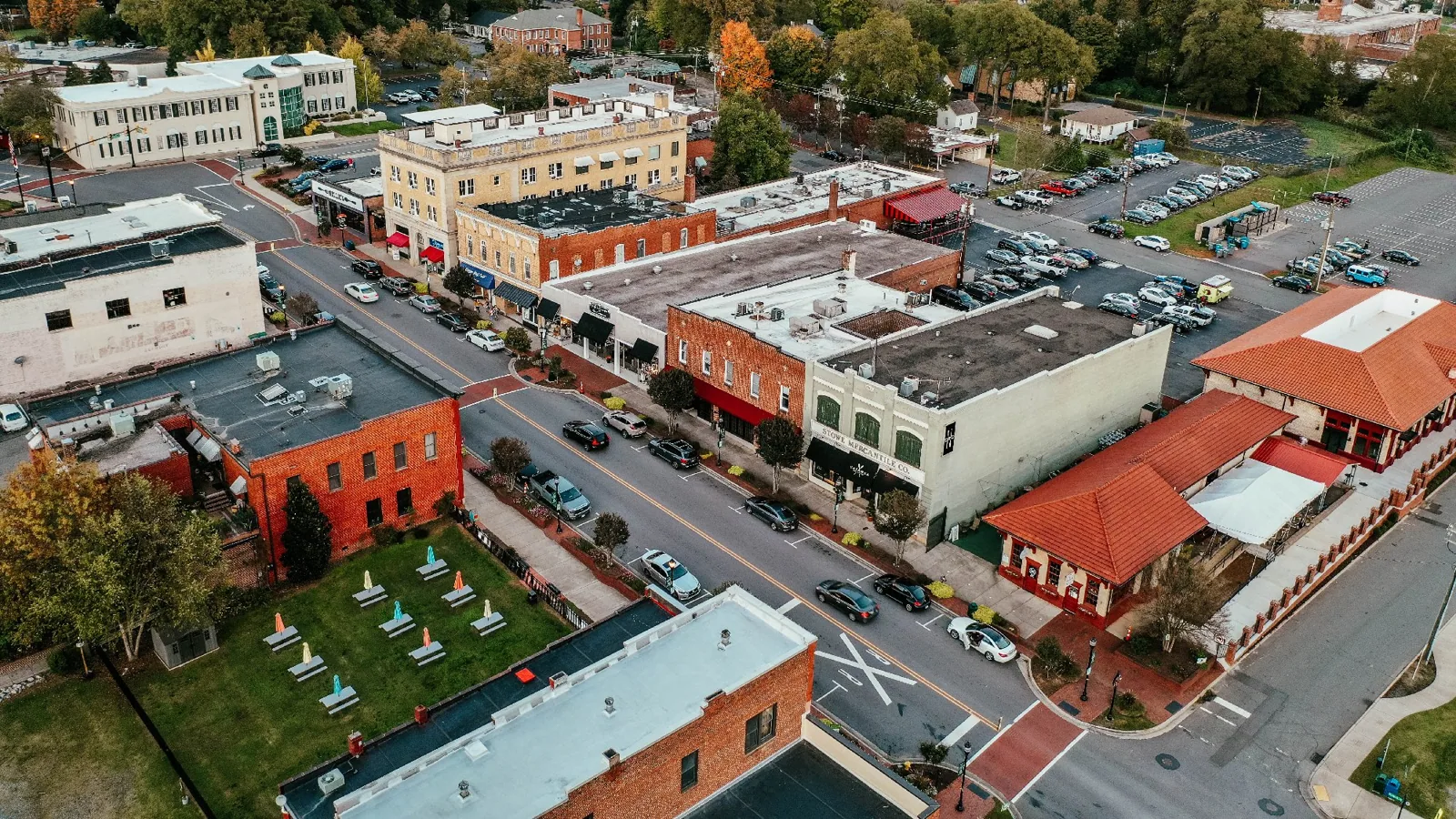
North New Hope Road carries Eastridge Mall at exit 20, the area's only indoor regional mall, along with a large retail strip, and it is a major north-south commercial street. Franklin, Garrison and Hudson avenues are Gastonia's main east-west thoroughfares, and I-85 runs through the city to Charlotte, about 21 miles east, so a brand that serves both sides of the metro can send one crew across a day's route. A brand with stores along those streets may hold in-line suites, pad sites and stand-alone restaurants, and each has its own roof. Owners with stores in Gastonia proper, in Belmont or along Mount Holly's commercial streets can ask for one program that visits them together. The walk shows what each store has overhead, and the report puts every location on the same scale.
Contain the Grease Before It Eats the Membrane
Kitchen exhaust is the main roof stressor on a restaurant. Hot, greasy air leaves the hood through a fan that discharges on or near the membrane, and grease soaks into a sheet that was not made to resist it. Some membranes soften and swell under that load, while a chemical-resistant sheet such as PVC holds up far better. We check the fan base, the grease containment, the curb flashing and the membrane within a few feet of the discharge, and we recommend a tray, a walk pad and a cleaning routine. A roof that is cleaned on a schedule lasts years longer than one that is not.
Drains near a kitchen carry grease too, which cools and clogs the line. We flush and inspect them on every visit. Roof hatches and ladders at restaurants see more traffic than most, because staff reach the roof to check the fan and the grease tray, so we look at the hatch gasket, the ladder fastening and the walk path as well. A path of worn membrane from the hatch to the fan is the first leak on many restaurant roofs.
Work Around Store Hours and Deliveries
A store sells while its roof is repaired, so the work has to disturb as few customers as possible. We schedule noisy tasks outside the lunch and dinner rushes for a restaurant and outside peak shopping hours for retail, place the lift where it never crosses a drive-through lane or the main entrance and keep delivery windows clear. Rooftop units that serve the dining room or sales floor are shut down at the quietest hours, with a log of the time off. Every open section is dried in before the store opens or the crew leaves, whichever comes first. A brand that opens early needs the crew off the roof before the first delivery, so we agree on the hour and keep it. Where a drive-through wraps the building, the lift goes on the side without a queue, and cones and a spotter keep cars away from overhead work.
Run One Standard Across Every Address
A regional brand reads a roof program faster when every address uses the same report. We write one standard for the roof walk, one photo log, one risk rank and one way of pricing repairs, so the facilities group can read a Gastonia store the same way it reads a store anywhere else, and a regional manager can compare six locations on one page. A multi-site roof program keeps it going from year to year, with a log by address of what was found, what was done and what is next.
Rooftop units on a retail roof are replaced on a cycle that rarely matches the roof's, so we flag any curb that no longer fits its unit. Where a store sits in leased space, the report separates tenant repairs from landlord capital items so the brand and its landlord can decide who pays. Each page also carries a plain note on what the store can do between visits, such as keeping the grease tray emptied and the drains clear of leaves.
A short checklist at the front of each report tells the store team what to do between visits, such as emptying the grease tray and clearing leaves, so small items do not grow while the next walk is months away.
Plan Around Spring Storms and Summer Heat
Several Gaston County buildings took minor roof damage when the May 2024 EF-1 tornado came through. Storefront canopies, parapets and edge metal are exposed to that wind, so we check attachment and run pull tests where it is uncertain. With a July mean high near 90.7 F and annual rainfall of about 44 inches, drains, scuppers and curb flashing are inspected before spring and again after summer. Emergency response runs around the clock, holidays included: a crew covers the opening, photographs it and sends the store manager and the facilities group a short note the same night, in a form that drops straight into the brand's work-order system.
Decide Between Repair, Restore and Replace
A store roof decision rests on moisture, layers and how long the brand expects to occupy the building. Local failures on a dry roof are repaired, and a sound membrane may take a coating restoration once seams and curbs are corrected. Wet insulation around a kitchen fan can be cut out and rebuilt without replacing the whole sheet, and an infrared scan on a dry evening shows how far the wet area runs. A roof with wet insulation across much of its area is replaced, with a grease-resistant membrane near the exhaust if the store is a restaurant. Chains with a short lease left should weigh a repair against the cost of surrendering a building with a failing roof. Each option is written with its cost and the cost of doing nothing, plus a decision date, so the real-estate and operations teams read the same numbers. Related owners include property managers and investors, who can read the same report.
Commercial Roofing Questions
What is the main roof problem at a restaurant?
Grease from the exhaust fan. It softens the membrane near the discharge and clogs nearby drains if it is not contained and cleaned.
Can a store stay open during roof work?
Yes. We work outside peak hours, keep the lift away from entrances and drive-throughs and dry in every section before opening.
How do you compare stores across a market?
With one report format that lists system, age, moisture readings and the next repair, so every store lines up on one scale.
Who pays for a roof repair at a leased store?
The lease decides. Our report separates tenant-side repairs from landlord capital items.
How often should rooftop grease control be cleaned?
On a schedule matched to the kitchen's volume. We set the interval at the first visit and record it for each address.
Topic
Retail and Restaurant Chains
Roof Types
Low-slope and metal
Related Roofing Work
Gastonia
Belmont