Roofing for Logistics and 3PL Operators in Gastonia, NC
On a long distribution roof, ponded water at one drain is the finding that shows up first and costs the most to ignore. A building with racking and customer inventory underneath cannot afford a membrane that has soaked its seams for three summers. Gastonia, NC sits on I-85 about 21 miles from Charlotte, with US 321 running to I-40 and Hickory, so freight access is settled. The question for a 3PL operator or its landlord is whether the roof will make it through another spring storm season without a claim.
We walk the roof, write down what we found and tell you what waiting costs. The rest is your call.
Know Where the Freight Lands and What Sits Overhead
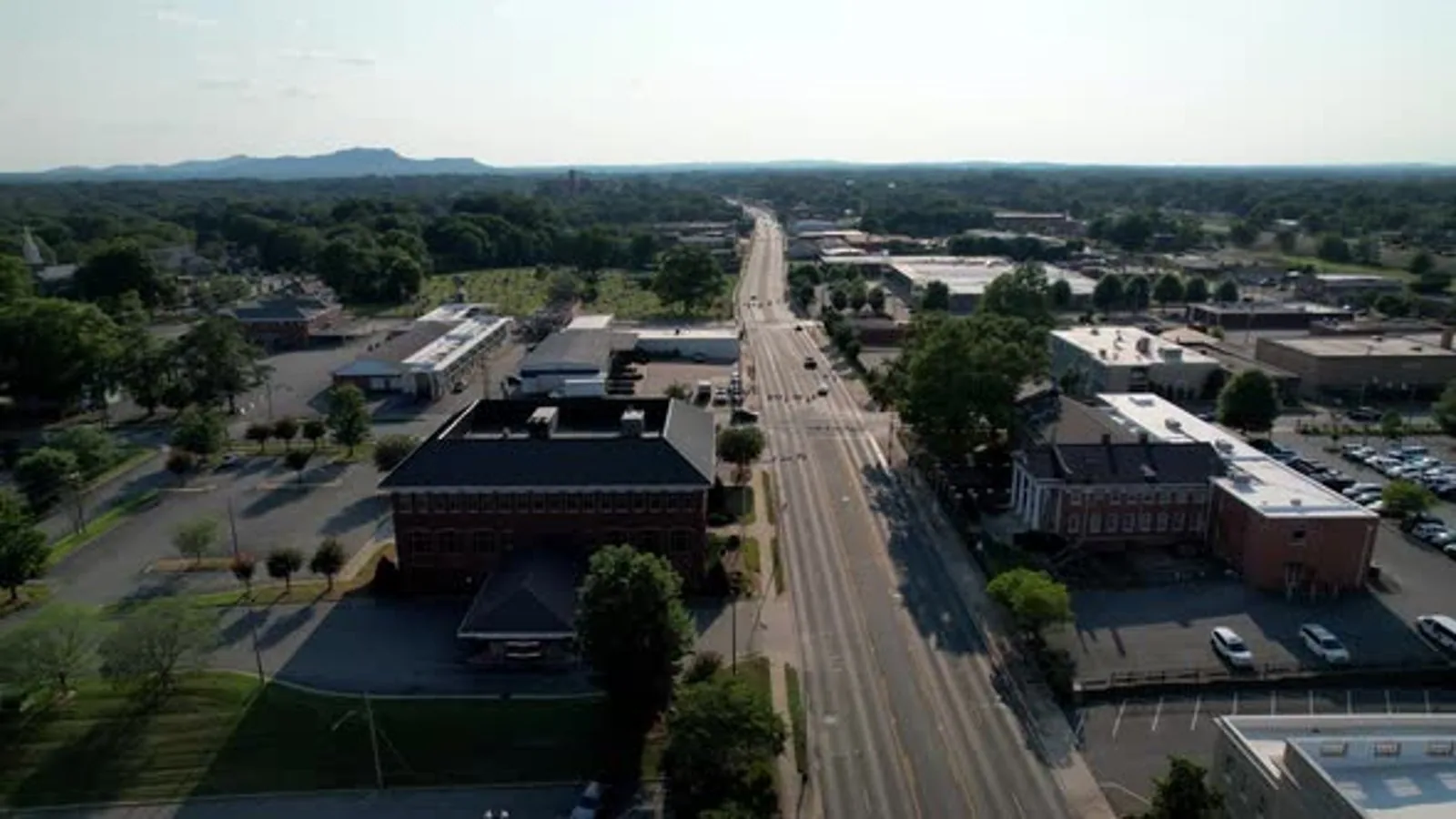
Gateway85 covers about 365 acres between Gastonia and Lowell, and its delivered buildings add up to 2.4 million square feet. One of them is a 1.5 million square foot distribution center, and the plan calls for at least a million more. SouthRidge Business Park covers 425 acres a mile north of I-85 near Bessemer City, The Oaks Commerce Center covers 280 acres, and Norfolk Southern runs freight along the Wilkinson Boulevard corridor through Belmont, Lowell and Cramerton, with CSX and Amtrak also serving the county. Charlotte Douglas International Airport is 20 to 30 minutes away. Freight through any of these corridors runs on cutoffs, and a roof leak that closes a bay is a missed cutoff.
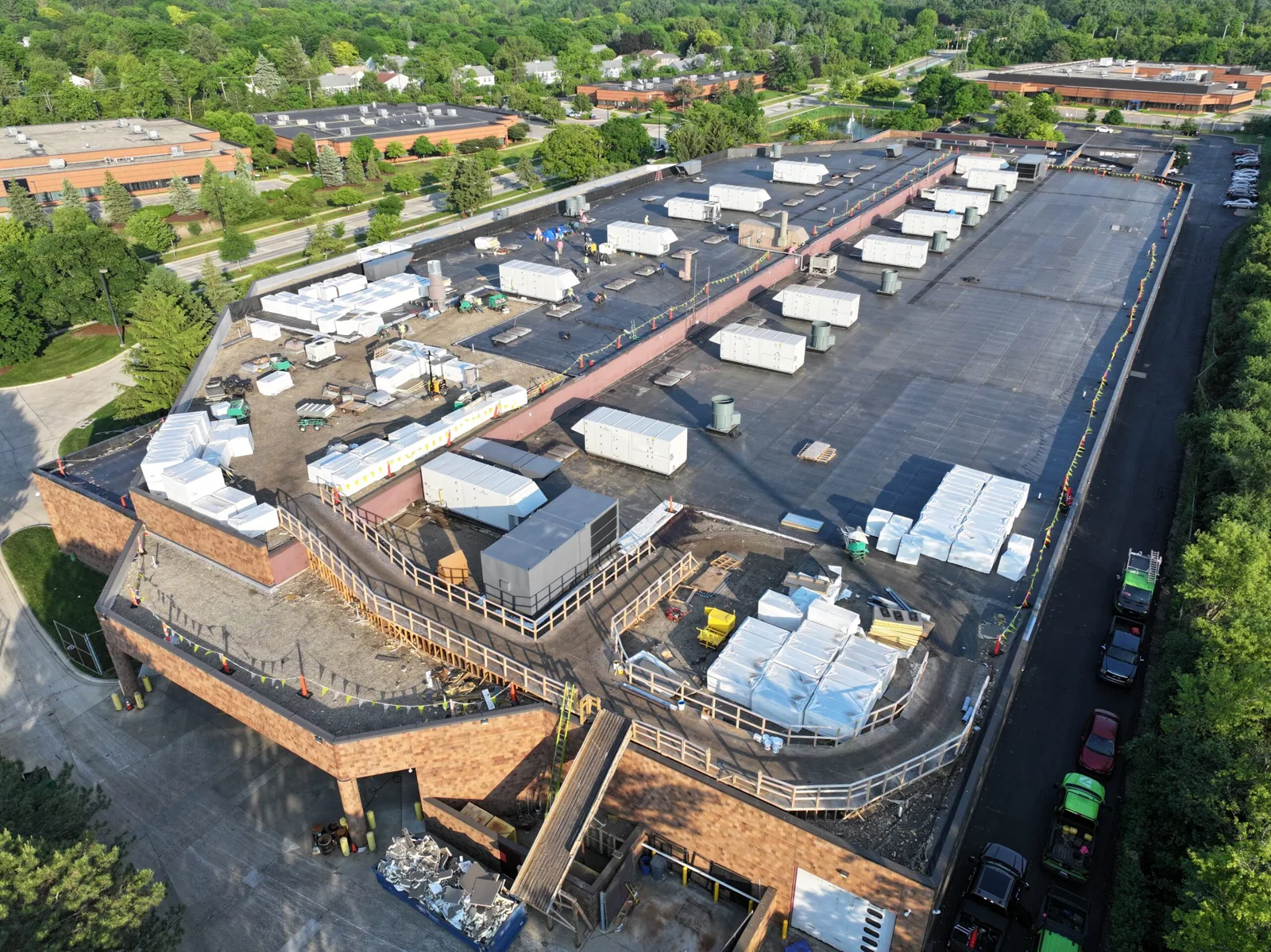
Those corridors tell us how trucks and cranes will approach, and the Gateway85 corridor is part of our service area. A building as big as that 1.5 million square foot distribution center is never one roof problem. A long perimeter means a single loose section of edge metal can go unseen for a season, and many drains means many places for a pond to start. We split the roof into sections the owner can price one at a time.
Fix the Drain Before the Seam Gives Out
A broad flat roof moves a lot of water, and drains placed far apart or set slightly high leave ponds that stay for days. Water that sits on a seam keeps pressure on a weld, grows algae and slowly shortens the life of the membrane. We measure how long water stays after a rain, clean the drains and scuppers and recommend tapered insulation or an added drain where a pond keeps coming back. Gastonia gets about 44 inches of rain a year, so the test happens often.
Ponded water also carries weight, and a roof that holds shallow ponds across a large area is carrying more than it was designed for. We note the depth and area of each pond on the plan and flag any sag in the deck. The cost of waiting is easy to state on a roof like that: a pond that stays after every storm will eventually become wet insulation, and wet insulation turns a drain repair into a section replacement.
Check the Dock Side First
The dock edge takes the abuse. Trailers back in, canopies shed water onto the apron and the edge metal above the doors carries gutters, scuppers and canopy brackets. A loose bracket or a clogged scupper sends water into the wall and onto the dock floor, where it ruins product and creates a slip hazard. Gutters on a long dock edge also need slope that carries water to a downspout, not to the middle of the run, and we check that with a level and a hose test. We inspect the edge metal, the canopy connections, the gutter pitch and the downspout discharge, and flag any bracket that has started to pull from the wall.
The dock edge is also the wind perimeter. Corners and edges take the highest uplift, so we examine fastening and run a pull test where the attachment is uncertain.
Gutter pitch along a long dock edge is checked with a level and a hose, and the readings go on the plan beside each downspout, so the owner can see which runs need a correction and which already move water.
Keep the Docks Moving During Roof Work
A distribution building runs on cutoffs, and a roof job that blocks a dock door costs more than the roof. We ask for the shipping and receiving windows, shift changes and peak days, then position the lift, the dumpster and the material stack at the end of the building where trucks do not turn. Tear-off over racking proceeds in strips sealed before the crew leaves, with temporary tie-ins at each edge.
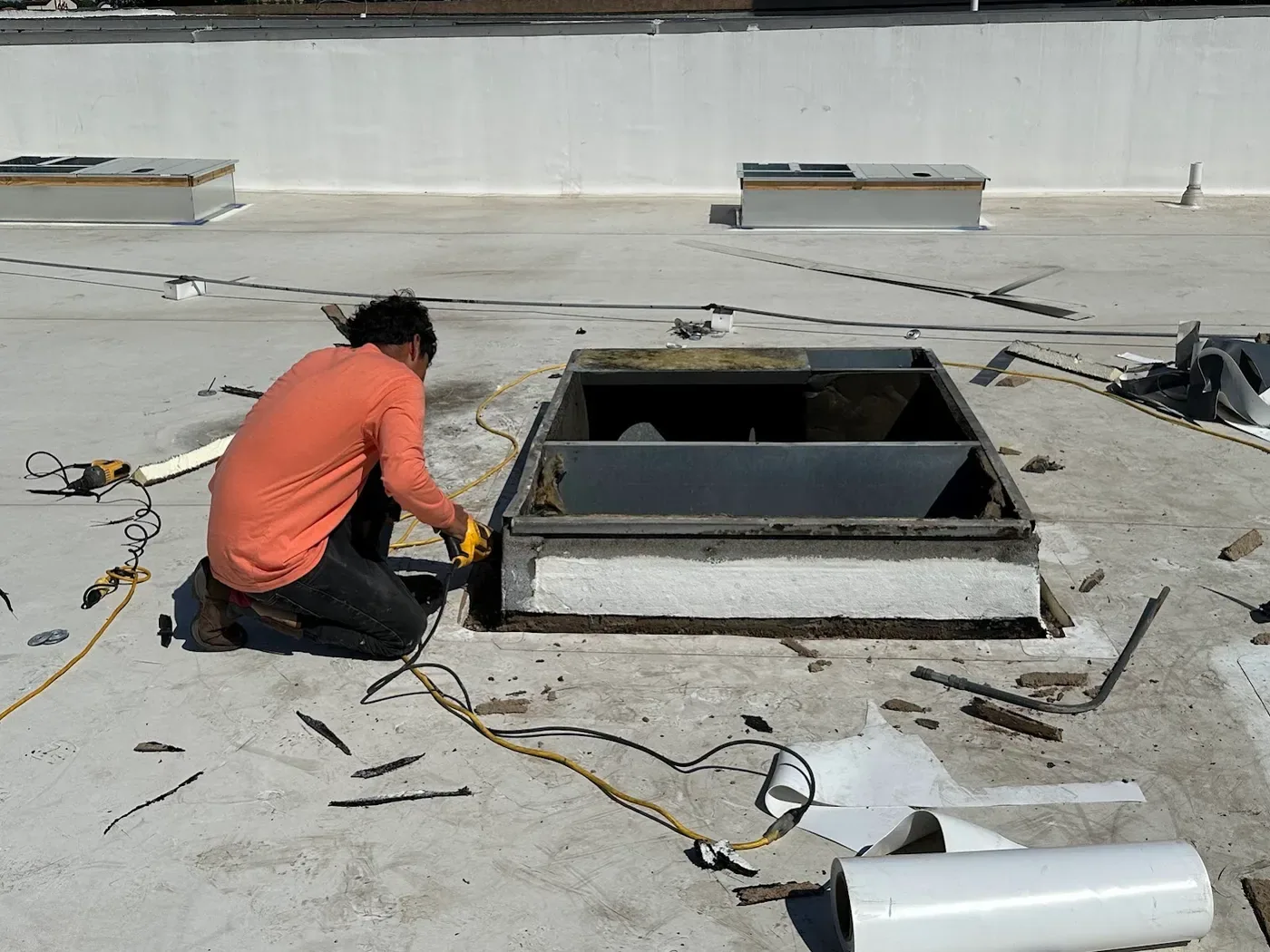
Fire protection comes with the territory. Sprinkler risers, smoke vents and heat-and-smoke hatches sit on or pass through the roof, and a membrane laid carelessly over a hatch curb can bind a vent that must open in a fire. We test the vents before and after the work and coordinate any sprinkler impairment with the operator's insurer. A daily note goes to the operations manager listing which bays were opened and which dock doors were affected.
Price the Storm Season Into the Lease
The EF-1 tornado of May 8, 2024 cost an East Gastonia warehouse part of its roof, and a smaller tornado in May 2020 crossed US 321 near the Gastonia airport. A 3PL that leases space should ask the owner for the roof's attachment and edge metal condition before a storm, and we can produce them with a walk. Tropical remnants matter too. Gusts from Hurricane Hugo reached 87 mph in Charlotte in 1989, so inland wind damage is not limited to tornado season.
Heat is the slower enemy, and it works in the open season for roof work as well. July's mean high is about 90.7 F, and a membrane at roof temperature softens and moves. Curbs, skylights and smoke vents are checked each season for sealant that has dried out.
Decide Repair, Recover or Replace With the Lease in Hand
The lease decides who pays, and the roof report has to serve both sides. The tenant needs to know the building is dry and what the owner plans, and the owner needs a scope that matches the lease. We give both the same ranked list and separate routine repair from capital work. A dry roof with local failures is a repair job, sometimes followed by a coating once seams and curbs are corrected. Each option is priced with its figure, its expected effect and the cost of leaving it alone, so the owner and the operator can see the same numbers. A dry roof on a sound deck can take a recover. Wet insulation across much of the roof is a replacement, staged by bay.
Related building types such as warehouses and distribution centers share the format, as do manufacturers that share a park and investors who own the buildings.
Commercial Roofing Questions
Can dock doors stay open during a reroof?
Usually. We stage at the end of the building where trucks do not turn and work in strips that are sealed before the shift ends.
Who pays for a roof repair on a leased building?
The lease decides. Our report separates repair from capital work so the tenant and owner can apply its terms.
How do you protect racking and product?
By asking which aisles are most sensitive, working those bays first or last and drying in every strip before the day ends.
Where do distribution roofs tend to leak first?
At dock edges, canopy attachments and rooftop unit curbs, then at clogged drains where water ponds.
Do you check attachment and edge metal?
Yes. We record condition for each section and run a pull test where nothing is on file.
Topic
Logistics and 3PL Operators
Roof Types
Low-slope and metal
Related Roofing Work
Gateway85 Industrial Corridor
Commercial Roof Repair